
Reviewed · MUSEUMS
Kraków: Guided Tour of the Torture Museum
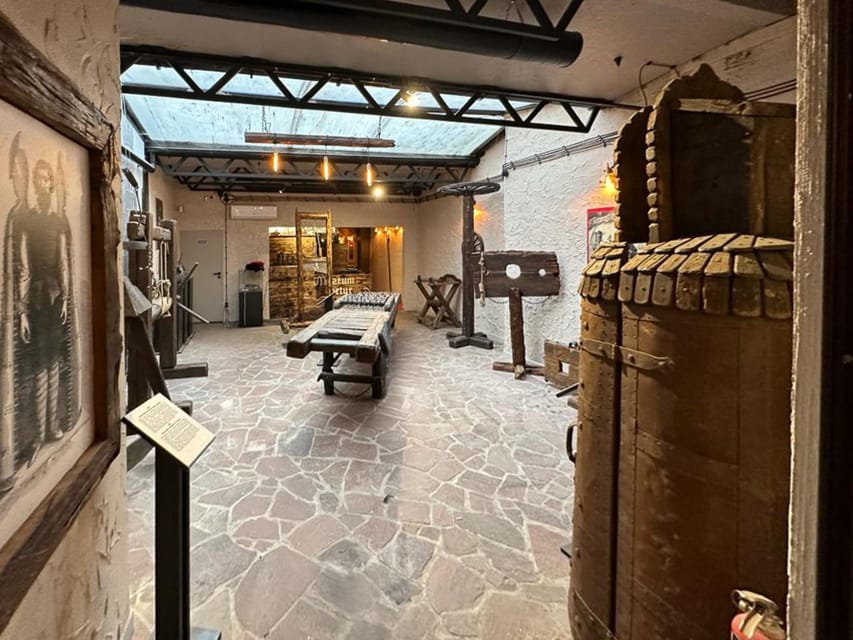
Kraków’s Torture Museum takes you into the city’s darkest subject: how people were punished, interrogated, and executed from the medieval period into modern times. You’ll see reconstructed devices, hear grim stories, and meet the museum’s theatrical executioner and assistants. The French Revolution guillotine is one of the major sights.
I like the small group of up to 10 people, since it gives the guide room to explain the displays instead of simply moving a crowd from case to case. I also like the tone. Kamil is praised for involving the group and using sarcastic humor, which helps keep a one-hour visit lively rather than solemn.
The drawback is clear: this is a compact, macabre attraction, not a broad survey of Kraków’s past. Some displays and stories may be too grisly for young children or anyone uneasy with graphic punishment.
Key points to know before you enter
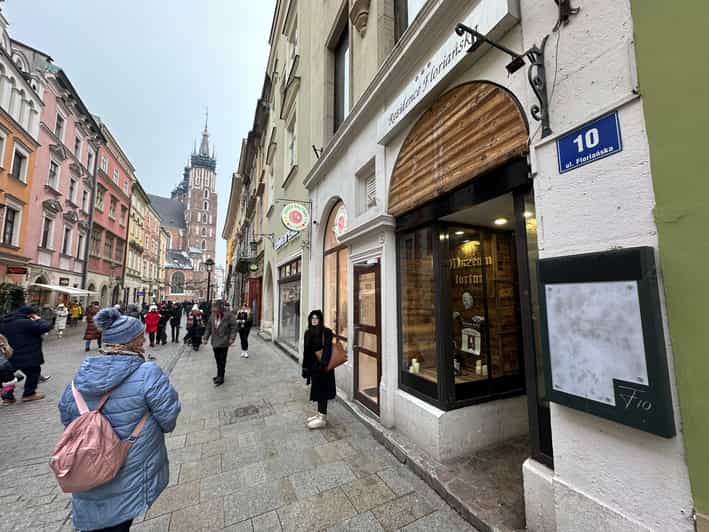
- Floriańska 10 location: The museum is placed on one of Kraków’s central streets, making it easy to pair with other Old Town sightseeing.
- A one-hour visit: Your ticket is valid for one hour from first activation, so plan to arrive ready to start.
- Medieval and modern devices: The displays trace changing methods of punishment rather than focusing on one period alone.
- The guillotine connection: You’ll see the infamous guillotine associated with the French Revolution.
- Kamil’s lively guiding style: Kamil is known for involving the group, explaining the different forms of torture, and adding dry humor.
- Small-group format: Groups are limited to 10 participants, and the tour is conducted in English.
Entering Kraków’s Torture Museum on Floriańska 10
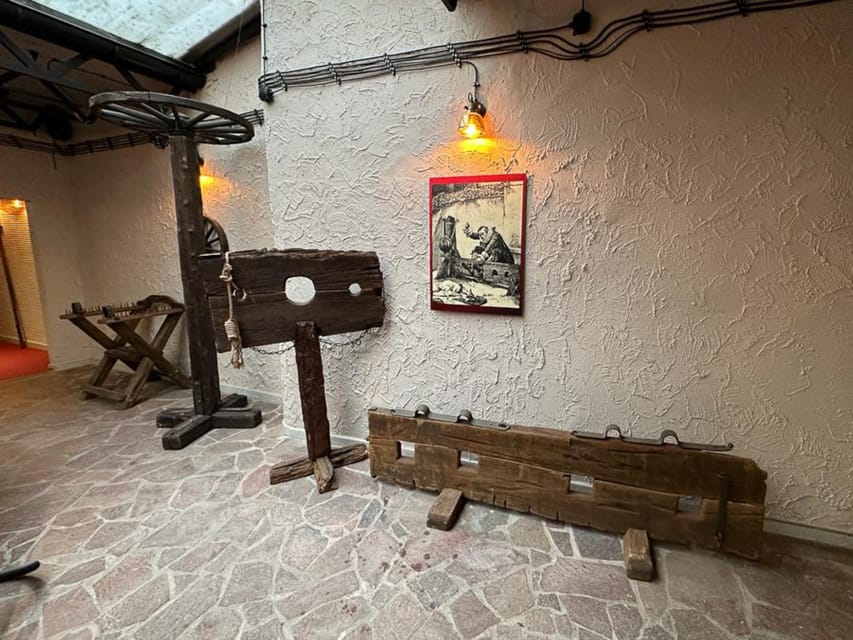
The museum offers a sharp change of mood from Kraków’s churches, cafés, and handsome Old Town streets. At Floriańska 10, you step into a setting built around punishment and fear rather than royal ceremony or religious art.
The attraction presents itself as a guided journey through human cruelty. The central idea is blunt: people could perish in countless ways, and the museum uses reconstructed devices to show how that happened. You are not simply browsing a collection of old objects. The guide gives the displays a story and explains what each type of punishment was meant to do.
That guided format matters here. Torture devices can look like strange metal furniture when viewed without context. A live guide explains how the objects fit into the larger story of punishment, helping you understand the difference between restraint, interrogation, mutilation, and execution.
The museum’s executioner and assistants add a theatrical layer. That is part of the appeal, but it also tells you what sort of attraction this is. The presentation is designed to create a reaction. You may learn something, but you are also meant to feel uneasy, surprised, and occasionally amused by the guide’s dark jokes.
A few more Krakow trips to weigh up
- Auschwitz-Birkenau Museum and Memorial Guided Tour from Krakow
★ 4.5 · 1,510 reviews - Krakow: Rynek Underground Museum Guided Tour
★ 4.6 · 1,122 reviews - Krakow Schindler’s Factory Museum Guided Tour in English
★ 4.5 · 650 reviews
Medieval punishment devices and the changing methods of cruelty
The first major theme is the medieval world, represented through detailed reconstructions of torture devices. The displays show how punishment relied on fear, physical force, and public examples. The exact details of every exhibit are not specified, so I would not arrive expecting a complete catalog of named instruments. Instead, expect a collection arranged around the broad history of torture and execution.
The value of this section is comparison. Medieval punishment was not one fixed practice. The museum lets you see how different devices were used to create pain, force confessions, restrain people, or carry out a sentence. The guide’s explanations give the objects a human context, even when the subject is unpleasant.
You’ll also notice how the museum uses reconstruction. These are presented as detailed recreations of devices from different periods, allowing you to see their shape and purpose without treating the visit as a conventional museum of original art or documents. For some visitors, that makes the experience easier to understand. For others, the reconstructed nature of the displays may feel less historically weighty.
That distinction is worth keeping in mind. This attraction is strongest as a short, dramatic introduction to punishment methods. It is not presented as an academic institution with a large research collection. You come for the clear explanations, the visual impact, and the unusual subject.
From medieval iron devices to the French Revolution guillotine
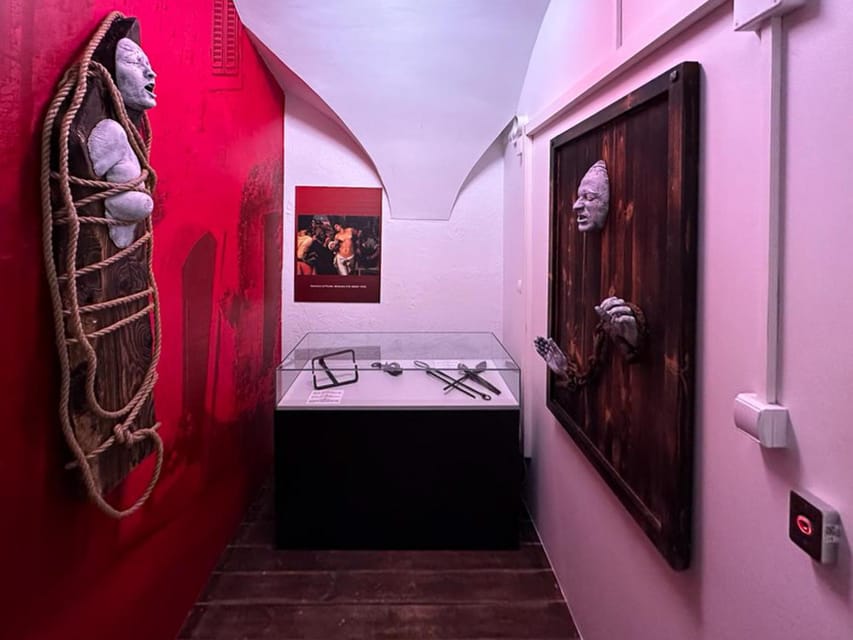
The displays move beyond the medieval period and show how punishment developed into more modern times. The French Revolution guillotine is the most recognizable example. Its fame can make it seem like a symbol from a history book, but seeing the machine in a room devoted to execution gives the subject a more physical presence.
The guillotine also helps connect the museum’s periods. It shows that modern engineering did not end execution. In some cases, it made punishment faster and more systematic. That shift is one of the useful ideas behind the visit: the history of torture is also a history of changing ideas about law, order, efficiency, and public control.
The museum’s title may suggest a narrow focus on medieval horror, but the inclusion of modern-era material broadens the experience. You are encouraged to compare old methods with later systems rather than treating cruelty as something confined to the distant past.
I would give special attention to the guide during this part of the tour. Kamil’s strength, based on the way his tours are described, is getting people involved while explaining different types of torture. That style suits a small room full of disturbing displays. It keeps the visit from becoming a silent walk past objects you may not know how to interpret.
Meeting the executioner and listening to the dark humor
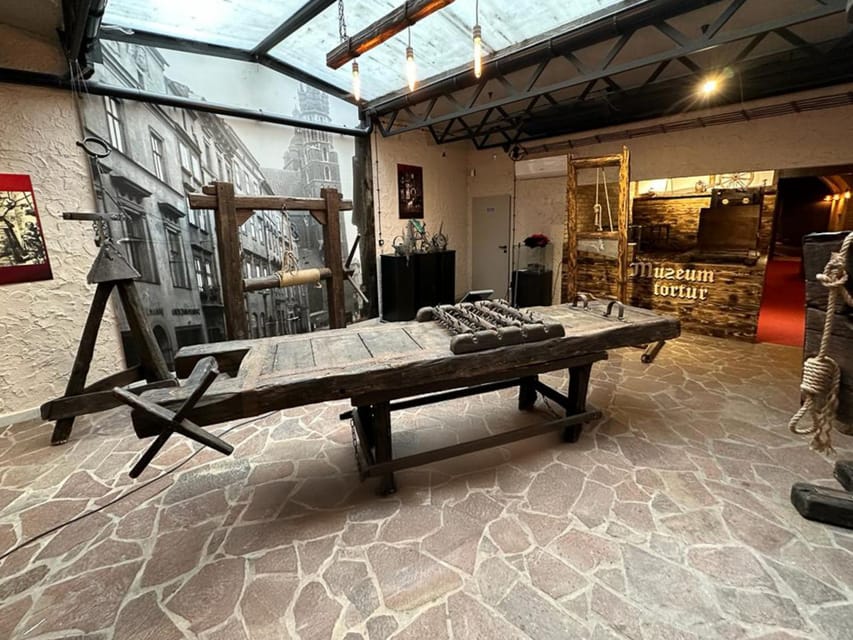
The executioner and assistants are part of the museum’s presentation, and the guide uses a sarcastic tone to make the gruesome details easier to follow. This humor will not suit everyone. If you prefer a quiet, serious museum treatment, the theatrical approach may feel excessive.
I see the humor as a practical choice for a subject this bleak. A full hour of unbroken grimness can become tiring. A sharp joke or ironic comment gives you a moment to breathe before the guide returns to the darker material. The best version of this style keeps the subject clear while making the information memorable.
Kamil is specifically praised for being fun, involving the group, and explaining the different forms of torture. That is useful information when choosing this tour. The guide is not merely a voice delivering dates and definitions. You should expect questions, reactions, and a more active presentation.
Still, you should not confuse entertainment with historical depth. The sarcasm and character work are central to the experience. If your main goal is detailed legal history, original documents, or a careful study of Kraków’s justice system, this may not be enough on its own.
Same country, a completely different kind of day:
- From Krakow: Auschwitz-Birkenau Guided Tour & Hotel Pickup
★ 4.5 · 33,358 reviews - From Krakow: Auschwitz-Birkenau Guided Tour & Hotel Pickup
★ 4.5 · 29,340 reviews - Krakow: Auschwitz Guided Tour with Optional Hotel Pickup
★ 4.5 · 15,280 reviews - Krakow–Zakopane: Cable Car, Chocholow Baths, Cheese & Vodka
★ 5.0 · 10,720 reviews
What the one-hour format means for your visit
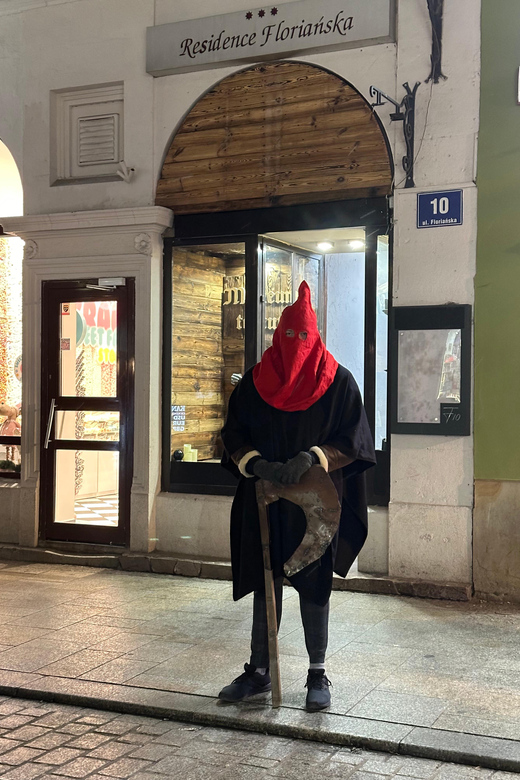
The ticket is valid for one hour from first activation. That makes this an easy addition to a full day in Kraków, especially if you want something different from the city’s usual churches, castles, and museums.
A one-hour visit also sets the right expectation. You will get a concentrated presentation rather than a long museum afternoon. The guide can introduce the main devices, explain the evolution from medieval punishment to modern times, and keep the group moving without exhausting the subject.
I like this length for a dark attraction. The material is intense, and a shorter visit helps the experience remain focused. You can see the displays, hear the stories, and leave with a clear sense of the theme without spending half a day surrounded by grim reconstructions.
The time limit means you should not arrive late or treat the ticket as an open-ended admission. Once you activate it, your hour begins. Have the address ready and be prepared to enter when your visit starts.
Why the small group of 10 is worth noticing
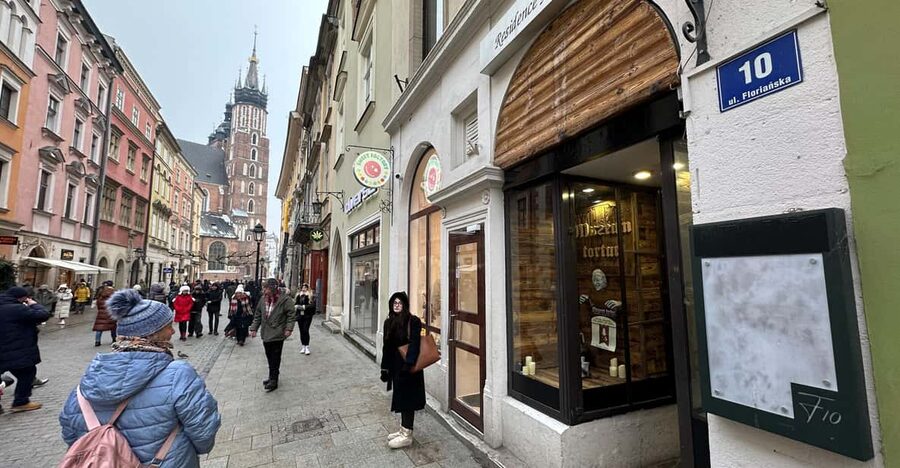
The group limit is one of the tour’s better features. With no more than 10 participants, you have a better chance of hearing the English-speaking guide clearly and seeing the displays without being buried behind a large crowd.
Small groups also suit the subject. A guide who asks questions or draws people into the explanation needs a room where participants can respond. Kamil’s engaging approach works best in this setting, since the tour can feel more like a guided conversation than a formal lecture.
There is a practical benefit, too. Torture devices and reconstructions need close viewing. A small group makes it easier to examine the objects and follow the guide’s explanation at the same time.
You should still remember that small-group does not mean private. The experience is shared with other participants, and the guide’s humor and pace will shape the visit. If you want complete control over how long you spend at each display, a guided tour may feel restrictive. If you want a clear route and explanation, the structure is helpful.
The $9 price and what you receive
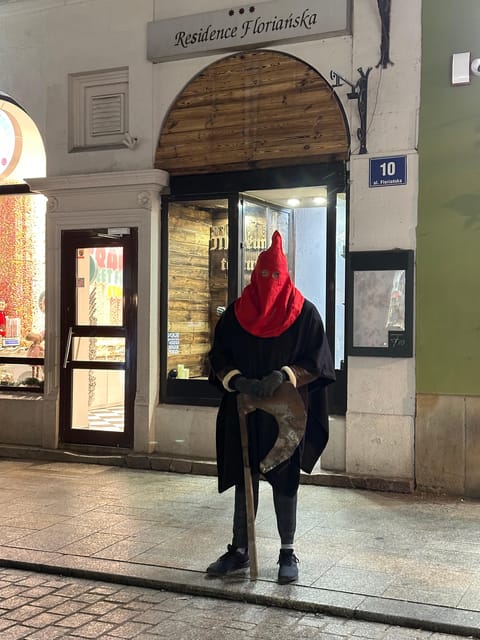
At $9 per person, this is a low-cost attraction by Kraków sightseeing standards. The value comes from the combination of admission and a live English-language tour, not from the size of the museum or the length of the visit.
You receive access to the displays, an explanation of the history of torture, and a guide who brings the devices to life with stories and sarcastic commentary. For a one-hour experience, the price is easy to justify if you enjoy unusual museums and want a break from standard sightseeing.
The value is less certain if you are looking for a major historical collection. This is a focused attraction built around shock, reconstruction, and presentation. You are paying for a memorable subject and a guided performance, not an all-day museum visit.
The rating of 4.6 from 34 reviews supports the idea that the experience works well for people who want something different. The most praised elements are the guide’s energy, the interesting devices, and the way the information is explained. Kamil receives particular credit for making the hour memorable and involving the group.
Who should book this Kraków experience
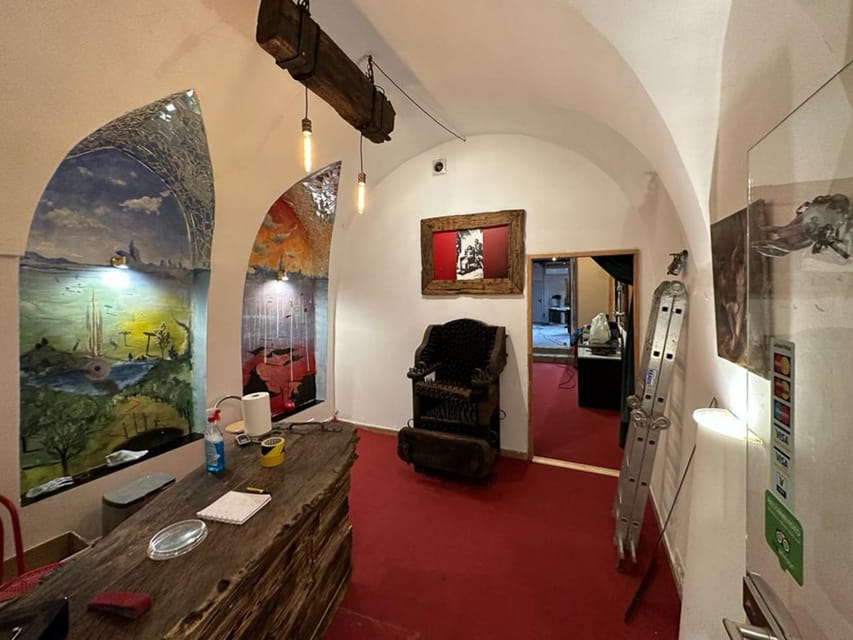
I would recommend the tour to adults and older visitors who enjoy unusual history, crime museums, or attractions with a theatrical edge. It also suits anyone who has already seen Kraków’s main sights and wants an activity that feels completely different.
You may also like it if you learn best through objects and storytelling. The devices give you something concrete to look at, while the guide explains the methods and the changing role of punishment over time.
Families should make a personal judgment about the subject. The experience is described as gruesome, and it includes torture and execution devices. The supplied information does not set an age requirement, so you should decide based on your child’s comfort with macabre material rather than assuming it is family entertainment.
I would skip it if you are sensitive to graphic themes, dislike sarcastic treatment of serious subjects, or want a quiet and traditional museum. The attraction is designed to create strong emotions, and that is not a good fit for every itinerary.
Accessibility, language, and booking flexibility
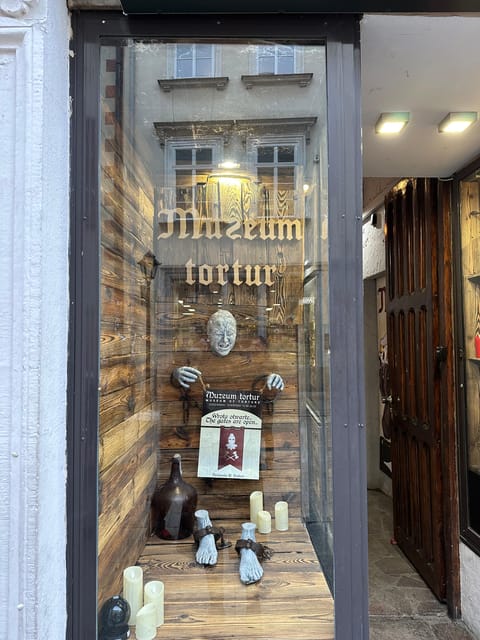
The tour is wheelchair accessible, which makes it a practical option for visitors who need an accessible attraction. The available tour language is English, so you should be comfortable following an English-speaking guide.
You can cancel up to 24 hours before the experience for a full refund. The reserve now and pay later option also lets you hold a place without paying at the time of booking, which is useful when you are arranging a busy Kraków schedule.
Because the tour is limited to 10 participants, booking ahead is sensible if the time suits your plans. The small capacity is part of the experience, not just a booking detail.
Is Kraków’s Torture Museum worth your hour?
Book this tour if you want a short, inexpensive, and unusual Kraków attraction with a live guide, reconstructed devices, and a darkly comic presentation. The guillotine, medieval instruments, and executioner theme give it a clear identity, while Kamil’s energetic style can make the information easier to remember.
Skip it if you want a broad historical museum or a calm look at Kraków’s past. For the right audience, the $9 price and one-hour format make this a sensible addition to an Old Town day. Just know what you are choosing: a theatrical lesson in punishment, not a gentle museum visit.
FAQ
Where is Kraków’s Torture Museum located?
The museum is at Floriańska 10 in Kraków, in the Lesser Poland region of Poland.
How long does the experience last?
The ticket is valid for one hour from the moment you first activate it.
What language is the guided tour in?
The live guided tour is conducted in English.
How many people can join the group?
The tour is limited to 10 participants, making it a small-group experience.
What can I see inside the museum?
You can see detailed reconstructions of torture devices from the medieval era through modern times, including the guillotine associated with the French Revolution.
Is the museum wheelchair accessible?
Yes. The activity is listed as wheelchair accessible.
Who leads the tour?
The experience includes a live guide. Kamil is one of the guides associated with the tour and is known for involving the group, explaining the different forms of torture, and using sarcastic humor.
Can I cancel for a full refund?
Yes. You can cancel up to 24 hours in advance for a full refund.
Just added around Krakow
- Tour to Wadowice: Hometown of Pope Saint John Paul II★ 4.6 · 12 reviews
- The Jewish Quarter – Walking Tour★ 5.0 · 4 reviews
- From Kraków; to Białka Thermal Baths private tour★ 5.0 · 5 reviews
- St. Mary’s Basilica and more – a short walk with a guide★ 4.7 · 56 reviews
- Krakow: Auschwitz-Birkenau and Wieliczka Salt Mine Day Trip★ 4.7 · 84 reviews
- Krakow: Skip-the-Line Wawel Castle & Old Town Guided Tour★ 4.9 · 23 reviews
- Shooting Range Experience!★ 4.8 · 66 reviews
- Krakow: Schindler’s Factory Guided Tour★ 4.2 · 12 reviews
Museums, compared.
Auschwitz-Birkenau Museum and Memorial Guided Tour from Krakow
Read our review →
POLIN Museum of the History of Polish Jews Ticket
Read our review →

Krakow Schindler’s Factory Museum Guided Tour in English
Read our review →
Auschwitz Birkenau Museum Guided Tour with Pickup
Read our review →
Browse the lists this tour appears in