
Reviewed · JEWISH GHETTO TOURS
Krakow: Jewish Ghetto Walking Tour
Krakow’s former Jewish ghetto is not a museum behind glass. It is a real neighborhood, with ordinary buildings and streets carrying the marks of a terrible past. This one-hour walk brings that story into focus, ending at the famous Under the Eagle pharmacy.
I like the stop at Ghetto Heroes’ Square, where the guide explains how Jewish residents were identified and deported. I also like the short format and low $15 price, which make this an easy history lesson to fit between other Krakow plans.
The main drawback is the pace. One hour is enough for key sites and clear context, but not for a slow, detailed look at every building or a full visit inside the pharmacy. Entry to the pharmacy also costs extra.
Key points to know before you book
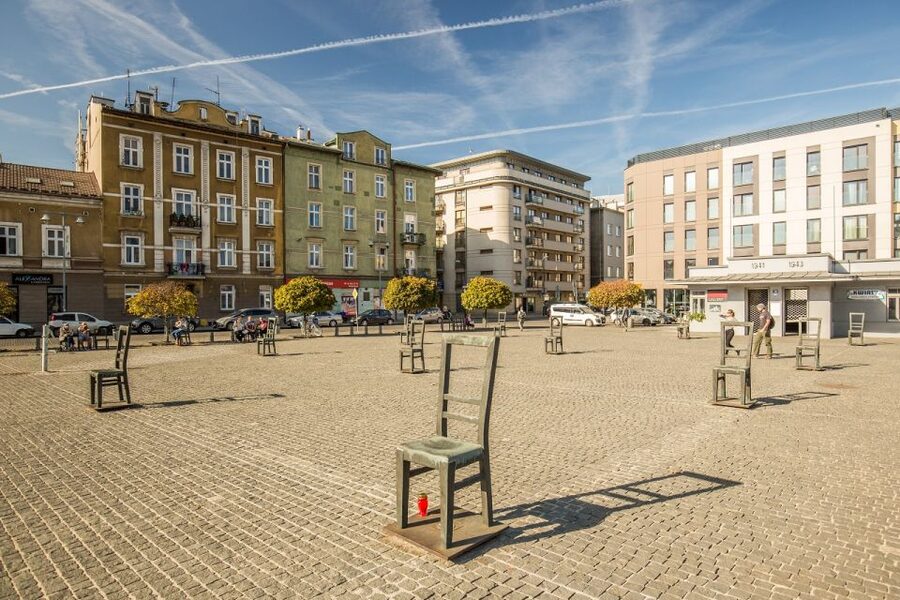
- Ghetto Heroes’ Square: Learn how Krakow’s Jewish residents were gathered, identified, and sent to concentration camps.
- Original ghetto wall: See surviving sections of the wall, now a memorial and place of pilgrimage.
- Former cramped housing: Walk past buildings where thousands of displaced Jews were forced to live.
- Under the Eagle pharmacy: Finish at the famous pharmacy, with admission not included.
- One-hour format: A useful choice if you want focused historical context without giving up half a day.
- Five tour languages: Choose from English, Italian, Spanish, German, or French.
Why this short walk matters in Podgórze
The district known as Podgórze was the site of Krakow’s Jewish ghetto during World War II. The area still contains physical reminders of what happened there, but the meaning of those reminders is not always obvious from the street.
That is where a live guide earns the $15 price. Without explanation, you may see a square, a wall fragment, or a row of older buildings and keep walking. With the story attached, those places become evidence of how quickly daily life was controlled and reduced.
I appreciate that the tour focuses on what remains in the neighborhood itself. You are not simply shown a list of dates. You are taken to the spaces where people were assembled, confined, and forced into overcrowded homes.
The tone should be treated with respect. This is a memorial walk, not light sightseeing. The district serves as a reminder of the horrors of war and the need to prevent such events from happening again.
More Jewish Ghetto Tours in Krakow:
- Krakow: Schindler’s Factory & Ghetto Guided Tour
★ 4.7 · 1,694 reviews - Krakow: Jewish Quarter and Former Ghetto Tour
★ 4.9 · 1,441 reviews - Krakow: Bike Tour of Old Town, Jewish Quarter and the Ghetto
★ 4.9 · 1,155 reviews
Starting at the Schindler Factory Museum
The meeting point is at the entrance to the Schindler Factory Museum. Look for a guide holding an excursions.city sign.
That starting point is practical because the museum is a major reference point for this part of Krakow. You do not need to search through side streets for a small office or ticket booth. Still, give yourself enough time to reach the entrance and identify the sign before the walk begins.
The tour does not include admission to the Schindler Factory Museum. The meeting point is simply where you join the walking group. If you plan to visit the museum separately, check its schedule and allow time for that visit apart from this one-hour experience.
The supplied information does not give a group size, so I would not book this expecting a private walk. You are paying for a live guide and a focused route, not a personal historian assigned only to you.
Ghetto Heroes’ Square and the first hard lesson
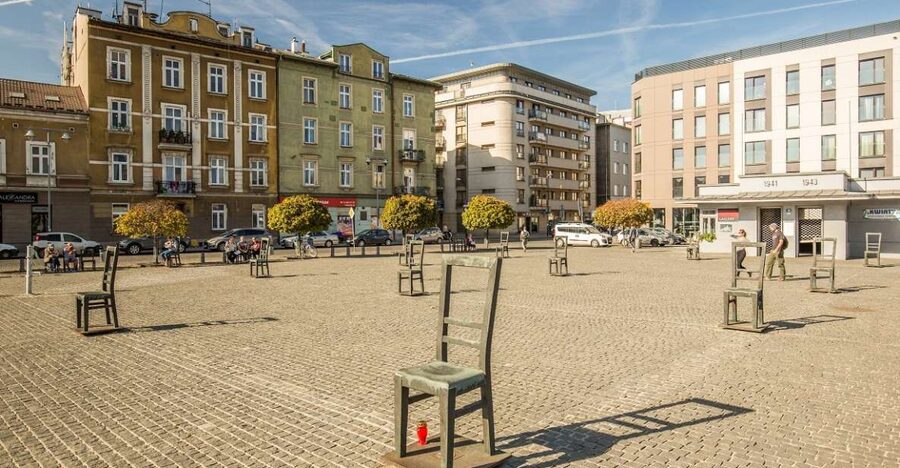
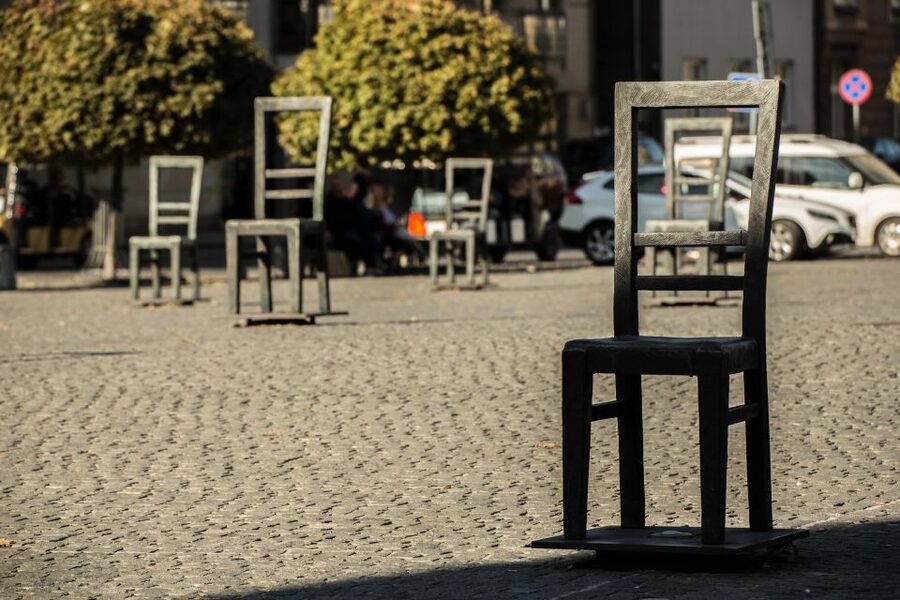
The first major stop is Plac Bohaterów Getta, or Ghetto Heroes’ Square. This is one of the most important places on the route because it connects the open public space with the machinery of persecution.
Here, Jewish inhabitants of Krakow were identified and sent away to concentration camps. A guide can explain the process in a way that a quick photograph cannot. The square helps you understand that deportation was not an abstract event happening somewhere far away. It began in a familiar neighborhood, with people being gathered in a place they knew.
This stop may be emotionally difficult. That is not a flaw in the experience, but it is something to prepare for. The walk deals with forced displacement, confinement, and deportation in a direct way.
I would listen closely here rather than rushing to take photographs. The value of the stop is the explanation, and the one-hour schedule means the guide has to keep the group moving.
The remaining wall and what it tells you
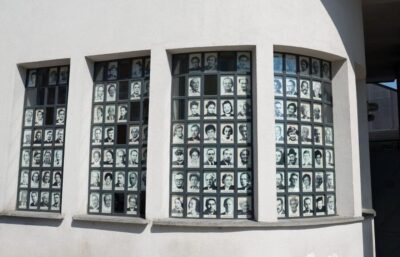
The route continues to a surviving section of the original wall that surrounded the Jewish ghetto. This fragment now serves as a monument and a place of pilgrimage for Jewish people visiting Krakow from abroad.
The wall is important partly because it is so physical. A written account can tell you that the ghetto was sealed off, but standing beside a remaining section makes the boundary easier to grasp. It shows that this was a controlled area, not simply a poor neighborhood where people happened to be living.
Do not expect a long preserved barrier. The attraction is the surviving piece and the meaning attached to it. The guide’s explanation matters more than the size of the structure.
This is also a useful point for visitors who want to understand how memorials work in an active city. The wall has not been removed from daily life. It remains part of the neighborhood and carries a solemn role for people returning to remember relatives and community members.
A few more Krakow trips to weigh up
- Old Town Krakow & Wawel Castle Walking Tour
★ 5.0 · 1,508 reviews - Creepy Krakow: 2-Hour City Walking Tour
★ 4.7 · 1,131 reviews - Krakow: The Old Town Walking Tour
★ 4.8 · 794 reviews - Krakow: Kazimierz Jewish Quarter Walking Tour
★ 4.8 · 571 reviews
Former homes and the reality of overcrowding
The next part of the walk passes buildings where thousands of displaced Jews lived in cramped conditions. These are not necessarily buildings that announce their wartime importance. They look like part of the urban fabric, which is exactly why a guided walk helps.
One of the strongest practical reasons to choose this tour is that you might otherwise pass these places without noticing them. A guide points out what you are looking at and explains how displacement changed the use and meaning of the buildings.
The phrase cramped conditions should not be treated as a vague description. It points to the loss of privacy, comfort, and control forced on people who had already been driven from their homes. The route gives that reality a physical setting.
The supplied details do not identify each building by address, and the tour lasts only one hour. You should expect an overview of the area rather than a room-by-room account or a complete record of every wartime building.
Still, I like this section because it avoids reducing the ghetto to a single memorial. The square and wall are powerful, but the housing buildings help you think about ordinary life under extraordinary pressure.
Under the Eagle pharmacy: the final stop
The walk finishes at the famous Under the Eagle pharmacy. This was an important place during the ghetto period and is one of the best-known sites connected with the area.
Admission to the pharmacy is not included in the $15 tour price. That distinction matters. You can join the walk and see the outside and learn its place in the story, but entry inside requires a separate ticket.
If you want the interior visit, budget for that additional cost and check the arrangements before booking. The available information does not state the separate admission price or how long an interior visit takes.
Ending here gives the route a clear finish. You move from the public square, to the former boundary, to the housing buildings, and then to a specific institution associated with the ghetto. The pharmacy adds a human scale to the tour because it was a place connected with daily needs during a period when daily life had been turned upside down.
Do not mistake the final stop for a substitute for a full museum visit. The tour gives you the context to understand why the pharmacy matters. The separate entry gives you the chance to continue that subject indoors.
The guide makes the difference
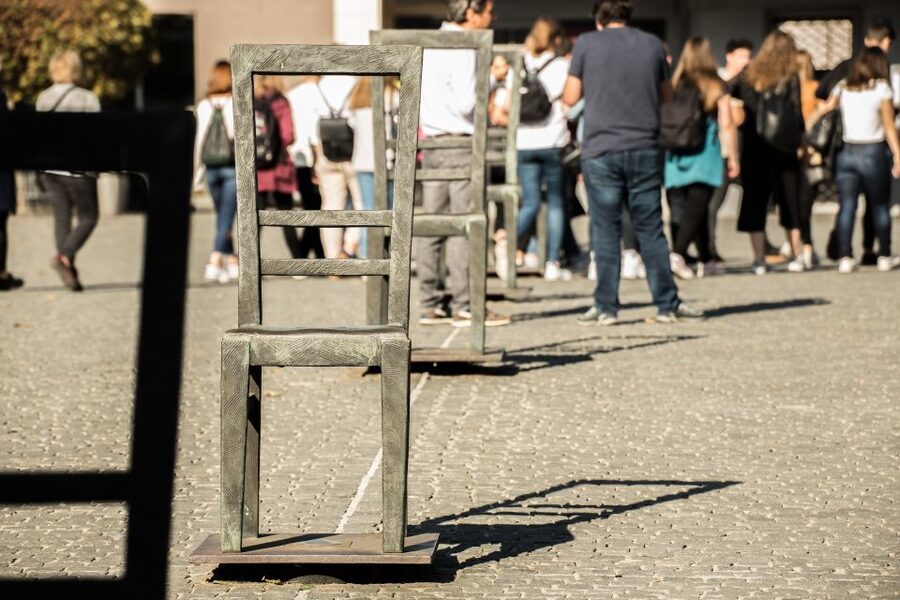
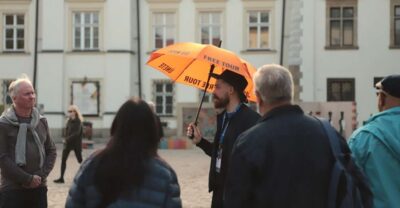
This is a guide-led history walk, and the guide’s skill matters more here than fancy equipment or a long list of stops. You need someone who can explain difficult events clearly, keep the route moving, and add human context without turning the subject into a performance.
A guide named Aga received especially strong praise for being informative and for sharing personal knowledge and experience of the city. That kind of local connection can make a short walk feel more grounded. The tour is also offered in English, Italian, Spanish, German, and French, so you can choose the language in which serious historical detail will be easiest for you to follow.
The available feedback is consistently positive. It highlights clear explanations, personal stories, and a route that feels well judged for the time available. One person specifically liked the one-hour length after spending the day walking around Krakow.
That point is worth taking seriously. Krakow sightseeing can involve a lot of walking, and a compact tour may be more useful than a longer route that leaves you tired and unable to absorb the subject. The trade-off is that you get a sharp introduction, not an exhaustive study.
Is $15 good value?
At $15 per person, this is inexpensive for a live guided walk in a major historic district. You are paying for an hour of interpretation at several meaningful sites, rather than for transport, food, or a large attraction ticket.
The value is strongest if you are unfamiliar with Podgórze. Without a guide, the wall and former housing buildings may not make much sense. The fee gives you a framework for seeing the district, and that framework can improve any later visit to the Schindler Factory Museum or Under the Eagle pharmacy.
The price is less attractive if you already know the ghetto’s history well and plan to visit the pharmacy independently. In that case, the route may repeat material you have studied. Even then, a local guide may point out details you would miss, but the benefit depends on how much background you already have.
Food and drink are not included, though that is hardly a concern for a one-hour walk. The main extra expense is the pharmacy admission if you want to go inside.
Free cancellation up to 24 hours before the start and reserve-now, pay-later booking make it easier to fit the walk into a changing Krakow schedule. Check the available starting times when you book, since the exact departure time is not fixed in the details provided.
Who should book this Krakow walk?
I would recommend it to first-time visitors who want a clear introduction to Krakow’s Jewish ghetto without committing to a half-day program. It also suits anyone staying near the Schindler Factory Museum and looking for a structured way to understand the surrounding district.
The one-hour length works well for a busy itinerary. You can place it between museum visits, meals, or other sightseeing rather than giving up a full morning.
It is also a good choice for visitors who prefer history told on location. The route does not rely only on displays and captions. You see the square, wall, buildings, and pharmacy in the setting where they matter.
I would be more cautious if you want a very detailed academic tour, extensive time inside museums, or a private experience. No private format or group size is stated, and the route has to cover several stops in one hour.
Families and younger visitors may appreciate the short format, but the subject is serious. Use your judgment about how much wartime detail is appropriate for your group.
A few practical ways to get more from the hour
Read the meeting instructions carefully and go to the entrance of the Schindler Factory Museum, not inside the museum looking for a desk. The excursions.city sign is the key marker.
Choose your language carefully. The tour is available in English, Italian, Spanish, German, and French. For a subject with names, dates, and difficult events, the language in which you follow subtle explanations matters.
Wear practical walking clothes, though no special equipment is listed. The experience is entirely focused on walking between sites, and the tour does not include food or drink.
If the pharmacy interior matters to you, plan for the separate entry ticket before you arrive. The walking tour finishes at Under the Eagle, but the admission cost is not part of the $15 booking.
Finally, leave room in your schedule for the tour to affect your plans. The official duration is one hour, and the route is designed to fit that time, but this is not the kind of history you will want to race away from.
Should you book the Jewish Ghetto Walking Tour?
Book it if you want a low-cost, one-hour introduction to Krakow’s wartime Jewish history, especially if you would otherwise walk past the key sites without understanding them. The strongest reasons are the focused route, the live guide, the surviving wall, and the stop at Ghetto Heroes’ Square.
The $15 fee is fair because the guide supplies the context that the streets alone cannot. The main limits are the brief duration, the unknown group size, and the extra payment required for entry to Under the Eagle pharmacy.
If you want a concise and serious walk led in your preferred language, this is a sensible choice. If you want an extended museum experience or detailed research-level coverage, book the walk only as an introduction and add the pharmacy or another museum visit separately.
FAQ
Where does the Jewish Ghetto Walking Tour meet?
Meet at the entrance to the Schindler Factory Museum. Look for a guide holding an excursions.city sign.
How long does the tour last?
The walking tour lasts one hour.
How much does the tour cost?
The listed price is $15 per person.
Which languages are available?
The live guide service is available in English, Italian, Spanish, German, and French.
Is Under the Eagle pharmacy included?
The walk finishes at Under the Eagle pharmacy, but the entry ticket is not included in the tour price.
Is food or drink included?
No. Food and drink are not included.
What is Ghetto Heroes’ Square?
It is the square where Jewish inhabitants of Krakow were identified and sent to concentration camps during World War II.
Can I see part of the original ghetto wall?
Yes. The route includes a remaining fragment of the wall that surrounded the Jewish ghetto.
What buildings will I see on the route?
You will pass buildings where thousands of displaced Jews lived in cramped conditions.
Can I cancel the booking?
You can cancel up to 24 hours in advance for a full refund. The activity also offers reserve-now, pay-later booking.
Just added around Krakow
- Tour to Wadowice: Hometown of Pope Saint John Paul II★ 4.6 · 12 reviews
- The Jewish Quarter – Walking Tour★ 5.0 · 4 reviews
- From Kraków; to Białka Thermal Baths private tour★ 5.0 · 5 reviews
- St. Mary’s Basilica and more – a short walk with a guide★ 4.7 · 56 reviews
- Krakow: Auschwitz-Birkenau and Wieliczka Salt Mine Day Trip★ 4.7 · 84 reviews
- Krakow: Skip-the-Line Wawel Castle & Old Town Guided Tour★ 4.9 · 23 reviews
- Krakow: Schindler’s Factory Guided Tour★ 4.2 · 12 reviews
- Shooting Range Experience!★ 4.8 · 66 reviews
Jewish Ghetto Tours, compared.
Bike Tour of Old Town, Jewish Quarter and the Ghetto
Read our review →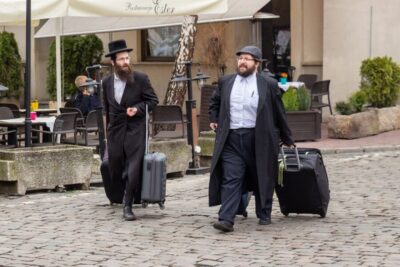
Kazimierz, Schindler’s Factory & Ghetto Guided Tour
Read our review →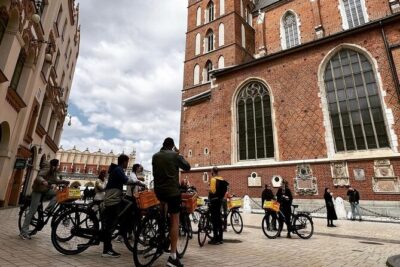
Full Bike Tour – the Old Town, Jewish Qtr & the Ghetto NEW BIKES
Read our review →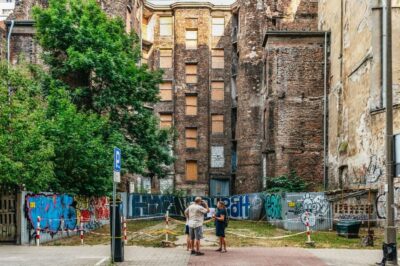
Warsaw Ghetto Private Walking Tour with Hotel Pickup
Read our review →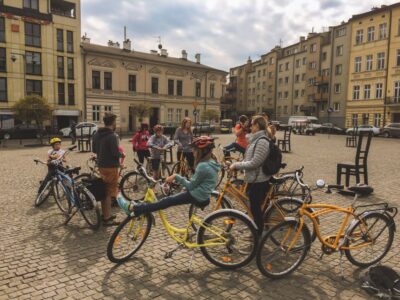
Bike Tour of the Old Town, Kazimierz, and the Ghetto
Read our review →
Browse the lists this tour appears in