
Reviewed · MUSEUMS
Krakow: Museum of Living Butterflies 2+1
Krakow’s Museum of Living Butterflies offers a close look at insects that are usually reduced to quick flashes in a garden. Here, you can study wing patterns, body structure, life stages, and the difference between butterflies and moths while seeing species from Poland and far beyond.
I like the chance to take photographs, and I like that the visit goes beyond pretty colors. You learn why butterfly wings look the way they do, how scales create their patterns, and why protecting insect diversity matters. The main drawback is that this is a self-guided visit, so you should not expect a personal guide or a structured talk.
Key points
- Butterflies from around the world: See local and exotic species in one museum visit.
- More than a photo stop: Learn about life cycles, anatomy, wing scales, and ecosystems.
- Good for small groups: Admission covers up to three people for $36.
- Bring your camera: Photography is allowed, but flash is strictly prohibited.
- Plan for walking: Most areas are wheelchair accessible, though some sections may be difficult.
- A useful short stop in Krakow: The booking is valid for one day, with availability and starting times shown when you reserve.
A close look at Krakow’s living butterflies
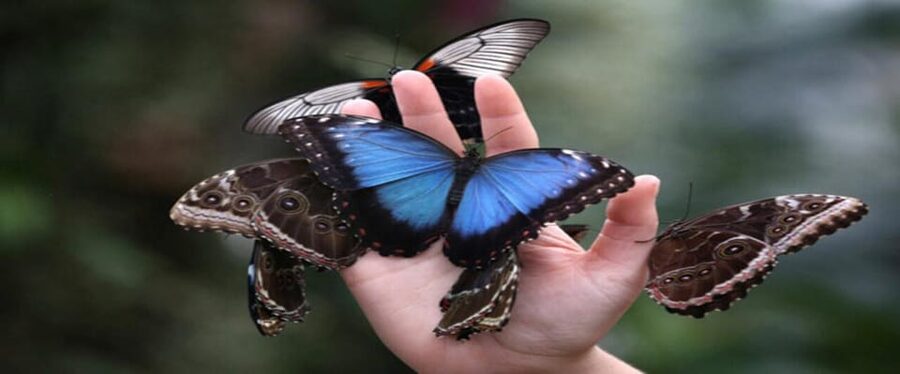
The appeal here is simple: you get to see butterflies at close range rather than only behind a glass case or in a textbook. Their wings are covered in tiny scales, and those scales create the colors and patterns that make each species easy to distinguish.
That detail gives the visit a scientific edge. You are not only looking at blue, orange, yellow, or patterned wings. You are learning how butterfly bodies work, how their appearance helps identify them, and how their lives fit into wider ecosystems.
I would think of this as a compact museum visit with a strong visual element. It suits anyone who likes nature, photography, or unusual places, and it can give families a simple way to connect a living animal with lessons about biology and conservation.
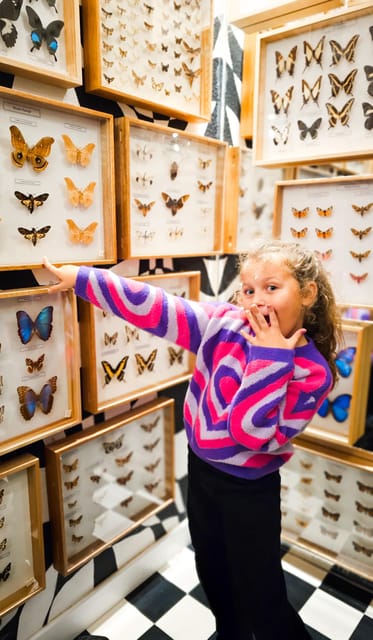
The attraction is called a museum, but the emphasis is on living butterflies. That matters when you are deciding how to spend your time. This is not a traditional display of pinned specimens or framed artwork. The experience centers on seeing the insects themselves and observing their variety.
A few more Krakow trips to weigh up
- Auschwitz-Birkenau Museum and Memorial Guided Tour from Krakow
★ 4.5 · 1,510 reviews - Krakow: Rynek Underground Museum Guided Tour
★ 4.6 · 1,122 reviews - Krakow Schindler’s Factory Museum Guided Tour in English
★ 4.5 · 650 reviews
What you learn about Lepidoptera

The museum introduces the Lepidoptera order, the insect group that includes butterflies and moths. You will learn that the familiar wings are covered with tiny scales, a small fact that explains much of their color and pattern.
The visit also covers butterfly anatomy. You can expect information about the parts of the insect and how its body is built, though the supplied details do not specify the exact format of the displays or whether every section includes written explanations.
The life cycle is another central theme. Butterflies pass through several distinct stages, and the museum uses that process to show how a delicate adult insect develops. That makes the visit more useful than a simple display of colorful wings, especially if you are visiting with children who are beginning to learn about animals and change.
You also learn about the difference between butterflies active during the day and moths that are active at night. This is a practical distinction, since many people use the word butterfly for any winged insect with scales. The museum gives you a better basis for telling these groups apart.
From local species to insects from far away
The collection includes butterflies from Poland and from other parts of the world. That range lets you compare familiar species with exotic ones and notice how much variation exists within the same broad insect group.
I like this kind of comparison because it gives the visit a clear rhythm. You start with the basic question of what a butterfly is, then move toward the larger question of how different species adapt and develop their own shapes and colors.
The word living is important here. A living butterfly has movement, and movement changes how you see it. A specimen in a case can show you its markings, but a live insect makes you pay attention to wings, body shape, and behavior in a different way.
The information provided does not list the exact species on display, so I would not arrive expecting a particular butterfly by name. Instead, treat the collection as a chance to see a broad mix of local and exotic examples.
A self-guided visit with room for photographs

Admission includes access to all exhibition areas, and you can explore at your own pace. There is no guided tour included, so you will need to read the information and set your own pace as you move through the museum.
That freedom can be useful. You can spend extra time with a butterfly that catches your eye, stop for photographs, or move more quickly through material that is less relevant to you. It also means you should not expect a guide to answer questions or organize the visit around a set presentation.
Photography is one of the strongest practical features. You can take pictures of the butterflies and their patterns, which gives the visit a clear purpose for anyone interested in nature photography. Use a quiet approach and be patient, since the best photograph may require waiting for the insect to settle.
Flash photography is not allowed. This rule protects the butterflies, and it also means you should check your camera or phone before entering. If your device has an automatic flash setting, turn it off in advance.
The attraction does not include food or drinks. That is not a serious problem for a short museum stop, but you should not plan on buying refreshments as part of the experience. The focus is the exhibition itself.
Same country, a completely different kind of day:
- From Krakow: Auschwitz-Birkenau Guided Tour & Hotel Pickup
★ 4.5 · 33,358 reviews - From Krakow: Auschwitz-Birkenau Guided Tour & Hotel Pickup
★ 4.5 · 29,340 reviews - Krakow: Auschwitz Guided Tour with Optional Hotel Pickup
★ 4.5 · 15,280 reviews - Krakow–Zakopane: Cable Car, Chocholow Baths, Cheese & Vodka
★ 5.0 · 10,720 reviews
How the $36 group price works
The listed price is $36 for a group of up to three people. For three people, that works out to $12 per person. For two people, the effective price is $18 each, while a solo visit carries the full group price.
That structure makes the museum more appealing for a small family or a trio of friends than for one person traveling alone. If you are already visiting with two companions, the cost is easier to justify because one booking covers the entire group.
The value depends on what you want from a museum. If you only want a quick collection of butterfly photos, the price may feel high for a short stop. If you want close-up viewing, educational information, and access to all exhibition areas, the visit offers more substance.
The booking is valid for one day, and you check availability for the starting times. The information does not give a fixed visit length, so leave enough flexibility in your day rather than planning another timed activity immediately afterward.
Free cancellation is available up to 24 hours in advance for a full refund. You can also reserve now and pay later, which helps if you are still arranging your Krakow schedule.
Who will get the most from this museum
This is a good choice for families. The butterflies provide an immediate visual hook, while the life cycle and anatomy sections give the visit an educational purpose. Children who are not keen on a long historical museum may respond better to living insects and close-up color.
It also suits couples and small groups looking for something unusual. The feedback attached to the experience describes it as an unusual visit that improved the visitor’s understanding, and that is a fair way to think about its appeal. It is not a standard Krakow sightseeing stop, and that change of subject can be welcome after churches, castles, and old-town streets.
Photography fans should also consider it. You can take pictures throughout the exhibition, as long as you leave the flash off. The chance to photograph wing patterns and colors is a useful reason to bring a phone or camera, even if you are not an experienced photographer.
Nature-minded visitors will appreciate the conservation message. The museum explains why preserving biodiversity matters and points toward ways people can help protect butterflies and the wider natural world.
I would be less likely to recommend it to someone who wants a guided, highly structured attraction. Since guided tours are not included, the quality of your visit depends partly on how much time you give the displays and how interested you are in reading and observing.
Walking, access, and practical comfort
Comfortable shoes are recommended because the visit involves a lot of walking. The museum is wheelchair accessible in most areas, but some sections may be challenging for people with mobility impairments.
That wording calls for a little planning. If someone in your group uses a wheelchair or has difficulty walking, contact the provider before booking if you need exact information about the difficult sections. The available details confirm broad access, but they do not identify which parts may present problems.
The group size is limited to three participants. That keeps the booking small and works well for a family unit, couple, or trio of friends. It does not mean the museum is privately reserved for your group, so do not assume you will have the entire space to yourself.
Because no transport is included in the activity details, you should make your own arrangements for reaching the museum. The information supplied identifies the location as Krakow in Lesser Poland, but it does not give a street address or transport instructions.
How to make the most of your time inside
Before you enter, switch off the flash on your phone or camera. This is the most important photography rule, and ignoring it can disturb the butterflies and break the museum’s conditions.
Give yourself time to look before taking pictures. Start by noticing the differences between species, then use the displays to connect those differences with anatomy, wing scales, and life cycle. You will get more from the visit if you treat the photographs as part of the learning rather than the only goal.
Read the conservation material, too. Butterflies are easy to admire for their color, but their value reaches beyond appearance. The museum links their protection with the broader need to preserve biodiversity, giving you a clear environmental point to take home.
If you are visiting with children, ask them to identify differences between day-active butterflies and night-active moths. You can also have them follow the life cycle from one stage to the next. These simple questions give a self-guided visit more shape.
Keep your schedule flexible. The experience is valid for one day, but the exact starting times depend on availability, and the listed information does not state how long the visit takes. Avoid pairing it with a tightly timed activity unless you have checked the entry details first.
What the experience does well, and where it is limited
The best part is the combination of live viewing and clear educational themes. You see butterflies from different parts of the world, then learn about their bodies, wings, life stages, and place in ecosystems.
The photo opportunity is another strong point. Many museums restrict photography or offer little that works well in pictures. Here, photography is part of the appeal, provided you respect the no-flash rule.
The group pricing is helpful when three people share one booking. It is less attractive for a solo visitor, since the $36 price applies to the group rather than being scaled to one person.
The main limitation is the lack of a guided tour. If you prefer an expert to explain each display, answer questions, and set the pace, this may feel too independent. You can still have an informative visit, but you need to take responsibility for reading, looking closely, and asking your own questions if staff support is available.
The access note is also worth taking seriously. Most areas are wheelchair accessible, yet some sections may be difficult for people with mobility limitations. Comfortable shoes are a small but sensible addition for everyone else.
Should you book the Museum of Living Butterflies?
Book it if you want an unusual Krakow stop that combines close-up nature viewing, photography, and basic science. It is especially suitable for a small group of up to three, families with curious children, and anyone who wants something different from the city’s usual cultural sights.
Think twice if you want a guided experience, a precise visit duration, or a low solo price. The $36 cost makes the most sense when shared by three people, and the self-guided format rewards visitors who enjoy setting their own pace.
For the right group, this is more than a room full of pretty wings. It gives you a useful look at butterfly life, anatomy, color, and conservation, with enough visual appeal to keep the visit light and enjoyable.
FAQ
Where is the Museum of Living Butterflies located?
The museum is in Krakow, in Poland’s Lesser Poland region.
How much does admission cost?
Admission costs $36 per group of up to three participants.
How long is the experience?
The booking is valid for one day. The supplied activity details do not state the exact length of the visit.
Is a guided tour included?
No. Guided tours are not included, so the visit is self-guided.
Can I take photographs inside?
Yes. Photography is allowed throughout the museum, but flash photography is not permitted.
Why is flash photography prohibited?
Flash photography is not allowed to protect the butterflies.
What can I learn at the museum?
You can learn about butterfly and moth classification, life cycles, anatomy, wing scales, coloring, ecosystems, and the importance of protecting biodiversity.
Is the museum wheelchair accessible?
The museum is wheelchair accessible in most areas, but some sections may be challenging for people with mobility impairments.
Can I cancel my booking?
Yes. You can cancel up to 24 hours in advance for a full refund. You can also reserve now and pay later.
Just added around Krakow
- Tour to Wadowice: Hometown of Pope Saint John Paul II★ 4.6 · 12 reviews
- The Jewish Quarter – Walking Tour★ 5.0 · 4 reviews
- From Kraków; to Białka Thermal Baths private tour★ 5.0 · 5 reviews
- St. Mary’s Basilica and more – a short walk with a guide★ 4.7 · 56 reviews
- Krakow: Auschwitz-Birkenau and Wieliczka Salt Mine Day Trip★ 4.7 · 84 reviews
- Krakow: Skip-the-Line Wawel Castle & Old Town Guided Tour★ 4.9 · 23 reviews
- Krakow: Schindler’s Factory Guided Tour★ 4.2 · 12 reviews
- Shooting Range Experience!★ 4.8 · 66 reviews
Museums, compared.

Auschwitz-Birkenau Museum and Memorial Guided Tour from Krakow
Read our review →
POLIN Museum of the History of Polish Jews Ticket
Read our review →


Krakow Schindler’s Factory Museum Guided Tour in English
Read our review →
Auschwitz Birkenau Museum Guided Tour with Pickup
Read our review →
Browse the lists this tour appears in