
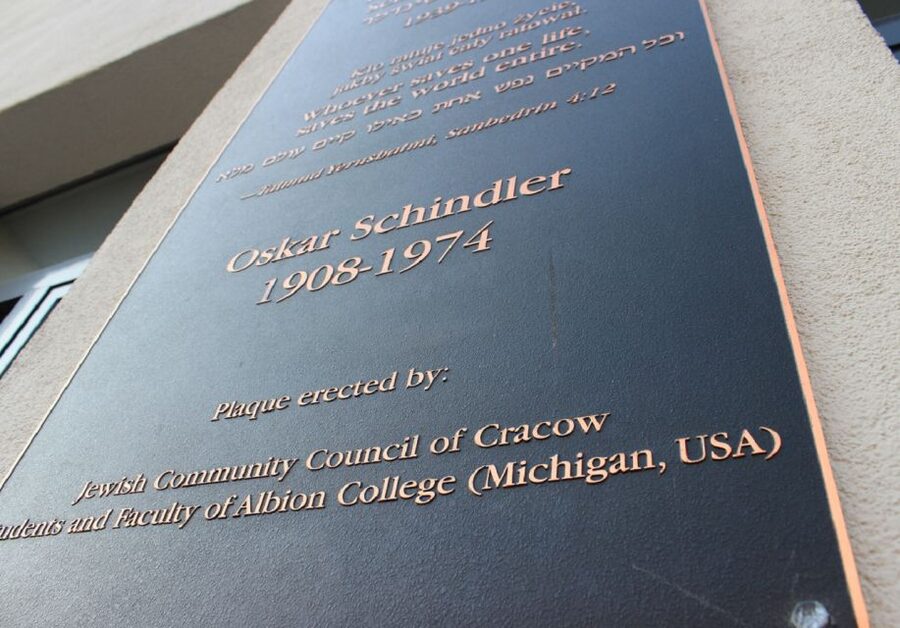
Reviewed · SCHINDLERS FACTORY TOURS
Krakow: Oskar Schindler’s Factory Entry and Guided Tour
Krakow’s wartime story becomes personal inside Oskar Schindler’s former enamel factory, where photographs, film, objects, and reconstructed rooms show how Nazi occupation changed daily life. The museum follows Poles, Jewish residents, and German occupiers through the years from 1939 to 1945, rather than focusing only on Schindler himself.
I like the short guided format and the preserved office, which gives the visit a clear anchor. I also like the mix of documentary evidence and theatrical displays, including a tram film and the striking Survivor’s Ark made from enamel pots. The main caution is crowding: narrow exhibition paths can make it hard to see or hear when a group is too large.
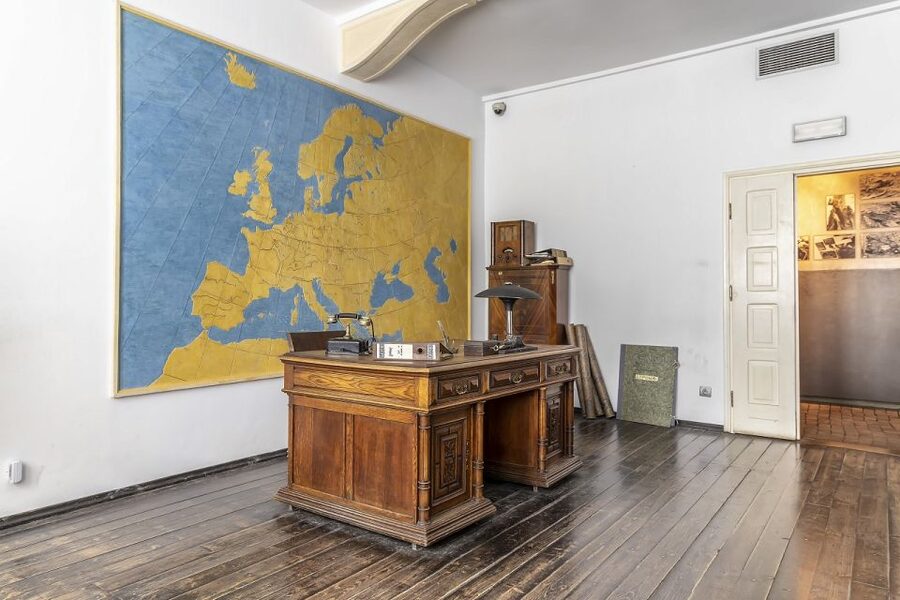
- Schindler’s preserved office gives the museum a direct link to the factory’s wartime role.
- A reconstructed Krakow tram presents documentary footage about ordinary city life during the occupation.
- The Survivor’s Ark uses thousands of enamel pots as a powerful symbol of the factory.
- The Hall of Choices presents the moral decisions people faced during the war.
- Skip-the-line entry saves time at one of Krakow’s most visited museums.
- Six guide languages make the tour available in English, French, German, Italian, Spanish, and Polish.
Why This Museum Matters Beyond Schindler’s List
Oskar Schindler’s Factory is famous because of Steven Spielberg’s film Schindler’s List. That connection draws many people here, but the museum offers a much wider account of Krakow during the Nazi occupation.
The permanent exhibition looks at the city between 1939 and 1945. You see how the occupation disrupted Krakow’s long relationship between Polish and Jewish communities, and how German rule brought forced decisions, persecution, violence, and loss.
That wider focus is important. You are not simply walking into a movie location or a preserved industrial building. You are entering a historical museum that uses Schindler’s factory as a starting point for understanding an entire city.
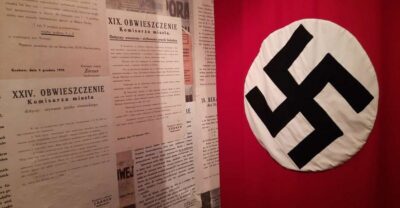
The story includes Polish residents, Jewish residents, and Nazi occupiers. It also gives attention to ordinary routines, public life, homes, streets, propaganda, and wartime choices. This makes the visit more useful for anyone who wants context before or after visiting Krakow’s Jewish district, the former ghetto area, or the Plazow camp site.
The museum’s approach is emotional, but it is not built only around dramatic scenes. Documentary photographs, eyewitness accounts, films, and objects keep bringing you back to evidence. I find that balance helpful, particularly when a museum deals with a subject that could easily become too polished or too cinematic.
Meeting Your Guide at Lipowa 4
The tour begins at Lipowa 4, at the main entrance of the museum. You should wait outside for a guide holding an excursions.city sign.
This is a simple meeting point, but the building and surrounding area can be busy. Give yourself enough time to reach Lipowa 4 without rushing. The tour ends at the same location, so you do not need to arrange transport between the start and finish.
Your entrance fee and professional guide are included in the $45 price. The guided visit lasts 1.5 hours. That is long enough to give the exhibition a clear structure, but it is not an open-ended museum visit.
The skip-the-line arrangement matters here. You spend less time dealing with ticket queues and more time inside the exhibition. Do not confuse skip-the-line entry with a private visit, though. The guide leads a group through the museum, and the pace is set by the tour.
The available languages are English, French, German, Italian, Spanish, and Polish. If you book in French, the guide can explain the displays in that language. One practical point is worth keeping in mind: a larger group can spread out in the narrow exhibition areas, making it harder to hear or see every explanation.
More Schindlers Factory Tours in Krakow:
- Krakow: Oskar Schindler’s Factory Entry Ticket & Guided Tour
★ 4.2 · 3,793 reviews - Krakow: Schindler’s Factory Tour with Entrance Ticket
★ 4.5 · 3,182 reviews - Krakow: Schindler’s Factory Skip-the-Line Ticket
★ 4.4 · 3,105 reviews
The Former Enamel Factory and Schindler’s Office
The first major part of the visit places you inside the former enamel factory. This setting gives the museum a physical connection to the events being discussed.
You also enter Schindler’s preserved office in the factory’s administrative building. It is one of the clearest points of connection to the man made famous by the film. The room helps you understand that this was a real workplace within a functioning factory, not simply a film set preserved for visitors.
The office is not the whole story, and it should not be. The museum uses it as one stop within a larger account of wartime Krakow. You will move from this personal connection to displays about city life, occupation, Jewish persecution, and the choices made by people caught in an increasingly violent system.
For fans of Schindler’s List, this part will likely carry extra weight. For anyone who has not seen the film, the visit still works because the exhibition provides its own explanation through images, objects, accounts, and films.
A City Recreated Through Streets, Rooms, and Film
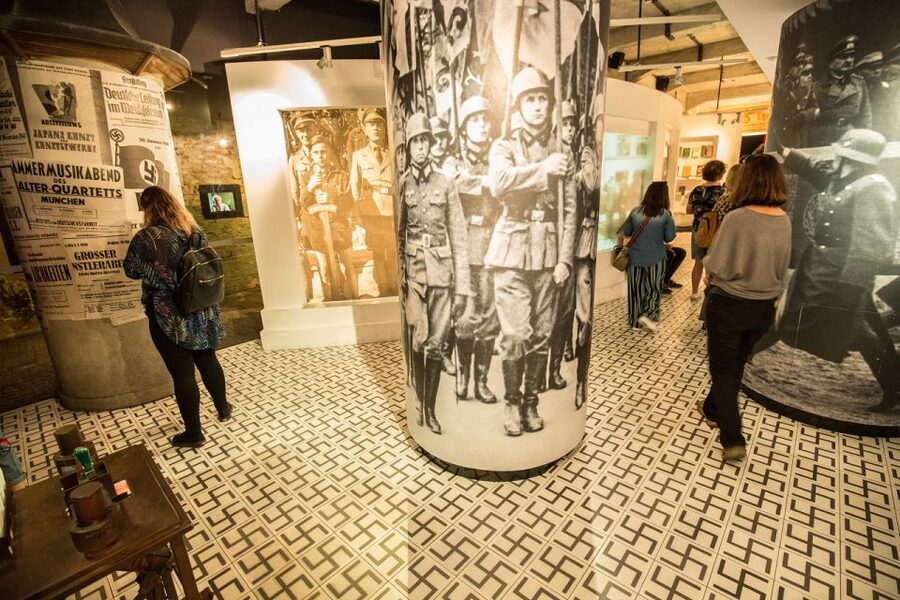
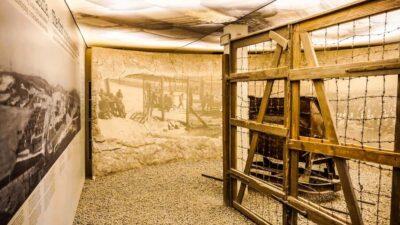
One of the museum’s strongest features is the way it recreates Krakow’s historical city space. Instead of placing every object in a standard glass case, the exhibition uses rooms and settings to give the story a physical shape.
You walk through a theatrical recreation of the city. You also board a tram and watch a documentary about everyday life in Krakow. This brings attention to the city beyond the factory walls. The tram is especially useful because it shifts your attention from individual figures to the broader experience of living under occupation.
The presentation can make the history easier to follow, particularly if you do not know Krakow well. You are given a sense of place, movement, and daily routine. At the same time, the staged rooms may feel less quiet and contemplative than a traditional museum gallery.
That is where the guide helps. The guide can explain why a particular room, photograph, or film matters instead of leaving you to decode the exhibition alone. A good tour turns the museum’s many forms of presentation into one connected story.
Still, pay attention to where you stand. In a crowded group, the person nearest a display may have a much better view than someone at the back. Narrow walkways also mean you may need to move with the group rather than stop wherever you like.
Jewish Life and the Disruption of Krakow’s Community
The museum gives attention to both Polish and Jewish life in Krakow before and during the occupation. This is one of its most valuable features because it places wartime persecution within the history of an established community.
You visit a typical Jewish apartment, a modest reconstruction that helps you think about private life rather than only public events. The apartment is not just a decorative period room. It gives the exhibition a human scale, showing that the people affected by occupation had homes, routines, families, and personal belongings before those lives were torn apart.
The museum also uses eyewitness accounts and documentary photographs. These materials keep the focus on individual experience while showing the wider effects of Nazi rule.
You should expect serious subject matter. The exhibition deals with the violent disruption of Krakow’s Polish-Jewish relations, the persecution of Jewish residents, and the actions of Nazi occupiers. This is not a light stop between cafes and castles, and younger children may find some sections difficult.
The guided format helps you decide how to take in the material. A guide can provide context and point out details that might otherwise pass quickly. But the 1.5-hour schedule means you should not expect to study every photograph or read every panel at length.
A few more Krakow trips to weigh up
- From Krakow: Auschwitz-Birkenau Guided Tour & Hotel Pickup
★ 4.5 · 33,358 reviews - From Krakow: Auschwitz-Birkenau Guided Tour & Hotel Pickup
★ 4.5 · 29,340 reviews - Krakow: Auschwitz Guided Tour with Optional Hotel Pickup
★ 4.5 · 15,280 reviews - Krakow: Auschwitz-Birkenau Guided Tour with Pickup & Lunch
★ 4.5 · 9,800 reviews
The Survivor’s Ark and Enamel Pots
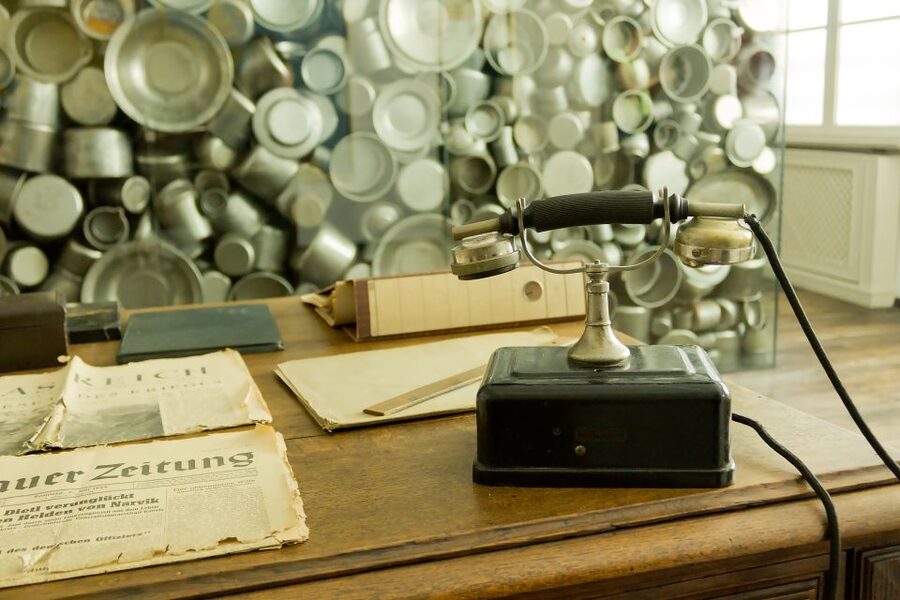
The Survivor’s Ark is one of the most memorable objects in the museum. It is made from thousands of enamel pots, similar to those produced in the factory.
The installation connects the factory’s industrial purpose with the human story told throughout the museum. Pots are ordinary household objects, yet here they become part of a large symbolic structure. That contrast makes the display easy to remember without needing a long explanation.
It also gives Schindler’s Factory a physical identity. You are not only looking at documents about the war. You are seeing objects linked to the work done in the building, then encountering those objects in a form that points toward survival and loss.
The installation is a good example of the museum’s general style. It combines authentic material, reconstruction, film, and symbolism. Some people prefer a quieter museum built around original objects, while others find these large installations help the story stay clear. I think the best way to approach it is to see the ark as part of the museum’s visual language, not as a stand-alone historical artifact.
Plazow Camp Artifacts and the Hall of Choices
Later sections bring you to artifacts from the Plazow camp. These objects add a stark reminder that the occupation was not an abstract political event. It shaped where people could live, how they were treated, and whether they could survive.
The displays connected with Plazow may be especially meaningful if you plan to visit the former camp area separately. The museum gives you historical framing before you see the physical site, though this tour itself does not include transport to Plazow.
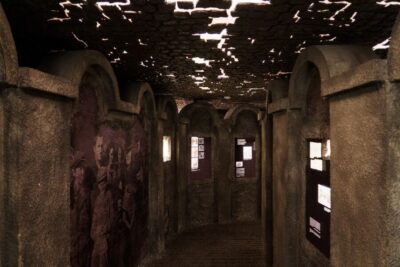
The Hall of Choices is another major part of the visit. This sculptural installation represents the ethical dilemmas faced by people during the war. It asks you to think about choices under pressure, when every available option could carry danger.
This section works best when you allow yourself a little time to consider it. The tour is guided, so you may not be able to linger as long as you wish. If the group is crowded, stand close enough to the guide to hear the explanation and see the installation clearly.
The museum’s message is not that wartime choices were simple. It shows a world where fear, coercion, survival, courage, and responsibility could overlap. That complexity is one reason the visit offers more than a basic biography of Schindler.
How the 1.5-Hour Guided Format Works
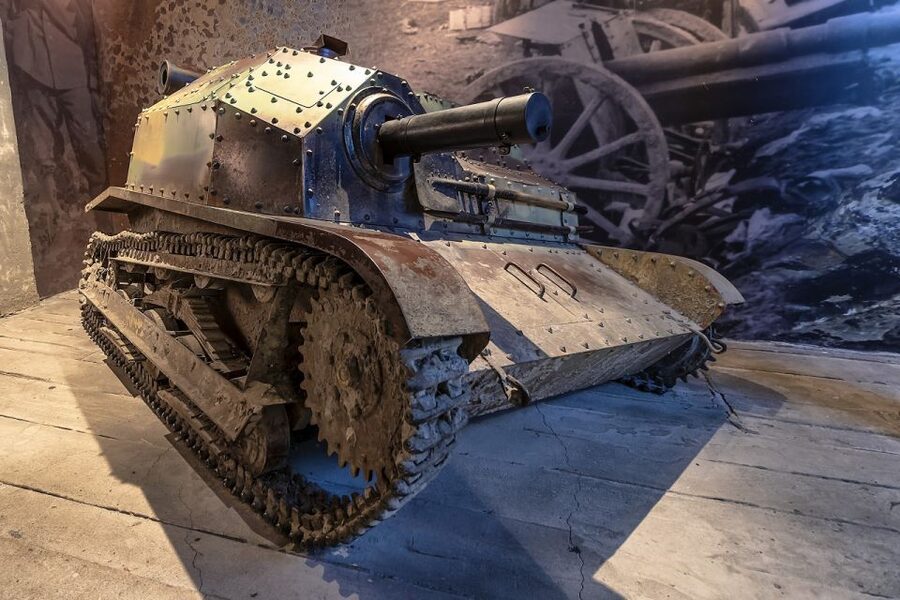
Ninety minutes is a useful length for this museum. The subject is heavy, and a focused visit gives you a clear route through the main displays without asking you to spend half a day indoors.
The guide sets the pace and selects the key sections. You can expect the tour to include Schindler’s office, the city recreation, the tram documentary, the Jewish apartment, the Plazow artifacts, and the Hall of Choices. Documentary photographs, eyewitness accounts, films, and multimedia displays appear along the way.
The advantage is structure. You do not have to work out where to begin or how the exhibition connects its many themes. A guide can also explain details that may be easy to miss when you are moving through staged rooms and multimedia presentations.
The tradeoff is freedom. You may want to stop at every photograph or read each account, but the group continues. One useful approach is to stay near the guide during the explanations, then use any available pause to look around.
A 5-star rating appears most often in the available feedback, and the overall score is 4.7 from 30 ratings. The praise centers on the guides, with one French-language visit described as friendly and well led. The main criticism is not about the content. It concerns group size, narrow passageways, and being too far away to follow the explanation.
That tells you something practical. The guide can add real value, but your position in the group matters. If you have trouble hearing, move toward the front when possible. If you prefer a slow, independent museum visit, the guided schedule may feel tight.
Is $45 a Fair Price?
At $45 per person, this is not the cheapest way to see a Krakow museum. The value depends on how much you want guidance and how much you care about saving time at the entrance.
The fee includes admission and a professional live guide. It also includes skip-the-line access, which can be useful during busy periods. You are paying for a planned route through a complicated exhibition, not just access to the building.
I think the price makes the most sense for a first visit, a short stay in Krakow, or anyone who wants the wartime story explained clearly. It is also a reasonable choice if you are visiting with family or friends who might otherwise miss the connections between the rooms and displays.
The price is harder to justify if you prefer to examine every panel at your own speed. The tour lasts 1.5 hours, and the group may limit how long you can remain at each display. You might want to ask yourself whether the guide’s structure is worth more to you than extra independent museum time.
The reserve-now, pay-later option gives you some planning flexibility. You can cancel up to 24 hours in advance for a full refund. These terms are useful if your Krakow schedule is still changing, but you should check the available starting times before booking.
Who Should Book This Krakow Museum Tour?
This experience suits you if you want a focused introduction to Krakow during World War II. It works particularly well for people interested in Schindler’s List, the history of Krakow’s Jewish community, Nazi occupation, or the daily effects of war on city life.
It is also a good fit if you value a live explanation. The museum uses many forms of presentation, and a guide helps tie them together. The range of languages is a real advantage for international visitors.
You may want a different format if you dislike group tours, need long periods of quiet reflection, or prefer to read every label. The narrow exhibition areas can make a large group feel cramped, and standing at the back may make it harder to follow.
Plan your day with care. The tour begins and ends at Lipowa 4, takes 1.5 hours, and does not include other Krakow sights. You can pair it with nearby historical stops only if you leave enough time between activities.
Should You Book Oskar Schindler’s Factory Tour?
Book it if you want the museum’s main story explained in a clear, efficient route, and if Schindler’s Factory is a priority during your time in Krakow. The preserved office, Survivor’s Ark, tram documentary, Jewish apartment, Plazow artifacts, and Hall of Choices give the visit plenty of substance.
The strongest reason to choose this tour is the guide. The best feedback focuses on the quality and friendliness of the guiding, while the main weakness is crowding in narrow areas. Try to stay near the front of the group so you can hear and see the explanations.
At $45, it is best for a visitor who values time, context, and skip-the-line entry. If you want complete independence, buy time for a separate self-guided visit instead. For most first-time visitors with only 1.5 hours available, this guided format is a practical and moving way to meet Krakow’s wartime past.
FAQ
Where does the tour begin?
The tour begins at the main entrance of the museum at Lipowa 4. Wait for a guide holding an excursions.city sign.
Where does the tour finish?
The activity ends back at the meeting point at Lipowa 4.
How long does the guided tour last?
The guided tour lasts 1.5 hours. Starting times depend on availability.
What languages are available?
Live guiding is available in English, French, German, Italian, Spanish, and Polish.
Is museum admission included?
Yes. The entrance fee and professional guide are included in the $45 per-person price.
Can I cancel the booking?
You can cancel up to 24 hours in advance for a full refund. A reserve-now, pay-later option is also available.
Just added around Krakow
- Tour to Wadowice: Hometown of Pope Saint John Paul II★ 4.6 · 12 reviews
- The Jewish Quarter – Walking Tour★ 5.0 · 4 reviews
- From Kraków; to Białka Thermal Baths private tour★ 5.0 · 5 reviews
- St. Mary’s Basilica and more – a short walk with a guide★ 4.7 · 56 reviews
- Krakow: Auschwitz-Birkenau and Wieliczka Salt Mine Day Trip★ 4.7 · 84 reviews
- Krakow: Skip-the-Line Wawel Castle & Old Town Guided Tour★ 4.9 · 23 reviews
- Shooting Range Experience!★ 4.8 · 66 reviews
- Krakow: Schindler’s Factory Guided Tour★ 4.2 · 12 reviews
Schindlers Factory Tours, compared.
Oskar Schindler’s Factory Entry Ticket & Guided Tour
Read our review →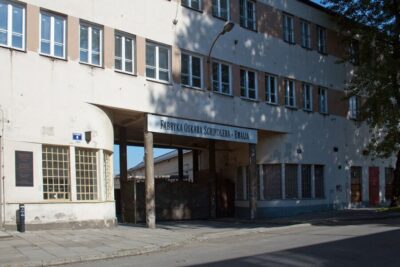
Schindler’s Factory Tour with Entrance Ticket
Read our review →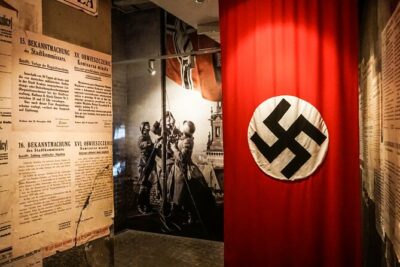
Schindler’s Factory in Krakow: Guided Tour & Skip the Line Ticket
Read our review →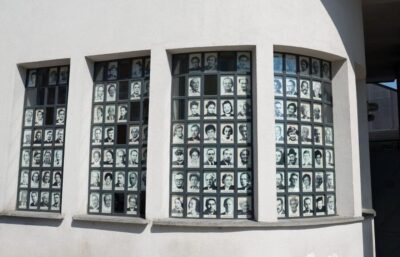
Schindler’s Factory Ticket with Guided Tour Option
Read our review →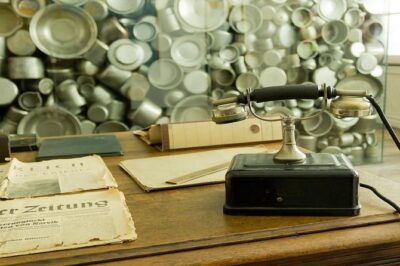
Krakow Schindler’s Factory Guided Tour with Admission Ticket
Read our review →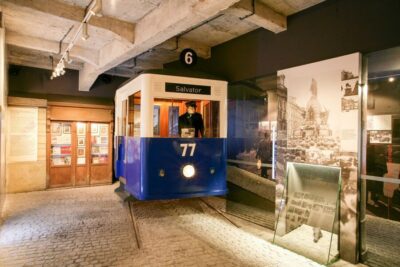
Schindler’s Factory Guided Tour with Entry Ticket
Read our review →Browse the lists this tour appears in