
Reviewed · SCHINDLERS FACTORY TOURS
Krakow: Oskar Schindler’s Factory Guided Tour&Pickup Options
Schindler’s Factory is not simply a museum about one famous German industrialist. The main story is Krakow under Nazi occupation, told through photographs, objects, reconstructed rooms, and the daily fears of people caught in the war. Oskar Schindler matters here, but he is part of a much larger and harder story.
I like two things right away: skip-the-line entry saves precious time at one of Krakow’s most popular museums, and the guide brings order to an exhibition that can feel emotionally heavy. Guide Anna, praised for making the history personal and placing Polish people at the center, is the sort of guide who can turn a display into a human story.
The main consideration is simple: if you expect a full tour devoted to Schindler and his factory, you may feel shortchanged. The factory building is the setting, but much of the 90-minute visit focuses on occupied Krakow, while Schindler himself receives a smaller part of the story.
Key Points to Know Before You Book
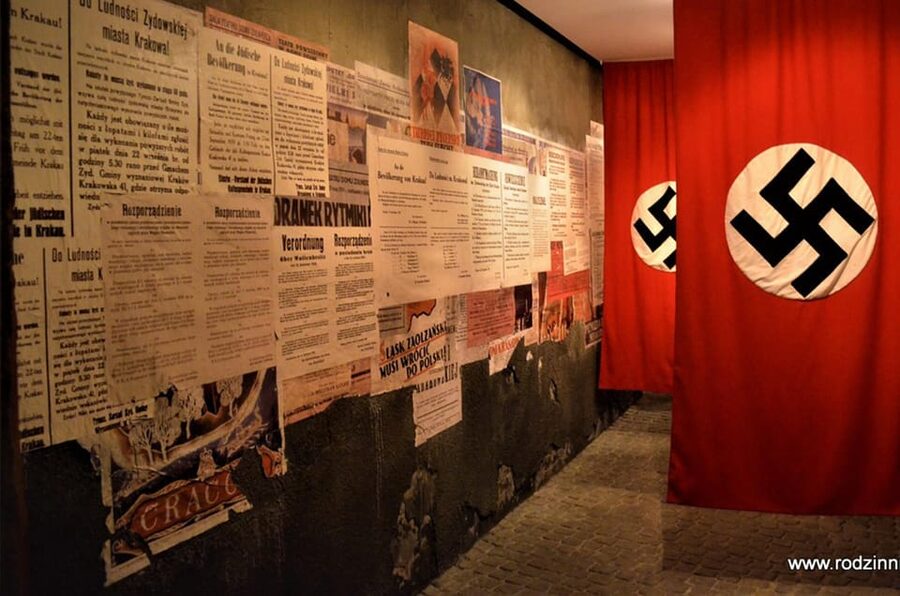
- The factory tells a citywide story: The exhibition covers Jewish and non-Jewish life in Krakow from 1939 to 1945, not just Schindler’s biography.
- You meet at the museum entrance: The stated meeting point is directly in front of Oskar Schindler’s Factory, and no return transfer is included.
- The 90-minute visit is tightly focused: Expect a guided museum experience rather than a long visit to every part of the building.
- A guide adds useful context: Guides lead in English, French, German, Spanish, or Italian, with headsets for groups of 15 or more.
- Bring identification: Personalized museum tickets require the full names of everyone booking and a passport or ID card at entry from January 1, 2026.
- The mood is serious: Narrow, dim rooms and wartime material make this a powerful stop, but not a light or casual museum outing.
Why Schindler’s Factory Is More Than a Schindler Museum
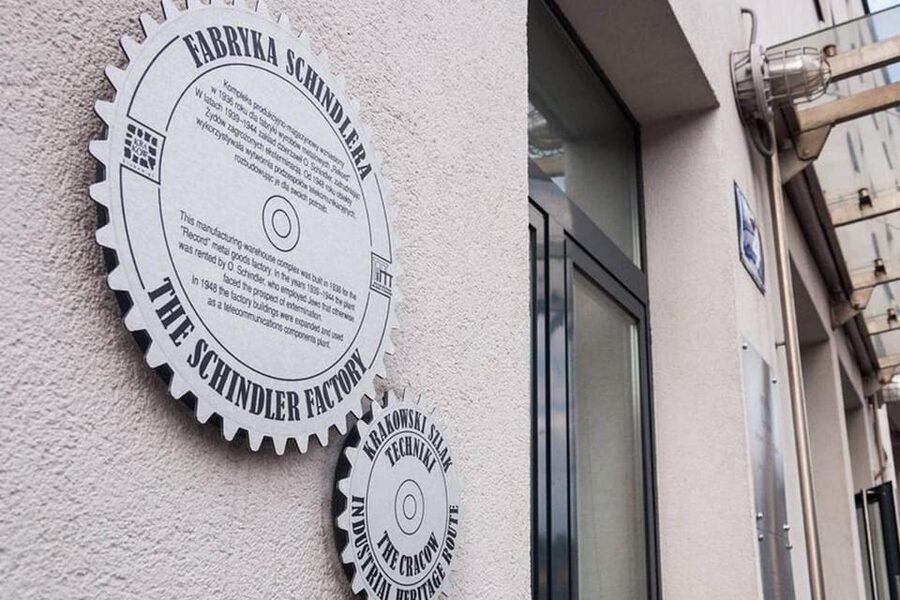
The name can set up the wrong expectation. You may arrive thinking you are about to tour Oskar Schindler’s enamel factory in the traditional sense, seeing production areas and following a detailed account of his business career. Instead, you enter a museum built around the experience of Krakow during Nazi rule.
That distinction matters. Schindler’s story is remarkable because his factory became a refuge for more than a thousand Jewish workers. Yet the exhibition places his actions beside the wider persecution, deportations, and destruction of Krakow’s Jewish community. You see the scale of the crime, then consider what individual courage meant inside it.
I find this approach more useful than a simple hero story. Schindler is neither ignored nor treated as the only person who mattered. The museum also gives attention to the many people whose lives were changed by occupation, including Polish residents and Krakow’s Jewish population.
One guide, Anna, is especially good at making that balance clear. Her use of the timeline helps you follow the invasion and the changes that came afterward, while her presentation keeps the Polish experience in view. That sort of framing can make a major difference, especially if your knowledge of wartime Poland comes mainly from the film Schindler’s List.
More Schindlers Factory Tours in Krakow:
- Krakow: Oskar Schindler’s Factory Entry Ticket & Guided Tour
★ 4.2 · 3,793 reviews - Krakow: Schindler’s Factory Tour with Entrance Ticket
★ 4.5 · 3,182 reviews - Krakow: Schindler’s Factory Skip-the-Line Ticket
★ 4.4 · 3,105 reviews
Meeting at the Factory Entrance
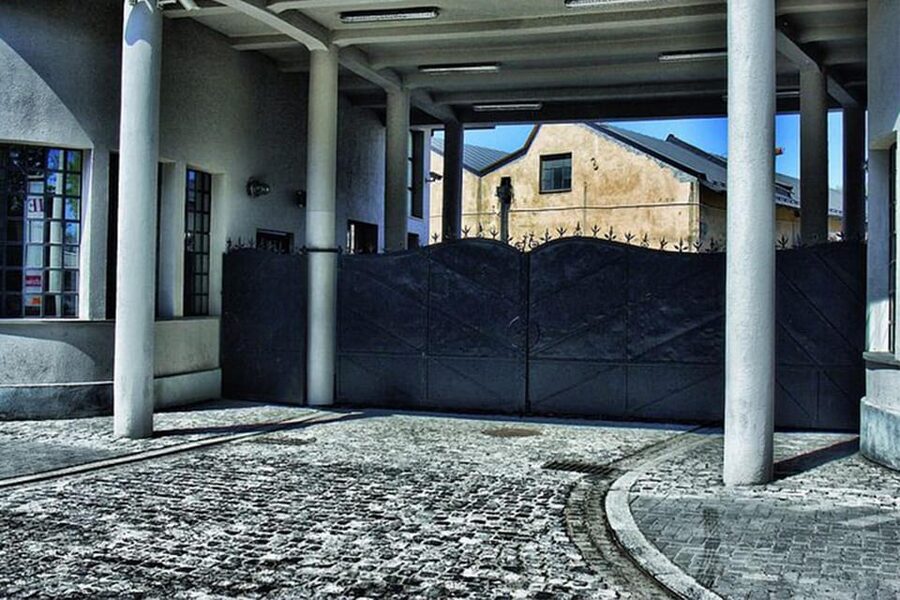
You meet directly in front of the Museum Oskar Schindler’s Factory entrance. That is helpful because the location is clear, and you do not need to begin by finding a separate office or city-center meeting point.
The experience is listed at $55 per person. That is not the cheapest way to enter a museum, so the value depends on what you want from the visit. You are paying for a licensed guide, skip-the-line admission, and a structured 90-minute explanation in your chosen language. If you want to see the museum quickly and understand its historical sequence, the price can make sense.
If you prefer to read every panel at your own pace, the guided format may feel restrictive. The museum’s subject is dense, and 90 minutes gives you a strong introduction rather than unlimited time with each photograph and object.
The title refers to pickup options, but the practical information provided for this experience names the museum entrance as the meeting point. It also states that a return transfer is not included. Plan your own way back after the tour.
The Opening View of Occupied Krakow
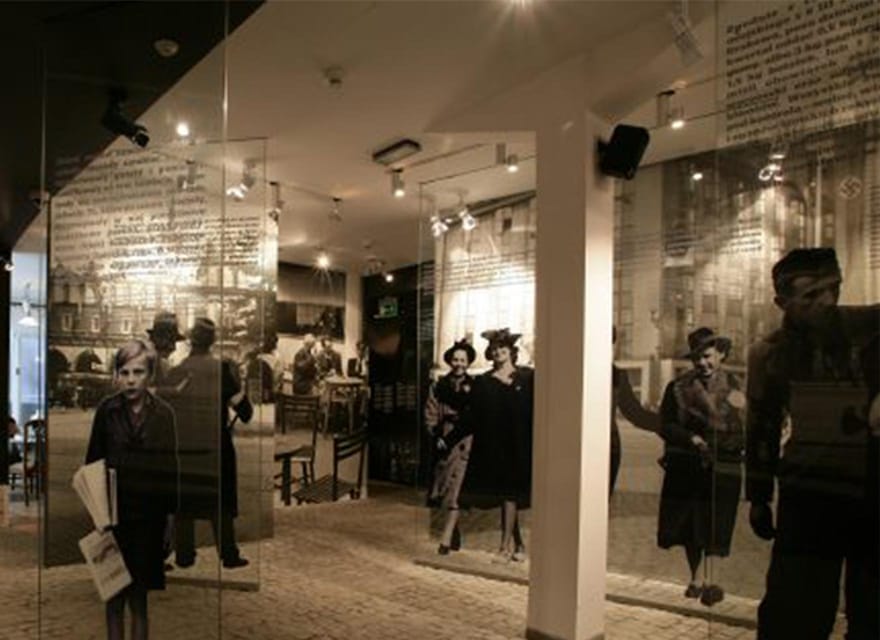
The first major task of the exhibition is to show how the war changed Krakow. You are not dropped straight into Schindler’s personal story. Instead, the guide helps establish the city before and after the German invasion, then traces the new rules, fear, and social divisions imposed by occupation.
A timeline plays an important role. It gives you a sequence to hold onto as the exhibition moves through invasion, persecution, deportations, and the destruction of the Jewish community. Without that framework, the displays could feel like a stack of painful but disconnected scenes.
The guide’s job here is valuable. Dates and official orders tell only part of the story. A live explanation can connect those events to the people who had to live through them. The strongest part of the tour is often this movement between public history and private experience.
You will see material relating to both Jewish and non-Jewish residents. That wider view avoids the mistake of treating occupation as a story that affected only one group, while still making clear that Jewish residents faced systematic persecution and destruction.
Narrow Rooms, Dim Light, and the Feel of Fear
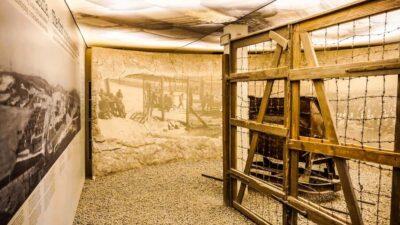
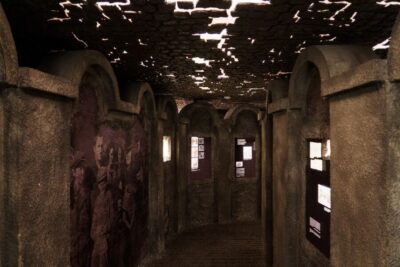
The museum uses its physical design to shape your response. Some rooms are narrow and dimly lit, with reconstructions that suggest the uncertainty and pressure of life under Nazi rule. This is not a bright, open museum where you simply stroll from one object to the next.
The setting can make the history feel close. You move through spaces designed to create a sense of confinement, and the photographs and artifacts take on added force because of the surroundings. I appreciate this when it helps a visitor understand the atmosphere of the period rather than just memorize dates.
Still, the mood is demanding. You should not book this as a casual indoor stop between cheerful attractions. The exhibition deals with persecution, deportation, and the destruction of a community. Some visitors will value the emotional honesty, while others may find the presentation heavy, especially when the tour moves at a set pace.
The guide helps here by giving the material shape. A sensitive guide can prevent the experience from becoming a blur of grim images. The strongest feedback about this tour centers on guides who are both clear and emotionally aware, including one described as excellent, highly capable, and thoughtful in presentation.
A few more Krakow trips to weigh up
- From Krakow: Auschwitz-Birkenau Guided Tour & Hotel Pickup
★ 4.5 · 33,358 reviews - From Krakow: Auschwitz-Birkenau Guided Tour & Hotel Pickup
★ 4.5 · 29,340 reviews - Krakow: Auschwitz Guided Tour with Optional Hotel Pickup
★ 4.5 · 15,280 reviews - Krakow: Auschwitz-Birkenau Guided Tour with Pickup & Lunch
★ 4.5 · 9,800 reviews
Artifacts and Photographs That Put People First
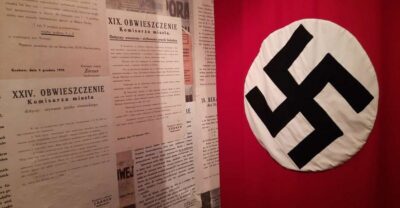
The exhibition includes authentic artifacts, historical photographs, and reconstructed settings. These are not just decoration. They help you move from an abstract account of occupation to evidence of how people lived, worked, obeyed, resisted, and suffered.
Photographs are particularly useful when a guide explains what you are looking at and why it matters. You may take pictures during the visit, but the real value is not collecting images for later. It is learning how the objects fit into the story of the city.
The exhibition also makes room for everyday experience. That can include the contrast between ordinary routines and the growing restrictions placed on residents. The war did not arrive as one single event and then remain unchanged. Rules tightened, communities were separated, and decisions became matters of survival.
This is where the museum earns its place among Krakow’s important history stops. You are not only hearing what happened to Schindler’s workers. You are also being shown how an entire city was forced into a new and brutal order.
Schindler’s Factory and the People He Protected
At the center of the museum’s name is Schindler’s enamel factory and the more than a thousand Jewish workers who found protection there. His role unfolds against the wider story, rather than appearing as an isolated tale of personal heroism.
That context is essential. Schindler’s actions become more meaningful when you understand the danger around his workers, the pressure of deportations, and the destruction taking place beyond the factory. The museum does not reduce the period to one good man against one evil system.
The approach also gives credit to other individuals. That is one of the exhibition’s strongest ideas, and it was singled out as a reason the experience felt more personal and complete. You learn about Schindler, but you are also encouraged to think about the many people who helped, endured, or made difficult choices during the occupation.
If your main goal is a detailed factory tour, ask yourself if this emphasis suits you. Schindler is part of the visit, but the museum is really about the city and its people. That is a strength for anyone seeking historical context, and a possible disappointment for anyone expecting a building-focused tour.
What the 90-Minute Format Gives You
Ninety minutes is long enough for a guided route through the main exhibition without turning the visit into an all-day commitment. That works well if you have a packed Krakow schedule or want to combine this museum with other sights in the district.
The tradeoff is pace. You will have time for the guide’s main explanations, but not necessarily for every label or display. If a photograph catches your attention, you may want to return later, yet this activity is designed as one guided session.
A good guide keeps the visit moving without flattening the subject. The strongest comments about the experience praise clear organization, personal storytelling, and an effective presentation of the invasion. One German-language visitor found the tour so interesting and well organized that the experience felt unforgettable. That enthusiasm fits the structure: the tour has a clear route and a guide who helps you understand what you are seeing.
Headsets are supplied for groups of 15 or more. That detail matters in a crowded museum, where a soft-spoken guide can otherwise be difficult to follow. Smaller groups may not need them, but the size of your group can affect how personal the visit feels.
Language, Access, and Practical Details
Tours are offered in English, French, German, Spanish, and Italian. Choose the language in which you can comfortably follow serious historical explanations, since much of the value comes from the guide’s spoken context rather than the displays alone.
The activity is wheelchair accessible. That makes it a practical choice for visitors who need an accessible museum experience, although the provided information does not give further details about specific routes or facilities.
Free cancellation is available up to 24 hours before the scheduled activity for a full refund. You can also reserve now and pay later, which helps if your Krakow plans are still shifting.
From January 1, 2026, the museum’s personalized tickets bring an important rule. You must provide the full names of all participants when booking and bring a passport or ID card for every person entering, including children. Without those documents, entry may be refused. Pack identification, even if you normally leave your passport in your hotel safe.
The exact start time also needs care. Museum scheduling can cause times to change, so a preferred time is not guaranteed from that date. Check the current availability close to booking and keep a little flexibility in your day.
Who Will Get the Most From This Visit
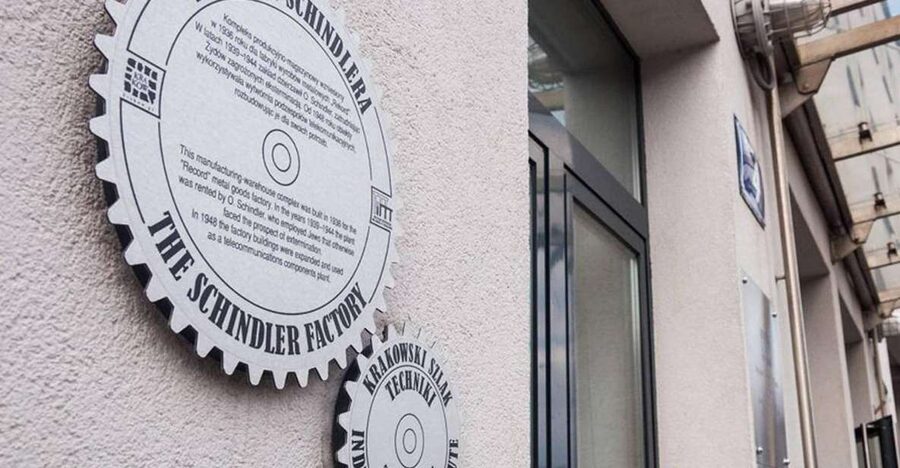
I would choose this tour if you want the museum to explain the wider story of wartime Krakow rather than simply repeat the plot of a famous film. It suits you especially well if you like historical museums but prefer a guide to help connect photographs, dates, and personal accounts.
It is also a good choice for a first visit to Schindler’s Factory. The exhibition contains a lot to absorb, and a guide gives you a route through the material instead of leaving you to work out the timeline alone.
Families with older children may find the visit meaningful, but the subject is serious and the dim rooms can feel intense. The museum is not presented as a light educational attraction, so use your judgment about whether younger children are ready for wartime persecution and death.
You may want to skip the guided option if you already know the history well and want to spend a long time reading independently. You may also prefer a different activity if your main interest is Schindler’s personal biography or the physical operation of an enamel factory.
My Take on the $55 Price
At $55, this is a midrange museum experience rather than a cheap admission ticket. The price buys more than entry: you receive a licensed guide, skip-the-line access, and 90 minutes of interpretation in one of five languages.
The skip-the-line element has real value at a popular museum. You avoid spending part of your Krakow day waiting outside, and the guide gives you a planned route through the exhibition. For many visitors, that combination is worth paying extra for.
The value drops if you want a slow, private visit. The ticket does not include food, drinks, or a return transfer, and the tour is not a full-day Krakow history experience. You are buying focused museum guidance, not transport or a broad city tour.
I would compare the price with your priorities. If you have limited time, want historical explanation, and are comfortable with a serious subject, $55 is reasonable. If you mainly want to see the factory building itself, the cost may feel high because the visit spends much of its time on the city’s wartime history.
Should You Book Schindler’s Factory?
Book it if you want a guided account of occupied Krakow, especially one that balances Schindler’s actions with the experiences of Jewish and non-Jewish residents. The timeline, photographs, artifacts, and carefully staged rooms give the 90-minute visit a clear shape, while a strong guide can make the history personal without losing the larger picture.
Think twice if you expect a traditional factory tour or a long biography of Schindler. Meet at the entrance, bring identification, and remember that you arrange your own return after the visit. For the right visitor, this is one of Krakow’s most serious and worthwhile museum stops, but it asks for attention and emotional readiness.
FAQ
Where does the tour meet?
The meeting point is directly in front of the Museum Oskar Schindler’s Factory entrance.
How long does the guided tour last?
The guided tour lasts 90 minutes.
What museum exhibition will I see?
You will visit the exhibition Krakow under Nazi Occupation 1939 to 1945 at Schindler’s former enamel factory.
Is admission included?
Yes. Skip-the-line admission to Schindler’s Factory is included.
What languages are available?
The live tour guide service is available in English, French, German, Spanish, and Italian.
Do I need to bring identification?
Yes. From January 1, 2026, you must bring a passport or ID card for every participant, including children. You must also provide each participant’s full name when booking.
Is the experience wheelchair accessible?
Yes, the activity is listed as wheelchair accessible.
Is transportation back included?
No. A return transfer is not included, so you need to arrange your own way back after the museum visit.
Just added around Krakow
- Tour to Wadowice: Hometown of Pope Saint John Paul II★ 4.6 · 12 reviews
- The Jewish Quarter – Walking Tour★ 5.0 · 4 reviews
- From Kraków; to Białka Thermal Baths private tour★ 5.0 · 5 reviews
- St. Mary’s Basilica and more – a short walk with a guide★ 4.7 · 56 reviews
- Krakow: Auschwitz-Birkenau and Wieliczka Salt Mine Day Trip★ 4.7 · 84 reviews
- Krakow: Skip-the-Line Wawel Castle & Old Town Guided Tour★ 4.9 · 23 reviews
- Krakow: Schindler’s Factory Guided Tour★ 4.2 · 12 reviews
- Shooting Range Experience!★ 4.8 · 66 reviews
Schindlers Factory Tours, compared.
Oskar Schindler’s Factory Entry Ticket & Guided Tour
Read our review →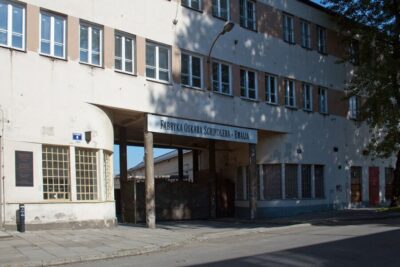
Schindler’s Factory Tour with Entrance Ticket
Read our review →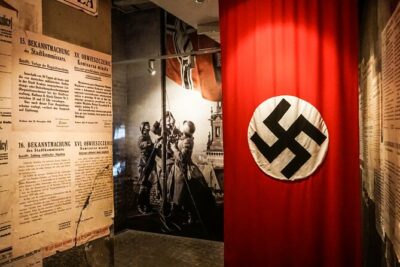
Schindler’s Factory in Krakow: Guided Tour & Skip the Line Ticket
Read our review →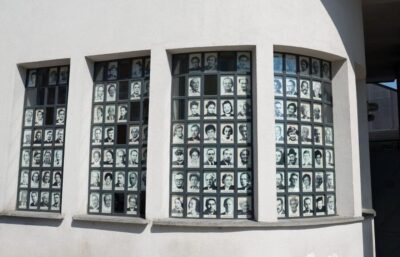
Schindler’s Factory Ticket with Guided Tour Option
Read our review →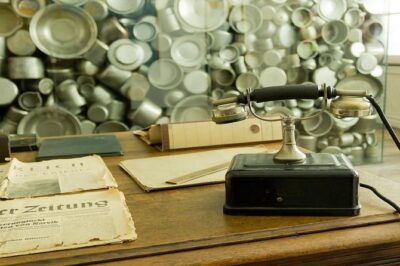
Krakow Schindler’s Factory Guided Tour with Admission Ticket
Read our review →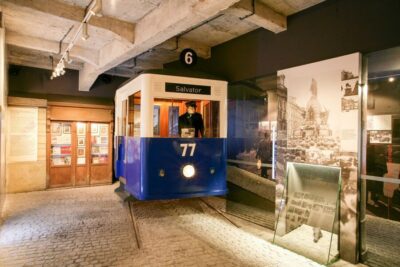
Schindler’s Factory Guided Tour with Entry Ticket
Read our review →Browse the lists this tour appears in