
Reviewed · WALKING TOURS
Krakow: Plaszow Concentration Camp Walking Tour
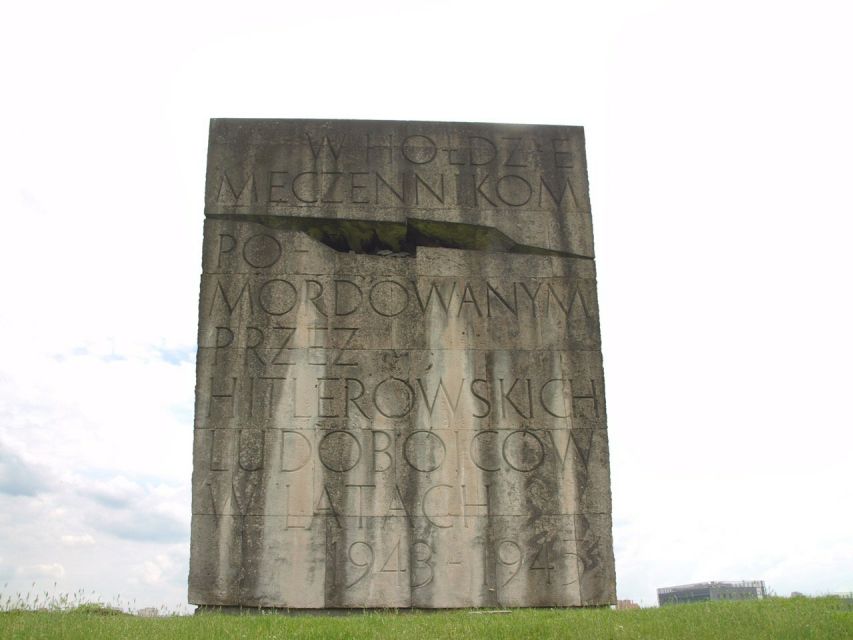
Plaszow is not a preserved camp with rows of barracks and museum displays. It is an open former camp site where much of the story lives in the ground, the memorials, and the guide’s explanation. This two-hour walking tour helps you understand what you are looking at, from the forced-labor camp opened in 1940 to the concentration camp it became in 1941.
I like the way the tour links the site to the deportation of Jews from the Krakow ghetto and to the quarries and factories where prisoners worked. I also like the nearby Liban Quarry replica, built under Steven Spielberg’s direction for Schindler’s List, because it shows how the film recreated parts of the camp. The main drawback is simple: it is all outdoors, and little remains of the former camp, so poor weather or a guide who cannot point out the hidden details can limit the visit.
Key points to know before booking
- The site needs explanation: Much of Plaszow is no longer visibly intact, so a guide is especially useful here.
- The tour covers several layers of history: You learn about forced labor, the concentration camp, the Krakow ghetto deportations, quarry work, and military factories.
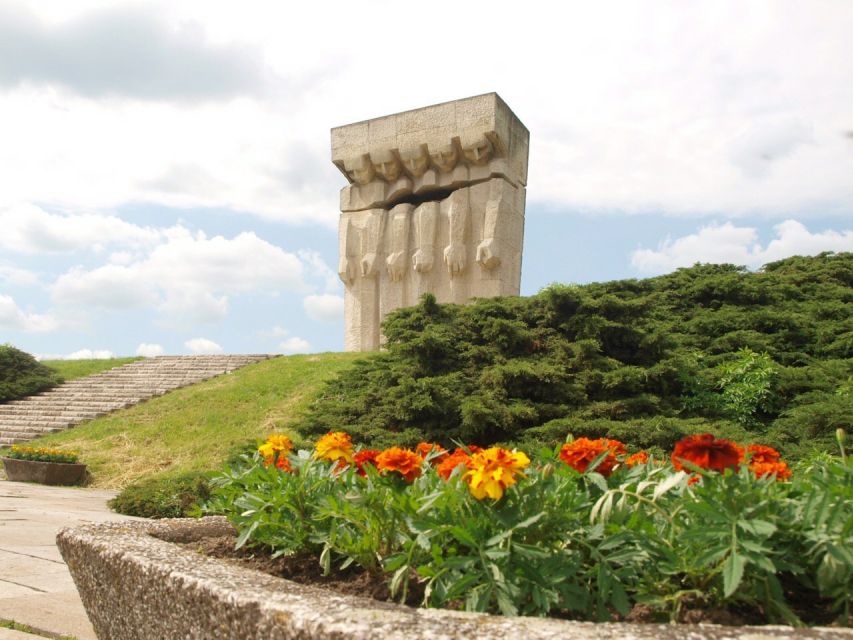
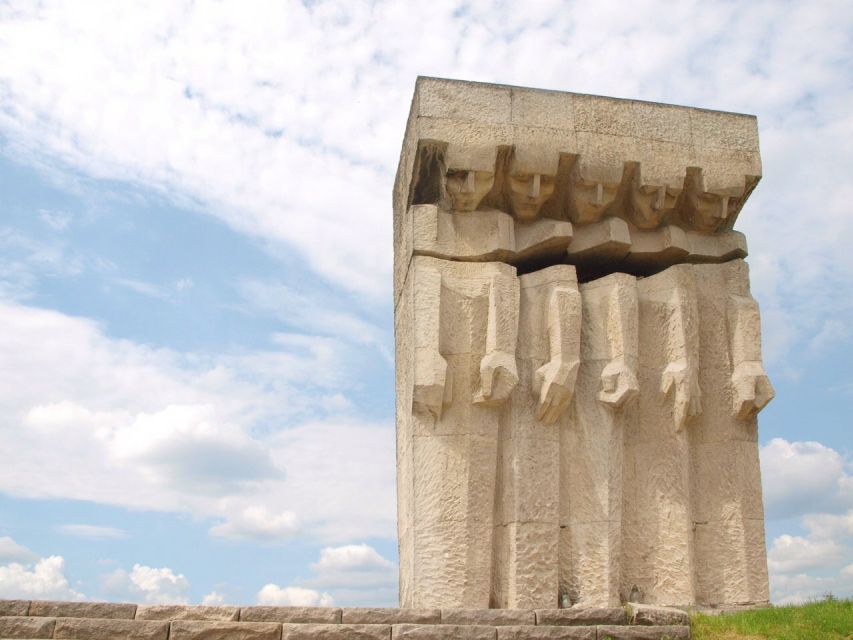
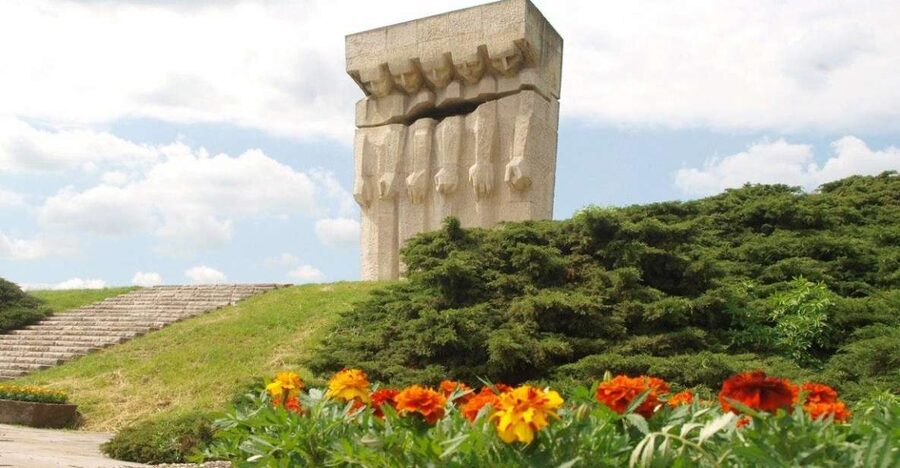
- Memorials give the walk its focus: Stops at the memorials provide time to remember the victims and reflect.
- Schindler’s List is part of the story, not the whole story: The tour discusses Oskar Schindler and visits the Liban Quarry filming replica.
- It lasts about two hours: That is enough time for a serious introduction without taking up a full day.
- The price is modest: At $23 per person, the guide adds real value at a place where the physical remains can be hard to read on your own.
Why Plaszow is different from a preserved camp museum
Krakow-Plaszow opened in 1940 as a forced-labor camp. In 1941, the Nazis converted it into a concentration camp. From 1942 onward, the site became closely tied to the deportation of Jews from the Krakow ghetto and to the wider system of Nazi persecution in the area.
That basic timeline matters because Plaszow is not only a place connected with one film or one famous name. It was part of the machinery of forced labor, imprisonment, deportation, and murder. A guide can place each part of the site within that sequence instead of leaving you with a collection of disconnected monuments.
I find Plaszow more demanding than a museum visit because the evidence is less obvious. You do not simply move from one indoor display to the next. You walk outside, listen, and try to connect the present-day site with its wartime use. The guide’s role is central. One person who visited without a guide could easily have felt lost because so little of the former camp remains in an immediately readable form.
That is also why I would not treat this as a casual stroll. The setting may look quiet, but the subject is grim. Give yourself time to listen and remember rather than trying to rush through for photographs.
A few more Krakow trips to weigh up
- Old Town Krakow & Wawel Castle Walking Tour
★ 5.0 · 1,508 reviews - Creepy Krakow: 2-Hour City Walking Tour
★ 4.7 · 1,131 reviews - Krakow: The Old Town Walking Tour
★ 4.8 · 794 reviews
The opening camp and the Nazi occupation of Krakow
Early in the walk, your guide sets out how the camp began and how its role changed. Plaszow first operated as a forced-labor camp in 1940, then became a concentration camp in 1941. This shift shows how Nazi control tightened over time, turning labor exploitation into a wider system of imprisonment and terror.
You also learn about the impact of Nazi rule on Krakow and the deportation of Jews from the Krakow ghetto, beginning in 1942. That local connection is one of the tour’s strongest features. It keeps the story tied to streets, neighborhoods, and people in Krakow rather than treating the camp as an isolated site outside the city.
I like this part because it gives you a framework for everything that follows. Without it, the memorials, quarry, and open ground can seem separate. With it, you begin to see Plaszow as one part of a much larger process that affected the city and its Jewish population.
The guide may draw attention to how the camp served several purposes at once. Prisoners were forced to work, the site was controlled as a concentration camp, and the camp was linked to deportations and Nazi administration. The result is a more grounded understanding of what daily life could mean under the camp system: labor, fear, confinement, and constant uncertainty.
Memorials that ask for quiet attention
The tour stops at several memorials dedicated to the victims. These are not quick photo stops. They are the places where the historical account becomes personal, giving you a chance to pause and pay your respects.
I appreciate that the route includes time for reflection. A two-hour tour can easily become a stream of dates and names, but memorials slow the pace. You are encouraged to think about the people affected rather than only the structure of the camp or the film made there decades later.
Because the former camp is not preserved like a complete museum complex, the memorials also help anchor the visit. They tell you where to focus your attention and remind you that this is a place of remembrance, not simply a film location or an unusual Krakow outing.
The tone will depend partly on the guide. Anna is described as able to connect the camp with other events, which is useful when you want the local story explained in a wider setting. Barbara is also noted for creating a kind and respectful private visit, with time to take in the former camp and pay respects. Those names are not a promise about who will lead your tour, but they give you an idea of the thoughtful guiding this activity aims for.
The quarry and the labor behind the camp
One of the clearest parts of the route concerns the intensive work carried out at the quarry. The tour explains how prisoners were used for forced labor there and how the quarry fitted into the camp’s operation.
You also hear about the military factories connected with Plaszow. These details make the camp’s economic purpose easier to grasp. Prisoners were not held only as an abstract punishment. Their labor was exploited in demanding work and in industries linked to the Nazi war effort.
The quarry is especially important because it helps you picture the physical demands placed on prisoners. The site itself may not offer a neatly labeled exhibit for every part of that story, so listen closely as the guide explains what happened in each area. This is where a licensed guide adds the most value for your $23.
Phil, one of the guides named in the feedback, is described as friendly and clear while covering a lot of information. That balance matters here. You need enough detail to understand the camp, but you also need a guide who can keep the explanation human and easy to follow.
Same country, a completely different kind of day:
- From Krakow: Auschwitz-Birkenau Guided Tour & Hotel Pickup
★ 4.5 · 33,358 reviews - From Krakow: Auschwitz-Birkenau Guided Tour & Hotel Pickup
★ 4.5 · 29,340 reviews - Krakow: Auschwitz Guided Tour with Optional Hotel Pickup
★ 4.5 · 15,280 reviews - Krakow–Zakopane: Cable Car, Chocholow Baths, Cheese & Vodka
★ 5.0 · 10,720 reviews
Oskar Schindler and the film connection
The story of Oskar Schindler is part of the tour, but it should not replace the wider history of Plaszow. You learn about Schindler’s life and how the camp appeared in Steven Spielberg’s 1993 film, Schindler’s List.
For many people, the film is the reason Plaszow first catches their attention. That is perfectly reasonable. The movie created a strong public link between Krakow, Schindler, and the camp. The useful thing about this tour is that it puts the film connection alongside the history of the actual camp, rather than presenting Plaszow as a movie set alone.
The guide discusses how the camp was portrayed on screen and then takes you to the nearby Liban Quarry, about a hundred meters away. Spielberg’s team built a replica of the camp there for the film. Seeing this replica area helps you separate cinematic reconstruction from the real site.
That distinction is important. The replica was built for storytelling, while the actual Plaszow site is a place of remembrance. I would listen for those differences and avoid assuming that every scene in the film was shot at the exact spot where the original events took place.
The film portion will suit you if you want to understand how Schindler’s List used Krakow locations. If you have already visited Schindler-related places in the city, this walk adds another piece to that picture. If you have not seen the film, you can still follow the tour because the historical account does not depend on knowing every scene.
What the two-hour walking route feels like
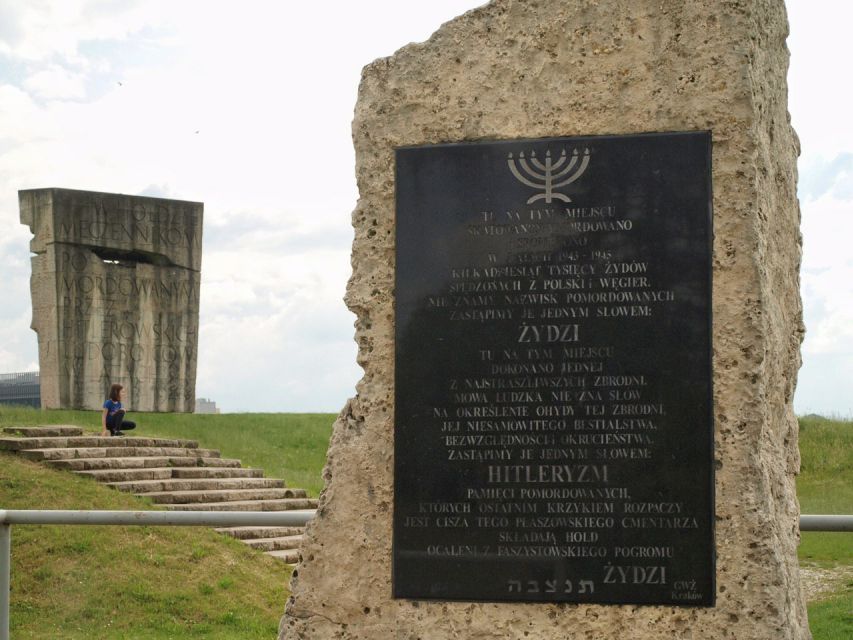
The activity lasts about two hours and begins at the stated meeting point, where you look for the guide carrying an excursions.city sign. It ends back at that meeting point, which makes the outing easy to fit into a day of sightseeing.
The route takes place outdoors. You move among the former camp area, the memorials, the quarry and factory-related sections, and the nearby film replica. Since the site is open to the weather, wear sensible shoes and check the forecast before setting out. The supplied information confirms that no tram ticket is included, so you need to handle that transport cost separately if your route requires a tram.
The walking pace should allow time for explanation and pauses, rather than being a fast march between attractions. Still, this is a serious site visit, not a relaxed city walk. You may spend much of the time standing while the guide explains an area, so dress for conditions that could change.
Some groups are small, which makes it easier to hear and ask questions. A private option may also be available, as Barbara led one private visit described in the supplied material. Since the exact group size is not guaranteed, check the booking details if personal attention is important to you.
The activity is listed as wheelchair accessible. You should still consider that the visit is outdoors and takes place across a former camp site, so ask the operator about the precise route and surface conditions if you have specific mobility needs.
How the guides shape the visit
At Plaszow, the guide is not a minor extra. The physical site does not explain itself. A licensed guide supplies the missing structure, points out the different sections, and connects the visible ground with events that are no longer easy to see.
The named guides include Krzysztof, Phil, Anna, and Barbara. Krzysztof is praised for being warm and effective, while Phil is described as informative, friendly, and good company. Anna is noted for placing the camp in relation to other events, and Barbara for her kindness and strong command of the subject during a private visit.
You may not receive one of these particular guides, so treat the names as examples rather than a booking guarantee. The consistent qualities to seek are clear delivery, respect for the subject, and an ability to explain what is no longer visible.
I would also ask questions during the walk if something is unclear. Plaszow rewards curiosity because the site has fewer obvious remains than a preserved camp. A good guide should help you understand why a certain area matters and how it connects to the camp’s operation.
Is $23 a fair price?
At $23 per person, I consider this good value if you want to understand Plaszow rather than simply pass through it. The fee covers the licensed guide, and that service is the main reason to book. You are not paying for a large museum collection or a long list of included extras.
The value comes from interpretation. A guide can explain the camp’s changing role, identify the quarry and factory areas, describe the deportations from the Krakow ghetto, and separate the real site from the Schindler’s List replica. Without that help, you might see memorials and open ground but miss the connections that give them meaning.
The price looks even more reasonable if you are already planning a visit to Auschwitz. One person specifically regarded Plaszow as worthwhile as an additional experience to Auschwitz. The two sites are not interchangeable, and this tour does not replace Auschwitz, but it gives you a Krakow-based view of Nazi persecution and the city’s Jewish history.
You should not book it expecting a full-day museum experience. The tour is only two hours, and the remains are limited. That keeps the cost and time commitment manageable, but it also means the quality of the explanation matters more than the number of physical sights.
Who should book this Plaszow walk?
I would choose this tour if you want to connect Krakow’s wartime history with places in and around the city. It suits you especially well if you have seen Schindler’s List, plan to visit Schindler-related sites, or want to understand why Plaszow matters beyond its appearance in a film.
It is also a good choice if you prefer a guided visit to reading a map and trying to interpret open ground by yourself. The guide makes the difference between a solemn but vague walk and a visit with a clear historical sequence.
Families with older children may find the two-hour length manageable, but the subject is difficult. You should decide based on the age and maturity of your group. The tour is also suitable for visitors who want a focused outing rather than a long day at a major museum.
I would be more cautious if you dislike outdoor tours, have no tolerance for uncertain weather, or want to see intact buildings and indoor exhibits. Plaszow offers memorials, site interpretation, and a nearby film replica, but not a fully preserved camp complex.
The tour is offered with live guides in English, German, French, Russian, Italian, and Spanish. Pick the language in which you can comfortably follow serious historical detail. A clear explanation matters more here than a fast itinerary.
Should you book the Krakow-Plaszow tour?
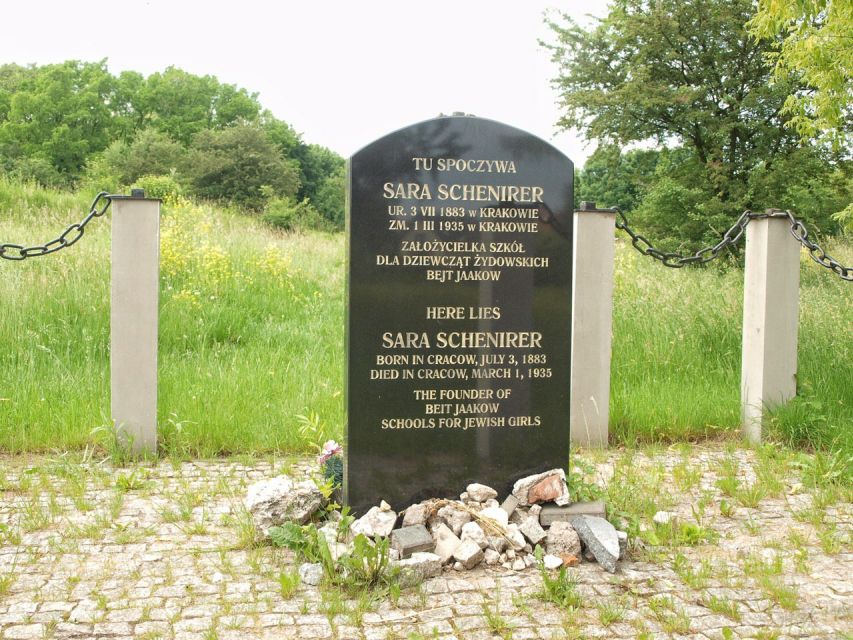
Book it if you want the former camp explained properly and can give two outdoor hours to a quiet place of remembrance. The licensed guide is the main value, especially because little of the original camp remains easy to identify.
I would pair it with, rather than substitute it for, a visit to Auschwitz if that is part of your Krakow plans. Choose Plaszow for its local Krakow connections, memorials, quarry and factory history, and Schindler’s List link. Skip it only if you need a polished indoor museum or cannot manage an outdoor walking visit.
At $23, with free cancellation up to 24 hours before the start and the option to reserve now and pay later, it is a relatively low-risk way to add an important historical site to your Krakow schedule. Just check the weather, allow for any tram ticket, and arrive ready for a serious visit rather than a sightseeing stop.
FAQ
How long does the Krakow-Plaszow walking tour last?
The tour lasts two hours. Check availability for the starting times offered on your chosen date.
What is included in the tour price?
A licensed live guide is included. The price is listed as $23 per person.
Is a tram ticket included?
No. A tram ticket is not included in the activity price.
Which languages are available?
The live tour is offered in English, German, French, Russian, Italian, and Spanish.
Where does the tour start and finish?
Look for the guide carrying an excursions.city sign at the meeting point. The activity ends back at the same meeting point.
Can I cancel the booking or pay later?
You can cancel up to 24 hours in advance for a full refund. The reserve-now-and-pay-later option lets you hold a place without paying at the time of booking.
Just added around Krakow
- Tour to Wadowice: Hometown of Pope Saint John Paul II★ 4.6 · 12 reviews
- The Jewish Quarter – Walking Tour★ 5.0 · 4 reviews
- From Kraków; to Białka Thermal Baths private tour★ 5.0 · 5 reviews
- St. Mary’s Basilica and more – a short walk with a guide★ 4.7 · 56 reviews
- Krakow: Auschwitz-Birkenau and Wieliczka Salt Mine Day Trip★ 4.7 · 84 reviews
- Krakow: Skip-the-Line Wawel Castle & Old Town Guided Tour★ 4.9 · 23 reviews
- Krakow: Schindler’s Factory Guided Tour★ 4.2 · 12 reviews
- Shooting Range Experience!★ 4.8 · 66 reviews
Walking Tours, compared.
Gdańsk City Sights & History Guided Walking Tour in English
Read our review →
Browse the lists this tour appears in