
Reviewed · SCHINDLERS FACTORY TOURS
Krakow: Schindler’s Factory Guided Tour
Oskar Schindler’s former enamel factory is not mainly a working factory museum. It is a carefully staged account of Krakow under Nazi occupation, told through rooms, photographs, objects, and personal stories. The most affecting part is the way large events become everyday problems: work, hunger, fear, forced movement, and the struggle to protect a family.
I like the personal storytelling, which gives the visit a human scale, and I like the chance to see Schindler’s office and the symbolic Survivor’s Ark. The main drawback is that groups can be large, and the exhibition is more of a guided historical museum than a tour of old enamel-making equipment.
Key points to know before you go
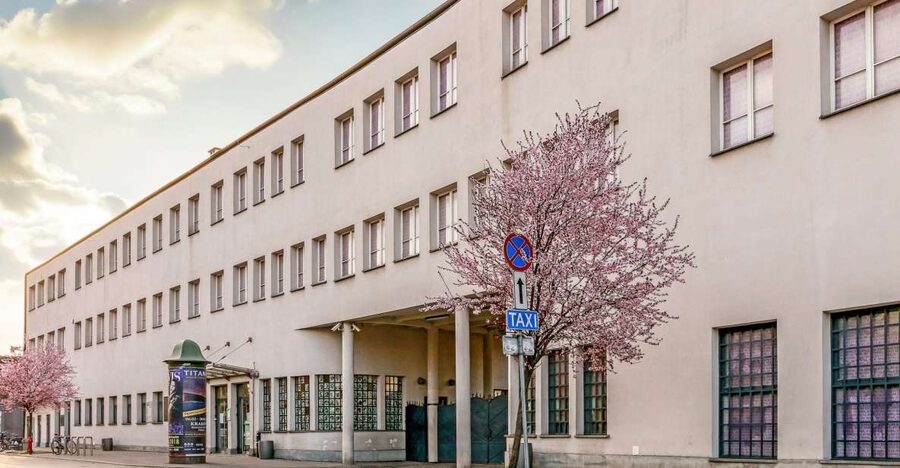
- The former factory now holds a wartime exhibition, not a display focused on how enamel pots were made.
- Your guide connects Nazi rule with ordinary life in Krakow, using personal stories rather than dates alone.
- Schindler’s office and the Survivor’s Ark are among the most memorable parts of the visit.
- The tour lasts 90 minutes to 2 hours, depending on the pace of the group.
- English and Spanish tours are offered, but confirm your chosen language before arrival.
- Bring a physical passport or photo ID for every participant, and leave large luggage at your accommodation.
What this Krakow museum visit is really about
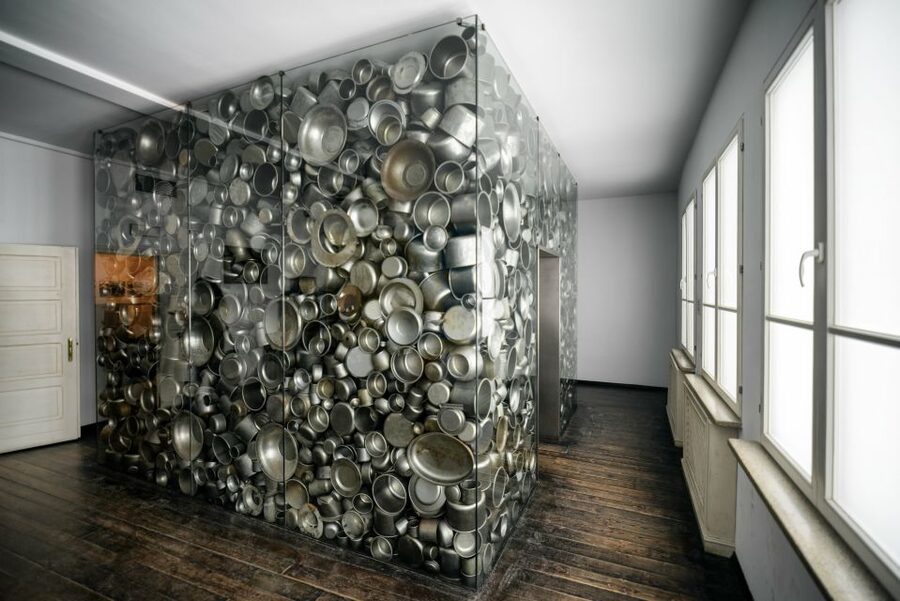
The museum occupies the building of Oskar Schindler’s Deutsche Emailwarenfabrik, established in 1937. After Nazi Germany invaded Poland on September 1, 1939, Schindler arrived in Krakow around September 6, as German troops entered the city.
That timeline matters, but the tour does not treat Schindler as the only subject. His story is a doorway into the wider experience of Krakow during nearly six years of German occupation. You learn how the Nazi system affected Jewish residents, Polish citizens, workers, families, and people trapped by rules they could not control.
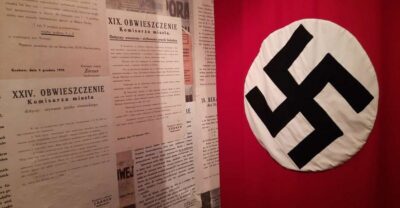
The exhibition links public events with private lives. A decree, a change in employment, or a restriction on movement could alter a person’s whole day. That is where this museum is strongest. Instead of leaving World War II as a distant chapter in a textbook, it shows how political power reached kitchens, workplaces, streets, and homes.
The guided format helps you follow that story. You are not simply sent through rooms with a map and a few labels. A live guide explains what you are seeing and adds personal accounts that give the material more weight.
More Schindlers Factory Tours in Krakow:
- Krakow: Oskar Schindler’s Factory Entry Ticket & Guided Tour
★ 4.2 · 3,793 reviews - Krakow: Schindler’s Factory Tour with Entrance Ticket
★ 4.5 · 3,182 reviews - Krakow: Schindler’s Factory Skip-the-Line Ticket
★ 4.4 · 3,105 reviews
Meeting your guide outside Schindler’s Factory
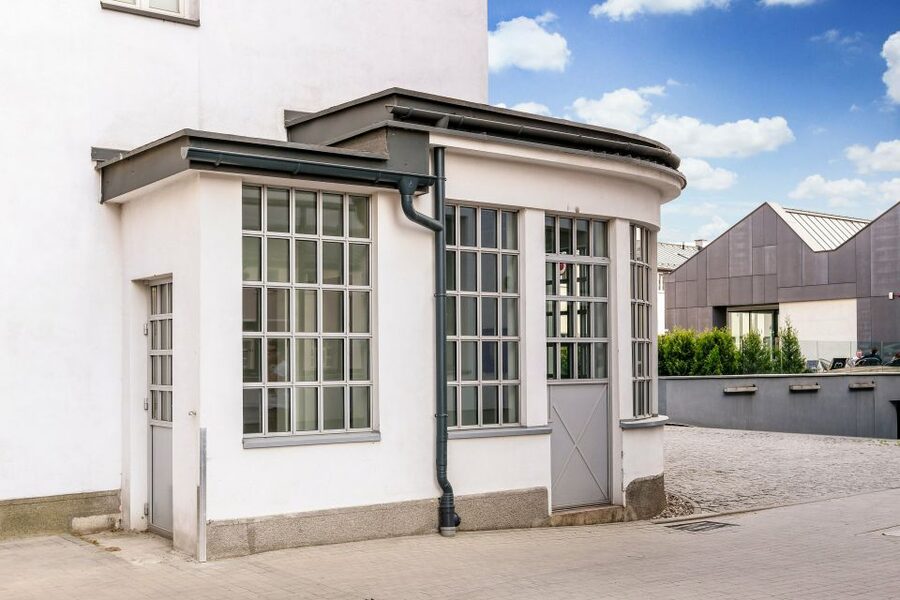
You meet in front of the entrance to the Oskar Schindler’s Enamel Factory museum. Look for a greeter with a GetYourGuide logo on a banner. Arrive with your booking details ready, but pay special attention to the identification rule: every person must carry a physical passport or photo ID.
A phone image of your passport may not be enough. The instructions specifically require a physical document with a photograph, and without it you may not be allowed into the museum. This is one of those small details that can ruin an otherwise carefully planned afternoon, so check your bag before leaving your hotel.
From the meeting point, you enter with the group and begin the museum visit. The skip-the-line ticket is useful because you do not need to sort out the ticket queue on arrival. It does not mean the building will feel private or empty. Groups may be sizeable, and one practical criticism of the tour is that a large group can make it harder to hear or pause in front of displays.
Following Krakow through the occupation
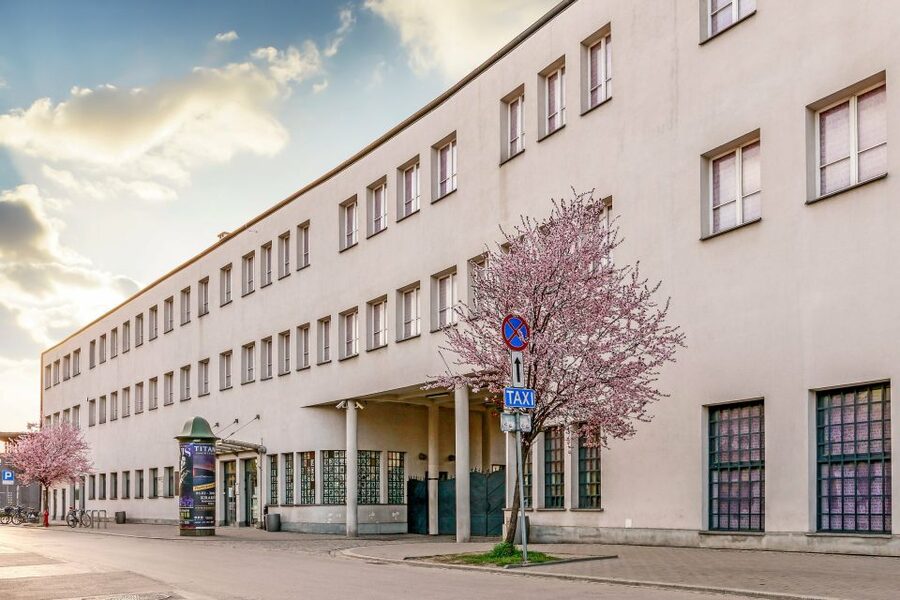
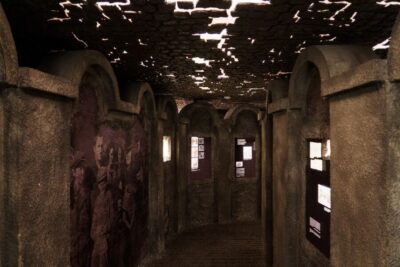
The exhibition is arranged to make you feel the pressure of life in an occupied city. The rooms use reconstructions, images, and historical information to show how Krakow changed under German control.
You might find the presentation more theatrical than a traditional museum. One section can feel like a reconstructed street or interior rather than a plain gallery. This approach helps many people picture the period, especially when the subject matter is unfamiliar. It also means the visit can feel like a carefully directed route rather than a quiet collection of independent displays.
Your guide provides the connection between these settings. Pay attention to the stories of individual residents. They explain the difference between knowing that a city was occupied and understanding how occupation shaped a person’s choices.
The strongest moments come when the tour moves between the city’s wider story and one person’s experience. You may hear about the Nazi regime, then learn how that system affected a worker, a family, or someone trying to survive. That movement between scale and detail keeps the visit from becoming a list of military dates.
The museum’s subject is difficult. It deals with persecution, fear, and loss. The staged rooms can make the material feel immediate, so this is not a light sightseeing stop. Children under 14 are not considered suitable for the experience, and older teenagers and adults will get the most from the serious tone.
Oskar Schindler’s office and the Survivor’s Ark
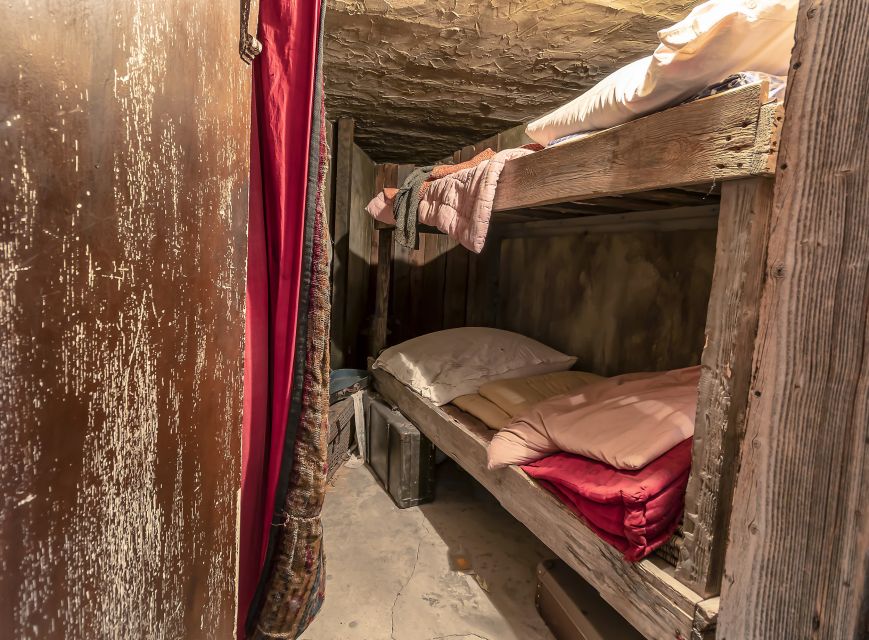
A central part of the visit is Schindler’s personal office. This is where the story becomes tied to the man most people know from the film Schindler’s List.
Schindler, a Sudeten German and member of the Nazi Party, used his factory and connections to help protect more than 1,000 people. His actions were complicated, and the museum places him within the wartime setting rather than presenting a simple hero story detached from the surrounding events.
The office includes the symbolic Survivor’s Ark. It is an important visual marker in the museum, connecting Schindler’s personal story with the people whose lives were saved. Your guide explains this section as part of the wider exhibition, so you get more than a quick look at a famous room.
If you know the film, the visit may correct some assumptions. If you do not know the film, the guide still gives enough context to explain why Schindler’s name matters. Either way, the office works best when you treat it as one part of a larger story, not the entire reason to come.
A particularly moving guide may add knowledge of a survivor connected with Schindler’s story. That kind of personal link can make the history feel close and human. It also shows why guide quality matters so much on this tour. The building and displays provide the setting, but the guide determines how clearly the pieces fit together.
A few more Krakow trips to weigh up
- From Krakow: Auschwitz-Birkenau Guided Tour & Hotel Pickup
★ 4.5 · 33,358 reviews - From Krakow: Auschwitz-Birkenau Guided Tour & Hotel Pickup
★ 4.5 · 29,340 reviews - Krakow: Auschwitz Guided Tour with Optional Hotel Pickup
★ 4.5 · 15,280 reviews - Krakow: Auschwitz-Birkenau Guided Tour with Pickup & Lunch
★ 4.5 · 9,800 reviews
Why the personal stories matter
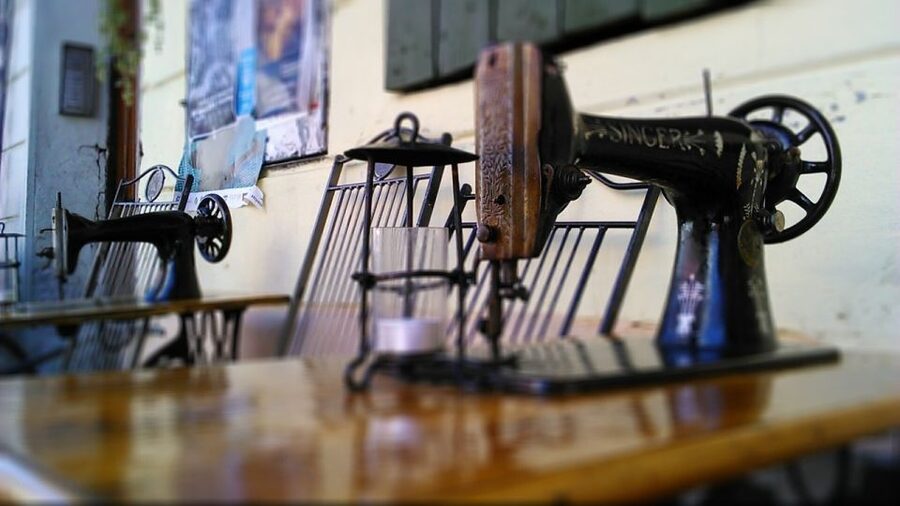
The tour’s most valuable feature is its attention to ordinary residents. World War II history can become a parade of leaders, invasions, and casualty figures. Here, the emphasis falls more often on what people endured day by day.
You learn about the struggles of Krakow’s citizens during the occupation and how personal dramas overlapped with the machinery of the Nazi regime. That phrasing may sound broad, but the value is practical: the guide helps you understand the human cost behind official policies.
This is also why you should not expect a factory demonstration. The main question is not how workers shaped enamel pots. The main question is how a factory, a businessman, and a city became part of the wartime story.
One visitor expected to see the old production process and instead found a large maze of information about the period. That is a fair warning. If your main interest is industrial design, manufacturing, or the technical history of enamelware, this may not be the right museum visit. If your interest is Krakow during the occupation, the format makes much more sense.
How long the 90-minute to 2-hour visit feels
The stated duration is 90 minutes to 2 hours. The difference likely depends on the group’s pace, the guide’s presentation, and how crowded the exhibition is.
Ninety minutes gives you a focused route through the main displays and Schindler’s story. A longer visit allows more time for explanations and movement through the reconstructed spaces. If groups cross paths inside the museum, the flow may slow down. One useful improvement would be better spacing between groups, since crowded rooms can make it harder to listen and absorb the material.
Plan the visit when you can give it your full attention. This is not a stop you squeeze between several quick photo opportunities. The information builds from room to room, and rushing will reduce the impact.
The museum is wheelchair accessible, which makes the guided visit possible for many people with mobility needs. Still, large luggage is not allowed inside, so use a hotel, permitted storage option, or another secure place for bulky bags. Pets are not allowed, and the museum does not provide animal shelters.
Is the $46 price good value?
At $46 per person, this is not the cheapest museum entry in Krakow. The price pays for more than admission, though. It includes an expert guide, a tour in your selected language, and a skip-the-line entrance ticket.
The value depends on how much help you want with the subject. If you are comfortable reading museum panels on your own, a self-guided visit may suit you better if available through another arrangement. With this tour, you pay for the guide’s structure and interpretation, plus the convenience of entering as part of an organized group.
I think the price is reasonable for a first visit to the museum, especially if you want the story explained in English or Spanish. A strong guide can make the difference between disconnected displays and a clear account of life in occupied Krakow.
The value drops if the group is too large for you to hear comfortably or if you expect a detailed factory tour. You are paying for a World War II history experience in the original factory building, not a hands-on look at enamel production.
English and Spanish language considerations
The available tour languages are English and Spanish. Choose carefully when booking, then check that the language is confirmed before the day of the visit.
A Spanish booking has occasionally required a switch to English because a Spanish-speaking guide was not available. A language change can be manageable if you speak English well, but it is frustrating if you selected Spanish for a reason. Keep your booking messages available and clarify any proposed change before you travel to the museum.
The meeting staff may be handling several groups at once, so have your situation explained clearly and calmly. If there is a language problem, resolve it before entering rather than assuming the person at the banner already knows the details.
What to bring and what to leave behind
Bring a physical photo ID or passport for every participant. This is required for entry, and the rule is worth taking seriously.
Leave large bags and luggage at your accommodation. The museum also prohibits smoking, open fires, flash photography, and video recording. Regular photography without flash may be allowed, but follow the museum’s instructions on the day.
Pets cannot enter, and there is no animal shelter at the museum. If you are traveling with an animal, make arrangements before heading to the meeting point.
Food and drinks are not included. The tour is short enough that you do not need to plan a meal during the visit, but you should eat beforehand if you know you concentrate better with food in you.
Who will get the most from this tour?
This experience suits adults and visitors aged 14 and older who want a guided account of Krakow during World War II. It is especially useful if you prefer personal stories and context instead of reading every panel alone.
It also suits film fans who want to understand the real setting behind Schindler’s story. The visit does not depend on having seen Schindler’s List, but familiarity with the film may give the office and Survivor’s Ark added meaning.
You may want to choose another activity if you are looking for old machinery, enamel-making demonstrations, or a short, light museum stop. The exhibition is information-heavy and emotionally serious. A large group may also be a concern if you need plenty of quiet time at each display.
Should you book the Schindler’s Factory tour?
Book it if you want a guided explanation of Krakow under Nazi occupation and value the human stories behind the historical events. The office, Survivor’s Ark, reconstructed settings, and guide commentary create a clear route through a difficult subject.
Before paying, make three checks. Confirm the tour language, make sure every participant has a physical photo ID, and accept that this is a wartime history exhibition rather than a factory-production tour. If those points match what you want, the $46 price is a fair trade for a structured visit with skip-the-line entry.
FAQ
Where does the Schindler’s Factory tour meet?
The meeting point is in front of the entrance to the Oskar Schindler’s Enamel Factory museum. Look for a greeter holding a banner with a GetYourGuide logo.
How long does the tour last?
The tour lasts between 90 minutes and 2 hours. Starting times vary, so check availability when selecting your date.
What languages are available?
The tour is offered in English and Spanish.
Is museum entry included?
Yes. The expert guide, the chosen-language tour, and the skip-the-line entrance ticket are included.
Do I need to bring a passport or photo ID?
Yes. Every participant must bring a physical passport or photo ID. Without it, you may not be allowed to enter the museum.
Can I bring luggage inside?
No. Large luggage and large bags are not permitted inside the museum.
Can I take photographs or film inside?
Flash photography and video recording are not permitted. Follow the museum’s instructions regarding any photography without flash.
Are children allowed on the tour?
The activity is not suitable for children under 14.
Is the museum wheelchair accessible?
Yes. The activity is listed as wheelchair accessible.
Just added around Krakow
- Tour to Wadowice: Hometown of Pope Saint John Paul II★ 4.6 · 12 reviews
- The Jewish Quarter – Walking Tour★ 5.0 · 4 reviews
- From Kraków; to Białka Thermal Baths private tour★ 5.0 · 5 reviews
- St. Mary’s Basilica and more – a short walk with a guide★ 4.7 · 56 reviews
- Krakow: Auschwitz-Birkenau and Wieliczka Salt Mine Day Trip★ 4.7 · 84 reviews
- Krakow: Skip-the-Line Wawel Castle & Old Town Guided Tour★ 4.9 · 23 reviews
- Shooting Range Experience!★ 4.8 · 66 reviews
- Schindler’s Factory Skip the Line Ticket & Guided Tour★ 4.0 · 5 reviews
Schindlers Factory Tours, compared.
Oskar Schindler’s Factory Entry Ticket & Guided Tour
Read our review →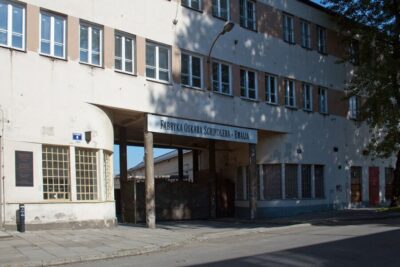
Schindler’s Factory Tour with Entrance Ticket
Read our review →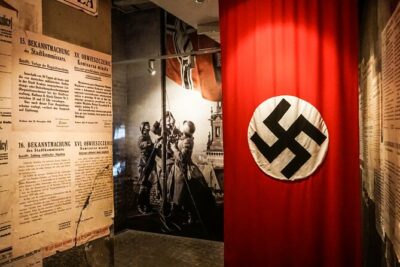
Schindler’s Factory in Krakow: Guided Tour & Skip the Line Ticket
Read our review →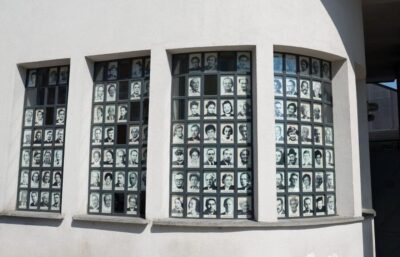
Schindler’s Factory Ticket with Guided Tour Option
Read our review →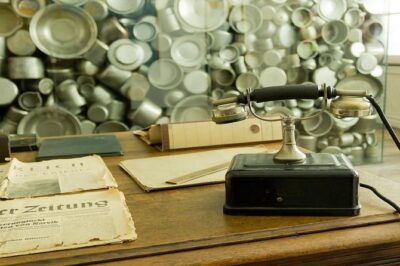
Krakow Schindler’s Factory Guided Tour with Admission Ticket
Read our review →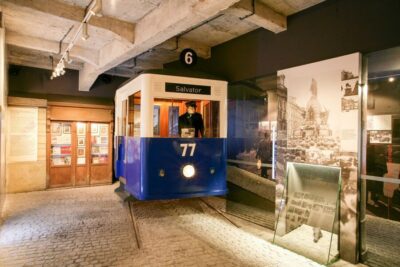
Schindler’s Factory Guided Tour with Entry Ticket
Read our review →Browse the lists this tour appears in