
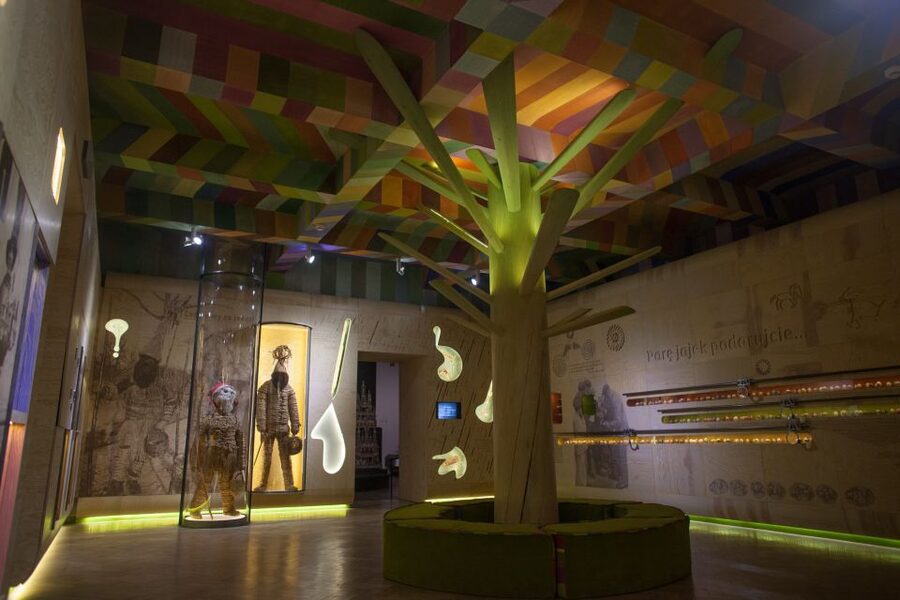
Reviewed · MUSEUMS
Krakow: The Ethnographic Museum ticket
Krakow’s Ethnographic Museum gives you a different view of Poland, one centered on village life, folk art, and the artists who found fresh energy in rural culture around 1900. The collection began with Seweryn Udziela, a teacher and amateur ethnographer, and has grown to about 80,000 objects. The Town Hall exhibition is the main draw, while Esterka’s House adds temporary displays in a handsome vaulted cellar.
I like the low price and the freedom to explore without being tied to a guide or fixed tour group. I also like the chance to see how Polish artists looked to folk traditions during a period of cultural unease. The main consideration is that this is a self-guided museum visit, so you need to bring your own curiosity and allow time to make sense of the displays.
Key points to know before you go
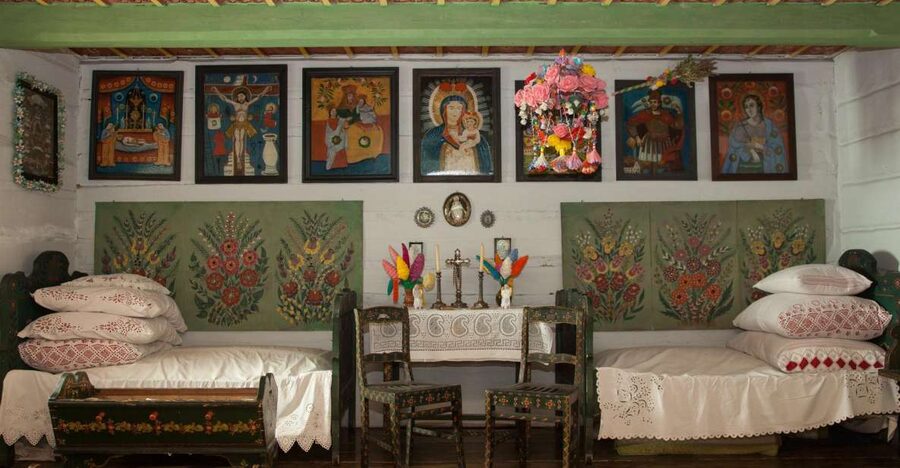
- About 80,000 objects: Most pieces come from the late 19th and early 20th centuries, giving the collection a clear historical focus.
- Two museum buildings: Visit the Town Hall section, then continue to Esterka’s House for temporary exhibitions in a vaulted cellar.
- A self-guided visit: Your ticket includes entry only. Food, drinks, and a guide are not included.
- Valid for 1 to 2 days: Check the selected option for its exact validity and available starting times.
- Strong value at $4.81: This is an inexpensive cultural stop, especially if you want more than Krakow’s best-known sights.
- A well-organized layout: The museum extends across several floors, with paintings and sculptures among the displays.
Why Krakow’s folk culture matters here

The Ethnographic Museum was created in 1911 through the efforts of Seweryn Udziela. He was not simply gathering attractive old objects. His work reflected a serious interest in Polish rural life, customs, craftsmanship, and local identity.
That matters because Krakow at the turn of the 20th century was dealing with a cultural question: what could inspire Polish art and thought at a time when many educated people felt stuck? Folk culture offered an answer. Its colors, rituals, designs, and practical objects felt lively and direct beside the formal habits of urban intellectual life.
You can see the museum as a record of that exchange. It preserves objects connected with peasant culture, but it also helps explain why artists living in Krakow were drawn to those traditions. The collection is not only about how people in the countryside lived. It is also about how city-based artists saw the countryside and used its ideas.
That makes the visit more rewarding than a quick walk through old costumes and household objects. You are looking at both the objects themselves and the changing attitude toward Polish folk culture that grew around them.
A few more Krakow trips to weigh up
- Auschwitz-Birkenau Museum and Memorial Guided Tour from Krakow
★ 4.5 · 1,510 reviews - Krakow: Rynek Underground Museum Guided Tour
★ 4.6 · 1,122 reviews - Krakow Schindler’s Factory Museum Guided Tour in English
★ 4.5 · 650 reviews
Starting at the Town Hall exhibition
The Town Hall section is the central part of the visit. This exhibition focuses on Polish folk culture and gives you the clearest introduction to the museum’s main purpose.
Expect displays drawn from the museum’s large collection, with most objects dating from the late 19th and early 20th centuries. The material can help you picture the customs, visual styles, and practical traditions that shaped rural communities in Poland. Since the museum holds around 80,000 items, the material on view represents only part of what has been collected over time.
I would begin here even if you have limited time. The Town Hall section provides the context needed for the rest of the museum. Once you understand that the collection was assembled to preserve and examine Polish folk culture, the smaller details become easier to appreciate.
Take your time with objects that might seem simple at first. Folk art often works through pattern, repetition, color, and skilled handwork rather than through the grand scale associated with major city museums. A domestic or ceremonial item can tell you about local taste, social customs, and the way people made useful things beautiful.
The exhibition is also a good choice if you want a break from Krakow’s royal and religious sights. The city is full of monumental architecture and famous works of art. Here, the focus shifts to ordinary communities and the visual traditions that grew from daily life.
Moving through several floors at your own pace

The museum is arranged across several floors, so this is not a five-minute ticket stop. You can move through the exhibitions at a steady pace, pause when something catches your eye, and return to a display without waiting for a group.
That freedom is valuable because folk collections reward close looking. One person may be drawn to the design of an object, while another may care more about the social setting behind it. Without a guide setting the rhythm, you can spend extra time with the sections that speak to you.
The tradeoff is just as clear. A guide is not included, and no named guide is provided for the experience. If you prefer a detailed explanation of every room, you may find the visit less direct than a guided tour. The museum’s subject is broad, and the full collection includes many kinds of material.
I suggest giving yourself enough time to read the available information rather than rushing from room to room. The ticket is valid for 1 to 2 days, depending on the option selected, which can make it easier to split the visit. Check availability for the exact starting times and validity before booking.
Esterka’s House and the vaulted cellar
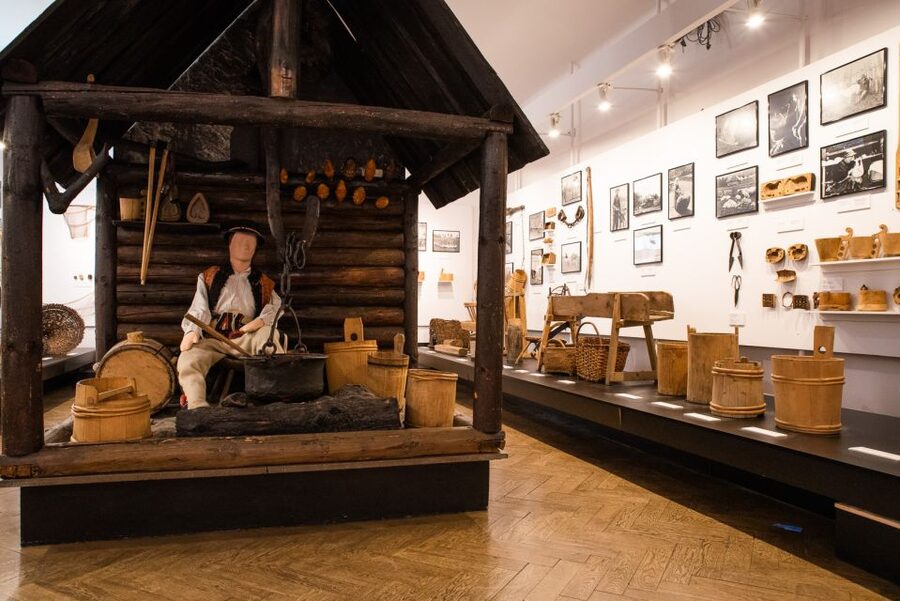
The museum’s second building is known as Esterka’s House. Its vaulted cellar holds temporary exhibitions, giving the visit a changing element alongside the main folk culture displays.
Temporary exhibitions can be useful for making a large museum feel more manageable. Instead of seeing only a fixed historical collection, you may find a focused display that explores a particular artist, theme, period, or form of Polish culture. The exact subject changes, so check what is scheduled when you book or arrive.
The cellar itself adds character. A vaulted room creates a different mood from the more standard exhibition spaces upstairs, and the setting can make the temporary displays feel distinct from the main collection.
I would not treat Esterka’s House as an optional extra. It is part of the museum’s identity and gives you a second kind of museum experience. The Town Hall section offers the main permanent focus, while the cellar may provide a more concentrated look at a selected subject.
Because temporary displays change, this is also the part of the visit least suited to firm promises. You can count on the building and its exhibition space, but not on a particular theme unless it is confirmed for your date.
Same country, a completely different kind of day:
- From Krakow: Auschwitz-Birkenau Guided Tour & Hotel Pickup
★ 4.5 · 33,358 reviews - From Krakow: Auschwitz-Birkenau Guided Tour & Hotel Pickup
★ 4.5 · 29,340 reviews - Krakow: Auschwitz Guided Tour with Optional Hotel Pickup
★ 4.5 · 15,280 reviews - Krakow–Zakopane: Cable Car, Chocholow Baths, Cheese & Vodka
★ 5.0 · 10,720 reviews
Paintings and sculptures add a useful surprise
The museum is not limited to objects that you might expect from a folk collection. Paintings and sculptures are also part of the displays, and they can change how you understand the relationship between folk culture and Polish art.
This is one of the more interesting features for anyone who thinks an ethnographic museum is only about rural tools, clothing, or household items. The final part of the museum, in particular, includes paintings and sculptures that can feel like a fresh discovery after the earlier displays.
These works connect the museum’s collections with the artists living in Krakow around the turn of the 20th century. Folk culture was not only preserved by collectors. It also shaped the interests of artists who were searching for more direct forms of expression.
Give the paintings and sculptures proper attention. They help explain why the museum’s subject mattered to the city’s artistic community. You are not simply moving from old objects to decorative art. You are seeing how folk traditions became part of a wider discussion about Polish identity and artistic renewal.
What the $4.81 ticket really offers
At $4.81 per person, this is one of the easier cultural purchases to justify in Krakow. The price is low enough that you do not need to build your entire day around the museum. You can visit for a short session, or use the 1 to 2-day validity to return and see more.
The value comes from the range of material as much as the admission cost. You get access to the Town Hall exhibition, Esterka’s House, the permanent collection, temporary displays, and the paintings and sculptures included in the museum’s presentation.
The ticket is especially useful for three types of visitors:
- Museum fans who want a subject beyond royal collections and major religious art.
- Repeat visitors to Krakow who have already seen the central sights and want a less obvious cultural stop.
- Curious first-time visitors who want a low-cost way to understand Polish life and artistic ideas from a different angle.
The price does not include food, drinks, or a guide. That keeps the ticket simple, but it also means you should not expect a hosted tour or a meal stop built into the experience.
If you are comparing this with a larger guided attraction, remember what you are buying. You are paying for entry and time inside the museum, not for transportation, commentary, or a full-day itinerary. For a self-paced cultural visit, the price is strong.
Who will enjoy this museum most
I would recommend this experience to anyone who likes museums that explain how people lived, made things, and expressed local identity. It is a particularly good fit if you want Polish culture presented through more than famous buildings and well-known historical figures.
Art students and creative visitors may find the link between folk traditions and Krakow’s early 20th-century artists especially useful. The museum gives you a way to think about how artists borrow from everyday culture and turn local customs into new artistic ideas.
Families may also appreciate the variety, though the experience is not described as a children’s tour and no family activities are included in the ticket. Younger visitors who enjoy visual objects, unusual designs, paintings, or sculptures may find plenty to notice, but adults will need to set the pace.
This may be less suitable if you want a fast, highly narrated tour. There is no guide included, and the museum’s large collection calls for patience. You get more control, but you also take on more of the work.
Practical advice for a better visit
Check the booking option carefully because the exact validity can be 1 or 2 days. Starting times also vary by availability, so do not assume you can arrive at any hour without checking the selected option.
Plan to see both buildings rather than stopping after the Town Hall exhibition. Esterka’s House and its vaulted cellar are part of the appeal, particularly if a temporary exhibition catches your interest.
Keep your phone or camera ready for notes rather than flash photography. Flash photography is not allowed. You can still record the names or subjects that interest you in writing, but follow the museum’s rules around photography.
Since there is no guide, decide what kind of visit you want before entering. You can make a quick circuit in about a short museum session, or take a slower approach and examine the artistic connections across the displays. The 1 to 2-day validity may let you divide the experience if your schedule allows.
The museum is offered by Discover Cracow, and the activity ends back at the meeting point. The exact meeting point may vary depending on the booking option, so check your confirmation for the practical details.
Cancellation is flexible, with a full refund available when you cancel at least 24 hours in advance. You can also reserve now and pay later, which helps if you are still arranging your Krakow schedule.
How it compares with Krakow’s better-known sights
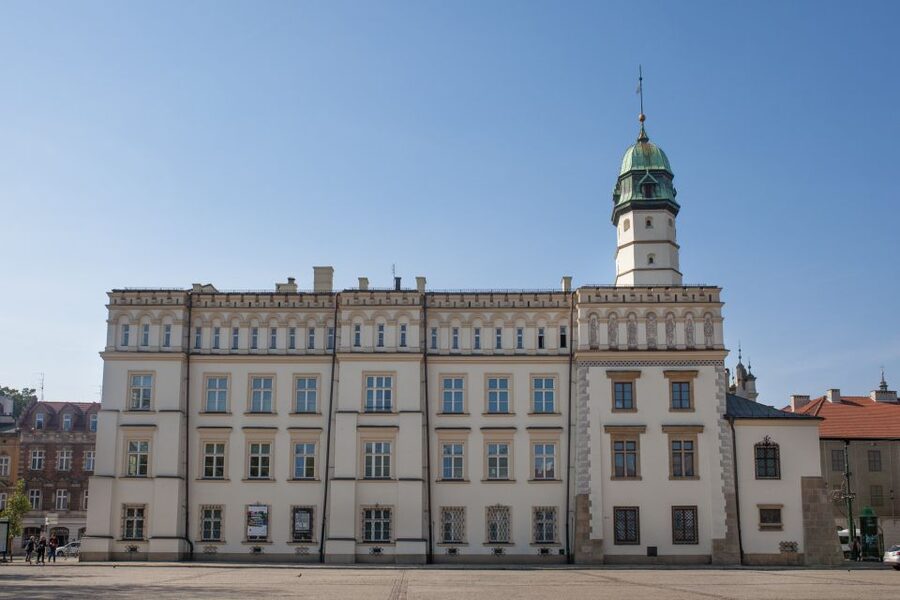
Krakow’s major attractions tend to tell large, formal stories: kings, churches, national events, and monumental art. The Ethnographic Museum works on a smaller human scale. It asks you to look at customs, craft, visual habits, and the communities that shaped Polish culture from the ground up.
That difference is its main strength. If you have already spent hours in grand historic interiors, this museum offers a change of pace without leaving the city’s cultural center behind. It also helps you see that Polish identity is not only found in castles, cathedrals, and national monuments.
The museum will not replace Krakow’s major sights, and it does not try to. Instead, it adds another layer. The folk culture on display helps explain what artists and collectors found compelling about rural Poland during a period when the country’s intellectual life was searching for new direction.
I would pair it with another nearby cultural stop if your day has room, but the supplied information does not specify transportation, walking time, or nearby restaurants. Keep the plan simple and verify the museum’s exact location and opening details when booking.
Should you book the Ethnographic Museum ticket?
Book it if you want an affordable, self-guided look at Polish folk culture, especially if paintings, sculpture, and early 20th-century artistic ideas interest you. The combination of the Town Hall exhibition, Esterka’s House, and a collection of about 80,000 objects gives the ticket more substance than its low price suggests.
Skip it if you want a guide to explain every display or if your Krakow schedule is already packed with major sights. You will need to explore independently, and the museum rewards attention rather than a rushed visit.
For most culturally curious visitors, I think it is a sensible addition to Krakow. The $4.81 price keeps the risk low, the flexible validity helps with planning, and the subject gives you a clearer feel for the folk traditions that influenced Polish artists around 1900.
FAQ
How much does the Ethnographic Museum ticket cost?
The ticket costs $4.81 per person.
How long is the ticket valid?
The activity is valid for 1 to 2 days, depending on the option you book. Check availability for the exact details.
Is a guide included?
No. The ticket includes entry only. A guide, food, and drinks are not included.
Which museum areas are included?
The visit includes the Town Hall exhibition and the second museum building, known as Esterka’s House, where temporary exhibitions are held in a vaulted cellar.
Can I take photographs inside?
Flash photography is not allowed.
Can I cancel the booking?
Yes. You can cancel up to 24 hours in advance for a full refund. You can also reserve now and pay later.
Just added around Krakow
- Tour to Wadowice: Hometown of Pope Saint John Paul II★ 4.6 · 12 reviews
- The Jewish Quarter – Walking Tour★ 5.0 · 4 reviews
- From Kraków; to Białka Thermal Baths private tour★ 5.0 · 5 reviews
- St. Mary’s Basilica and more – a short walk with a guide★ 4.7 · 56 reviews
- Krakow: Auschwitz-Birkenau and Wieliczka Salt Mine Day Trip★ 4.7 · 84 reviews
- Krakow: Skip-the-Line Wawel Castle & Old Town Guided Tour★ 4.9 · 23 reviews
- Krakow: Schindler’s Factory Guided Tour★ 4.2 · 12 reviews
- Shooting Range Experience!★ 4.8 · 66 reviews
Museums, compared.
Auschwitz-Birkenau Museum and Memorial Guided Tour from Krakow
Read our review →
POLIN Museum of the History of Polish Jews Ticket
Read our review →

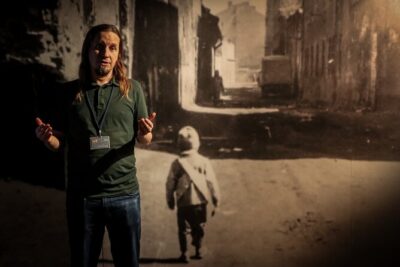
Krakow Schindler’s Factory Museum Guided Tour in English
Read our review →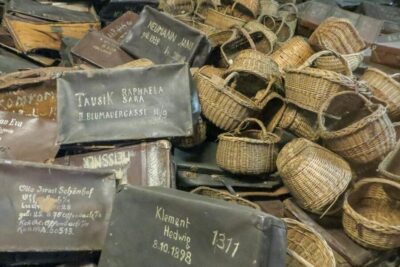
Auschwitz Birkenau Museum Guided Tour with Pickup
Read our review →
Browse the lists this tour appears in