

Reviewed · WALKING TOURS
Nowa Huta Tour Krakow: Ideal Communist City Small Group Walk
Nowa Huta was built as a model Communist city, yet its grand avenues and worker housing became a setting for protest, faith, and change. This tour shows you both sides: the ideology planned into the streets and the daily life that pushed back against it. I like the small-group format and the stop for vodka and zapiekanka, which turn a history lesson into a lived experience. The main drawback is its four-hour walking schedule, so comfortable shoes are essential and the subject may feel heavy for visitors seeking only Krakow’s medieval sights.
I also like that the tour goes beyond architecture. You see the former Lenin monument site, a Russian tank, a market, a Communist museum, and the Lord’s Ark church, while guides such as Anna and Barbara add personal stories and space for questions. The $112 price is not cheap, but tram transport, museum admission, two food and drink stops, and a specialist English-speaking guide are included.
Key points to know before booking
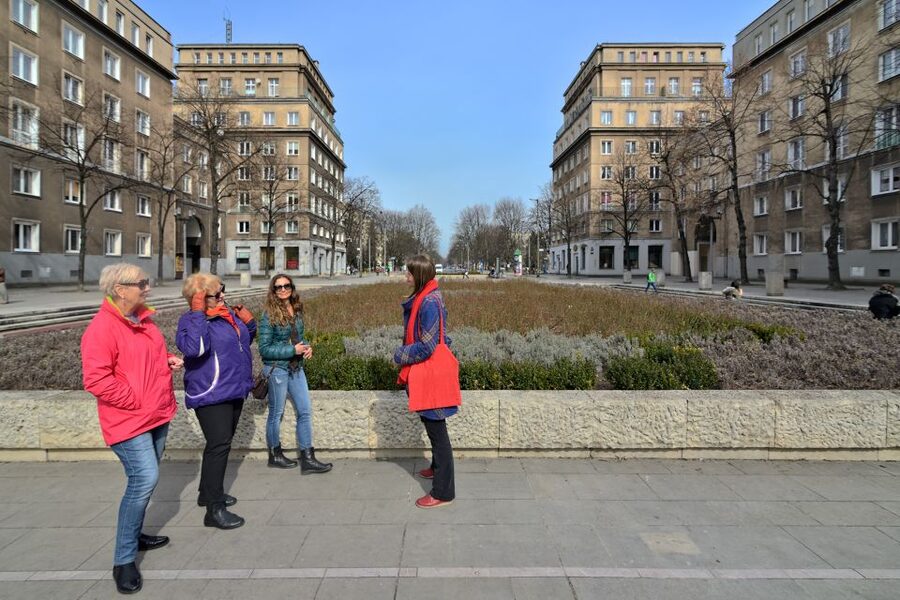
- Central Square explains the city’s grand Communist plan: Plac Centralny is the natural starting point for reading Nowa Huta’s broad streets and monumental design.
- The tour mixes serious history with local treats: You receive a vodka tasting in a Communist-era restaurant and a zapiekanka snack at a local bar.
- The Lord’s Ark church tells a story of resistance: Residents built the church by hand, and it became linked with the fight for freedom and democracy.
- A small group makes questions easier: The format gives you more room to talk with the guide than a large coach tour would.
- The tour includes a bunker and Communist museum: These stops add physical detail to the political story and suit adults and older children.
- The ride from central Krakow is part of the experience: Tram transport takes you to the district and brings you back afterward.
Why Nowa Huta changes the way you see Krakow
Most first visits to Krakow focus on the Old Town, Wawel Castle, and Kazimierz. Nowa Huta gives you a very different city. It was planned after the Second World War as a model Communist settlement, with a huge steelworks at its center and an urban design meant to display order, strength, and collective life.
That idea looks more complicated once you walk the streets. The district was intended to show the success of a political system, but it later became an anti-Communist center. Its avenues, squares, shelters, shops, churches, and gathering places reveal how official plans met ordinary people.
I find this useful because the tour does not reduce Poland’s Communist period to a list of dates. You hear about daily routines, resistance, political change, and the ways residents altered the city after the fall of Communism. The result is a closer look at how an idea imposed from above became a real neighborhood with its own habits and identity.
The English-language tour lasts four hours. That is enough time to cover several important places without turning the walk into a quick photo stop, but it is also a serious block of time. If you want only a short introduction, this may feel long. If you want context for a part of Krakow many visitors skip, the length works in your favor.
A few more Krakow trips to weigh up
- Old Town Krakow & Wawel Castle Walking Tour
★ 5.0 · 1,508 reviews - Creepy Krakow: 2-Hour City Walking Tour
★ 4.7 · 1,131 reviews - Krakow: The Old Town Walking Tour
★ 4.8 · 794 reviews
The tram ride from central Krakow
You meet at 1 Dluga Street, at the corner of Dluga and Basztowa, beside the entrance to the Pod Globusem bookshop. Look for the guide holding a Krakow Urban Tours sign.
From there, the group takes a tram to Nowa Huta. Transport is included in both directions, which is helpful because the district is outside the usual central sightseeing circuit. The ride also gives the tour a clear change of setting. You begin among Krakow’s familiar central streets and then head toward a planned Communist city with a different scale and visual character.
I appreciate the tram arrangement because it keeps the tour focused on the district rather than asking you to arrange a separate journey. You should still wear comfortable shoes. The walking includes squares, streets, a market, a church, and historic sites, and four hours on your feet can be tiring.
The meeting point is specific, but you should allow enough time to find the bookshop entrance. The tour is conducted in English, so it suits visitors who want explanations and conversation in that language.
Reading the plan at Plac Centralny
The tour begins in the heart of the former Communist city at Central Square, or Plac Centralny. This is the best place to understand the scale of the original plan. Instead of treating the buildings as a collection of unrelated blocks, your guide explains how streets, open space, and architecture were meant to work together.
The square is described as a kind of outdoor museum, with several architectural styles and ideas from the postwar period. You can look for the grand gestures of official design, then consider how those spaces functioned for people who lived and worked nearby.
The former site of Lenin’s huge monument is another useful stop. Its absence matters. You are not simply looking at a statue or taking a picture. You are learning how public symbols can dominate a city, then disappear when political power changes.
This is one of the tour’s strongest features: it treats architecture as political language. Wide avenues and monumental buildings were not chosen by accident. Your guide helps you connect the physical city with the Communist ideal it was meant to present.
The square is also a good place for photos, though the value is greater if you listen before reaching for your camera. The details make more sense once you know what the planners wanted people to see.
Vodka, zapiekanka, and ordinary life
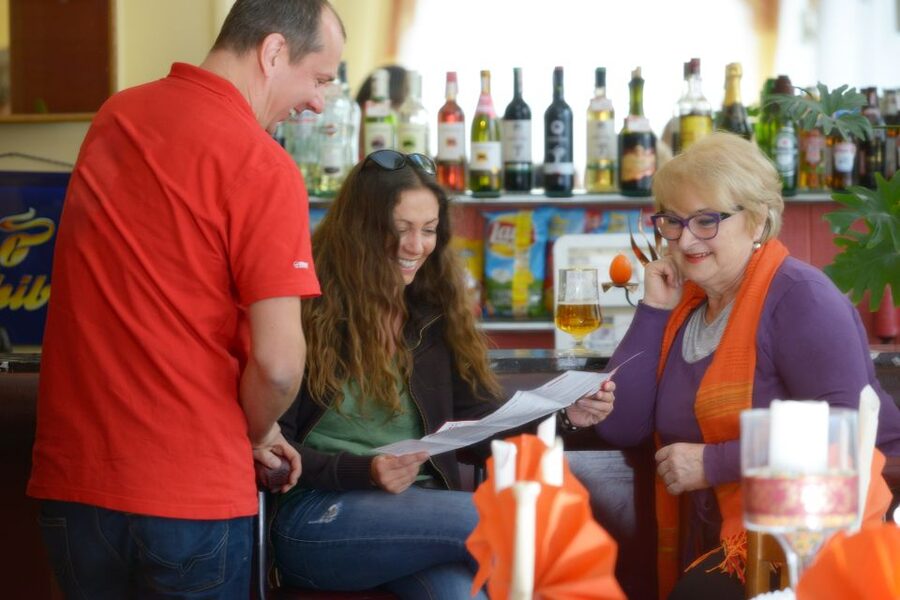
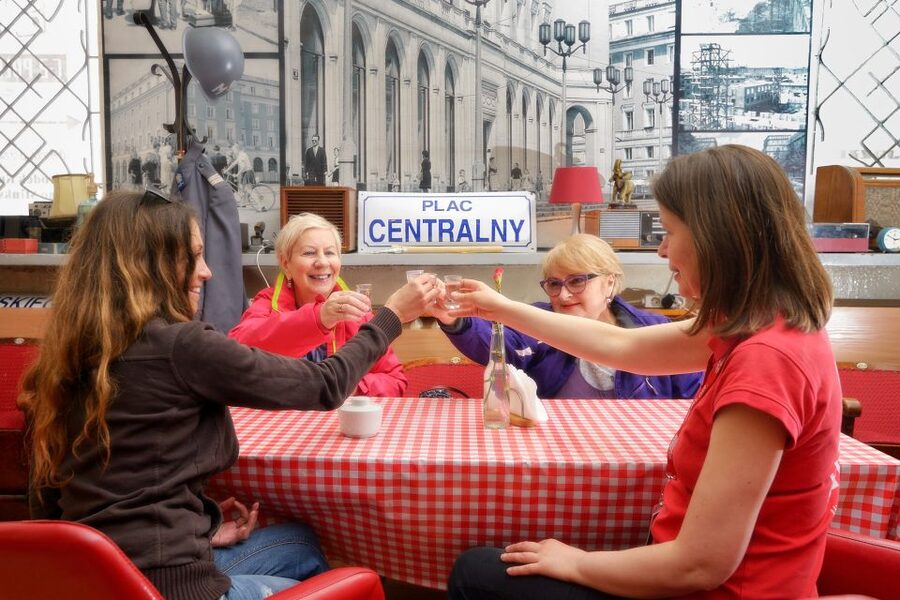
The tour includes a vodka tasting in a Communist restaurant. It is a small but effective way to connect politics with daily routine. Instead of discussing the period only through official buildings, you get a sense of the social habits associated with it.
The stop is not presented as a party attraction. It works as a cultural detail, a brief taste of the era and an opportunity to talk with your guide. If you do not drink alcohol, you may want to check how the tasting can be handled before booking, since the included item is specifically vodka.
You also receive zapiekanka, a typical snack associated with the Communist period, in a local bar. This open-faced baked bread is simple food, but that is part of the point. A snack break lets you see how a planned district is used at street level, rather than viewing Nowa Huta only as an architectural display.
The café and bar pauses help pace the morning or afternoon. They also give you a chance to ask questions in a less formal setting. I like this kind of stop because food can explain a period in a way that a monument cannot. It shows what was practical, familiar, and available.
Same country, a completely different kind of day:
- From Krakow: Auschwitz-Birkenau Guided Tour & Hotel Pickup
★ 4.5 · 33,358 reviews - From Krakow: Auschwitz-Birkenau Guided Tour & Hotel Pickup
★ 4.5 · 29,340 reviews - Krakow: Auschwitz Guided Tour with Optional Hotel Pickup
★ 4.5 · 15,280 reviews - Krakow–Zakopane: Cable Car, Chocholow Baths, Cheese & Vodka
★ 5.0 · 10,720 reviews
A tank, a market, and the city below ground
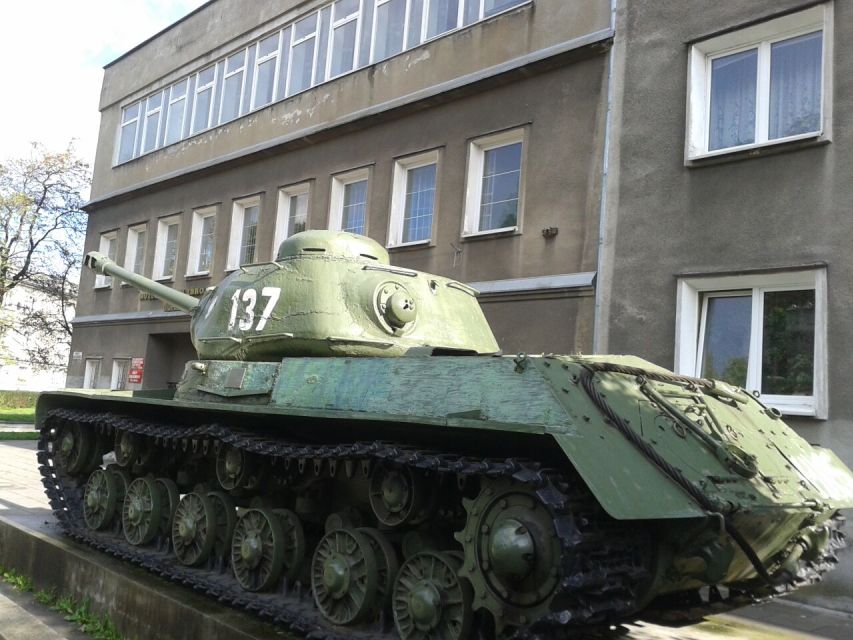
The itinerary includes photographs of a real Russian tank left after the war. The tank gives the political story a physical edge. It is a direct reminder of the military and postwar setting in which the new city took shape.
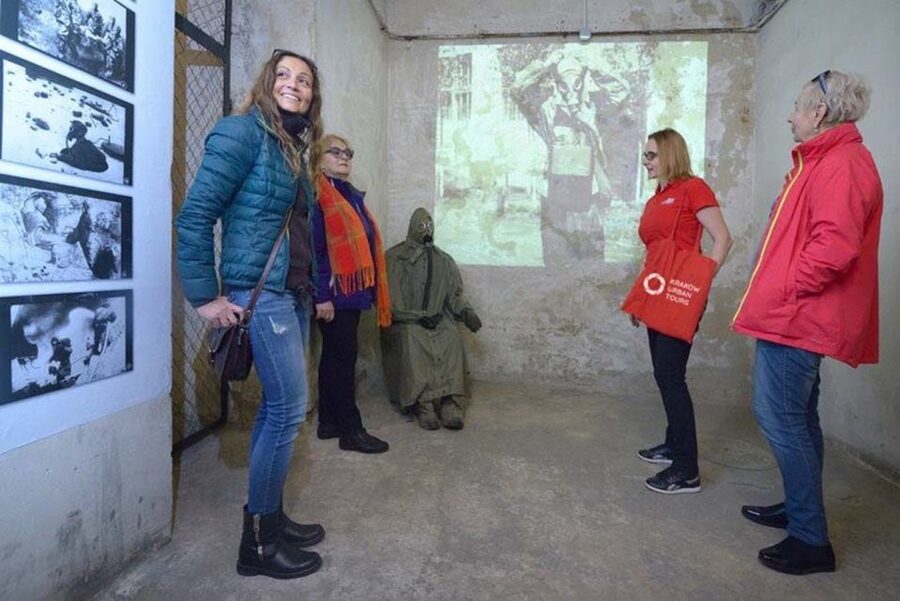
You also explore a large protection system created by Communist architects. The tour includes a bunker, an element that makes the period easier to picture for both adults and children. Rather than hearing only about fear, conflict, and preparation, you get to see a space designed for protection.
This can be one of the more memorable parts of the walk, especially if you are traveling with children who need something concrete to hold their attention. The bunker adds variety to the outdoor walking and helps explain how public planning included security as well as housing and work.
The market offers another change of pace. Here, you see local people buying groceries, selling clothes, and offering homemade sweets. It is not a polished attraction built for sightseeing. That is precisely why it matters. The market shows Nowa Huta as a working neighborhood, where the planned city has been adapted to ordinary needs.
I would give this stop time and attention. The market connects the past to the present. It shows how people use spaces in ways planners cannot fully control, and how local routines continue after a political system has changed.
The Communist museum and the story behind the buildings
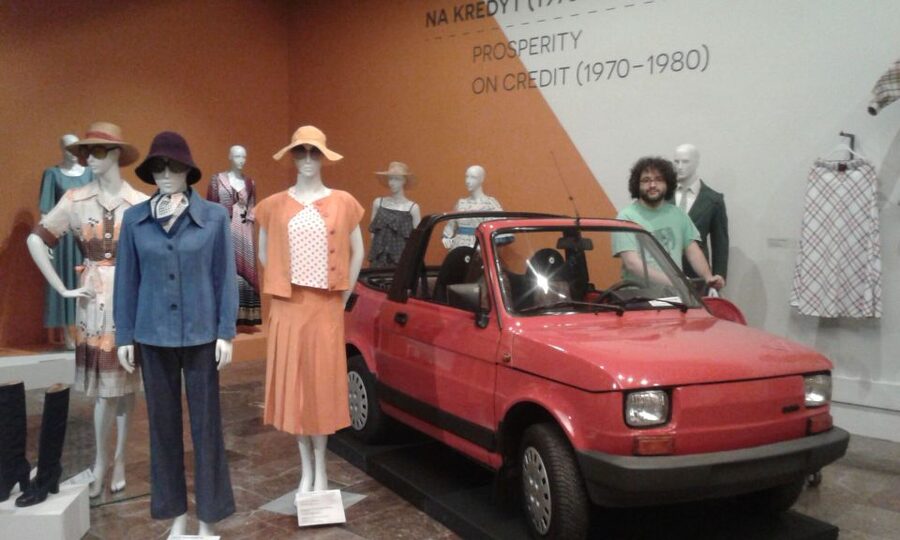
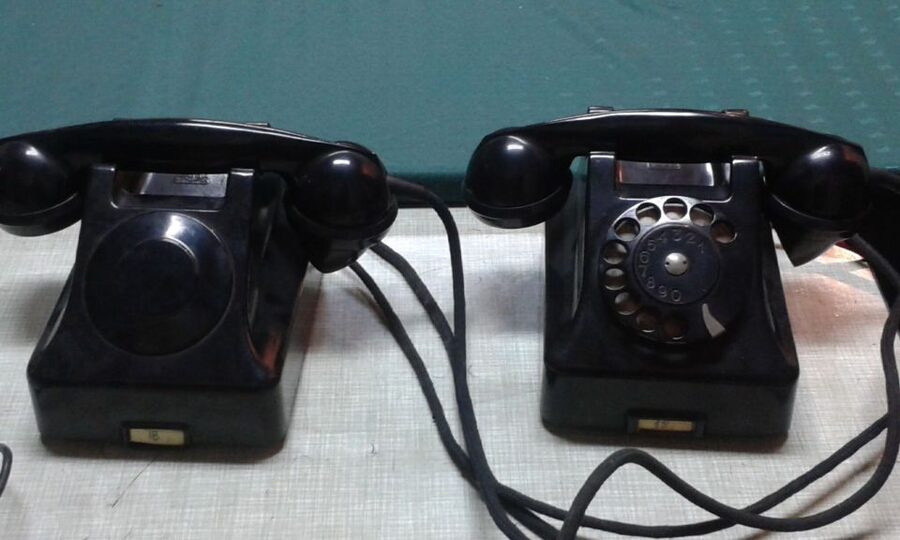
Admission to a Communist museum is included. The museum adds objects and displays to the street-level explanation, giving you a more focused place to consider Poland during the Communist period.
The museum is especially useful if you prefer more than visual impressions. Central Square can show you the scale and style of the district, while the museum gives the guide a setting for explaining the social and political background.
The tour’s subject is not simple nostalgia. Nowa Huta can look striking, and some visitors may find the architecture fascinating, but the same buildings were part of a system that shaped work, housing, public life, and political expression. The guide’s role is to connect those layers.
The strongest guide comments, based on the experience described by past participants, came from Anna and Barbara. Anna was praised for bringing the subject to life with stories, while Barbara was noted for her friendly manner, enthusiasm, and ability to explain Poland’s complexity. Names and staffing can change, but these examples suggest the tour depends heavily on the person leading it.
That is worth keeping in mind when comparing this with a self-guided visit. You can photograph Nowa Huta alone, but it is harder to understand why the streets look the way they do or how residents responded to them. The guide supplies the missing links.
The Lord’s Ark and the fight for a church
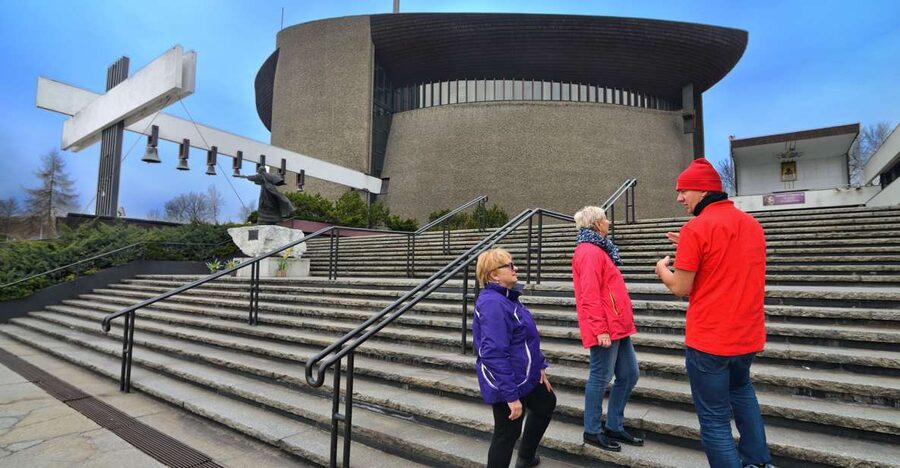
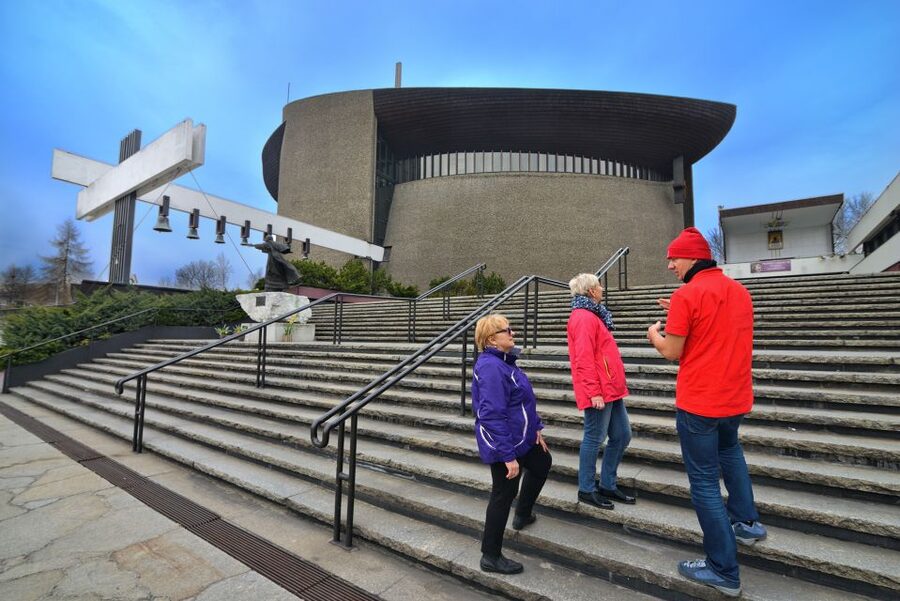
The Lord’s Ark, a large church in Nowa Huta, is one of the tour’s most important stops. Its story shows how religious life became tied to the wider struggle for freedom and democracy.
The church was built completely by local residents, by hand. That detail gives the building a human scale, even though the church itself is large. It represents effort from below, in contrast with the planned city around it.
The Lord’s Ark also changes the meaning of the district. Nowa Huta was designed as a model Communist city, yet the presence of a major church shows that residents wanted more than the official plan offered. Faith, community action, and political resistance met here.
You should expect this stop to be treated as history and architecture rather than a quick religious visit. The building matters because of how it came to exist and what it represented. If you have an interest in modern Polish history, this may be the emotional center of the tour.
If you are visiting with children, the bunker may be the easiest stop for them to grasp, while the church gives older children and adults more to discuss. The mix of physical spaces keeps the four-hour walk from feeling like one long lecture.
What the small-group format adds
A small group is a practical advantage here. Nowa Huta is a place where questions matter, because the same street or building can mean different things depending on the period you are discussing. A smaller group makes it easier to stop, listen, and ask for clarification.
One participant specifically valued being able to talk easily and ask questions. That matters on a subject as complex as Poland under Communism. You are not limited to a fixed speech delivered to a crowd.
The guides praised in the supplied comments, Anna and Barbara, were described as friendly, enthusiastic, and good at telling stories. The most important praise focused on their ability to explain Poland’s complexity, not just recite facts. That is the quality I would want from this tour.
There are limits. A small group does not guarantee a private tour, and the guide assigned to your date may vary. Still, the format is better suited to conversation than a large group with a guide speaking through a microphone.
Is $112 a fair price?
At $112 per person, this is a fairly costly half-day activity. The price makes more sense once you count what is included: tram transport to and from Nowa Huta, entrance to the Communist museum, a vodka tasting, a zapiekanka snack, and four hours with a live English-language guide.
You are paying for interpretation as much as transport and food. A free walk through Central Square would show you the buildings, but it would not necessarily explain the former Lenin monument, the protection system, the market’s role, or the church’s place in the fight for democracy.
The value is strongest if you have already seen Krakow’s famous historic center and want a more unusual part of the city. It is also useful if you care about architecture, modern European history, political change, or local food traditions.
The value is weaker if you want a cheap orientation walk or have little interest in the Communist period. You might prefer spending $112 on several independent Krakow activities if this subject does not appeal to you. The tour is specialized, and the price reflects that.
Free cancellation up to 24 hours before the start and a reserve-now, pay-later option reduce some booking risk. Starting times depend on availability, so check the schedule before making other plans.
Who should book this Nowa Huta walk?
I would recommend it to you if you have already seen Krakow’s Old Town and want to understand the city beyond its postcard center. It suits curious adults, students, people interested in twentieth-century Europe, and families with children old enough to engage with the bunker and political story.
It is also a good fit if you prefer places that still function as neighborhoods. The market, local bar, and café pause keep the experience connected to present-day Nowa Huta rather than turning the district into a frozen exhibit.
You may want to skip it if you dislike walking, do not want a four-hour activity, or prefer Krakow’s medieval and royal sights. The subject includes political conflict, daily hardship, resistance, and change, so it is not light sightseeing.
Wear comfortable shoes and arrive at the Dluga Street meeting point ready for a full half-day. If you want a guide who explains why the city looks the way it does, and you value conversation over a quick checklist of sights, I think this is a strong choice. If you are undecided, book it after your Old Town visits, when the contrast will be most useful.
FAQ
Where does the Nowa Huta tour meet?
You meet at 1 Dluga Street, at the corner of Dluga and Basztowa, beside the entrance to the Pod Globusem bookshop. The guide holds a Krakow Urban Tours sign.
How long does the tour last?
The tour lasts four hours.
What language is the tour conducted in?
The live guided tour is conducted in English.
Is transport to Nowa Huta included?
Yes. Tram transport to the Communist district and back to central Krakow is included.
Is museum admission included?
Yes. The entrance ticket to the Communist museum is included in the price.
Is food included?
Yes. You receive a local zapiekanka snack.
Is vodka tasting included?
Yes. The tour includes a vodka tasting in a Communist restaurant.
What should I bring?
Bring comfortable shoes because the experience includes a four-hour walking tour.
Can I cancel for a full refund?
Yes. You can cancel up to 24 hours in advance for a full refund. You can also reserve now and pay later.
Just added around Krakow
- Tour to Wadowice: Hometown of Pope Saint John Paul II★ 4.6 · 12 reviews
- The Jewish Quarter – Walking Tour★ 5.0 · 4 reviews
- From Kraków; to Białka Thermal Baths private tour★ 5.0 · 5 reviews
- St. Mary’s Basilica and more – a short walk with a guide★ 4.7 · 56 reviews
- Krakow: Auschwitz-Birkenau and Wieliczka Salt Mine Day Trip★ 4.7 · 84 reviews
- Krakow: Skip-the-Line Wawel Castle & Old Town Guided Tour★ 4.9 · 23 reviews
- Krakow: Schindler’s Factory Guided Tour★ 4.2 · 12 reviews
- Shooting Range Experience!★ 4.8 · 66 reviews
Walking Tours, compared.
Gdańsk City Sights & History Guided Walking Tour in English
Read our review →
Browse the lists this tour appears in