
Reviewed · SCHINDLERS FACTORY TOURS
Schindler’s Factory -Guided Tour
Oskar Schindler’s former enamelware factory now tells a much larger story: how Krakow changed under Nazi rule, how Jewish life was shattered, and how one factory owner helped save more than 1,000 people. The museum is powerful, but it is not mainly a tour of factory machinery or production rooms.
I like the quick entry and the way a good guide connects Schindler’s actions with the wider wartime story of Krakow. I also like the short film, which sets the scene before you enter the main exhibits. The main caution is simple: $45.87 is a steep price when basic admission has been cited at about 20 zloty, especially if your main interest is Schindler rather than Polish history as a whole.
Key points at a glance
- The museum covers wartime Krakow: Expect a broad account of Nazi occupation, Jewish persecution, Polish life, and resistance, not just Schindler’s factory.
- The visit lasts about 90 minutes: That is enough for a guided overview, but possibly not enough time to read every display at your own pace.
- Skip-the-line entry is included: This matters when queues form outside the museum.
- English tours use a headset: The system helps in crowded rooms, though sound quality can be uneven.
- Groups can reach 25 people: The narrow museum rooms may feel cramped, particularly during busy periods.
- The tour suits history-minded visitors: It is less suitable if you want a hands-on factory tour or a visit focused almost entirely on Schindler.
What you actually see inside Schindler’s Factory
The activity begins at Fabryka Emalia Oskara Schindlera, at Lipowa 4 in Krakow. The name suggests a traditional industrial museum, perhaps with rows of machines and a close look at enamel production. That is not what you should expect.
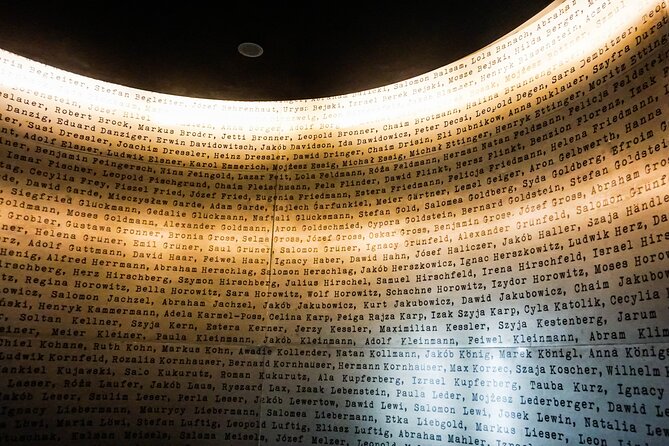
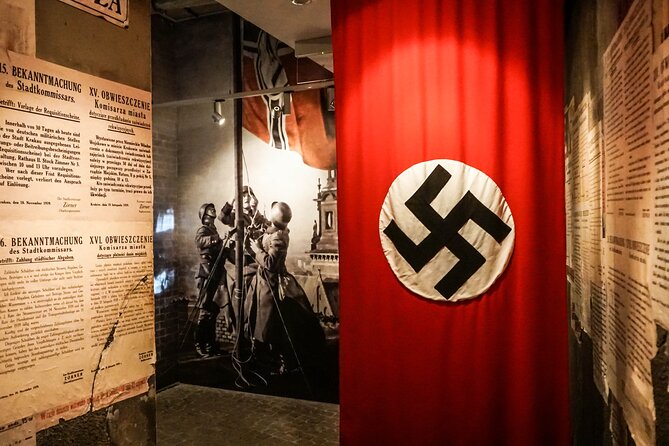
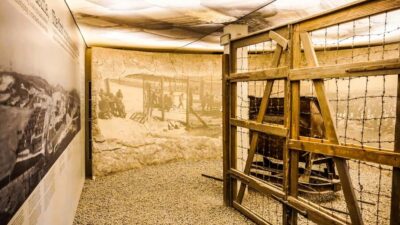
The building contains a museum about Krakow during World War II. The exhibits place Schindler’s factory within the city’s wider experience under Nazi occupation. You learn about the treatment of Polish Jews, the operation of work camps, the destruction of Jewish life, and the choices made by people trying to survive.
Schindler remains an important thread, but he is not always the main subject in every room. The visit explains his position as a German industrialist and Nazi Party member, his business dealings, and the way his relationship with his Jewish workers changed. You also get a sense of how his actions differed from the familiar film version.
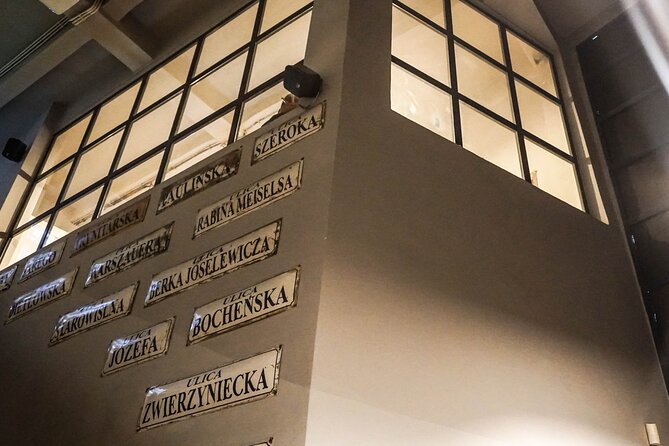
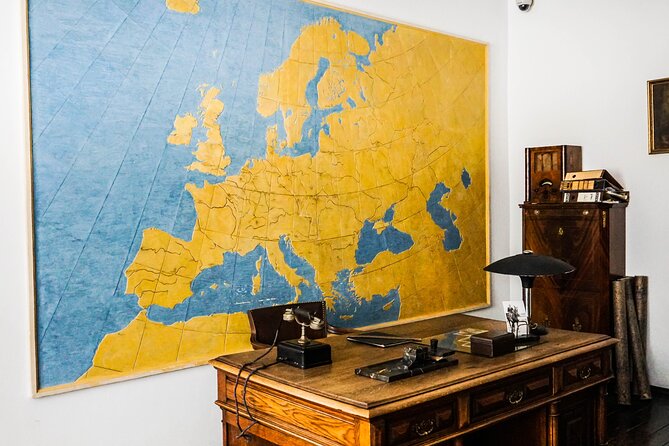
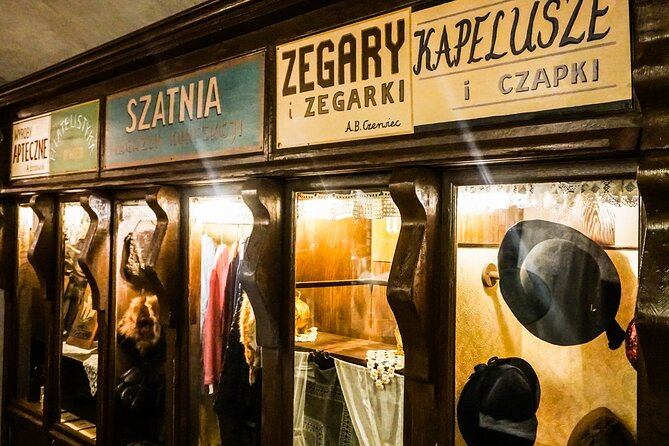
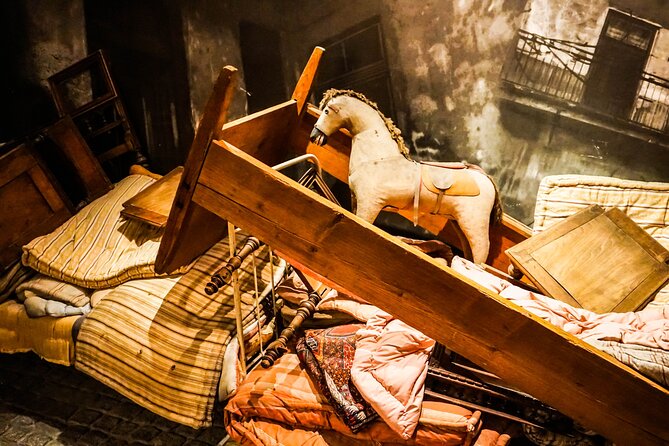
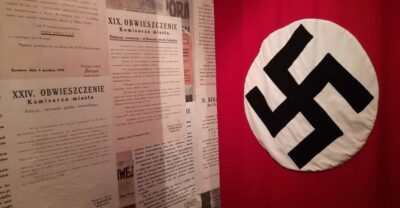
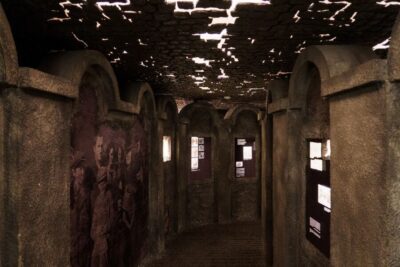
That wider focus is valuable if you want to understand the setting around Schindler’s story. It can disappoint you if you arrive expecting a detailed factory tour. Much of the original industrial character has given way to exhibition rooms, photographs, documents, reconstructions, and visual displays. One section may feel more like a museum of wartime Krakow than a preserved workplace.
More Schindlers Factory Tours in Krakow:
- Krakow: Oskar Schindler’s Factory Entry Ticket & Guided Tour
★ 4.2 · 3,793 reviews - Krakow: Schindler’s Factory Tour with Entrance Ticket
★ 4.5 · 3,182 reviews - Krakow: Schindler’s Factory Skip-the-Line Ticket
★ 4.4 · 3,105 reviews
The first 90 minutes: a guided route through wartime Krakow
The scheduled visit lasts about one and a half hours. That timing is useful for a packed Krakow itinerary, and the tour is designed to keep you moving through the museum rather than leaving you to work out the story alone.
A strong guide begins by explaining Krakow before and during the war. This background matters. Without it, Schindler can seem like an isolated hero. With it, you can see the pressure created by German occupation, the damage done to Jewish communities, and the difficult choices facing workers and business owners.
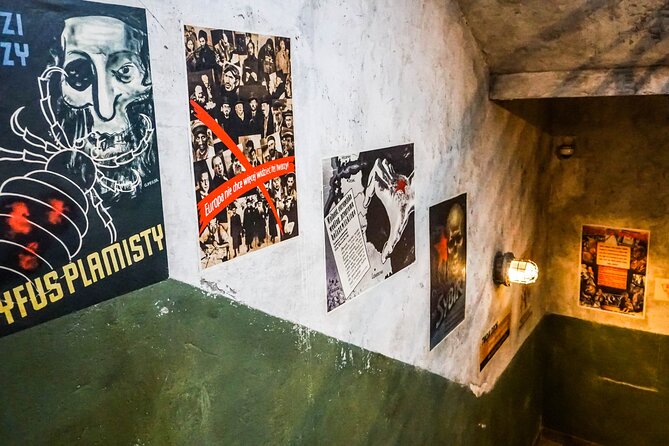
The displays then build a picture of daily life under Nazi control. You may see material about propaganda, restrictions, forced labor, deportation, and the camps connected with Krakow. The point is not simply to list events. The museum asks you to picture how quickly ordinary routines were replaced by fear and control.
Schindler’s part comes through this setting. The tour explains how his factory employed Jewish workers and how his actions eventually helped protect many of them. The figure of Schindler is presented with more complexity than the film alone allows. His motives, business interests, political position, and later decision to risk his own security all form part of the story.
The final impression is therefore broader than the title may suggest. You leave with a better understanding of Krakow’s wartime experience, including the lives of those who were saved and those who were killed.
The opening film helps you get your bearings
One of the most useful details of the visit is the film shown near the beginning. It plays in a comfortable cinema area and helps establish the period before you move through the galleries.
I value this kind of introduction because the museum contains a lot of information in a short space. The film gives you a basic timeline and emotional setting, so the photographs and text panels that follow are easier to place.
If your tour guide moves quickly, make sure you pay attention here. The film may be one of the few parts of the visit where you can sit comfortably and absorb the material without a group gathering around you.
Why the guided option can be worth the extra cost
A guide changes the visit in two important ways. First, you hear the story in a clear order. Second, you get explanations that may not be obvious from the displays alone.
The best guides bring out the links between the museum’s sections and explain details about Schindler that are not widely known. A lively guide can also make the broader story of Krakow and Poland easier to follow, particularly if you do not want to spend hours reading every panel.
The English tour is especially useful for a first visit. The museum deals with names, dates, policies, and places that can quickly blur together. A guide helps you separate the main events from the supporting detail.
Still, the premium has limits. Basic admission has been cited at roughly 20 zloty, while this guided experience costs $45.87 per person. You are paying for the guide, reserved or faster entry, and the convenience of a fixed visit. You are not paying for a longer museum visit or a private tour.
Some guides speak very quickly, and a fast pace can make the visit tiring. You may also have less time to read the smaller labels or study objects that catch your eye. I would choose the guided option if you want a clear historical explanation. I would consider standard admission if you prefer silence, slow reading, and control over your time.
A few more Krakow trips to weigh up
- From Krakow: Auschwitz-Birkenau Guided Tour & Hotel Pickup
★ 4.5 · 33,358 reviews - From Krakow: Auschwitz-Birkenau Guided Tour & Hotel Pickup
★ 4.5 · 29,340 reviews - Krakow: Auschwitz Guided Tour with Optional Hotel Pickup
★ 4.5 · 15,280 reviews - Krakow: Auschwitz-Birkenau Guided Tour with Pickup & Lunch
★ 4.5 · 9,800 reviews
Crowds, headsets, and narrow rooms
The museum’s interior can be tight. Groups of around 21 people have been considered too large for some rooms, and the official maximum is 25. That is not an enormous group in most attractions, but it matters here because the exhibition spaces are narrow and there may be little seating.
A headset lets you hear the guide without everyone crowding directly around that person. In principle, this is a good solution. In practice, sound quality can vary. Headsets have been reported to cut out or work poorly for several people in the same group.
You should also expect occasional bottlenecks. A guide may stop to explain a photograph or display, while people at the back try to see or hear. If you want the best view, stay reasonably close to the guide, but do not block the displays for others.
The floor patterns and changing surfaces are part of the museum design. Pay attention as you walk, especially when the group is moving slowly or the rooms are crowded. Most people can participate, and the museum is near public transportation, but this is not an open, spacious venue.
What makes the museum special beyond Schindler
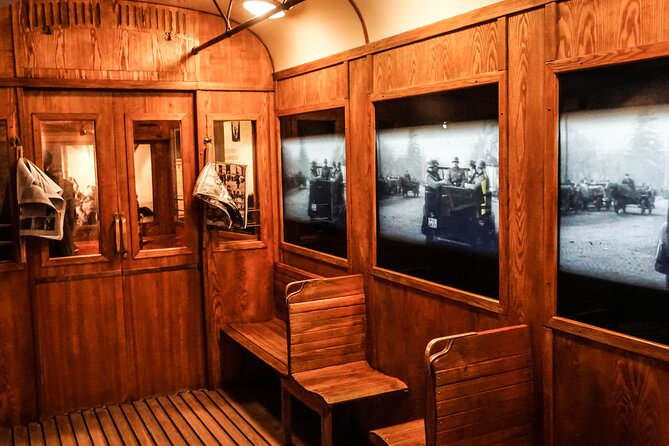
The strongest part of this experience is its account of Krakow during World War II. You see how the city’s Jewish community was targeted and how the Nazi system used law, force, labor, and violence to control people.
That broader story can feel like a surprise, but I think it gives the museum its weight. Schindler’s decision to protect his workers matters more when you understand the danger around them. The factory was not a safe bubble separate from the occupation. It existed inside a system that was destroying families and communities.
The museum also helps correct a common misunderstanding. The title can lead you to expect a building preserved mainly to honor Schindler. Instead, the museum uses the site to tell the story of many people. Schindler is central, but the focus also falls on workers, families, officials, victims, and survivors.
If your interest comes from the film, you will recognize the basic connection. You should also expect a more complicated historical picture. The guided tour can help you separate what the movie dramatized from what the museum presents as historical context.
Is the 90-minute schedule long enough?
Ninety minutes is a sensible length for an introduction. It gives you time to follow the main route without turning the visit into an all-day commitment.
I would not expect to read everything in that time. The museum contains enough text and visual material to reward a slower visit, and the guide’s schedule may move you onward before you have absorbed every detail.
This creates a choice. If you want the main story, dates, and connections explained aloud, 90 minutes works well. If you read carefully or want to examine every photograph, the guided route may feel rushed.
A useful plan is to treat the tour as your first pass. Listen closely to the guide, note the areas you want to revisit, and accept that you will not catch every detail. The tour ends back at the meeting point, so you do not need to arrange a separate transfer afterward.
Planning the visit from Krakow
The meeting point is Lipowa 4, 32-051 Krakow, Poland. Transportation is not included, so you need to make your own way there. The location is near public transportation, which makes it practical to reach from elsewhere in Krakow.
The activity uses a mobile ticket. Confirmation is provided at booking, so keep the booking details easy to access on your phone. One booking problem has involved people being directed through several links before finding the correct confirmation, so check the final ticket information before you set out.
Because the tour is often booked about 22 days ahead, I would not leave it until the last minute if your Krakow dates are fixed. That advance booking pattern also tells you something about demand, particularly during busy periods.
Try to arrive with enough time to find the entrance and gather at the Lipowa 4 meeting point. The tour starts on schedule, and a late arrival could be awkward once the group has entered.
Who will appreciate this experience most
I would recommend the tour to you if you want a guided explanation of Krakow’s World War II story and prefer listening to a clear narrative over reading a large museum on your own.
It is also a good fit for families with older children. A 15-year-old and a 12-year-old have enjoyed the visit, though the subject is serious and includes persecution, murder, and wartime suffering. Parents should decide if that material suits their children.
History enthusiasts will likely get the most from the experience. The museum gives you a useful starting point for understanding Krakow’s occupation and Schindler’s role within it.
I would be more cautious if you want any of the following:
- A preserved factory floor with industrial machinery
- A visit focused almost entirely on Oskar Schindler
- Plenty of time to read every display
- A small, quiet group
- A low-cost museum admission
For a fuller World War II memory route, the Eagle Pharmacy Museum is about a five-minute walk away, and the Gestapo museum can form part of the same Krakow history trail. Those are separate attractions and are not included in this tour, but they can help you build a fuller day around the subject.
Price, value, and the skip-the-line tradeoff
At $45.87 per person, this is a premium museum visit. The value depends on what you want from it.
The price includes admission, a professional guide in your chosen language, and skip-the-line entry. If the queue is long, faster access can save useful time. A good guide can also add context that you would not get from a quick solo visit.
The price is harder to justify if the line is short or if you enjoy reading independently. A basic admission price of around 20 zloty has been cited, creating a large gap between ordinary entry and this package. The guided tour needs to add real value for you to feel good about the cost.
I would book it during a busy period, when quick entry matters and you want a fixed schedule. During a quieter weekday visit, I would compare the price with standard admission and ask myself if I truly need a guide.
Cancellation and practical conditions
Free cancellation is available up to 24 hours before the scheduled start time for a full refund. Changes or cancellations made less than 24 hours before the start are not accepted for a refund, and the cut-off uses Krakow local time.
The tour is offered in English, uses a mobile ticket, and accepts a maximum of 25 people. Most people can take part, but the narrow rooms and standing time may matter if you need extra space or frequent seating.
Should you book Schindler’s Factory guided tour?
Book this tour if you want a well-organized 90-minute introduction to Krakow during World War II, with a guide to explain the occupation, the persecution of Jews, and Schindler’s role.
Do not book it expecting a factory-floor tour. The museum is much more about wartime Krakow than enamel production, and the guided pace may leave little time for close reading. At $45.87, I see it as worthwhile when skip-the-line entry and spoken context matter to you, but expensive if you mainly want to wander through the exhibits at your own speed.
FAQ
Where does the Schindler’s Factory guided tour start?
The tour starts at Lipowa 4, 32-051 Krakow, Poland.
Where does the tour end?
The activity ends back at the meeting point.
How long does the tour last?
The visit lasts approximately 1 hour and 30 minutes.
Is admission to the museum included?
Yes. The package includes a skip-the-line entrance ticket to the museum.
Is a guide included?
Yes. The tour includes a professional guide in your chosen language. This particular experience is offered in English.
Does the tour include transportation?
No. Transportation is not included. The meeting point is near public transportation.
How many people can join the tour?
The maximum group size is 25 people.
Can I cancel for a full refund?
Yes, if you cancel at least 24 hours before the experience start time. Cancellations or changes made less than 24 hours before the start are not accepted for a refund.
Just added around Krakow
- From Krakow: Zakopane and Dunajec River Rafting Tour★ 4.6 · 31 reviews
- From Krakow: Zakopane and Gubałówka Cable Car Private Tour★ 4.3 · 12 reviews
- From Krakow: Zakopane Full-Day Tour with Lunch Option★ 4.4 · 62 reviews
- From Krakow: Zalipie and Painted Village Guided Tour★ 4.0 · 4 reviews
- From Krakow: Zakopane Tatra Mountains & Hot Springs Tour★ 3.0 · 29 reviews
- From Krakow: Zakopane and the Tatra Mountains★ 4.7 · 36 reviews
- From Krakow: Hot Springs and Zakopane with Gubałówka★ 4.7 · 25 reviews
- Zakopane & Tatra Mountains Private Full-Day Tour from Krakow★ 4.5 · 33 reviews
Schindlers Factory Tours, compared.
Oskar Schindler’s Factory Entry Ticket & Guided Tour
Read our review →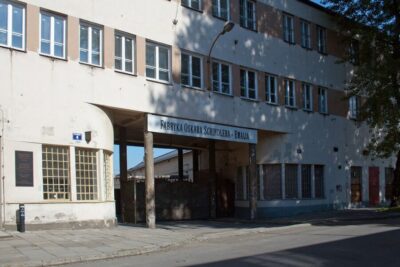
Schindler’s Factory Tour with Entrance Ticket
Read our review →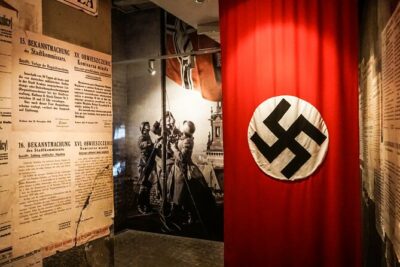
Schindler’s Factory in Krakow: Guided Tour & Skip the Line Ticket
Read our review →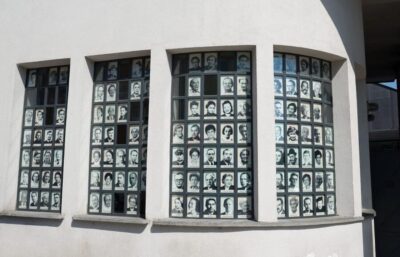
Schindler’s Factory Ticket with Guided Tour Option
Read our review →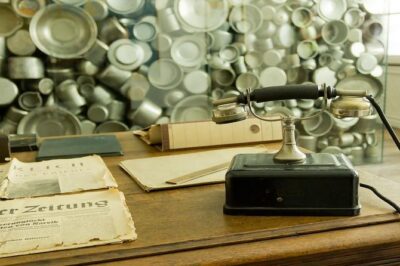
Krakow Schindler’s Factory Guided Tour with Admission Ticket
Read our review →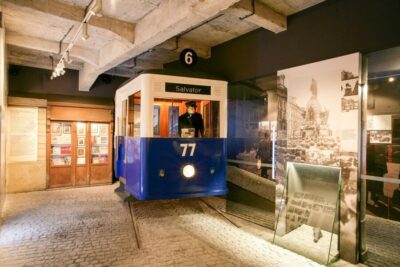
Schindler’s Factory Guided Tour with Entry Ticket
Read our review →Browse the lists this tour appears in