
Reviewed · WALKING TOURS
Warsaw: 2-Hour Praga Walking Tour
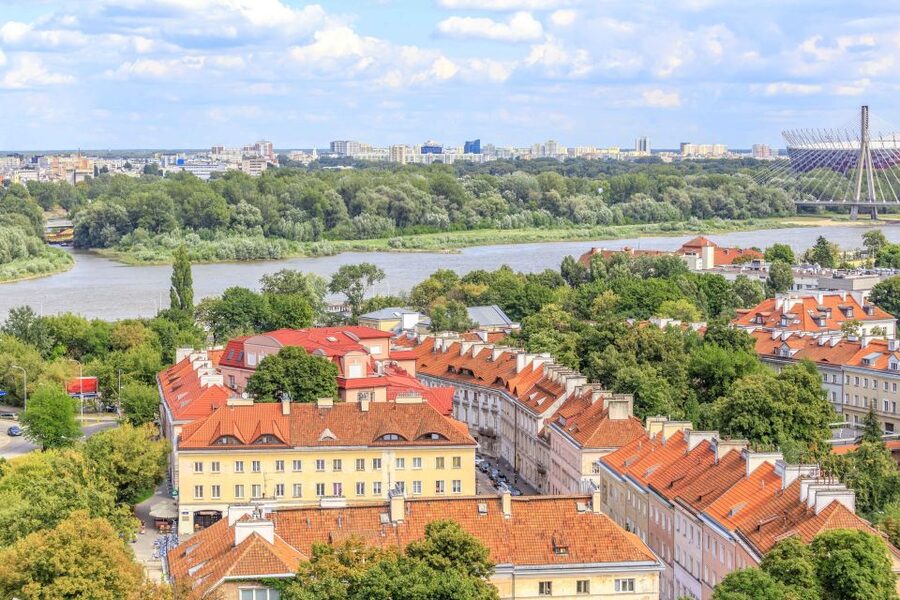
Praga gives you a Warsaw that feels markedly different from the postcard center. On the Vistula’s right bank, old tenements, communist apartment blocks, Orthodox churches, former factories, and new restaurants sit close together. You also see streets connected with Roman Polanski’s film The Pianist and hear how the Warsaw Zoo director and his wife helped save Jews during the war. Marzena, the guide most often named in the feedback, brings plenty of local detail and handles questions well.
I like two things here. First, the tour shows the physical scars of the past, including bullet holes and worn pre-war buildings rather than polished monuments. Second, it connects architecture with people: merchants, factory owners, Jewish and Orthodox communities, artists, and the zoo staff who took enormous risks during the German occupation.
The main consideration is time. Two hours gives you a useful introduction, but not a full study of Praga. The $69 price is reasonable for a private tour with a certified guide, though it is less appealing if you want a long stop inside museums or time for a full meal.
Key points to know before you book

- Bullet-marked pre-war tenements: See surviving buildings that reveal how much of old Praga escaped total destruction.
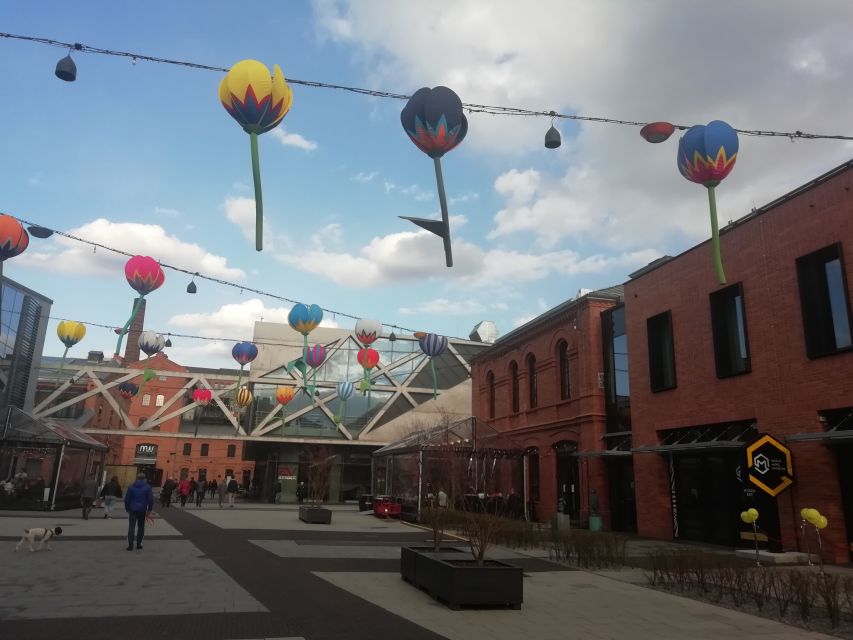
- Koneser vodka factory: Walk through a former industrial complex now used by restaurants, galleries, and design businesses.
- A multicultural district: Learn about Christian, Jewish, and Orthodox communities that once lived and traded side by side.
- The Warsaw Zoo story: Hear how the zoo director and his wife helped hide and save hundreds of Jews.
- Private two-hour format: Ask questions freely, with English, German, or Polish guiding available.
- Simple meeting point: Meet at the Metropolitan Cathedral of Maria and Magdalena, beside the M2 subway exit.
Why Praga feels unlike central Warsaw
Most first visits to Warsaw begin on the left bank of the Vistula, around the Old Town, Royal Route, and rebuilt historic center. Praga sits across the river, only a short distance away, but its character is different. Trade and industry shaped this side of the city, and its buildings carry more visible signs of age.
That contrast is the point of the walk. You do not simply move from one grand sight to another. You read the streets. A patched facade, a grey communist-era block, an old factory wall, or a neglected courtyard can tell you more about Praga than a polished monument.
Praga also developed as a meeting place for several communities. Christians, Jews, and Orthodox residents lived and worked here, and the district’s religious buildings and former Jewish sites reflect that past. The tour helps you connect those pieces instead of seeing them as unrelated stops.
I find this approach useful after visiting Warsaw’s rebuilt center. The Old Town explains how Poland restored its national image. Praga shows what remained ordinary, practical, and imperfect around it.
A few more Warsaw trips to weigh up
- Warsaw: Old Town Highlights Walking Tour in English
★ 4.7 · 1,516 reviews - Warsaw: Old Town Guided Walking Tour
★ 4.9 · 599 reviews - Half-Day Polish Food Walking Tour with Guide and Dinner
★ 4.5 · 381 reviews
Starting at the Metropolitan Cathedral of Maria and Magdalena
The meeting point is in front of the Metropolitan Cathedral of Maria and Magdalena at aleja Solidarności 52. Your guide waits by the exit from the M2 subway with a PolinTours sign. That detail matters because the cathedral has a formal address, while the subway exit gives you a much easier visual reference.
The cathedral is also a fitting place to begin. It introduces the religious side of Praga before you move into its markets, tenements, and industrial quarters. The tour does not treat the district as a collection of old buildings. Instead, the guide sets up the mix of faiths, commerce, and migration that shaped this bank of the river.
You should arrive in comfortable shoes. The route is a walking tour, and the supplied guidance also recommends sunglasses, a sun hat, and sunscreen. No hotel pickup is included, so plan your route to the cathedral before the start time rather than assuming transport is arranged for you.
Reading Praga’s pre-war streets
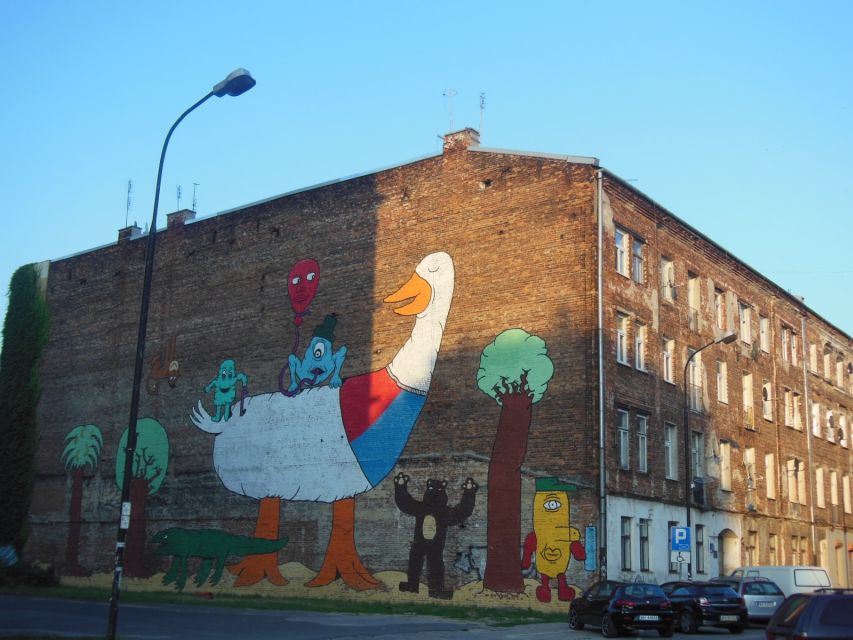
The strongest part of the experience is the street-level look at old Praga. You see tenement houses with bullet holes, a direct reminder that war and political violence affected ordinary homes, not only military sites. These marks are small, but they change how you see the street around them.
The district also includes grey apartment blocks from the communist period and post-industrial areas that once served practical, commercial purposes. Together, the buildings create a less tidy but more revealing picture of Warsaw’s twentieth century.
This is where a good guide earns the fee. Marzena is repeatedly singled out for making the history clear, interesting, and easy to discuss. She is also praised for answering questions from solo visitors and for adding social detail, not just dates and building names. If you are curious about architecture, ask how a building’s use changed over time. If you care about daily life, ask about trade, housing, and the people who worked in the district.
The drawback is that street interpretation depends on the guide and on your own interest. You will not get the same visual payoff as at a major palace or museum. Praga rewards attention to small details, so keep your eyes up and your pace steady.
Różycki Bazaar and the old trading spirit
Różycki Bazaar represents the commercial side of Praga. The tour explains how local entrepreneurs helped turn the area into an important trading center before the war and, later, into a symbol of free trade during the communist period.
That context makes the bazaar more than a quick photo stop. Markets reveal what people could buy, sell, and exchange when official systems were limited or tightly controlled. A place like this helps explain why Praga has long been associated with enterprise and informal commerce.
You should not expect a food tour. Lunch, food, and drinks are not included, and the walk is built around history and observation rather than tastings. If you want to eat, arrange that separately before or after the tour. This is useful to know because the two-hour schedule can pass quickly, especially when the guide is answering questions.
The bazaar also helps balance the darker parts of the route. After seeing war damage and neglected architecture, you get a clearer sense of how people kept business and community life going.
Same country, a completely different kind of day:
- Warsaw: Chopin Concert in the Old Town
★ 4.8 · 2,287 reviews - Warsaw: Traditional Galar Cruise on The Vistula River
★ 4.6 · 1,640 reviews - Warsaw Concert: Chopin – Painted by Candlelights with Wine
★ 4.8 · 1,442 reviews - Warsaw: City Sightseeing Hop-On Hop-Off Bus Tour
★ 3.6 · 1,415 reviews
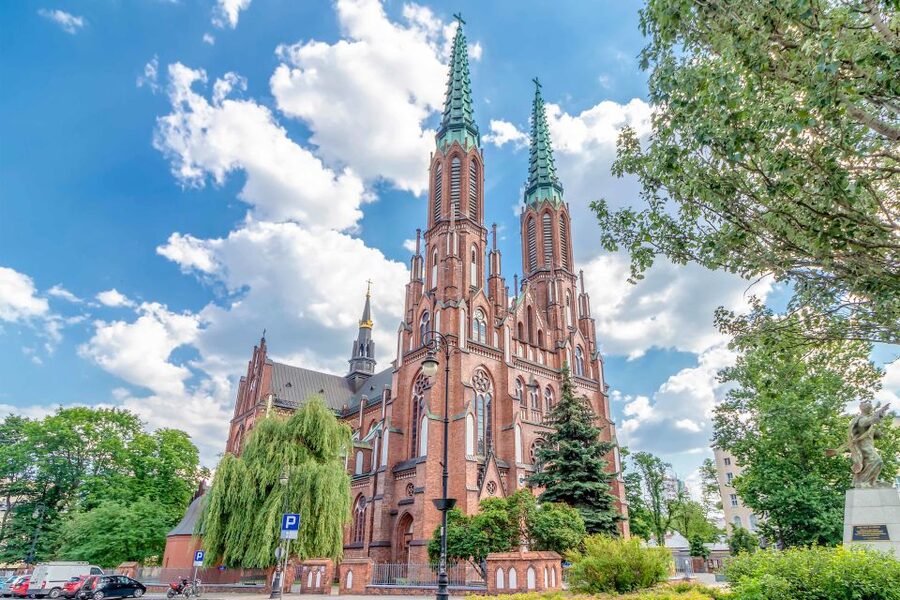
St. Florian Cathedral and Praga’s religious mix
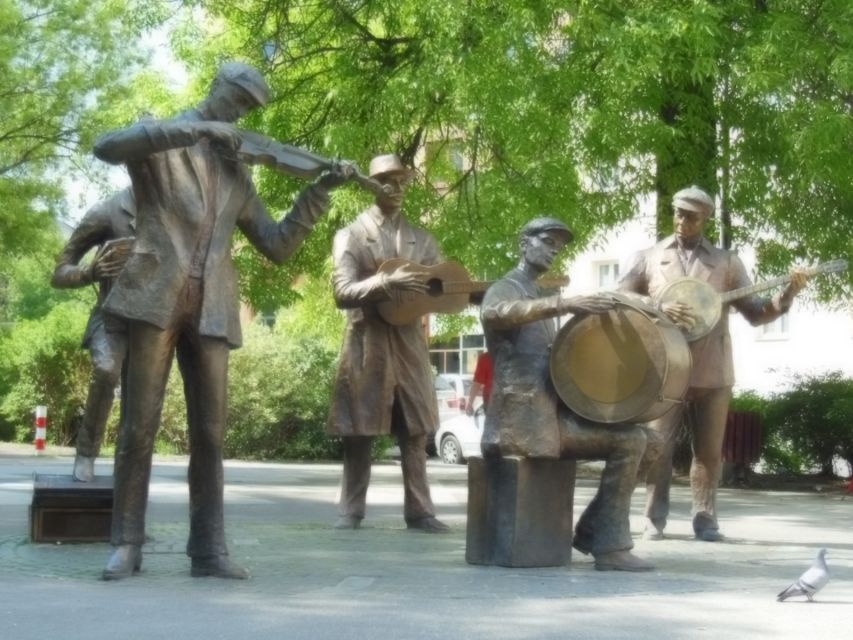
St. Florian Cathedral is one of the district’s main landmarks and an important part of the tour’s religious story. Along with the Metropolitan Cathedral at the starting point, it helps you understand how Catholic institutions shaped Praga’s public identity.
The route also points to an Orthodox church and the former site of a synagogue and ritual bath. These places matter because they show that Praga was not shaped by one community alone. Christian, Jewish, and Orthodox life existed in the same wider district, with trade and neighborhood ties connecting people across religious lines.
Some sites are easier to understand from a guide’s explanation than from the building alone. A former synagogue site may not look as dramatic as a surviving cathedral, but it can carry just as much meaning. This is one reason the private format works well: you can stop to ask what remains, what disappeared, and how the district changed.
The walking route does not promise extended interior visits at every religious site. Think of this as an outdoor history tour with landmarks along the way, not a church sightseeing circuit.
The Warsaw Zoo director and his wife
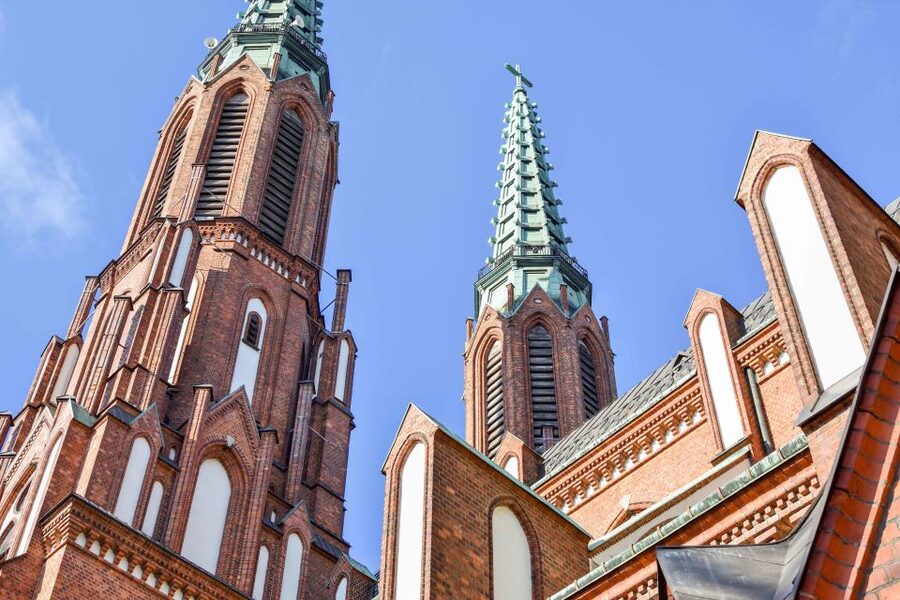
One of the most moving sections concerns the director of the Warsaw Zoo and his wife. During the war, they helped save hundreds of Jews from the Warsaw Ghetto. The story adds a human scale to a district often described through buildings and urban change.
You hear about courage expressed through practical acts: using an institution, a home, and personal trust to protect people under extreme danger. The story is especially effective within a walking tour because it connects the wider history of wartime Warsaw with real places and local residents.
The supplied details do not identify the director and his wife by name, so you should ask the guide for the names and for any further context during the walk. That is a good example of where a private tour has an advantage. You can follow up rather than simply moving on with a large group.
This section may be particularly valuable if you have already visited sites connected with the Warsaw Ghetto and want a different angle on the city’s wartime story. It shifts attention from destruction alone to the people who took action to help others.
Streets connected with The Pianist
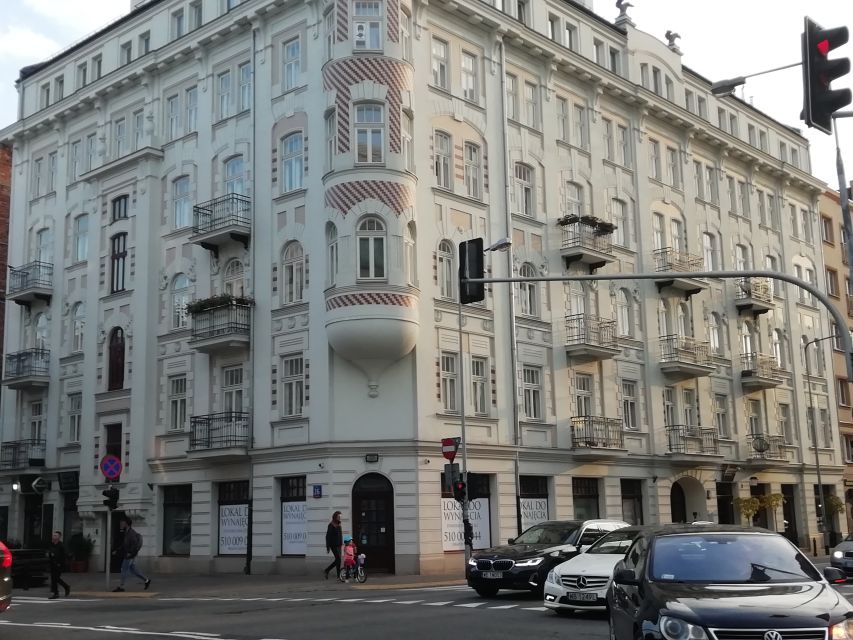
The route includes streets used for filming Roman Polanski’s Oscar-winning movie The Pianist. Film locations can sometimes feel like a gimmick, but here they fit the district’s worn facades and pre-war atmosphere.
The value is not simply recognizing a scene. The streets also help you see why filmmakers chose this part of Warsaw. Old tenements, rough surfaces, and layers of twentieth-century construction create a setting that feels unlike the restored center.
If you know the film, the connection adds an extra layer to the walk. If you have not seen it, the locations still make sense as part of Praga’s architecture and wartime associations. Do not expect a film-themed tour with clips or a detailed production lecture. The movie is one thread in a broader local history.
Koneser and Praga’s new creative life
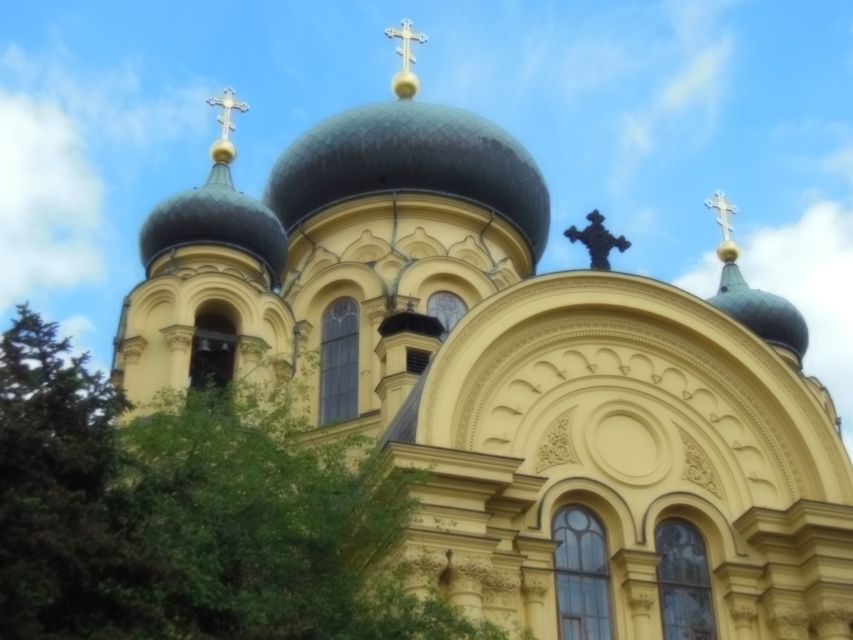
The former Koneser vodka factory is the clearest example of Praga’s industrial past meeting its current creative scene. The complex once served production, while parts of the post-industrial district now house art galleries, boutique designers, and restaurants.
I like this contrast because it avoids presenting Praga as frozen in the past. The district is not only about bullet holes, old markets, and wartime stories. Former industrial spaces now support new businesses and cultural activity, changing how residents and visitors use the area.
At the same time, you should keep your expectations realistic. The tour takes you through the complex, but the two-hour format does not allow for a long meal, shopping session, or detailed gallery visit. Treat Koneser as an architectural and urban-change stop. Return later if you want to eat or spend time inside its businesses.
This is also a useful point for comparing Warsaw neighborhoods. The city’s growth is visible in Praga through the way old factories gain new uses while older housing and social issues remain close by.
A private tour with Marzena or another PolinTours guide
The tour is private, which changes the pace and tone. You can ask about a detail that catches your eye, pause for clarification, or focus more on architecture, wartime events, religion, or social life. That flexibility is harder to get in a large group.
Marzena is the guide name most often associated with this experience. The feedback describes her as patient, entertaining, and well informed, with a strong ability to explain both history and architecture. One German-language booking also praised the amount of social information about the district.
Guiding is offered in English, German, and Polish. You should confirm your preferred language when booking. The private format is especially useful for a solo visitor, a couple, or a small family that wants conversation rather than a set speech.
There is one practical warning. A last-minute change to the start time caused one booking to be missed when the tour moved from 10 a.m. to 2 p.m. That appears to be an isolated scheduling problem rather than a description of the walking route, but it is a good reason to check the confirmed time before setting other plans.
Is $69 a fair price for two hours?
At $69 per person, the value depends on group size and how much you want personal attention. For a private tour, a certified guide, and a district that is harder to understand through a quick self-guided walk, the price can make sense. You are paying for interpretation, not admission tickets or meals.
The value is strongest if you want to ask questions. Marzena’s ability to explain architecture, local history, and social details is repeatedly praised, and those are the subjects that benefit most from a personal guide.
The price is less attractive if you mainly want photographs or expect several indoor attractions. No lunch, drinks, hotel pickup, or drop-off are included. The tour is also only two hours, so you will need another plan if you want to explore Koneser at length or spend more time at the market.
Free cancellation up to 24 hours before the tour and reserve-now, pay-later booking add useful flexibility. Still, check your start time carefully, especially if you have train reservations, museum tickets, or a tightly packed Warsaw schedule.
Who will get the most from this walk?
I would choose this tour if you have already seen the Old Town and want a less polished, more complicated side of Warsaw. It suits anyone interested in urban history, architecture, wartime stories, religious communities, or the reuse of old industrial sites.
It is also a good choice for a solo visitor who wants conversation. The private setup lets you ask questions without feeling that you are holding up a group, and the guide can respond to your particular interests.
Families with older children may appreciate the mix of markets, film locations, churches, factories, and personal stories. Younger children may find two hours of architecture and historical explanation less engaging, though the film connection and zoo story could help.
You should skip it if you want a food-focused outing, an indoor museum experience, or a fast tour of Warsaw’s headline sights. Praga is best approached with curiosity and comfortable shoes, not a checklist mentality.
Should you book the Praga walking tour?
Book it if you want to see how Warsaw’s past survives in ordinary streets. The most worthwhile elements are the bullet-marked tenements, the multicultural history, the zoo rescue story, and Koneser’s shift from factory to creative complex.
The tour earns its place in a Warsaw itinerary because it adds texture to the restored center. Just remember that two hours is an introduction. Wear practical shoes, meet at the cathedral by the M2 exit, confirm the language and start time, and leave room in your schedule to return to Koneser or Różycki Bazaar on your own.
FAQ
Where does the Praga walking tour meet?
Meet in front of the Metropolitan Cathedral of Maria and Magdalena at aleja Solidarności 52, 03-402 Warszawa. The guide waits at the cathedral exit from the M2 subway with a PolinTours sign.
How long is the tour?
The walking tour lasts two hours.
Is this a private tour?
Yes. The activity is offered as a private group tour.
Which languages are available?
Guiding is available in English, German, and Polish.
What does the price include?
The $69 price includes a certified tour guide. Lunch, food, drinks, hotel pickup, and hotel drop-off are not included.
Can I cancel or pay later?
You can cancel up to 24 hours in advance for a full refund. Reserve-now, pay-later booking is also available.
Just added around Warsaw
- World War II Warsaw Old Town, Military Cemetery Walking Tour★ 4.7 · 3 reviews
- Warsaw: Wolf’s Lair & Swieta Lipka Small-Group Tour + Lunch★ 5.0 · 3 reviews
- Wilanów Palace: 2-Hour Guided Tour with Entrance Tickets★ 4.8 · 8 reviews
- Warsaw Zoo Skip-the-Line Entry Ticket with Private Transport★ 4.8 · 3 reviews
- Warsaw Wolf’s Lair with St. Lipka and Mamerki Private Guided★ 4.2 · 3 reviews
- Warsaw: Vistula River Cruise with Your Music & City Views★ 4.6 · 78 reviews
- Warsaw: Private Vodka Tasting Night with Snacks and Pickup★ 5.0 · 7 reviews
- Warsaw Private Wilanow Palace & Garden Tour★ 4.6 · 30 reviews
Walking Tours, compared.
Gdańsk City Sights & History Guided Walking Tour in English
Read our review →
Browse the lists this tour appears in