
Reviewed · MUSEUMS
Warsaw: Guided tour of the Cold War Museum
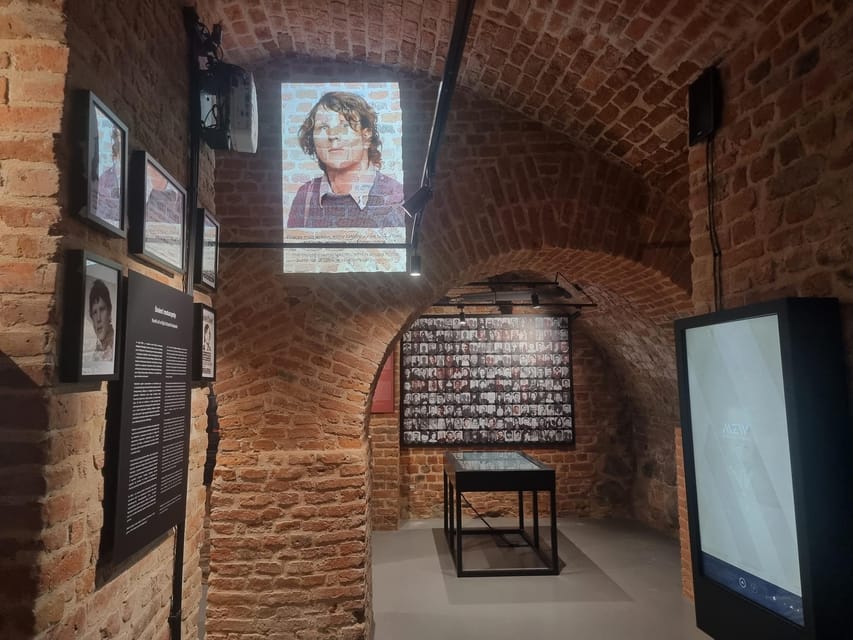
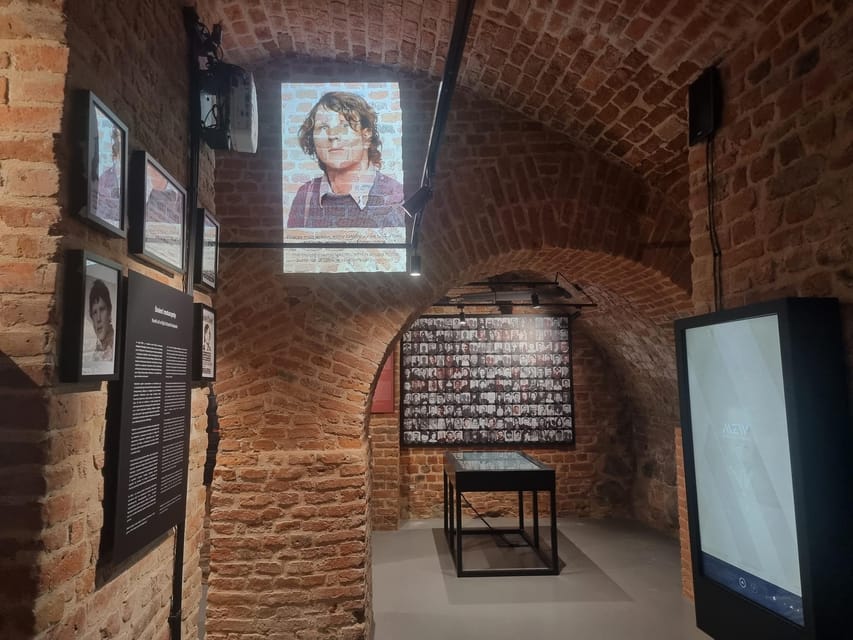
The most striking thing here is the museum’s setting. During communist rule, this building housed a militia station where high-school student Grzegorz Przemyk was beaten to death. That painful connection gives the displays more weight than a simple collection of Cold War gadgets. I like the Polish point of view and the way the museum links global events to people who lived under the Soviet bloc.
I also like the mix of original objects and hands-on exhibits. You can study uniforms and maps, then use VR goggles or a quiz to test what you have learned. The main consideration is the museum’s clear admiration for Ronald Reagan, Pope John Paul II, and General Ryszard Kukliński, so you should expect a strongly framed interpretation rather than a fully neutral account. It is also not suitable for wheelchair users.
Key points to know before you go
- A Polish story of the Cold War: The museum explains the rivalry between the United States and the Soviet Union through Poland’s experience behind the Iron Curtain.
- Original Cold War objects: Expect devices, maps, uniforms, and other material connected with the period.
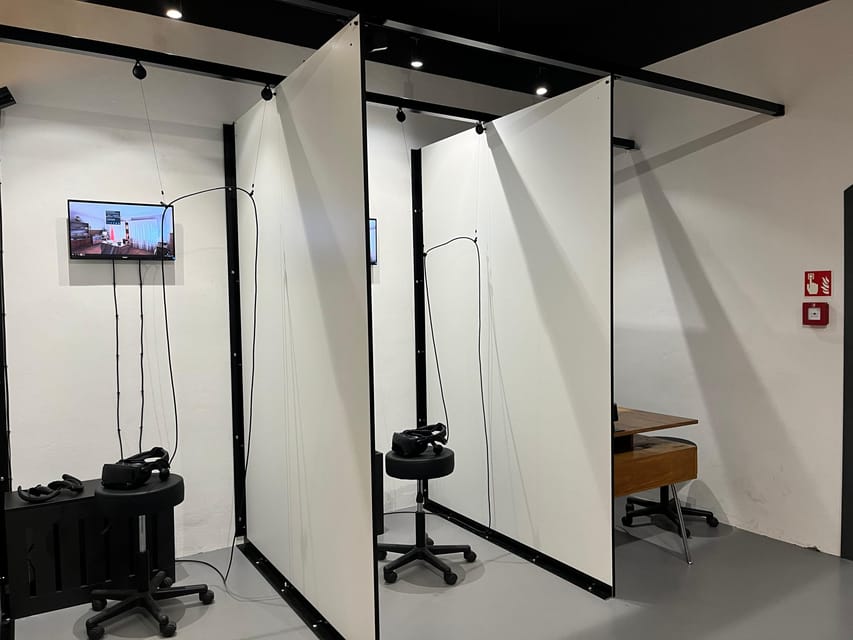
- Three VR games: The virtual-reality activities give younger visitors and technology fans a more active way to approach the subject.
- Space exploration displays: A hologram of a space station and material about space flights add the competition beyond military and political events.
- Guides with strong personal involvement: Filip, identified as the museum’s director, and Cyprian are among the guides praised for clear English and passionate presentations.
- Good value for a group: The $78 price covers up to 10 people, making the cost per person attractive for a family or small party.
Why this museum matters in Warsaw
Warsaw has no shortage of museums dealing with war, occupation, resistance, and communism. This one focuses on the decades after the Second World War, when the world was divided into two armed camps without a direct full-scale war between the United States and the Soviet Union.
That period can sound abstract in a textbook. Here, the museum tries to make it concrete. You see the tools, clothing, maps, and images tied to the confrontation. You also learn how Poland was pulled into the Soviet bloc and how ordinary life was shaped by that political division.
The building itself is part of the lesson. Its former use as a communist militia station connects international politics with state violence inside Poland. The death of Grzegorz Przemyk is not a side note. It reminds you that the Cold War was not only about missiles, leaders, and espionage. It also affected students, families, churches, workers, and political prisoners.
I find that setting especially useful if you have already seen Warsaw’s Old Town and want to understand the city’s postwar experience. The museum does not present communist-era Poland as distant history. Its story is tied to a place where the system’s power was used against a young man.
A few more Warsaw trips to weigh up
- Warsaw: POLIN Museum of the History of Polish Jews Ticket
★ 4.7 · 1,142 reviews - Warsaw: Polish Vodka Museum Tour with Tasting
★ 4.6 · 788 reviews - Warsaw: Museum World of Illusion Entry Ticket
★ 3.9 · 666 reviews
Starting near Old Town Square
The meeting point is at the Registry Office of the Capital City Warsaw, about 40 meters from the Old Town Square. That is a practical location if you are already visiting the center, although the museum itself is the main destination rather than a stop on a longer sightseeing route.
You meet the guide there and visit the Muzeum Zimnej Wojny im. generała Kuklińskiego. The experience lasts from 90 minutes to two hours, depending on the schedule and pace of the guided visit. That is long enough to give the subject real attention, but short enough to fit around a morning or afternoon in central Warsaw.
The tour returns to the same starting area. You do not need to plan a separate end point, and the central location makes it easy to continue with Old Town sights afterward.
The experience includes admission, the guided tour, and access to the attractions inside the exhibition. You also skip the ticket line, which is helpful when you are working with a tight sightseeing plan.
A museum built around more than objects
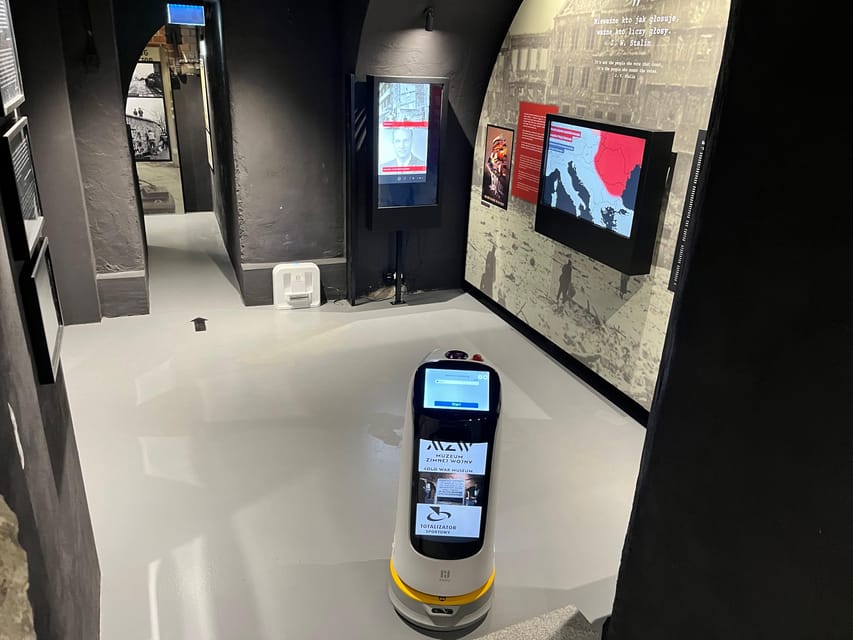
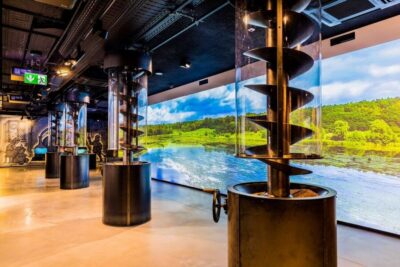
The exhibition uses more than 50 multimedia elements. These include touch screens, multimedia tables, VR goggles, a cinema, an autonomous robot, and a hologram of a space station.
That variety changes the pace. You are not expected to spend the entire visit reading long text panels. One display may give you a date or political explanation, while another asks you to interact with the subject. The format should work well for families, teenagers, and anyone who finds a conventional military museum tiring.
Still, the technology is a tool, not the whole point. The best reason to visit is the story behind the displays. The multimedia equipment helps you follow the story of the Cold War, from its beginnings through the rivalry between the two blocs and the eventual collapse of Soviet control.
The museum is open to Polish and foreign visitors of all ages. Children have attractions designed for them, and four-legged visitors are also allowed. Food, drinks, smoking, vaping, alcohol, and drugs are not allowed inside.
Original devices, uniforms, and maps
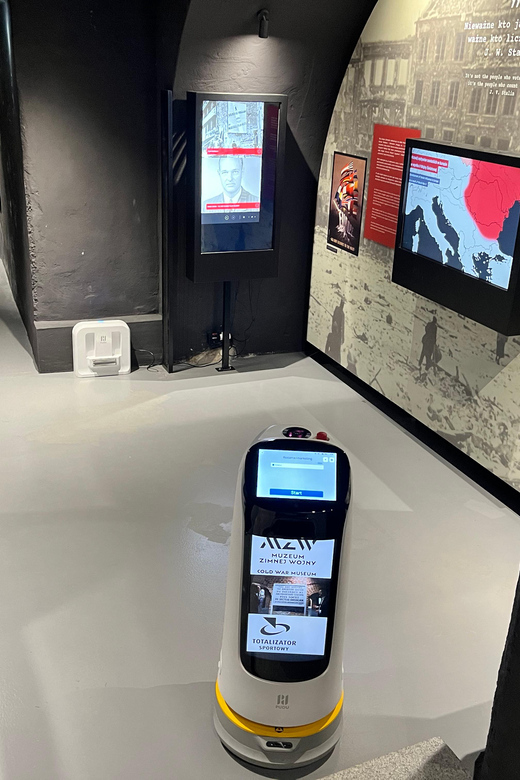
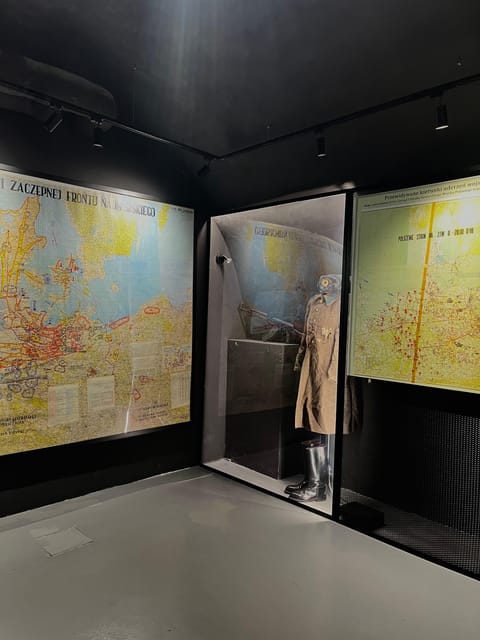
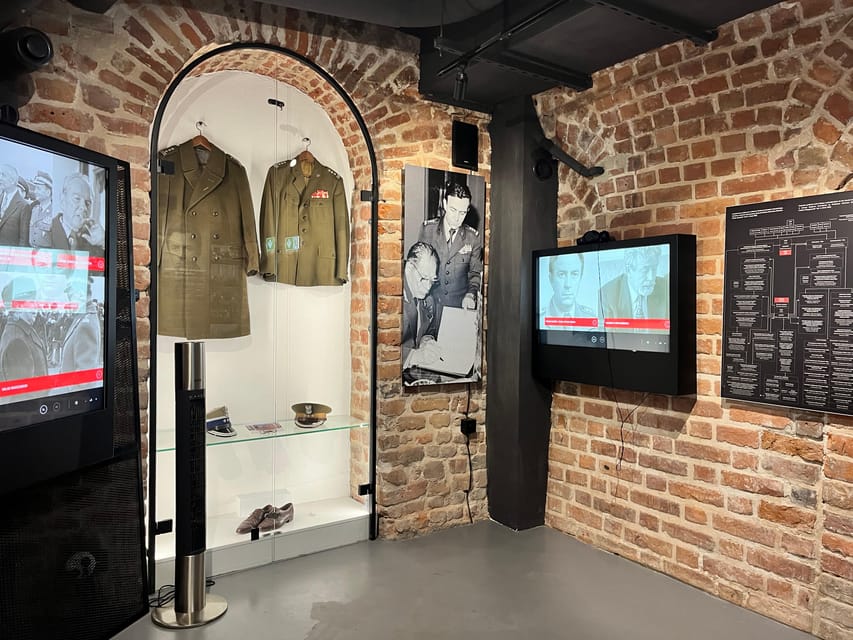
The physical collection gives the exhibition its anchor. You can see original devices, maps, and uniforms used during the Cold War. These objects help turn a huge international conflict into something you can picture at close range.
Maps are especially important because Poland’s position cannot be understood without geography. The country sat inside the Soviet sphere, close to the dividing line between the two blocs. A map can show why military planning, borders, alliances, and troop movements mattered so much to Polish citizens.
Uniforms offer a different kind of evidence. They show the institutions that carried out military and political power. Devices bring the period down to an even more practical level. Instead of seeing the Cold War only through famous speeches, you get reminders of the systems and people that made the confrontation function day after day.
The museum’s collection also gives you a break from digital displays. That balance matters. Touch screens and VR can make a subject easier to grasp, but original material gives the visit a physical connection to the past.
Same country, a completely different kind of day:
- Warsaw: Chopin Concert in the Old Town
★ 4.8 · 2,287 reviews - Warsaw: Traditional Galar Cruise on The Vistula River
★ 4.6 · 1,640 reviews - Warsaw: Old Town Highlights Walking Tour in English
★ 4.7 · 1,516 reviews - Warsaw Concert: Chopin – Painted by Candlelights with Wine
★ 4.8 · 1,442 reviews
The multimedia quiz keeps the story moving
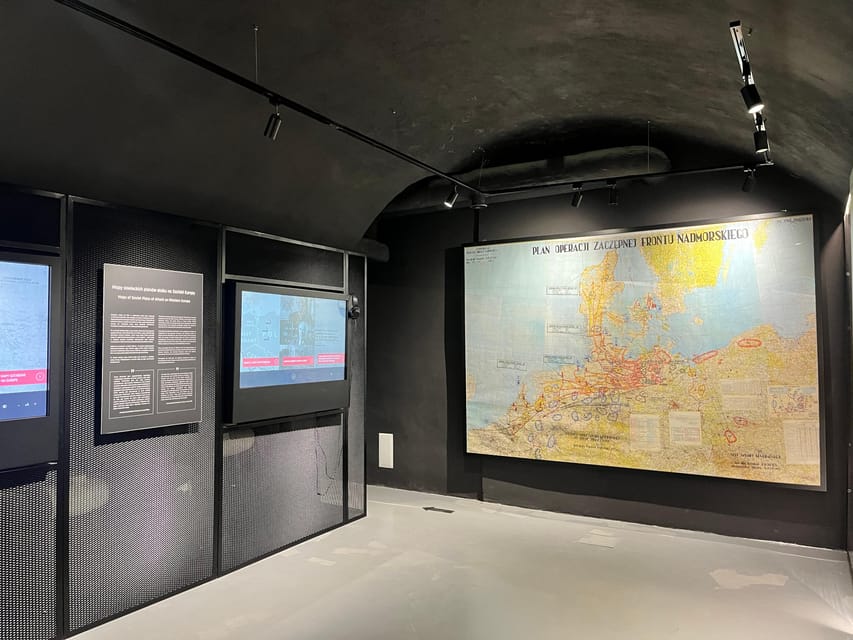
One of the most useful interactive elements is the multimedia knowledge quiz. You can take part during the visit and check your understanding of the Cold War as the exhibition unfolds.
This is not just a children’s game. The Cold War involved a long chain of alliances, crises, leaders, and turning points, so a quiz can help you sort out who was involved and how events connected. If you arrive with only a general idea of the period, the questions give you a simple way to see what you have picked up.
Families should find this particularly helpful. A 12-year-old and a 16-year-old can engage with the same topic in a more active way than by reading labels alone. Adults can join in too, especially if the political history feels tangled.
The quiz does not replace the guide. The live explanation is what gives the dates and names meaning. Use the interactive material as reinforcement, not as the museum’s entire lesson.
Space flights and the hologram station
The exhibition also covers the history of space flights. This widens the story beyond Poland and Europe, showing how the Cold War rivalry reached into science, engineering, propaganda, and national pride.
A hologram of a space station is one of the more unusual features. It gives the space section a visual focus and should appeal to children who may not yet care about diplomatic history. Space competition is also a useful way to explain the period to first-time learners. The rivalry was not limited to armies and nuclear weapons. Both blocs wanted to prove that their political and economic system could produce the most advanced science.
This section can make the museum a better choice for a mixed-age group. One person may come for twentieth-century Polish history, while another is drawn by the space program. The exhibition gives both of you a way in.
Three VR games with a clear purpose
The three VR games let you take a more active role in the Cold War story. The material describes them as a chance to feel like a participant in the period, rather than a person simply watching events from a distance.
That is a good fit for younger visitors and for adults who enjoy interactive museums. VR can also help break up a serious subject. The story includes repression, fear, political violence, and the threat of nuclear conflict, so a hands-on section gives the visit some breathing room.
You should not book this experience only for the games. They are part of the exhibition, not a separate amusement attraction. Their value comes from helping you connect with the period’s tension and decisions.
Because the museum includes many multimedia elements, the exact flow may depend on the guide and the pace of the group. A small private group of up to 10 should have an easier time asking questions and sharing the interactive sections than a crowded general visit.
The museum’s heroes and its point of view
A major part of the story is built around three figures from the final two decades of the Cold War: US President Ronald Reagan, Pope John Paul II, and Polish General Ryszard Kukliński.
John Paul II matters especially in a Polish setting. His public role and connection with Poland are presented as part of the pressure that challenged communist rule. Reagan represents the American side of the confrontation. Kukliński is the figure most closely tied to the museum’s identity and name.
The museum presents Kukliński as a crucial Polish and American hero. That is a powerful story, but you should recognize the framing before you arrive. The exhibition presents the Polish contribution to the victory of the free world over Soviet communism, and its language is openly anti-Soviet.
I do not see that as a reason to avoid the museum. It is a reason to pay attention to how the story is told. You will gain a strong understanding of one Polish interpretation of the Cold War, especially the roles of resistance, faith, intelligence, and American support. If you want a neutral survey of every debate surrounding Kukliński or the final years of the Soviet Union, you may need another source alongside this visit.
What the guides add
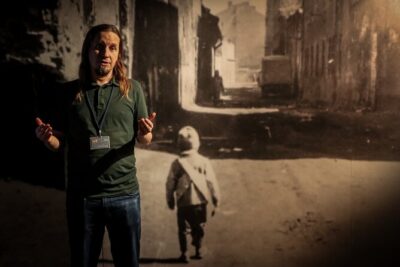
A good guide is important here because the subject contains many names and overlapping events. The strongest guide experiences connected with the museum involve Filip and Cyprian.
Filip is the museum’s director and has been described as giving a broad survey of Poland after the Second World War, including its movement into the Soviet bloc. His English is good, and his presentation of Kukliński gives the visit a clear human focus.
Cyprian is praised for his involvement and wide command of the subject. If you are assigned one of these guides, expect more than a simple walk past displays. The guide can connect the objects to the political story and explain why particular people and events matter.
The stated live-tour languages are Polish and English. Other language options are also listed for the guided tour, including Russian, German, and Spanish, but you should confirm the language available for your chosen time when booking.
Price, timing, and who gets the best value
The price is $78 per group of up to 10 people. For a full group, that works out to less than $8 per person before any currency changes, which is strong value for admission, a guide, and all exhibition attractions.
For two people, the per-person cost is higher, but the private or small-group format may justify it if you want to ask questions. The museum’s subject benefits from conversation, especially when you are trying to understand Polish experiences that may be unfamiliar to you.
The 90-minute to two-hour length is another plus. You get a focused museum visit without giving up an entire day. I would allow the full two hours if your group includes children or if you want time for the quiz, VR games, and space exhibits.
The museum is not suitable for wheelchair users. That is important to check before you pay. The no-food and no-drink rule is standard for a museum, but remember it if you are visiting with children.
Cancellation is flexible: you can cancel up to 24 hours in advance for a full refund. You can also reserve now and pay later, which helps if your Warsaw schedule is still changing.
Best for families, history fans, and curious first-time learners
I would recommend this experience most strongly to three types of visitors. First are people who want to understand Poland’s place in the Cold War rather than only see the city’s medieval center. Second are families with older children and teenagers who respond well to games, VR, and short interactive tasks. Third are visitors interested in the Reagan, John Paul II, and Kukliński story.
It also suits anyone who likes a guide-led museum. The exhibition contains enough technology to explore, but the period is complicated enough that personal explanation adds real value.
The experience may be less suitable if you want a quiet art museum, a completely detached academic account, or a tour focused mainly on everyday consumer life under communism. Its focus is the contest between the two blocs, Poland’s position inside that contest, and the people the museum credits with helping defeat Soviet communism.
Should you book the Cold War Museum?
Book it if you want a short, active, strongly Polish introduction to the Cold War. The original objects give the exhibition substance, while the quiz, space-station hologram, robot, cinema, and VR games keep the visit moving.
I especially recommend it for a small group that can make good use of the $78 group price and ask the guide questions. The museum’s clear political viewpoint is worth knowing in advance, but it also gives the visit its energy and purpose.
Skip it only if accessibility is a concern, or if you are looking for a neutral, exhaustive account of every side of the Cold War. For most visitors who want to connect Warsaw with the final decades of communist Europe, this is a worthwhile stop close to Old Town Square.
FAQ
Where does the tour meet?
The meeting point is the Registry Office of the Capital City Warsaw, about 40 meters from Old Town Square.
How long does the Cold War Museum tour last?
The visit lasts between 90 minutes and two hours. Starting times depend on availability.
What is included in the price?
Admission to the exhibitions, access to all attractions within the exhibition, and a guided tour are included.
How much does the tour cost?
The price is $78 per group of up to 10 people.
Which languages are available?
The live tour guide languages are Polish and English. The tour information also lists Russian, German, and Spanish among the guided-tour languages, so confirm the available language when booking.
Can children visit the museum?
Yes. The museum is open to visitors of all ages and includes attractions for children, including interactive activities and VR games.
Is the museum suitable for wheelchair users?
No. The experience is listed as not suitable for wheelchair users.
Can I bring food or drinks inside?
No. Food and drinks are not allowed. Smoking, vaping, alcohol, and drugs are also prohibited.
Can I cancel the booking?
Yes. You can cancel up to 24 hours in advance for a full refund. A reserve-now, pay-later option is also available.
Just added around Warsaw
- World War II Warsaw Old Town, Military Cemetery Walking Tour★ 4.7 · 3 reviews
- Warsaw: Wolf’s Lair & Swieta Lipka Small-Group Tour + Lunch★ 5.0 · 3 reviews
- Wilanów Palace: 2-Hour Guided Tour with Entrance Tickets★ 4.8 · 8 reviews
- Warsaw Zoo Skip-the-Line Entry Ticket with Private Transport★ 4.8 · 3 reviews
- Warsaw Wolf’s Lair with St. Lipka and Mamerki Private Guided★ 4.2 · 3 reviews
- Warsaw: Vistula River Cruise with Your Music & City Views★ 4.6 · 78 reviews
- Warsaw: Private Vodka Tasting Night with Snacks and Pickup★ 5.0 · 7 reviews
- Warsaw Private Wilanow Palace & Garden Tour★ 4.6 · 30 reviews
Museums, compared.
Auschwitz-Birkenau Museum and Memorial Guided Tour from Krakow
Read our review →
POLIN Museum of the History of Polish Jews Ticket
Read our review →
Krakow Schindler’s Factory Museum Guided Tour in English
Read our review →
Auschwitz Birkenau Museum Guided Tour with Pickup
Read our review →
Browse the lists this tour appears in