Reviewed · WARSAW TOURS
Warsaw: Private Communism Tour with Hotel Pickup
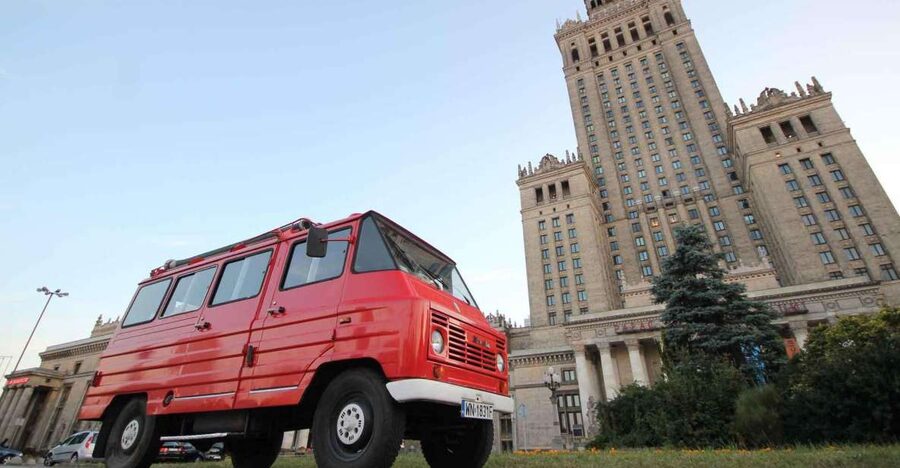
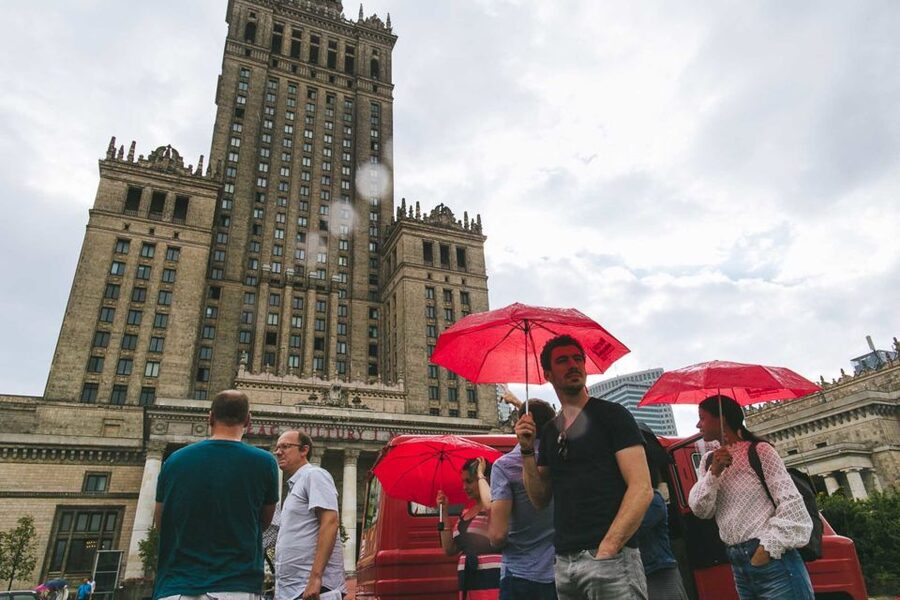
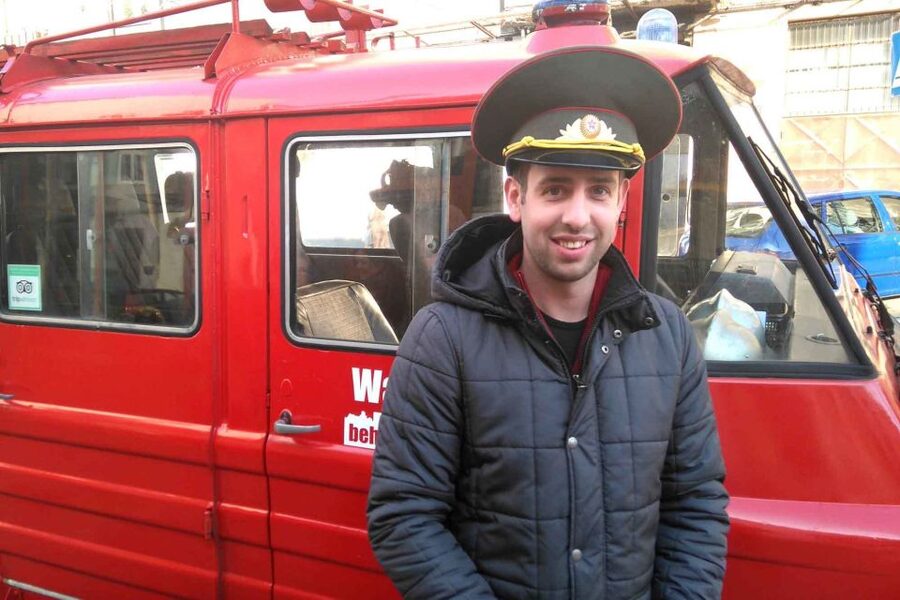
Warsaw’s communist past makes the most sense when you see it from a Żuk retro minibus, the very sort of practical Polish vehicle that once served everyday life. This private three-hour tour links major sites with stories about food shortages, censorship, work, housing, and the small tricks people used to get by.
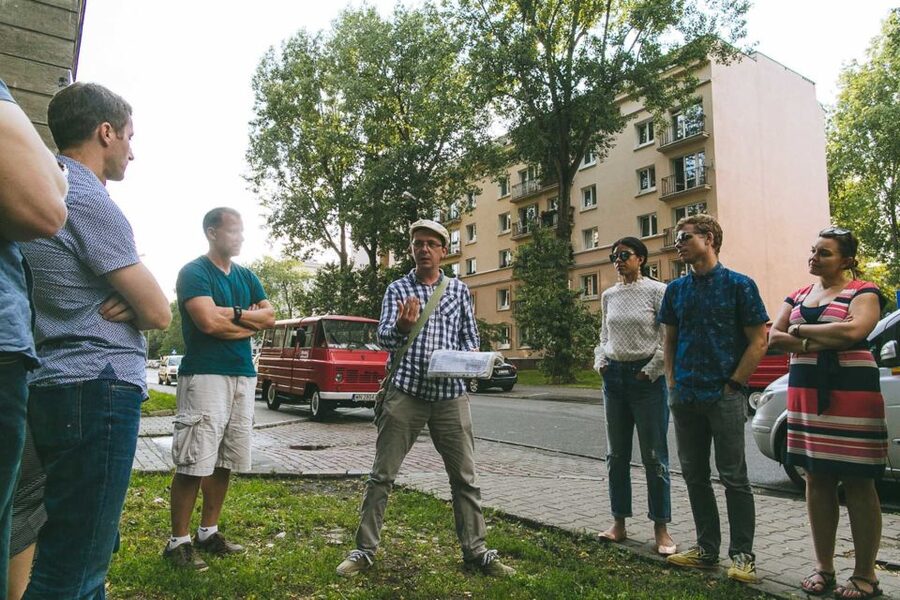
I like the private format, which gives you room to ask direct questions and adjust the pace. I also like the guides’ willingness to personalize the route: Martin added two church stops for one group, while Lucasz earned praise for his friendly approach. The main consideration is comfort. These historic vehicles have no air conditioning, and some do not have seat belts, though heating is provided in winter.
Key points at a glance
- Ride in a real Żuk minibus: The vehicle is part of the subject, not just a way to get around.
- See Warsaw’s socialist center: The Palace of Culture and Science and Constitution Square reveal how the city was rebuilt after the war.
- Learn about ordinary life: The focus reaches beyond leaders and monuments to shortages, censorship, work, and informal networks.
- Travel privately with an English-speaking guide: You get space for questions and a more flexible pace.
- Cover more ground in three hours: The minibus handles transfers while you walk at each stop.
- Know the comfort trade-off: Historic vehicles may lack air conditioning, and some have no seat belts.
Why the Żuk sets the tone
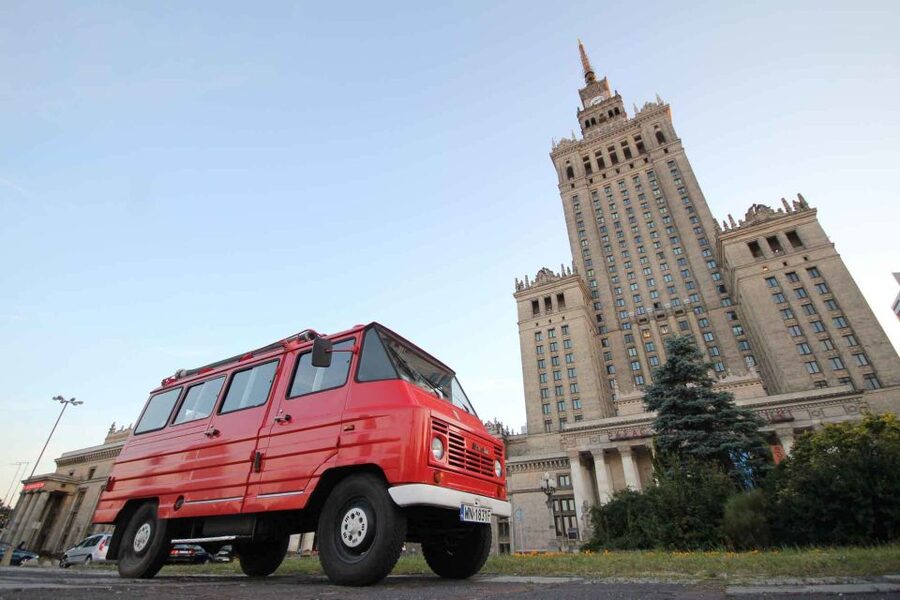
Your hotel pickup begins within 3 kilometers of central Warsaw. Then comes the first memorable part of the outing: a ride in a classic Żuk minibus, a vehicle produced in communist Poland.
This is more than a novelty. The Żuk helps place the subject in everyday terms. Communist Poland was not only about party offices, public rallies, and grand buildings. It was also about the cars, buses, shops, homes, and work routines used by ordinary people. Sitting inside this old vehicle gives the tour a physical connection to that period before the guide even begins the main explanation.
Each minibus holds up to eight people, and the operator has a fleet of five vehicles. Since this is a private group, you are not sharing the experience with a large coach party. That matters in Warsaw, where a good explanation often leads to a follow-up question about family life, religion, politics, or the shortage of basic goods.
The vehicle is mainly used to move between locations. You will get out and walk at the stops, so wear comfortable shoes and clothing suited to the weather. The old minibuses are heated in winter, but they are not fitted with air conditioning. On some vehicles, seat belts are not available because of their historic design, a point worth considering before booking.
A few more Warsaw trips to weigh up
- Private Tour: Warsaw City Sightseeing by Retro Fiat
★ 5.0 · 562 reviews - Warsaw: Warsaw Ghetto Private Walking Tour with Hotel Pickup
★ 4.9 · 369 reviews - Private Tour: Warsaw’s Jewish Heritage by Retro Fiat
★ 5.0 · 208 reviews
Rebuilding Warsaw around socialist ideals
The tour places communist Warsaw in the difficult years after World War II. Much of the city had been destroyed, and the rebuilding process did not simply restore what had existed before. Warsaw was reconstructed according to new political and social ideas.
Your guide explains how the authorities used architecture, public space, and city planning to present the image of a new society. Large avenues, formal squares, official buildings, and monumental structures were designed to project order and state power. The result was a city where politics was written into the streets.
This opening context helps you read the stops that follow. A large square is not just a place to take photographs. A tower is not only a landmark. Each site reflects a decision about how the new Poland should look and how people should understand their place within it.
I find this part especially useful if you have already seen Warsaw’s reconstructed Old Town. The Old Town tells one story about Polish identity and wartime destruction. This tour adds the postwar chapter, showing how the city was rebuilt under a very different set of rules.
The Palace of Culture and Science
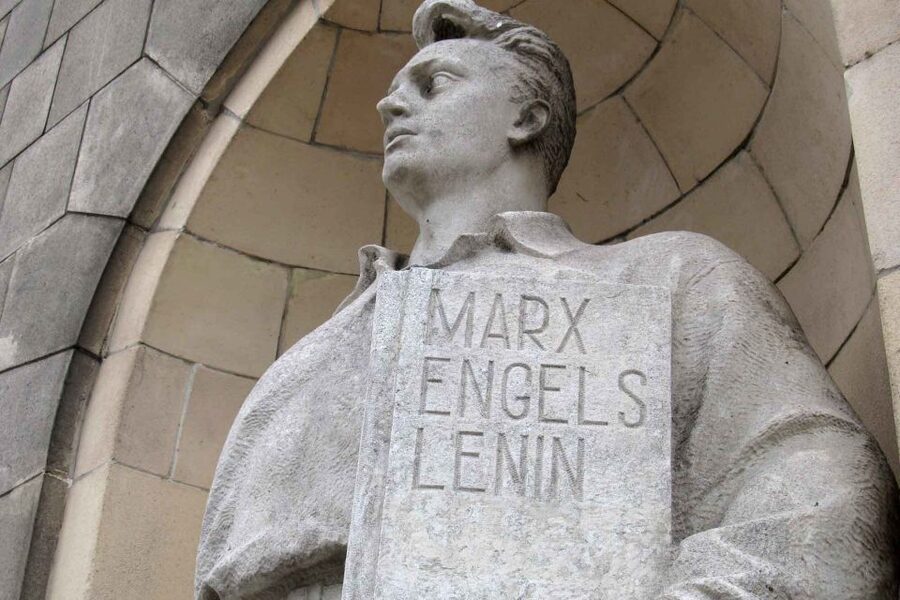
The Palace of Culture and Science is one of the clearest symbols of postwar communist Warsaw. Its scale makes the political message easy to grasp. The building dominates the central city, and its presence can feel imposing even if you know little about the period.
At this stop, the guide connects the palace to the wider story of Soviet influence and socialist construction. You learn why such an enormous building was placed in the heart of Warsaw and how it came to represent the political system that ruled Poland for decades.
The palace also raises a useful question: who gets to shape a city’s identity? For some people, it is a powerful reminder of repression and foreign control. For others, it is part of the city’s visual identity and a familiar point of reference. A private guide can explain these different meanings without forcing the site into a simple good or bad category.
Do not expect the three-hour format to function as a long interior visit to every landmark. The minibus is used to transfer you between places, and the main value here is the explanation of the site and its place in the city. If your main goal is a detailed architectural tour inside the palace, this is not the right format. If you want to understand why it matters, the stop fits well.
Constitution Square and the planned city
Constitution Square offers another look at how communist authorities used public space. Its broad scale and formal design were suited to official ceremonies, public gatherings, and the display of state power.
Here, you can see how the rebuilt city was meant to guide movement and attention. The square was not planned as a small, intimate neighborhood space. It was made to feel ordered and public, with architecture that served a political purpose.
The guide’s explanation turns the square into a useful lesson in daily life. Public buildings and monumental spaces represented the official version of society, but people still had to deal with practical concerns such as finding food, obtaining goods, and navigating state institutions. That contrast between grand promises and ordinary frustrations is one of the strongest themes of the tour.
You will likely walk around each location rather than remain seated in the minibus. The exact walking time can vary because the outing is private, but comfortable footwear is a sensible choice. This is not a ride where you stay inside for three hours and look through the windows.
Same country, a completely different kind of day:
- Warsaw: Chopin Concert in the Old Town
★ 4.8 · 2,287 reviews - Warsaw: Traditional Galar Cruise on The Vistula River
★ 4.6 · 1,640 reviews - Warsaw: Old Town Highlights Walking Tour in English
★ 4.7 · 1,516 reviews - Warsaw Concert: Chopin – Painted by Candlelights with Wine
★ 4.8 · 1,442 reviews
Party headquarters and the machinery of power
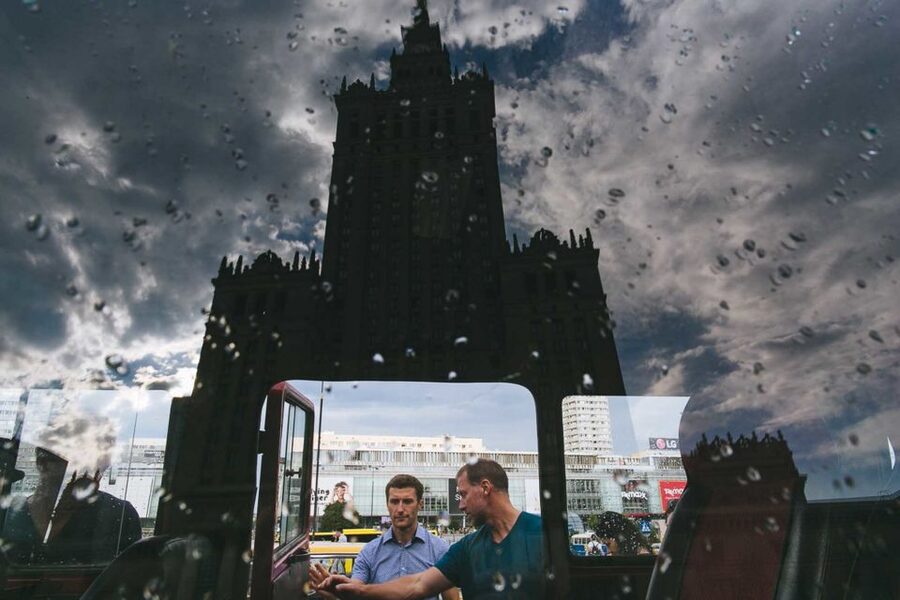
The former Communist Party headquarters adds a more direct political stop. It represents the institutions that controlled public life, economic decisions, and the official message presented to the population.
The guide uses places like this to explain how the system worked beyond its slogans. You hear about a centrally planned economy, censorship, and the limits placed on political life. The key strength here is the connection between a building and the system behind it. Instead of treating the headquarters as a blank historical facade, the tour asks what decisions were made there and how those decisions reached people across Poland.
The personal side remains important. The tour covers the 1950s, 1960s, and 1970s, when shortages were part of normal life. You learn how people relied on informal networks and developed creative ways to obtain things that were not easily available through official channels.
That practical focus gives the tour its human scale. You are not simply memorizing dates or party names. You are considering how a family planned a meal, found a needed item, or handled an official rule. The guide can also discuss how people adapted to the system without suggesting that adaptation meant acceptance.
Churches, questions, and a flexible private route
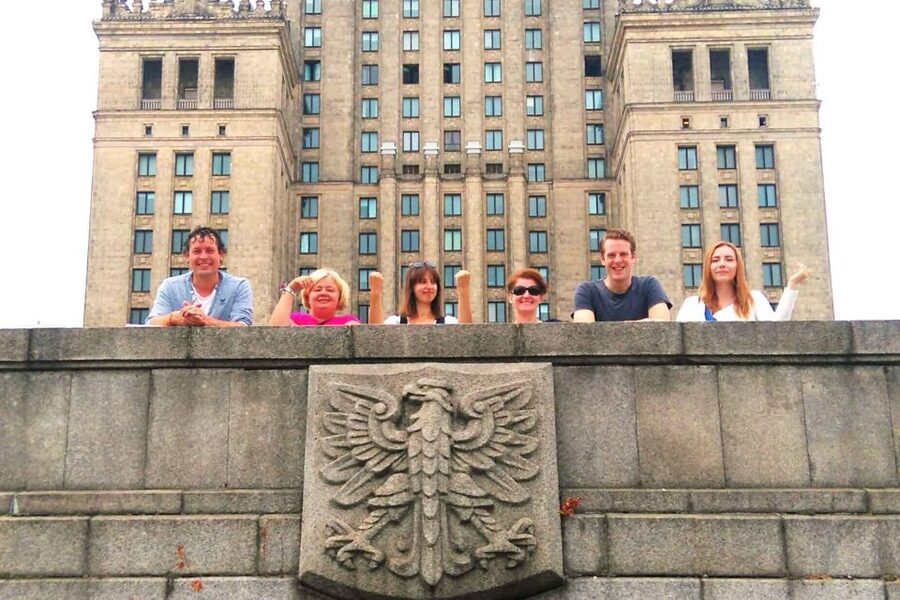
The standard focus is communist Warsaw, but the private format allows some flexibility. Martin, one of the guides named in the feedback, added two church stops for a group. That detail matters because religion was an important part of Polish public and private life during the communist period.
Churches can help show the limits of state control. They also provide a useful counterpoint to official squares and party buildings. The tour may be able to include additional locations when timing and route allow, but you should treat this as a possible personalization rather than a guaranteed part of every booking.
The private setup is also helpful if your interests are specific. You can ask about family life, censorship, economics, architecture, political resistance, or the transition after 1989. One earlier guest particularly valued a guide who was open to discussion about Poland’s past, present, and future, as well as wider world affairs.
Guides have included Martin and Lucasz, but the booking information confirms an English-speaking local guide rather than a guaranteed named guide. If a particular guide matters to you, ask the operator before confirming.
From shortages to the political changes of the 1980s
The tour does not stop with the best-known communist buildings. Its story moves through the changing mood of the 1980s and ends with the first free elections in 1989.
That final part gives the route a clear arc. You begin with the construction of a socialist capital, move through the routines and limits of communist life, and finish with the collapse of one-party rule. The political shift feels more understandable when you have already seen the buildings and public spaces connected to the old system.
The guide also explains how the official structure affected daily decisions. A centrally planned economy could create shortages and long waits. Censorship shaped what could be printed or broadcast. At the same time, people found ways to share information, trade favors, and maintain personal connections outside official channels.
A three-hour tour cannot cover every event in Poland’s postwar history. It is best understood as a strong introduction that uses Warsaw itself as the classroom. You will come away with a working framework, then you can explore more at museums or historical sites on your own.
Is $165 per person good value?
At $165 per person, this is not a cheap sightseeing ride. The price makes more sense if you are booking for a small private group and want a guide who can respond to your interests rather than deliver a fixed speech to a full coach.
You are paying for hotel pickup and drop-off within the stated central radius, private transportation, an English-speaking local guide, and a vehicle that is itself part of the historical subject. The tour also saves time by linking several parts of Warsaw in three hours.
For one person or a couple, the cost may feel high compared with a standard group walk. For a family or small group of friends, the private arrangement can offer better value, especially if you want to ask questions or adjust the pace. Children over 150 centimeters can be booked online. For a younger or shorter child, contact the operator first because a booster seat is required under Polish law and availability must be checked.
Food and drinks are not included. That is easy to manage in Warsaw, but plan to eat before or after the outing. The tour ends at a central Warsaw location of your choice, which can make it useful before another appointment or sightseeing stop.
Free cancellation is available up to 24 hours before the start time, and you can reserve now and pay later. Those terms help if your Warsaw schedule is still changing, but the larger decision is whether the subject and vehicle suit you.
Who will enjoy this tour most?
I would choose this experience if you want history explained through real places and daily routines. It suits first-time visitors who want a clear introduction to communist Warsaw, as well as people with a strong interest in Cold War Europe.
It is also a good choice for families with older children who can follow a political and social story. The Żuk gives the outing a playful entry point, while the guide’s explanations provide the substance.
You may prefer another format if you want long visits inside museums, a full architectural study, or a purely walking tour. The minibus is useful for covering ground, but the walking sections still matter. You should be ready to get out, explore each location on foot, and dress for the weather.
Comfort is another honest consideration. Historic vehicles do not offer the modern ride of a new van. There is no air conditioning, and some vehicles lack seat belts. In winter, heating is available, but in warm weather the old-fashioned cabin may feel less comfortable.
Should you book the Warsaw Communism Tour?
Book it if you want personal stories tied to visible places, not just a list of dates. The Żuk minibus, Palace of Culture and Science, Constitution Square, former Party headquarters, and the discussion of shortages and informal networks give the three hours a clear purpose.
I would especially recommend it for a small private group that values conversation. The strongest feedback highlights friendly guides, strong knowledge of Polish history, off-the-beaten-track additions, and the ability to discuss Poland beyond the standard route.
Skip it if you dislike vintage vehicles, need guaranteed modern safety fittings, or want an indoor museum experience. For everyone else, this is a practical way to see more of Warsaw while understanding how the communist system shaped the city and the people who lived in it.
FAQ
How long does the Warsaw Communism Tour last?
The tour lasts three hours.
Is the tour private?
Yes. It is organized as a private group experience.
Is hotel pickup included?
Yes. Pickup and drop-off are included for hotels within 3 kilometers of central Warsaw.
What language does the guide speak?
The live tour is conducted in English by a local professional guide.
What type of vehicle is used?
Transportation is provided by a historic Żuk minibus produced in communist Poland.
How many people fit in one minibus?
Each minibus accommodates up to eight passengers.
Does the tour include walking?
Yes. The minibus transfers you between locations, and you walk at each stop.
Is air conditioning available?
No. The classic vintage minibuses are not equipped with air conditioning. They do have heating for winter.
Can children join the tour?
Children over 150 centimeters can be booked online. For children under 150 centimeters, contact the operator in advance to check booster-seat availability. Boosters are required under Polish law.
Are food and drinks included?
No. Food and drinks are not included in the tour price.
Just added around Warsaw
- World War II Warsaw Old Town, Military Cemetery Walking Tour★ 4.7 · 3 reviews
- Warsaw: Wolf’s Lair & Swieta Lipka Small-Group Tour + Lunch★ 5.0 · 3 reviews
- Wilanów Palace: 2-Hour Guided Tour with Entrance Tickets★ 4.8 · 8 reviews
- Warsaw Zoo Skip-the-Line Entry Ticket with Private Transport★ 4.8 · 3 reviews
- Warsaw Wolf’s Lair with St. Lipka and Mamerki Private Guided★ 4.2 · 3 reviews
- Warsaw: Vistula River Cruise with Your Music & City Views★ 4.6 · 78 reviews
- Warsaw: Private Vodka Tasting Night with Snacks and Pickup★ 5.0 · 7 reviews
- Warsaw Private Wilanow Palace & Garden Tour★ 4.6 · 30 reviews
Warsaw Tours, compared.
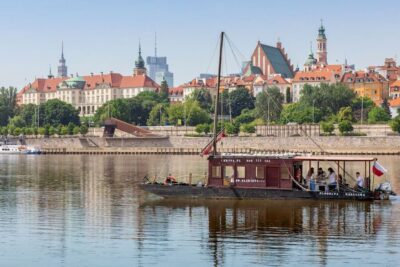
Traditional Galar Cruise on The Vistula River
Read our review →
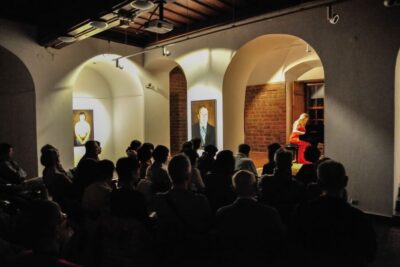
Warsaw Concert: Chopin – Painted by Candlelights with Wine
Read our review →
POLIN Museum of the History of Polish Jews Ticket
Read our review →
#1 Pub Crawl Warsaw with Optional Premium 1 Hour Open Bar
Read our review →