
Reviewed · WALKING TOURS
World War II in Krakow Walking Tour in English
Krakow’s prettiest streets carry some of its darkest stories. This 150-minute walk follows the marks of German occupation, from a wooden Katyń cross to Nazi prison cells where victims scratched messages into the walls. I like that the tour looks beyond famous buildings and asks how ordinary people faced fear, pressure, and impossible choices.
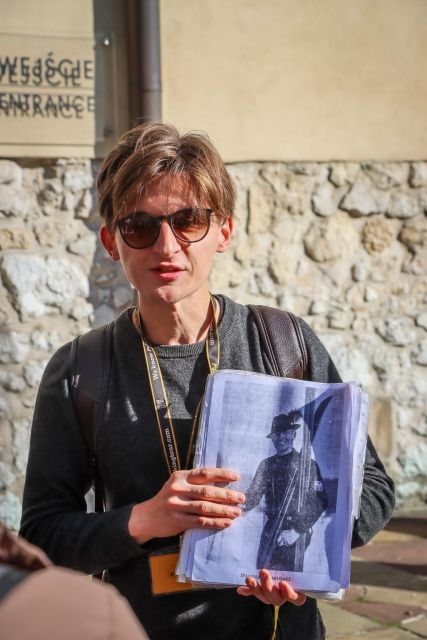
I also like the human scale of the storytelling. You hear about resistance actions, courageous individuals, betrayal, and the machinery used to crush opposition. Guides such as Tomasz, known as Big Tomasz, bring warmth, humor, and strong local knowledge to a difficult subject.
The main consideration is emotional weight. This is not a light sightseeing stroll, and the tour may feel demanding if you want only Krakow’s royal streets and pleasant squares. The pay structure also needs care: the $26 price covers the reservation fee and guide’s payment for a general pay-as-you-wish tour.
Key points
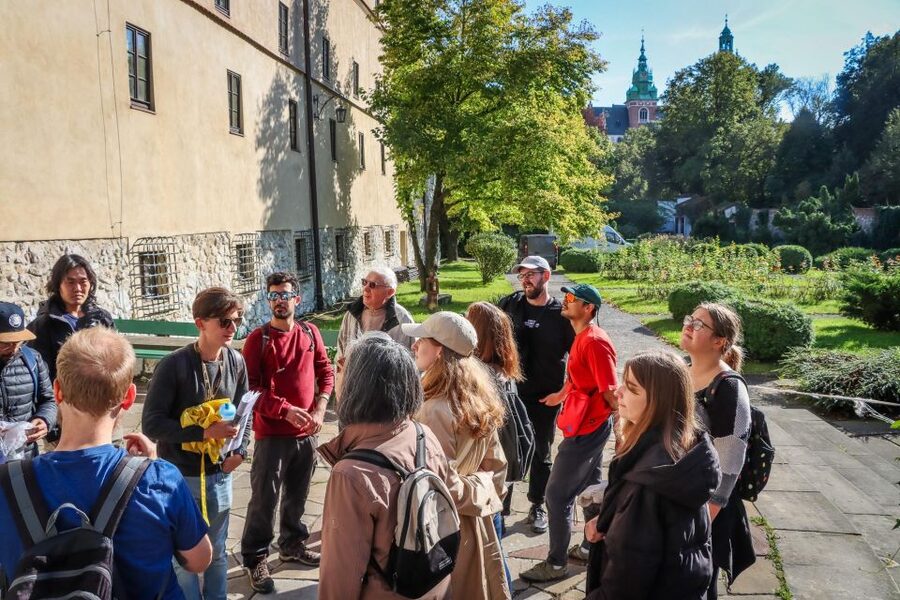
- Nazi prison cells: See St. Michael’s prison and inscriptions left by victims on the walls.
- Occupation in the streets: Connect Krakow’s wartime changes with places you might otherwise pass without a second thought.
- Resistance stories: Hear about individuals and organized groups who opposed the Nazi regime.
- Four marked stops: The route includes the Katyń wooden cross, St. Michael’s prison, Gestapo headquarters, and bomb shelters in Park Krakowski.
- English-language guidance: The live tour lasts 150 minutes and has been led by guides including Tomasz.
- Flexible booking: Cancel up to 24 hours before the start for a full refund, or reserve now and pay later.
Seeing Krakow through its wartime scars
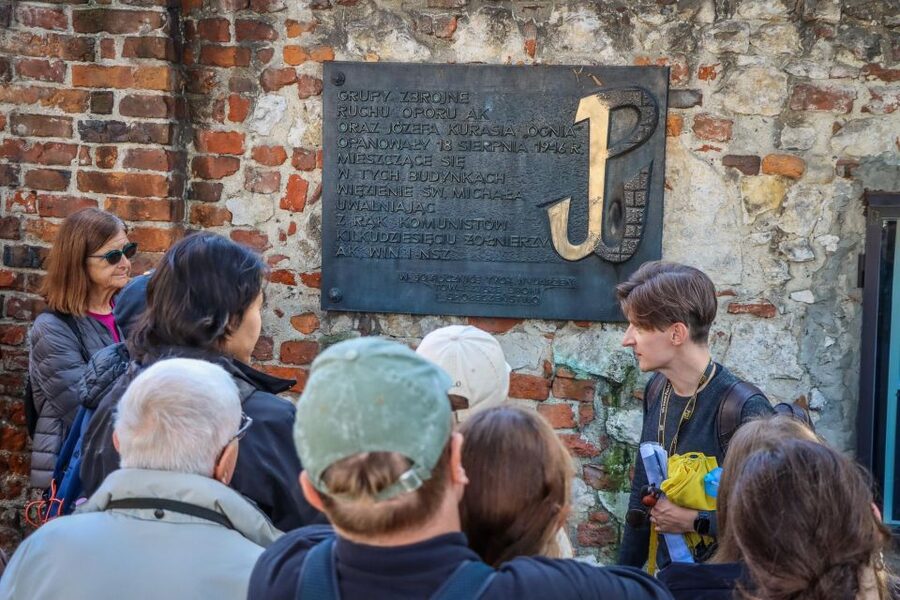
I find this tour most useful when you have already seen some of Krakow’s postcard sights and are ready to look again. Wawel Hill and Grodzka Street usually introduce the city through kings, churches, and grand stone buildings. Here, the same urban setting becomes a record of occupation, repression, fear, and resistance.
The meeting point is Triangle Square, beside Wawel Hill at the end of Grodzka Street. You should arrive 10 minutes early. That gives you time to find the exact spot without rushing, especially if you are coming from the Old Town or walking down from Wawel.
The route is built around places connected to the Second World War rather than a single museum visit. That matters because occupation changed daily life across the city. Streets, offices, prisons, walls, and public spaces all took on new meaning. A guide can connect those scattered traces into one story as you move through Krakow.
This is also a walking tour with a clear historical purpose. You are not simply collecting dates and military facts. The central question is how people behaved when even a small choice could bring serious consequences. That approach gives the tour a personal edge without turning the subject into entertainment.
A few more Krakow trips to weigh up
- Old Town Krakow & Wawel Castle Walking Tour
★ 5.0 · 1,508 reviews - Creepy Krakow: 2-Hour City Walking Tour
★ 4.7 · 1,131 reviews - Krakow: The Old Town Walking Tour
★ 4.8 · 794 reviews
The Katyń wooden cross and the cost of remembrance
One of the listed stops is the Katyń wooden cross. Its presence places the tour within the wider story of wartime suffering and remembrance in Poland.
The cross is not just another point to photograph. It signals how public memory remains tied to specific places and symbols. The tour uses it as part of a route through the moral and political pressures of the period, helping you see that the war was not only fought on distant fronts. It affected families, neighborhoods, institutions, and the way people remembered those who were killed.
You should expect the guide to provide the meaning and context here rather than a large display of objects. This is a street-based experience, so the story depends on the guide’s explanation and your attention to the setting.
That is one reason guide quality matters so much. Tomasz has led this experience with an engaging style that mixes seriousness with occasional good humor. That balance is useful. The subject needs respect, but a guide who can speak naturally keeps the group focused for the full two and a half hours.
St. Michael’s prison and the inscriptions on the walls
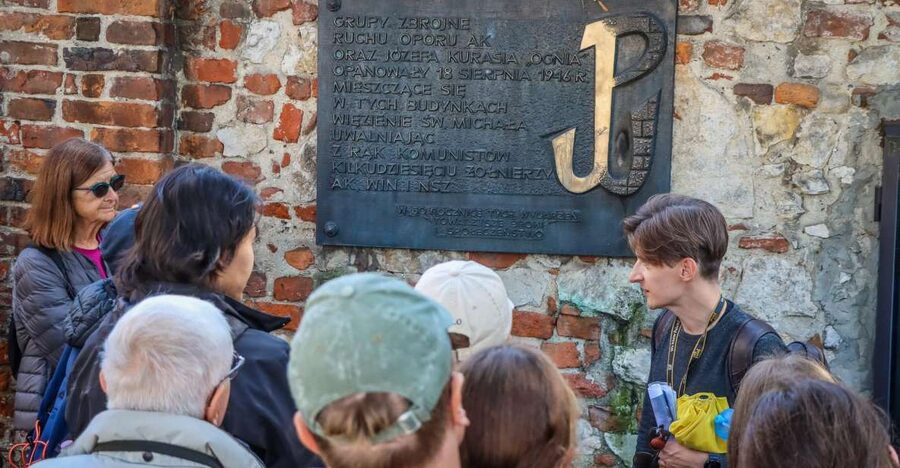
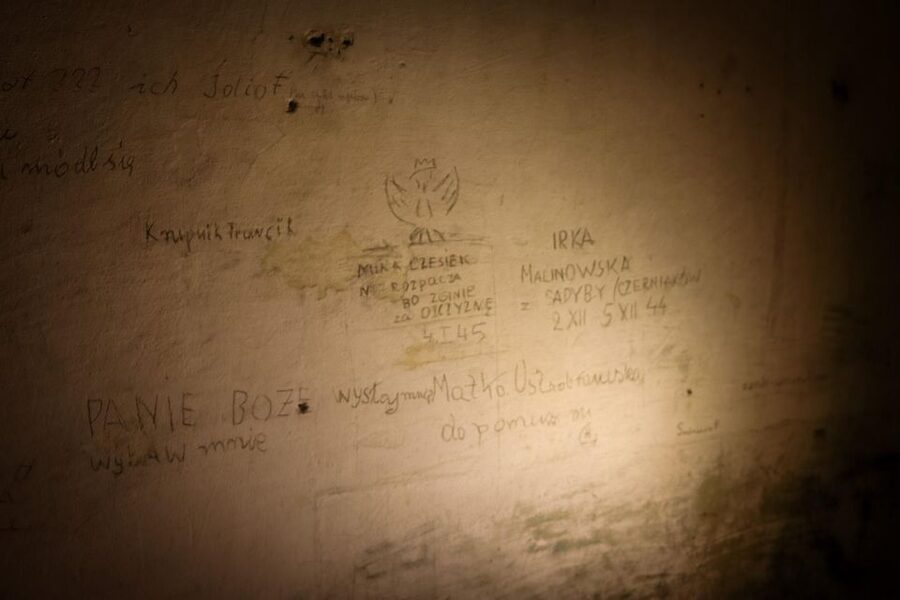
The prison cells at St. Michael’s are likely to be the most affecting part of the walk. You can see the cells and read inscriptions left on the walls by victims. Those marks bring the history close in a way that a general talk about occupation cannot.
Written traces are powerful because they show individual people trying to leave something behind in a place designed to silence them. The inscriptions are not polished memorial displays. Their value comes from the fact that they were left by people facing imprisonment and danger.
You should give this stop time and attention. It is easy to focus on taking in the physical room, but the guide’s explanation helps place the cells within the wider system of Nazi repression. The tour promises discussion of the most brutal officers of the Nazi machine and the tools used against victims. The prison visit gives that explanation a concrete setting.
This stop may not suit younger children or anyone who finds wartime imprisonment especially difficult. The supplied information does not give an age recommendation, so you will need to judge your group’s comfort. For adults and older teenagers interested in serious history, the prison cells add real weight to the walk.
Gestapo headquarters and the machinery of fear
The former Gestapo headquarters is another key stop. Here, the tour moves from individual prison experience to the organized system behind the occupation.
The value of this part is the connection between policy and personal consequence. The Gestapo was not an abstract name in Krakow. It represented interrogation, surveillance, arrests, and the threat that followed people through ordinary life. The tour promises to explain the deadly tools used to repress victims, so this location helps show how fear was made into a method of control.
I appreciate that the experience also includes stories of people who resisted. A tour focused only on Nazi officials can leave you with a history of machinery and power. By pairing repression with acts of opposition, this walk gives you a fuller picture of the choices people faced.
Do not expect a theatrical performance or a recreated scene. The strength here is the guide’s narrative and the physical connection to the site. Tomasz has been praised for being warm, passionate, and engaging, with excellent local knowledge. A guide with that style can make a difficult subject easier to follow without making it feel casual.
Same country, a completely different kind of day:
- From Krakow: Auschwitz-Birkenau Guided Tour & Hotel Pickup
★ 4.5 · 33,358 reviews - From Krakow: Auschwitz-Birkenau Guided Tour & Hotel Pickup
★ 4.5 · 29,340 reviews - Krakow: Auschwitz Guided Tour with Optional Hotel Pickup
★ 4.5 · 15,280 reviews - Krakow–Zakopane: Cable Car, Chocholow Baths, Cheese & Vodka
★ 5.0 · 10,720 reviews
Resistance stories and difficult choices
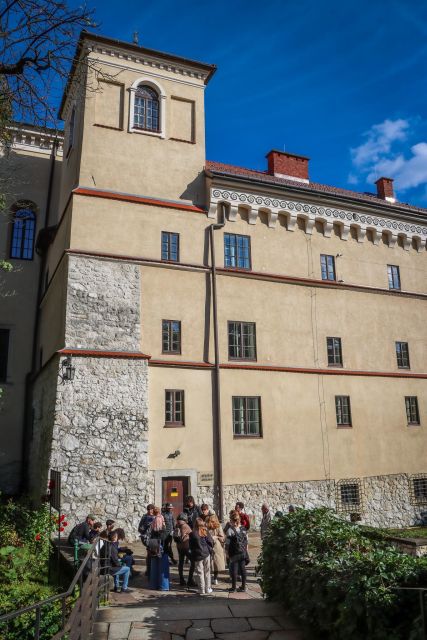
The tour’s strongest idea is that resistance did not belong only to famous leaders. It also involved ordinary people who chose to act, keep silent, help someone, or take a risk. The stories include individual and organized resistance, along with some of the most striking actions taken against the Nazi regime.
You will also be asked to think about what you might have done. That question can feel uncomfortable, but it gives the walk a reason to exist beyond memorizing wartime events. The guide encourages you to consider fear, courage, betrayal, and sacrifice as human responses rather than simple labels.
I like this approach because it avoids presenting the past as a clean contest between heroes and villains. The description points to a time when small decisions could have grave consequences. That does not excuse wrongdoing, but it helps you understand why the period remains so difficult to discuss.
The quality of the explanation will shape this section more than any single building. One guide may emphasize local stories, another may spend more time on the political setting. Tomasz has received particular praise for his passion, insight, humor, and ability to make the material engaging. He is not guaranteed for every departure, so you should treat his presence as a possibility rather than a promise.
Park Krakowski’s bomb shelters
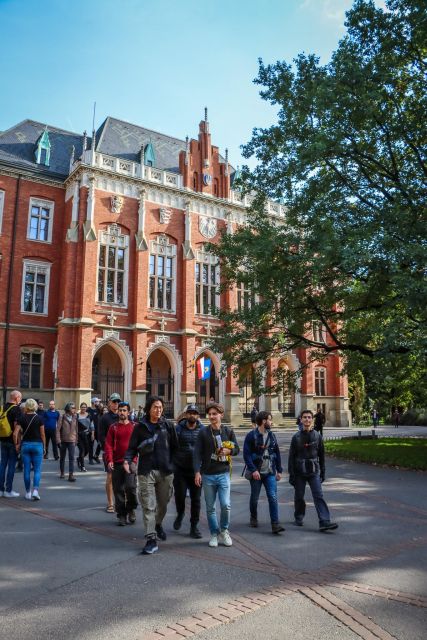
The route also includes bomb shelters in Park Krakowski. This stop shifts the focus from imprisonment and political repression to the physical danger of wartime attack.
Bomb shelters help you picture how war entered public space. Parks and streets were not simply places for leisure. They could become places of fear and protection. The setting also gives the walk some variety after the more enclosed prison and headquarters stops.
The supplied details do not specify the condition of the shelters, how much of them you enter, or whether the stop includes an interior visit. You should therefore expect to see and discuss the shelters rather than assume a long underground exploration.
Park Krakowski may also provide a change of pace during a serious tour. The full route lasts 150 minutes, so the outdoor setting can make the experience feel less confined. Still, the theme remains wartime suffering, not a general park visit.
A 150-minute walk with a local English-speaking guide
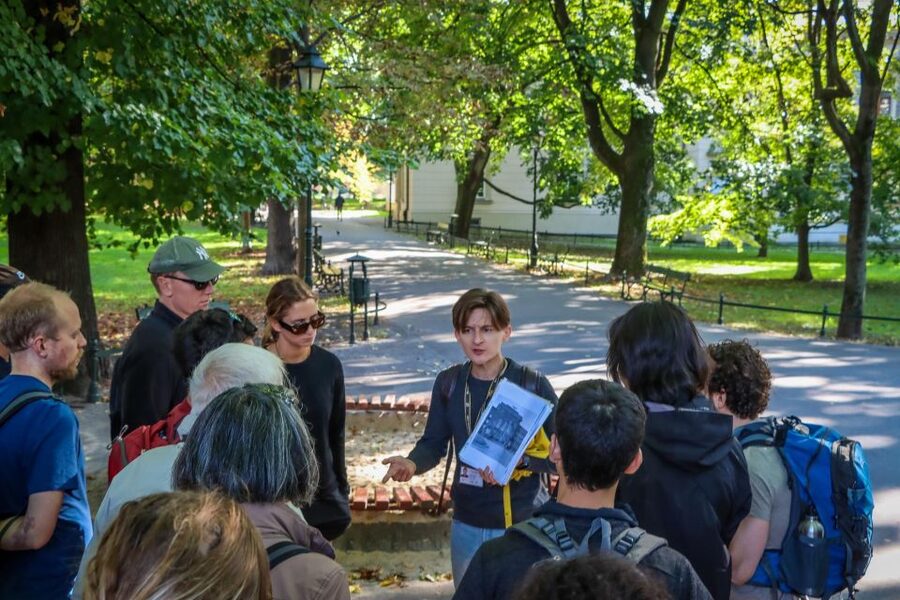
Two and a half hours is long enough to build a connected story but short enough to fit into a busy Krakow stay. You will spend the time moving among several locations, listening to explanations, and considering how the occupation transformed the city.
The tour is in English with a live guide. That is important for a subject where tone and context matter. Written plaques can provide names and dates, but a guide can explain why a place matters and connect one stop to the next.
The route begins near Wawel Hill, a convenient central area. Hotel pickup and drop-off are not included, so you need to reach the meeting point yourself. Snacks are also not included. Those omissions are minor for most people, but plan accordingly because the tour takes 150 minutes.
Comfortable walking shoes are sensible, though the supplied information does not give a distance or surface details. You should arrive 10 minutes before the start. The tour is wheelchair accessible, which makes it a practical choice for many visitors, though the information does not describe every surface or access point in detail.
The group size is not specified. That means you should not book expecting either a private walk or a guaranteed small group. As with any guide-led street tour, the sound and pace may depend on the number of people attending.
Is the $26 price good value?
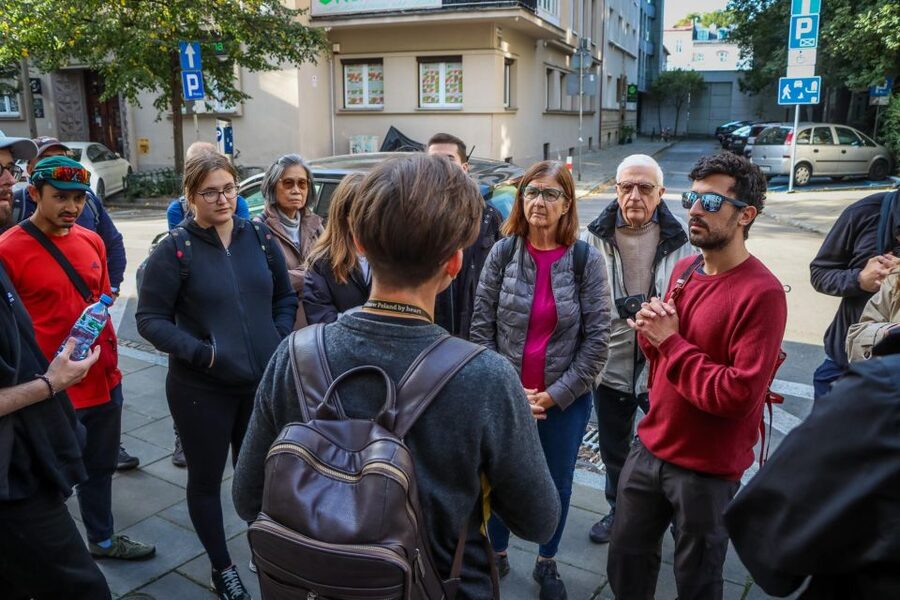
At $26 per person, the tour is reasonably priced for 150 minutes with an expert local guide and a carefully built narrative. The value is not in admission to a large attraction. It comes from seeing several sites and having someone explain the links between them.
The prison cells and wartime locations give you a physical framework. The stories of resistance, repression, and moral choices provide the meaning. If you simply want to stroll through Krakow and hear a few general facts, you may find the subject too serious. If you want a focused historical walk, the price compares well with the time and attention involved.
Pay close attention to the wording around payment. This is a general pay-as-you-wish tour, and the amount paid when booking covers the reservation fee and the guide’s payment. You are not signing up for a free walk with an entirely separate tip expected afterward. The $26 charge is part of the payment arrangement.
The booking terms also help if your schedule is uncertain. You can reserve now and pay later, and cancellation is free up to 24 hours before the activity for a full refund. Those options make it easier to place the tour early in your Krakow plan without locking yourself into a nonrefundable booking.
Who should choose this Krakow history walk?
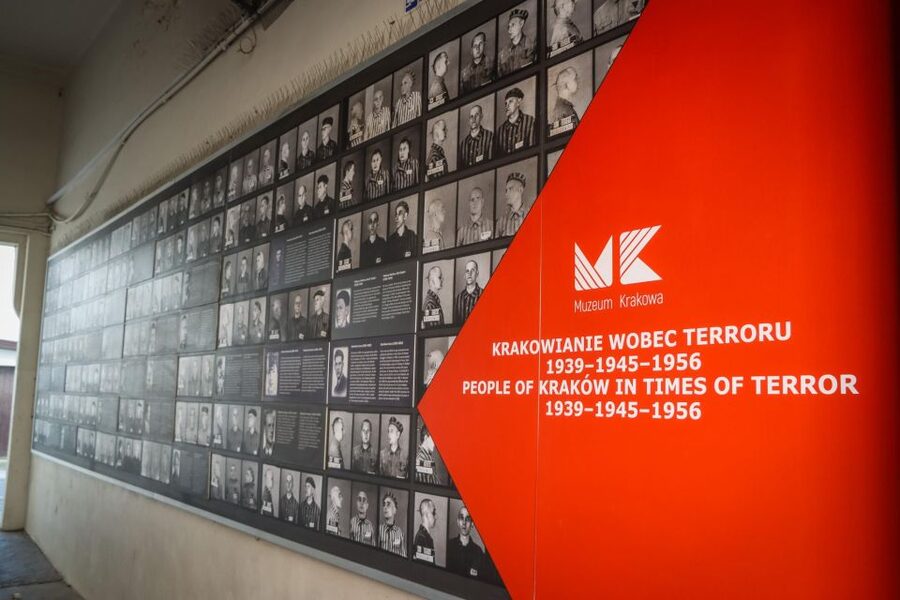
I would choose this tour if you want to understand how the occupation changed Krakow at street level. It suits adults, older teenagers, history students, and anyone who prefers stories about people and choices over a list of battlefield dates.
It is also a good fit if you have already visited the city’s major landmarks and want a different view of familiar ground. The starting point near Wawel Hill makes it easy to pair with time in the Old Town, though you should leave enough space for the full 150 minutes.
You may want another activity if you are traveling with very young children, feel uncomfortable with accounts of imprisonment, or want a relaxed introduction to Krakow. The subject includes Nazi repression, victims, fear, and betrayal. The tone may include humor from the guide, but the material remains serious.
The tour also suits you if you value a guide who can tell a story rather than simply recite information. Tomasz has been singled out for warmth, passion, insight, and local knowledge. Those qualities matter here because the stops alone cannot explain the full story.
Should you book it?
Book this tour if you want Krakow’s wartime past presented through real places, personal stories, and difficult questions. The prison inscriptions, Gestapo headquarters, Katyń cross, and bomb shelters give the walk a clear shape, while the accounts of resistance keep it focused on people rather than only institutions.
Skip it if you are looking for cheerful sightseeing or a short introduction to the city. For the right audience, $26 buys a serious, well-structured 150-minute experience in English. Arrive early, allow for the full two and a half hours, and go prepared to listen closely.
FAQ
How long does the World War II in Krakow Walking Tour last?
The tour lasts 150 minutes, or two and a half hours.
What language is the tour in?
The live tour guide speaks English.
Where does the tour meet?
The meeting point is Triangle Square beside Wawel Hill, at the end of Grodzka Street.
Which wartime places are included?
The tour includes the Katyń wooden cross, St. Michael’s prison, the Gestapo headquarters, and bomb shelters in Park Krakowski.
Is the tour wheelchair accessible?
Yes, the activity is listed as wheelchair accessible.
Can I cancel the booking or pay later?
You can cancel up to 24 hours in advance for a full refund. You can also reserve now and pay later.
Just added around Krakow
- From Krakow: Zakopane and Dunajec River Rafting Tour★ 4.6 · 31 reviews
- From Krakow: Zakopane and Gubałówka Cable Car Private Tour★ 4.3 · 12 reviews
- From Krakow: Zakopane Full-Day Tour with Lunch Option★ 4.4 · 62 reviews
- From Krakow: Zalipie and Painted Village Guided Tour★ 4.0 · 4 reviews
- From Krakow: Zakopane Tatra Mountains & Hot Springs Tour★ 3.0 · 29 reviews
- From Krakow: Zakopane and the Tatra Mountains★ 4.7 · 36 reviews
- From Krakow: Hot Springs and Zakopane with Gubałówka★ 4.7 · 25 reviews
- Zakopane & Tatra Mountains Private Full-Day Tour from Krakow★ 4.5 · 33 reviews
Walking Tours, compared.
Gdańsk City Sights & History Guided Walking Tour in English
Read our review →
Browse the lists this tour appears in