
Reviewed · SCHINDLERS FACTORY TOURS
Krakow: Schindler’s Factory and Jewish Ghetto Guided Tour
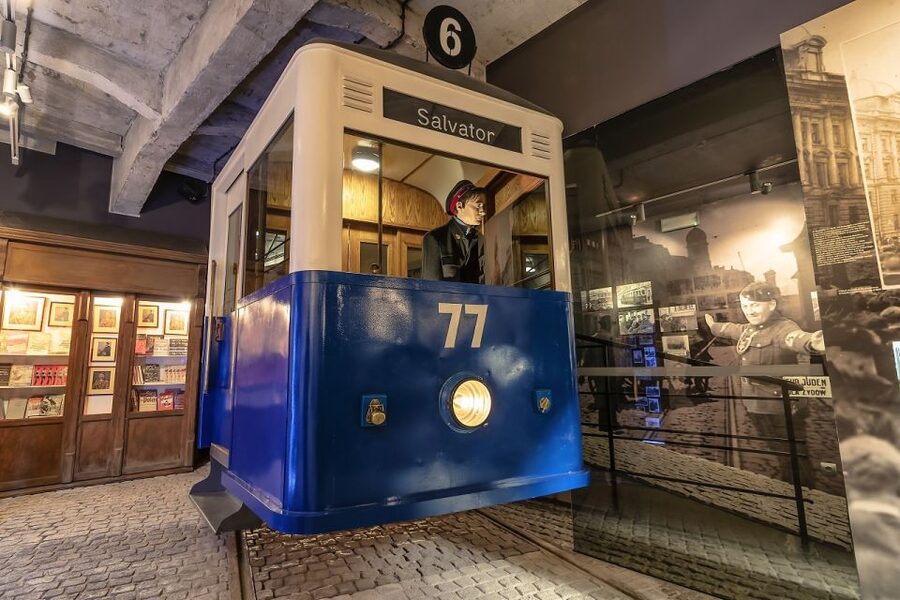
Krakow’s Schindler’s Factory tour becomes far more powerful when it leaves the museum and enters Podgórze, the district that held the Nazi Jewish Ghetto. You see the factory, then walk past surviving walls, former homes, a pharmacy, and the 68 Empty Chairs memorial, where the history feels close and physical.
I like the way the guide connects Oscar Schindler’s personal story to ordinary wartime life, rather than treating him as a film character. I also like the two-part format: the factory gives you context, while the walk shows what happened beyond its doors. The main drawback is timing. A late tour can reach Podgórze after dark, and a large museum group may feel cramped in narrow rooms.
Key points to know before booking
- The tour joins two essential sites: Schindler’s Factory and the former Jewish Ghetto in Podgórze.
- The walking section includes the 68 Empty Chairs, one of Krakow’s clearest memorials to the Ghetto’s deported residents.
- The factory visit lasts about 1.5 hours, followed by roughly a 30-minute break and a one-hour walk.
- Guide quality is a major part of the experience: guides including Helena, Ela, Joanna, Christopher, and others have been praised for clear storytelling and personal connections to the Holocaust.
- Book an earlier starting time if possible, especially in winter, so you can see the outdoor sites in daylight.
- The price is $58 per person, including museum entry, a live guide, and the Podgórze walking tour.
Why Schindler’s Factory is only half the story
The name Schindler’s Factory naturally brings Steven Spielberg’s Schindler’s List to mind. The real place is more complicated than the film’s central story, and that is one reason a guided visit helps.
Oscar Schindler was a German entrepreneur who ran an enamelware factory in Krakow during the Second World War. His factory employed Jewish workers, and he used his position to protect many of them from Nazi persecution. The tour looks at both the man and the setting around him, including the hard choices, compromises, and dangers of wartime Krakow.
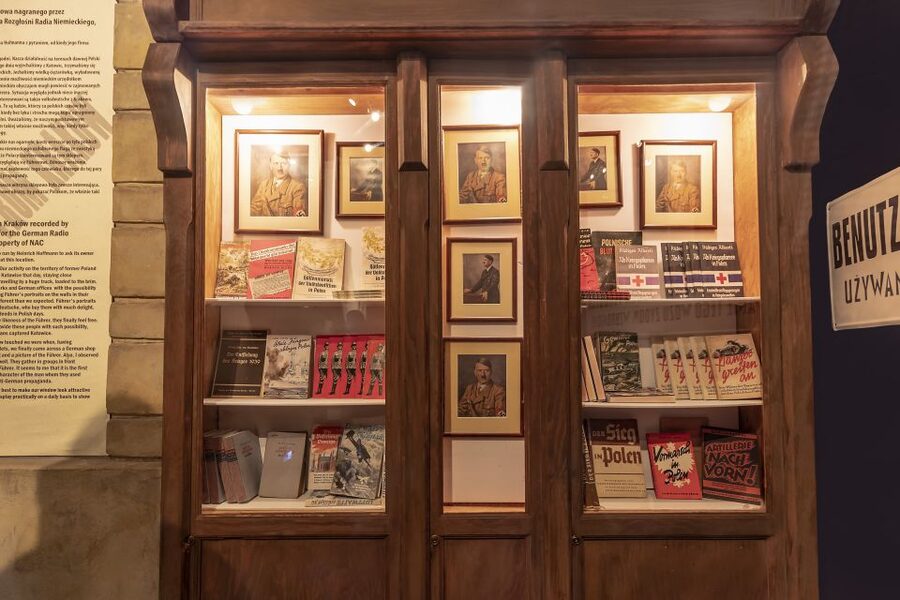
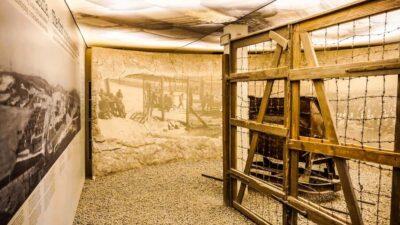
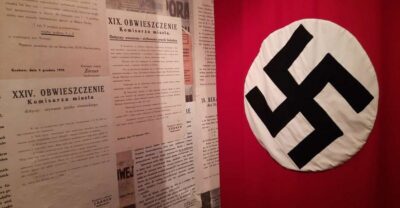
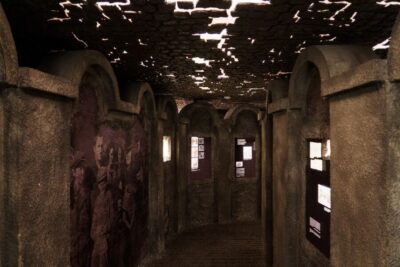
I would not come expecting a preserved factory floor filled with original machinery. The museum is now a historical exhibition housed in the former factory building. Its displays explain Krakow before the Nazi invasion, life under occupation, the Jewish Ghetto, Schindler’s role, and the later Russian occupation.
That wider frame matters. If you know only the Hollywood version, you may leave with an overly neat picture of good people and bad people. The museum places Schindler inside a larger story of occupation, bureaucracy, fear, forced labor, and survival. A guide can point out why each display matters, which is useful because the museum contains a great deal of written and visual material.
The visit usually takes around 90 minutes. That is enough time to follow the main story without turning the whole experience into a full day of museum-going. Still, one guide reported that some people wanted more time inside the factory, while another person found the museum group tiring because the corridors are narrow and the pace kept everyone moving.
You may receive headsets or audio equipment during the museum portion. They can help you hear the guide in a busy group, though the equipment has not always worked perfectly. One tour had audio controls that caused trouble, and the group eventually stopped using the devices. This is worth knowing if you prefer a quiet, self-paced museum visit.
More Schindlers Factory Tours in Krakow:
- Krakow: Oskar Schindler’s Factory Entry Ticket & Guided Tour
★ 4.2 · 3,793 reviews - Krakow: Schindler’s Factory Tour with Entrance Ticket
★ 4.5 · 3,182 reviews - Krakow: Schindler’s Factory Skip-the-Line Ticket
★ 4.4 · 3,105 reviews
What the museum reveals about wartime Krakow
The museum does more than tell the story of a factory owner. It explains how daily life changed under Nazi rule and how Jewish residents were pushed out of normal society.
Your guide discusses the Jewish Ghetto and the use of forced labor, then connects those policies to the people who worked at Schindler’s factory. You hear how employment could offer a measure of protection, while also understanding that no workplace could make life safe.
The strongest guides bring this material down to a human scale. Helena has been especially appreciated for sharing a personal family connection to the Holocaust. Ela has also been praised for combining local knowledge with an emotional connection to the city. These personal touches can make the subject feel immediate, but the effect depends on which guide leads your departure.
Christopher has been praised for his passion and storytelling, while Joanna has been noted for handling both the museum and the walking portion with care. These names are useful examples, not a promise of who you will meet. Guide assignments can change.
I like having a live guide here because the museum can be hard to read at a glance. You might see a photograph, document, or room and understand its broad meaning, but miss why it was chosen. A good guide supplies the missing link without asking you to absorb every label in the building.
There is a trade-off. A guide-led visit gives you a clear route, but it can limit your time at individual displays. If one photograph catches your attention, you may need to move on with the group. Visitors who prefer to read every panel should allow extra time to return to the museum independently, if their schedule permits.
Walking into Podgórze and the former Jewish Ghetto
After the museum, the tour continues into Podgórze. This is not a bus ride past distant sights. You walk through the district and see how the former Ghetto fits into the modern city.
The guide points out sections of the original Ghetto wall that remain standing. This surviving piece is important because it gives the Ghetto a clear physical boundary. Instead of hearing only about a line on a map, you see the structure that helped confine thousands of displaced Jewish people.
The tour also stops near houses where those people were forced to live. The buildings do not look like a film set, and that is precisely the point. Ordinary streets and apartment blocks carried an extraordinary burden during the occupation. The walk asks you to picture daily life in those spaces without turning them into scenery.
This part of the experience is less about grand architecture and more about location. Your guide explains what happened in the streets around you, which makes the city feel layered. Cafes, traffic, and modern apartments exist beside traces of a violent past. The result can be unsettling, but it is also more honest than treating wartime history as something locked inside a museum.
The walking group is often smaller than the museum group, which helps. You can hear the guide directly, ask questions, and keep track of the places being discussed. One reported experience found the Ghetto walk much easier to follow because no audio devices were needed.
Under the Eagle pharmacy and the 68 Empty Chairs
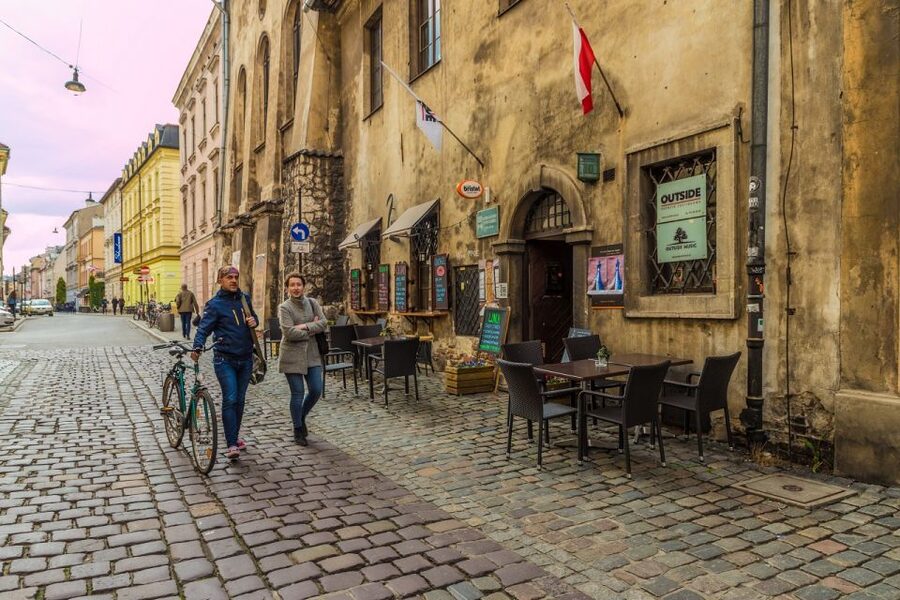
The pharmacy Under the Eagle is one of the most meaningful stops on the route. It played an important role in the lives of many Jewish people during the Ghetto period. The guide explains its function and why this particular place mattered to those living under Nazi control.
This stop works well because it shows how a practical local business could become part of a wider story of aid and survival. You are not just told about policy from above. You see how people tried to cope at street level.
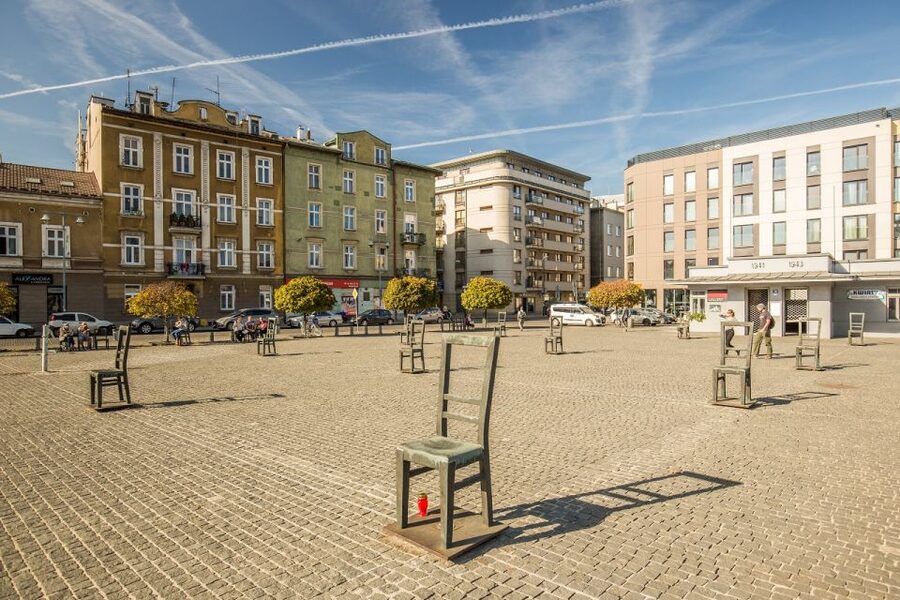
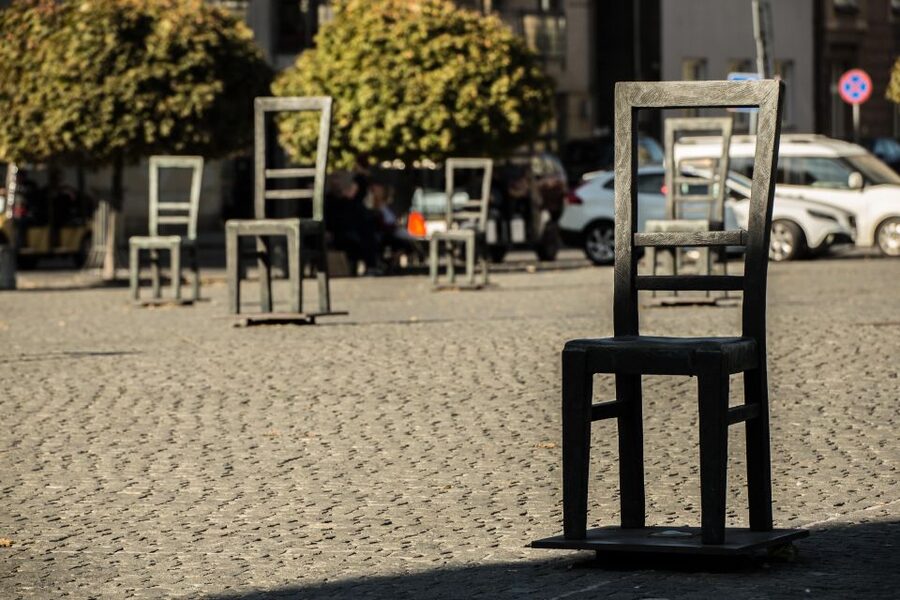
The tour then reaches the 68 Empty Chairs in Heroes’ Square. The chairs represent the Jewish residents of the Ghetto who were deported. Their empty forms make absence visible, and the memorial is especially effective because it occupies an open public space rather than a quiet museum room.
Give yourself time to look at the memorial. The chairs are simple, but the number and arrangement are hard to ignore. This is one of the moments when the tour’s earlier explanations come together: homes, walls, workplaces, and belongings all connect to the people who were removed from the district.
The memorial is included in the walking route, not offered as an optional extra. That matters because it gives the outdoor section a strong ending. You move from the factory, where Schindler protected workers, through the Ghetto, where thousands were displaced, and finally to a memorial focused on those who were taken away.
More Jewish Ghetto Tours in Krakow:
- Krakow: Schindler’s Factory & Ghetto Guided Tour
★ 4.7 · 1,694 reviews - Krakow: Jewish Quarter and Former Ghetto Tour
★ 4.9 · 1,441 reviews - Krakow: Bike Tour of Old Town, Jewish Quarter and the Ghetto
★ 4.9 · 1,155 reviews - Krakow: Kazimierz, Schindler’s Factory & Ghetto Guided Tour
★ 4.8 · 460 reviews
Choosing the right time of day
The full activity lasts about three hours, though the exact starting time depends on availability and museum scheduling. A typical structure is around 90 minutes inside Schindler’s Factory, a 30-minute break, and about an hour walking through Podgórze.
The break is useful. You have time to reset after the museum before the outdoor portion begins. Food and drinks are not included, so plan your own refreshments during this gap. The information does not specify a particular cafe or meal stop, so do not count on a hosted lunch.
Time of day matters more than you might expect. A 2:30 p.m. departure in mid-December placed the Ghetto walk after sunset. The tour still worked, but some walls and buildings were harder to see. I would choose an earlier departure in winter if daylight is important to you.
Summer and early autumn give you more light for the outdoor route, but the emotional weight of the subject does not depend on weather. The museum remains the main anchor, while the walk adds physical context.
From January 1, 2026, museum times are approximate and may change because of Schindler’s Factory scheduling. You can select a preferred time, but the exact time is not guaranteed. Keep your day flexible rather than planning a tight connection immediately afterward.
Is $58 a fair price?
At $58 per person, this is not Krakow’s cheapest history walk. The price includes entry to Schindler’s Factory, the guided museum visit, a live guide, and the Podgórze walking route.
I think the value is reasonable if you want one organized experience covering both the museum and the Ghetto. You avoid arranging separate admission and finding your own way between the two parts. More important, you receive interpretation at the sites where the story happened.
The value depends heavily on the guide. A strong guide can explain why a display matters, place Schindler’s actions in context, and make sense of the surviving Ghetto sites. Several guides have been praised for clear, emotional storytelling, including Helena, Ela, Joanna, and Christopher.
If you already plan to visit the factory on your own and prefer to read at your own pace, the price may feel less attractive. The museum contains plenty of written information. The outdoor route is where guided help matters most, since the meaning of a wall, building, or memorial is not always obvious from the street.
The tour also offers free cancellation up to 24 hours before departure and a reserve-now, pay-later option. Those terms help if your Krakow plans are still moving around, but the museum’s changing schedule means you should still check the final timing carefully.
Group size, language, and practical details
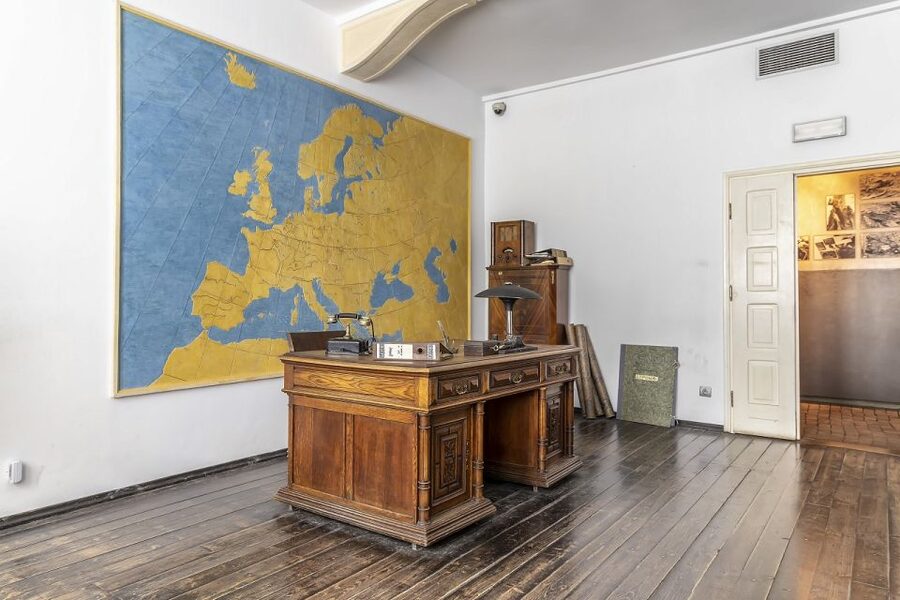
The tour is offered with a live guide in English, French, Spanish, German, or Italian. Choose the language that lets you follow serious historical discussion without strain.
The museum portion can involve a larger group, and the narrow corridors may feel crowded. Headsets are intended to help, but audio equipment has sometimes been unreliable. The Ghetto walk is generally easier for listening because the group is smaller and the guide speaks directly to you.
Meet at the entrance to Schindler’s Factory Museum. Look for a guide holding an excursions.city sign. Entry may be denied without the required documents from 2026 onward, so provide the full names of all participants when booking and bring a passport or ID.
The experience includes walking through Podgórze, but no accessibility details are provided. If you need specific information about surfaces, stairs, or mobility, ask the provider before booking rather than guessing.
This is a serious subject. The tour deals with Nazi occupation, displacement, persecution, forced labor, deportation, and the Holocaust. It is appropriate for anyone who wants a clear account of Krakow during the war, but it is not light sightseeing.
Who will get the most from this tour?
I would recommend it to first-time visitors who want a guided introduction to Krakow’s wartime past. It also suits people who have seen Schindler’s List and want to separate the film’s drama from the actual places and events that inspired it.
History students, families with older children, and museum-goers who like context will find the format useful. The live guide helps you understand the sequence of events, while the street walk keeps the subject tied to real locations.
You may prefer another approach if you want a slow, private visit with unlimited time at each display. The larger museum group and fixed pace can be frustrating for careful readers. You should also avoid booking the latest available departure if seeing the Ghetto wall and buildings clearly is important to you.
Should you book Schindler’s Factory and the Ghetto walk?
I would book this tour if you want the museum and Podgórze in one thoughtful three-hour experience. The combination of indoor displays and outdoor memorials is the main reason to choose it. The factory explains Schindler’s role, while the Ghetto walk keeps your attention on the thousands of people whose lives were controlled and destroyed.
Choose an early time, especially from late autumn through winter. Bring identification, expect a serious subject, and accept that the museum may feel crowded. If you can handle those limits, $58 buys more than admission. It gives you a guided path through one of Krakow’s most important and difficult stories.
FAQ
How long does the Schindler’s Factory and Jewish Ghetto tour last?
The tour lasts three hours. The museum portion is about 1.5 hours, followed by a break of roughly 30 minutes and a walking tour of about one hour.
What is included in the $58 price?
The price includes a live guide, entry to Schindler’s Factory, a guided tour of the factory museum, and a walking tour of Podgórze.
Are food and drinks included?
No. Food and drinks are not included in the tour price.
Where does the tour meet?
Meet at the entrance to Schindler’s Factory Museum. Look for a guide holding an excursions.city sign.
Which languages are available?
The live tour is available in English, French, Spanish, German, and Italian.
Does the tour include the 68 Empty Chairs memorial?
Yes. The walking route includes the 68 Empty Chairs in Heroes’ Square.
Does the tour visit the original Jewish Ghetto wall?
Yes. The Podgórze walk includes a surviving section of the wall around the former Jewish Ghetto.
Does the tour visit Under the Eagle pharmacy?
Yes. The route stops at Under the Eagle pharmacy and explains its role in the lives of Jewish people in the Ghetto.
Can I cancel for a refund?
You can cancel up to 24 hours in advance for a full refund.
Do I need identification for Schindler’s Factory?
From January 1, 2026, you must provide the full names of all participants when booking and bring a passport or ID for entry. Without these documents, entry may be denied.
Just added around Krakow
- Tour to Wadowice: Hometown of Pope Saint John Paul II★ 4.6 · 12 reviews
- The Jewish Quarter – Walking Tour★ 5.0 · 4 reviews
- From Kraków; to Białka Thermal Baths private tour★ 5.0 · 5 reviews
- St. Mary’s Basilica and more – a short walk with a guide★ 4.7 · 56 reviews
- Krakow: Auschwitz-Birkenau and Wieliczka Salt Mine Day Trip★ 4.7 · 84 reviews
- Krakow: Skip-the-Line Wawel Castle & Old Town Guided Tour★ 4.9 · 23 reviews
- Krakow: Schindler’s Factory Guided Tour★ 4.2 · 12 reviews
- Shooting Range Experience!★ 4.8 · 66 reviews
Schindlers Factory Tours, compared.
Oskar Schindler’s Factory Entry Ticket & Guided Tour
Read our review →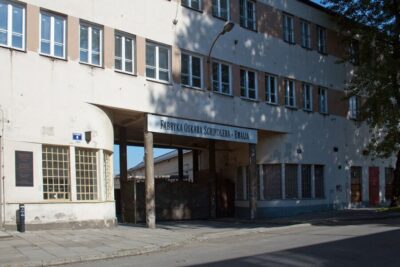
Schindler’s Factory Tour with Entrance Ticket
Read our review →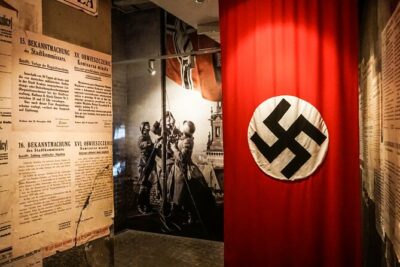
Schindler’s Factory in Krakow: Guided Tour & Skip the Line Ticket
Read our review →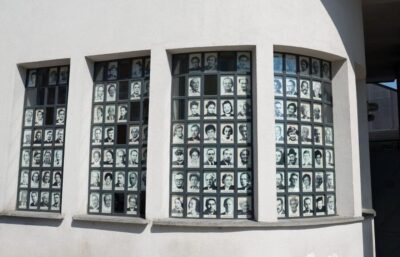
Schindler’s Factory Ticket with Guided Tour Option
Read our review →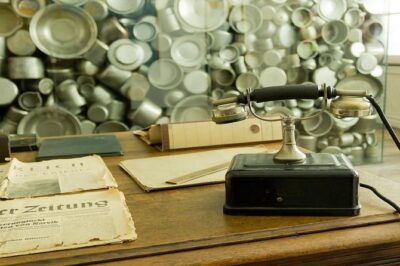
Krakow Schindler’s Factory Guided Tour with Admission Ticket
Read our review →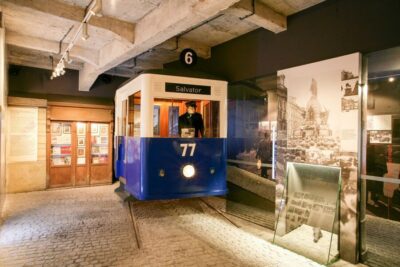
Schindler’s Factory Guided Tour with Entry Ticket
Read our review →Browse the lists this tour appears in