
Reviewed · SCHINDLERS FACTORY TOURS
Krakow: Schindler’s Factory Ticket with Guided Tour Option
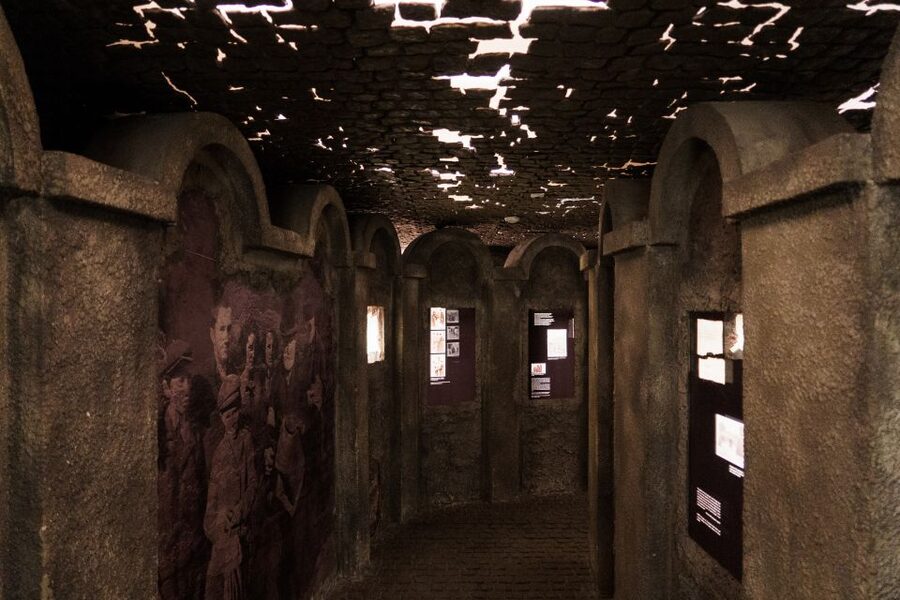
Schindler’s Factory is not simply a museum about one famous industrialist. Its Krakow Under Nazi Occupation exhibition uses photographs, objects, weapons, rooms, and personal stories to show how German rule changed daily life in the city. You move through Krakow before, during, and after the war, with Schindler’s story woven into a much wider account.
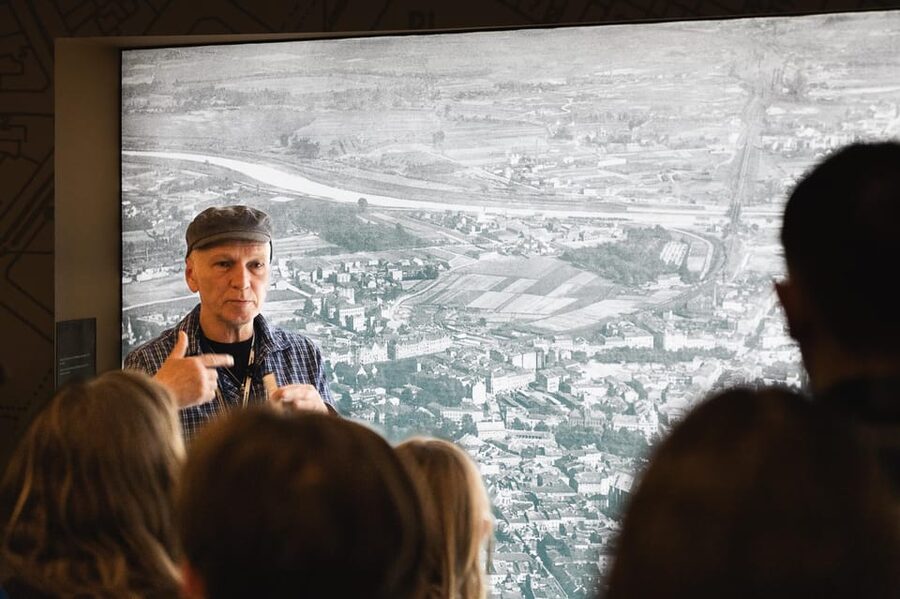
I especially like two things here: skip-the-line entry saves time at a busy museum, and a good guide gives meaning to displays you might otherwise pass without noticing. Guides such as Wojciech Marchut, Kinga, Marta, and Magda have been praised for clear English, strong storytelling, and sensitive handling of painful material.
The main drawback is pace. The tour lasts only 1.5 hours, and some groups feel rushed near the end. A larger group can also make it harder to hear or pause at photographs. If you want time to study every panel, entry alone or extra museum time may suit you better.
Key points to know before booking
- The exhibition covers all of wartime Krakow: You learn about Polish, Jewish, and German life before, during, and after the occupation.
- The original factory is part of a larger museum experience: Schindler matters, but the visit is not a recreation of the film Schindler’s List.
- A guide adds real value: English commentary explains photographs, objects, and the setting in a way that labels alone may not.
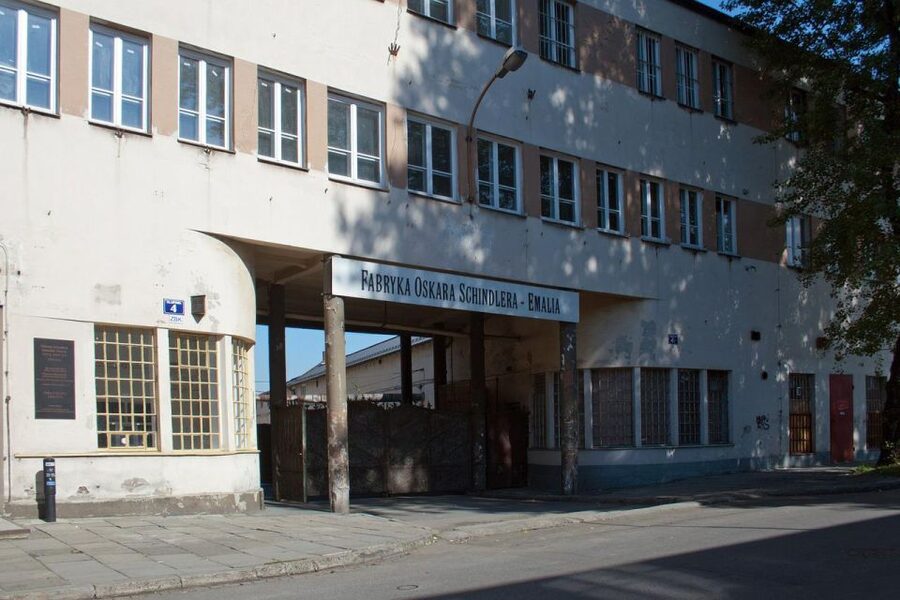
- Meet at Lipowa 4: Find the guide in front of the main gate, holding a sign marked Oskar Schindler Guided Tour with your start time.
- Allow for an emotional visit: The subject includes persecution, the Krakow Ghetto, murder, survival, and loss.
- Bring a passport or ID card: Belongings can be left in an onsite deposit.
What the Schindler’s Factory visit is really about
The name draws people in because of Oskar Schindler and the film based on his actions. But you should adjust your expectations before arriving. This is not a museum focused only on Schindler’s personal life or a set built around the movie.
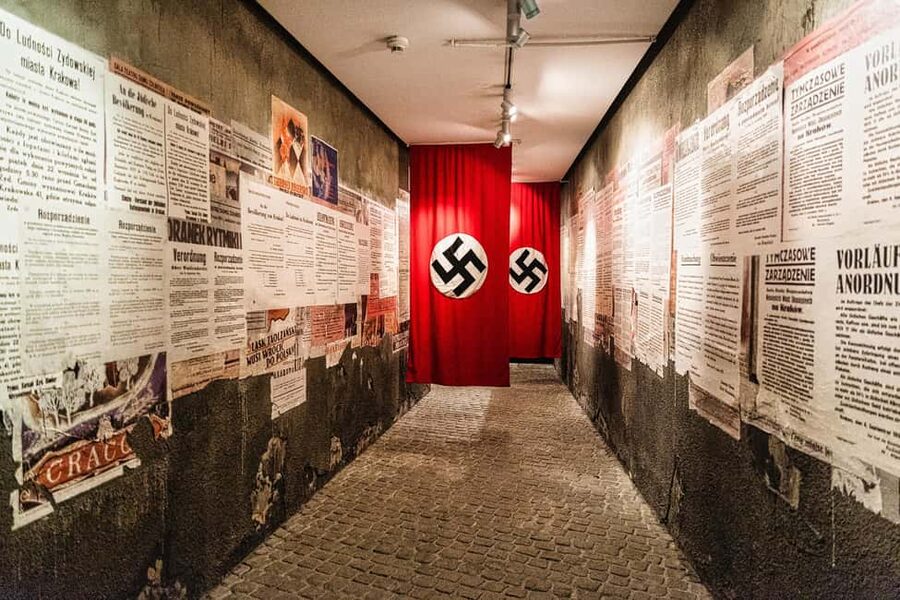
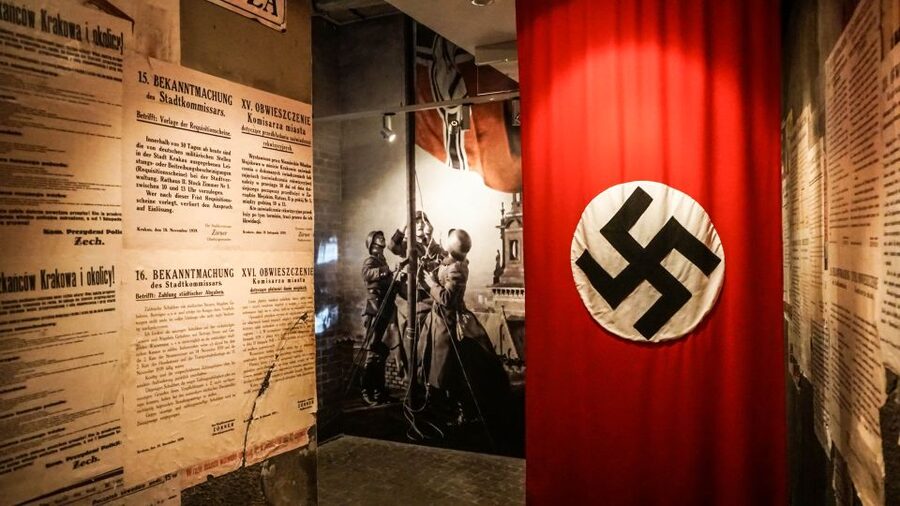
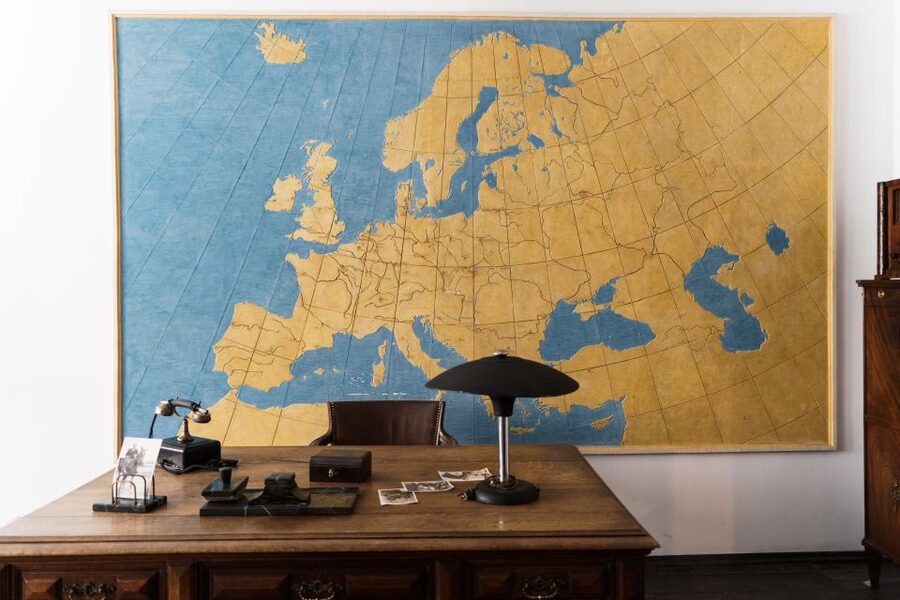
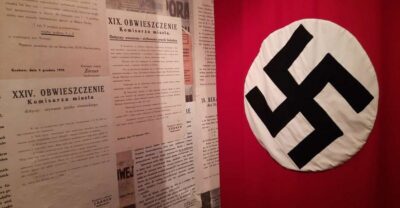
The central exhibition, Krakow Under Nazi Occupation, explains how the city changed under German rule. It looks at streets, homes, work, propaganda, policing, forced labor, the Jewish population, and the sharp gap between Nazi privilege and the suffering of occupied residents.
That wider view is the museum’s strength. Schindler’s role becomes more understandable when you see the pressure and danger around him. You also learn about the people he employed and protected, along with those who did not survive the occupation.
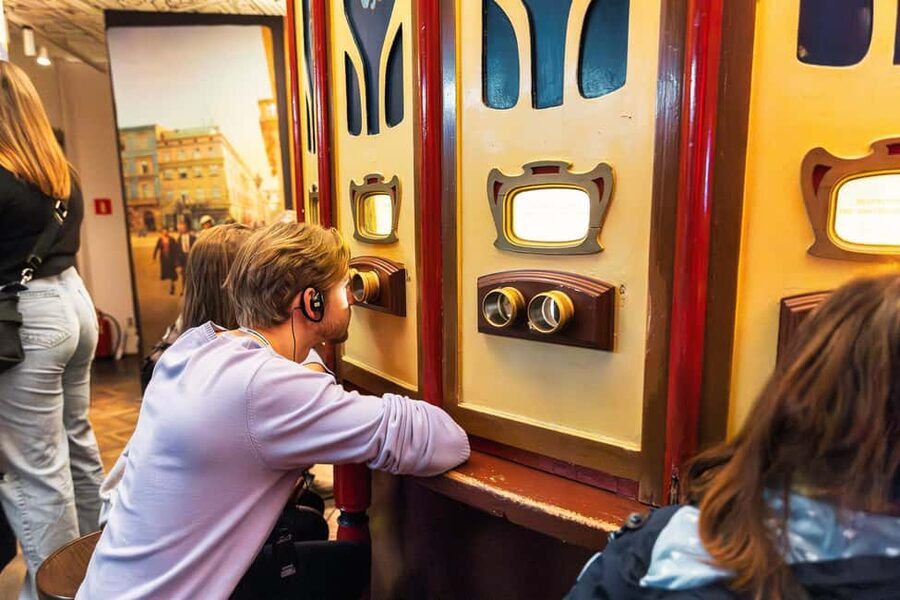
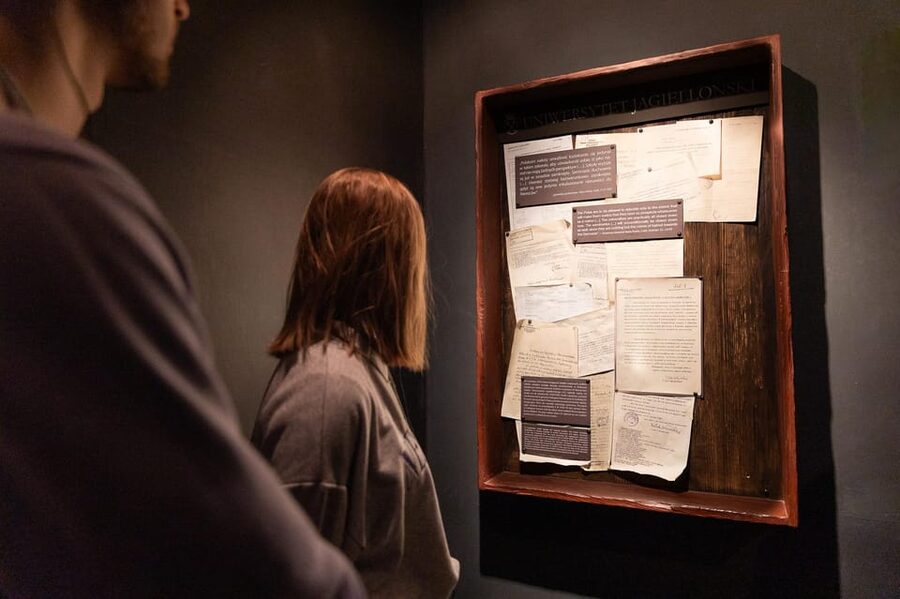
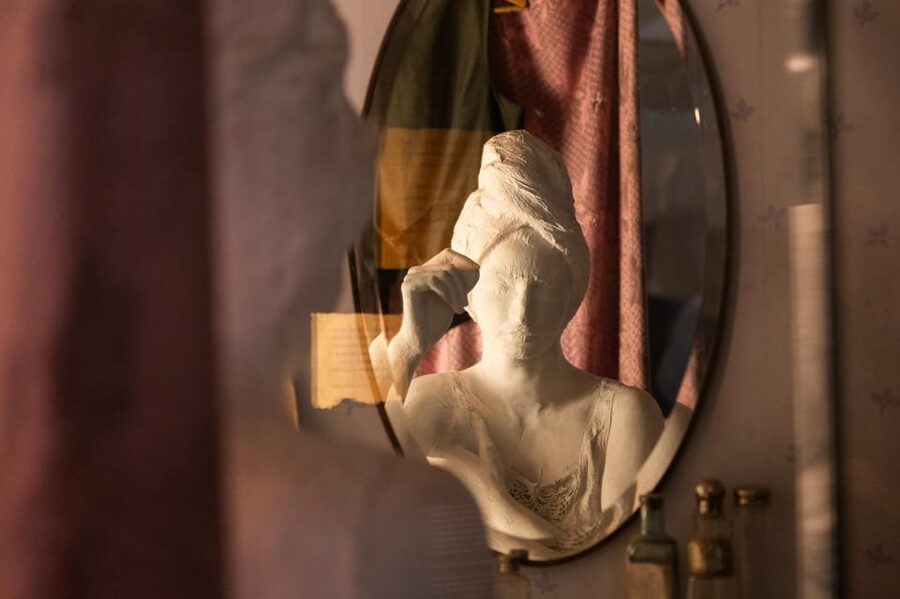
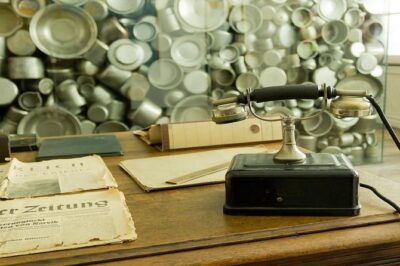
The displays include original war weapons, photographs, documents, and a replica of an apartment in the Krakow Ghetto. These details help turn broad historical facts into something more personal. A room, an object, or a photograph can show how occupation affected ordinary decisions, not just military events.
I would not book this expecting a light sightseeing stop. The material is serious, and the final sections about the fate of the people Schindler helped can be difficult. The guides generally keep the tone respectful while allowing room for questions and, at times, a little gentle humor to keep the presentation from becoming impossible to absorb.
More Schindlers Factory Tours in Krakow:
- Krakow: Oskar Schindler’s Factory Entry Ticket & Guided Tour
★ 4.2 · 3,793 reviews - Krakow: Schindler’s Factory Tour with Entrance Ticket
★ 4.5 · 3,182 reviews - Krakow: Schindler’s Factory Skip-the-Line Ticket
★ 4.4 · 3,105 reviews
Starting at Lipowa 4 in Krakow
The meeting point is in front of the main gate to Schindler’s Factory at Lipowa 4. Your guide should hold a sign reading Oskar Schindler Guided Tour and showing the scheduled start time.
This sounds simple, but the entrance area can be confusing when people are queuing for general admission. One useful practical point is to look for the guide and the tour sign rather than automatically joining the largest line. One group had to be redirected after waiting in the wrong place, so give yourself enough time to find the correct meeting spot.
The activity begins and ends at the museum meeting point. There is no hotel pickup or drop-off, so plan your route to Lipowa 4 separately. The supplied information does not include transport to the factory, and you should not expect a driver or escort from your hotel.
Bring your passport or ID card. You can leave belongings in a deposit onsite, which is handy if you arrive carrying a day bag or extra clothing.
Inside the Krakow Under Nazi Occupation exhibition
The museum leads you through a chronological account of Krakow during the war. The focus is not only on dates and battles. You see how occupation altered the city’s institutions and the lives of people who lived there.
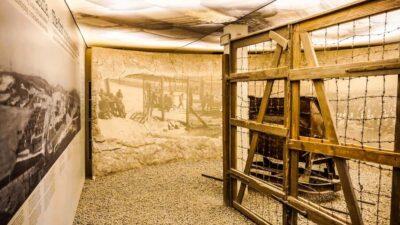
The exhibition presents a mixture of original items and carefully staged spaces. The replica of a Krakow Ghetto apartment is particularly useful because it gives you a sense of cramped, controlled living conditions rather than presenting the ghetto as an abstract location on a map.
You may also see original weapons and other wartime objects. These are not included simply for drama. In a guided visit, they can help explain the systems of force and control that shaped the city.
One important theme is the unequal experience of occupation. Nazi officials and favored residents had access to privileges that others did not. Jewish residents faced persecution and confinement, while many Polish residents dealt with restrictions, fear, forced labor, and the loss of normal civic life.
A guide can connect these separate displays. Without commentary, you might read each label as an isolated fact. With a strong explanation, the photographs and rooms form a clearer account of how policy became daily suffering.
Why the guided option is worth considering
The guided option includes a live English-speaking guide, and this is where the extra value usually lies. The museum contains a great deal of information, but 1.5 hours is not enough to read every panel carefully while also keeping pace with a group.
The best guides do more than repeat dates. Wojciech Marchut has been praised for combining detailed historical explanation with stories, questions, and a touch of humor. He has also taken groups outside afterward to see other parts of the factory area and Schindler’s Villa. That extra walk is not guaranteed, but it shows how a guide may connect the museum to its surroundings.
Kinga has been praised for clear English and for bringing personal family connections to the subject. Marta has been described as friendly and open to questions, though one group wanted more time with the photographs and objects. Magda has also been praised for a clear, engaging presentation.
These individual guides may not be assigned to every departure, so book for the guided format rather than expecting a particular person. The important point is that the experience can change greatly depending on how well the guide manages the room, explains context, and controls the pace.
Optional audio headphones may be available to help you hear the commentary. This matters if the group is large or if several people are gathered around a display. Still, headphones do not solve every problem. The tour has a fixed duration, and you may need to move on before you have examined every image.
A few more Krakow trips to weigh up
- Krakow to Auschwitz Birkenau Guided Tour with Transfer and Ticket
★ 5.0 · 8,197 reviews - Krakow: Wieliczka Salt Mine Fast-Track Ticket & Guided Tour
★ 4.5 · 5,872 reviews - Auschwitz Birkenau Guided Tour with Ticket Hotel Pickup Small Van
★ 5.0 · 4,769 reviews - From Krakow: Wieliczka Salt Mine Tour & Skip the Line Ticket
★ 4.4 · 3,925 reviews
The Schindler story without the Hollywood filter
Oskar Schindler’s role is central, but the museum does not present him as a simple fictional hero. You learn about his influence during the German occupation and the people he helped. You also see how his actions fit into the wider machinery of Nazi rule.
This makes the visit more useful than a film-location hunt. You can discover places connected with the filming of Schindler’s List, but those references are only one part of the experience. The real subject is the historical Krakow in which Schindler operated.
The museum also brings the story beyond Schindler himself. Near the end, you learn what happened to the people he aided. That closing section gives the visit its emotional weight. It reminds you that rescue did not erase the violence, fear, and loss surrounding those who survived.
If you know the film well, you may recognize certain names or ideas. If you have not seen it, you can still follow the museum without trouble. The tour explains the setting and does not assume that you arrive with detailed background.
A 1.5-hour route, and what you may miss
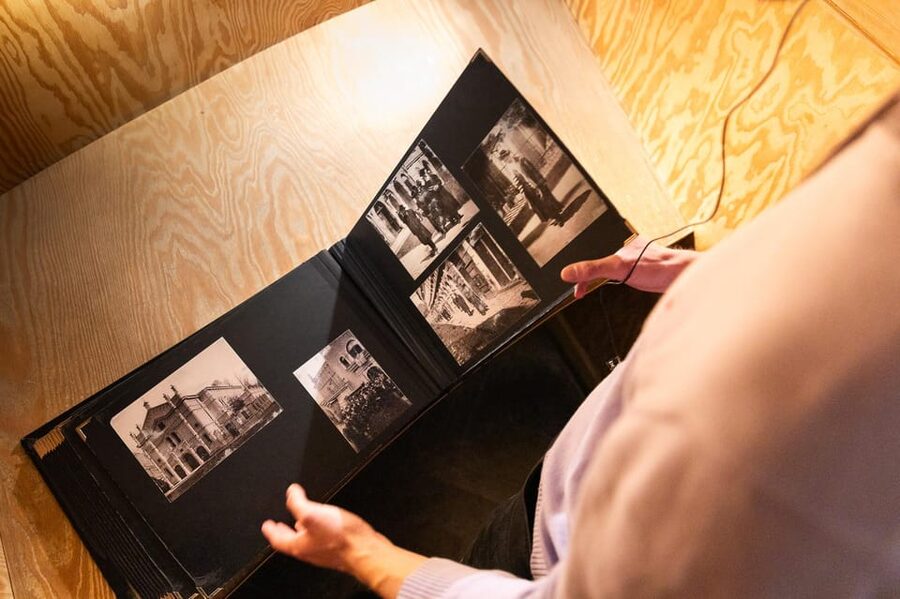
The scheduled tour takes about 90 minutes. That is long enough for a solid introduction, but short for a museum filled with photographs, objects, room sets, and written material.
The usual experience is a guided walk through the exhibition, with the guide stopping at selected displays and explaining their importance. You will not simply be left to wander. The structure helps you see the main story in the available time.
The trade-off is limited freedom. Several groups found the pace fast toward the end, and some wanted to stay longer with individual photographs and posters. If you like reading every label, take note of that limitation before booking.
You can ask questions during the tour, and good guides make space for them. Still, you should not count on a relaxed second pass through the museum after the commentary. The experience is designed as a focused guided visit, not an open-ended afternoon at the exhibits.
If possible, arrive prepared to listen first and inspect details as you go. You can then decide if you want to return to specific displays after the tour, though the supplied details do not promise re-entry or additional independent viewing.
Group size, sound, and the practical side
The tour can feel crowded when several groups are moving through the same museum spaces. One group described its size as a little too large, though it did not prevent them from following the visit. In a tight room, however, your position matters.
Stay close enough to the guide to hear clearly, especially during popular stops. Optional audio headphones can help reduce the problem, but you should still expect some movement and waiting as the group gathers.
The English-language format is useful for visitors who want more than a quick look at the displays. The guide can explain terms, answer questions, and point out links between the exhibition rooms. Entry-only may suit you if you prefer silence and your own pace, but you will be responsible for making sense of the material yourself.
The museum setting is comfortable enough for a short visit, and the onsite deposit gives you a place for belongings. The subject, rather than the physical conditions, is the main challenge. Plan a little quiet time afterward if you know that wartime museums affect you strongly.
Is $42 good value?
At $42 per person, this is not the cheapest museum visit in Krakow. The value depends on what you want from the hour and a half.
For entry alone, the price may feel high if you are happy to read independently and do not mind managing the museum’s queues. The skip-the-line entry does save time, but it is not the whole reason to pay more.
The guided option makes a stronger case. You receive priority entry and live English commentary from a guide who can explain the people, places, and events behind the displays. That matters here because the exhibition contains a large amount of information and the chronological story can be hard to follow without context.
I would consider the price fair for a first visit if you have limited time in Krakow, care about modern European history, or want help understanding the exhibition. It is less compelling for repeat museum visitors who already know the subject and prefer to read independently.
The booking terms also reduce some risk. You can cancel up to 24 hours before the activity for a full refund, and you can reserve now and pay later. Those options are useful when your Krakow schedule is still shifting.
Who should book this tour?
I would recommend the guided version to first-time visitors, history-minded visitors, and anyone who has seen Schindler’s List and wants the real Krakow context behind it. It also suits people who learn best through spoken explanation rather than long museum labels.
Families with older children may find the visit meaningful, though the subject is severe. Younger children may not gain much from the detailed wartime material, and the emotional tone deserves careful thought.
The tour is also a good match for visitors with only a short stay. In 90 minutes, you receive a focused account of the occupation without needing to plan the museum route yourself.
You may prefer entry-only if you want to stop at every photograph, read every panel, or avoid a fixed group pace. The guided tour is not a substitute for an entire day of independent study. It is a structured introduction with a human voice.
My verdict on Schindler’s Factory
Schindler’s Factory works best when you treat it as a museum about wartime Krakow, not only as a shrine to one man. The replica apartment, photographs, weapons, and accounts of daily life create a much wider picture than the film alone can provide.
I like the combination of skip-the-line admission and a live guide, especially when the guide is as clear and engaged as Wojciech, Kinga, Marta, or Magda. I also appreciate that the visit does not stop with Schindler’s good deeds. It asks you to consider the people he helped and the many people the occupation destroyed.
The short duration and occasional crowding are real drawbacks. You may feel rushed at the final displays, and a large group can limit your time with individual objects.
Still, I would book the guided option if this is your first visit and the $42 price fits your budget. Choose entry-only if you value a slower pace more than interpretation. Either way, make room in your Krakow plans for this serious, carefully presented account of how occupation changed a city.
FAQ
Where does the Schindler’s Factory tour start?
The tour starts at Lipowa 4, in front of the main gate to Schindler’s Factory entrance. Look for a guide holding a sign marked Oskar Schindler Guided Tour with the tour start time.
How long does the activity last?
The guided visit lasts 1.5 hours. Starting times vary, so check availability when booking.
Is the tour conducted in English?
Yes. The live tour guide option is conducted in English.
Is a guide included with every ticket?
A professional live guide is included if you choose the guided option. Entry-only tickets do not include the live guide.
Does the ticket include skip-the-line entry?
Yes. The activity includes a skip-the-line entry ticket.
Is hotel pickup or drop-off included?
No. Hotel pickup and drop-off are not included. You must make your own way to Lipowa 4.
What should I bring to the museum?
Bring your passport or ID card. You may leave belongings in a deposit onsite.
Just added around Krakow
- Tour to Wadowice: Hometown of Pope Saint John Paul II★ 4.6 · 12 reviews
- The Jewish Quarter – Walking Tour★ 5.0 · 4 reviews
- From Kraków; to Białka Thermal Baths private tour★ 5.0 · 5 reviews
- St. Mary’s Basilica and more – a short walk with a guide★ 4.7 · 56 reviews
- Krakow: Auschwitz-Birkenau and Wieliczka Salt Mine Day Trip★ 4.7 · 84 reviews
- Krakow: Skip-the-Line Wawel Castle & Old Town Guided Tour★ 4.9 · 23 reviews
- Krakow: Schindler’s Factory Guided Tour★ 4.2 · 12 reviews
- Shooting Range Experience!★ 4.8 · 66 reviews
Schindlers Factory Tours, compared.
Oskar Schindler’s Factory Entry Ticket & Guided Tour
Read our review →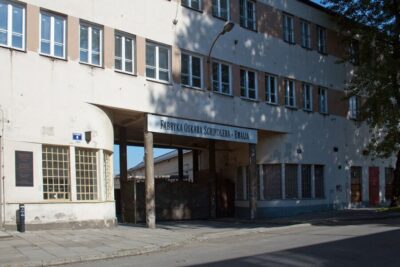
Schindler’s Factory Tour with Entrance Ticket
Read our review →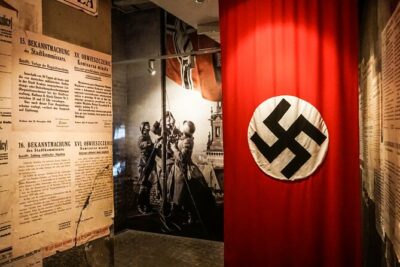
Schindler’s Factory in Krakow: Guided Tour & Skip the Line Ticket
Read our review →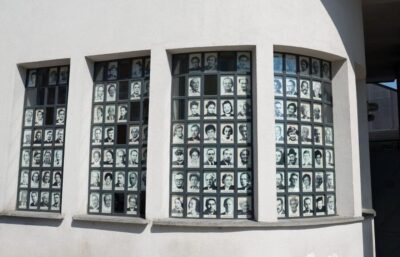
Krakow Schindler’s Factory Guided Tour with Admission Ticket
Read our review →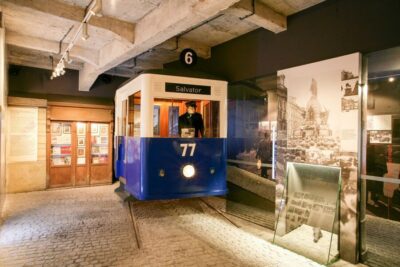
Schindler’s Factory Guided Tour with Entry Ticket
Read our review →
Browse the lists this tour appears in