
Reviewed · AUSCHWITZ-BIRKENAU MEMORIAL TOURS
Oswiecim: Auschwitz-Birkenau Skip-the-Line Entry Tickets
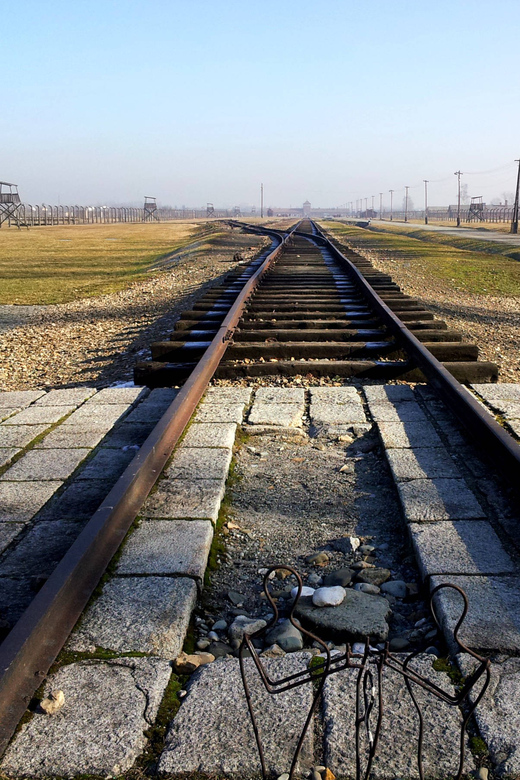
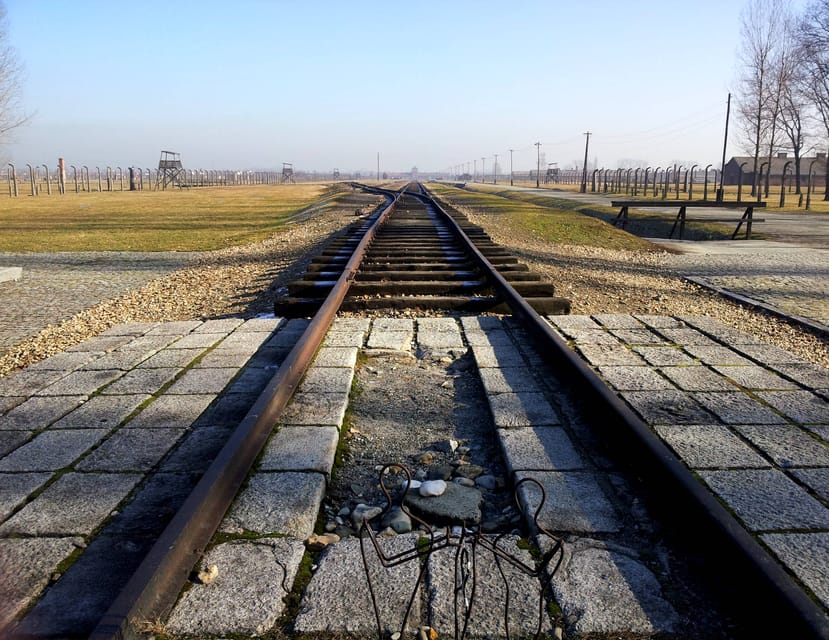
Auschwitz-Birkenau is not a normal sightseeing stop. You enter Auschwitz I through the Arbeit Macht Frei gate, walk past brick barracks, and see the personal belongings and photographs of prisoners. At Birkenau, the scale changes completely: wooden barracks, rail tracks, ruins, and open ground show how large the killing center was. The experience is direct, serious, and physically larger than many first-time visitors expect.
I like the fact that this visit covers both Auschwitz I and Auschwitz II Birkenau, rather than stopping at the better-known first camp. I also like the booked entry, licensed guide, and headsets, which matter in a place where quiet explanations and clear historical context are more useful than a rushed walk with a printed map.
The main caution is timing. The listed duration is 210 minutes, but the museum controls the pace and may change the exact entry time according to availability. The meeting point can also be hard to identify in the crowded car park area, so I would arrive early and save much of the day for this visit.
Key points to know before booking
- Two separate camp sites: You visit Auschwitz I for about two hours, then Birkenau for about one hour.
- A licensed English-speaking guide: The guide leads the full memorial visit, with headsets supplied so you can follow explanations clearly.
- Booked entry rather than the regular ticket queue: This saves you from arranging museum admission yourself, though everyone still passes airport-style security.
- A serious, controlled pace: The museum determines the tour length and route, not the booking provider.
- No transport included: You must arrange your own way to the museum and consider how you will move between the sites.
- Exact names are required: Every participant’s booking name must match the passport or ID shown at entry.
Entering Auschwitz I through the famous gate
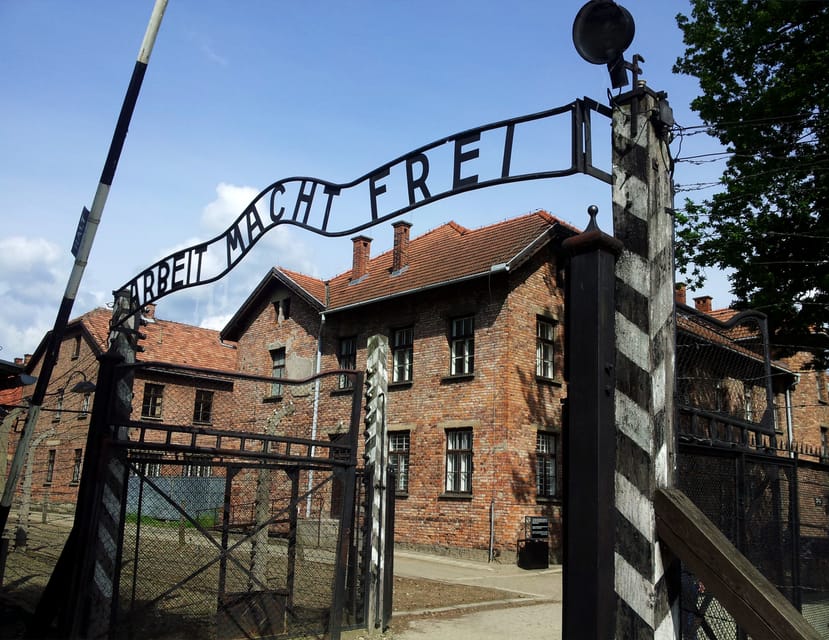
The visit begins at the Auschwitz I Memorial and Museum. Your meeting point is near the luggage storage area, on the side of the main entrance museum building. This sounds precise on paper, but the surrounding car park can be crowded, and finding the correct group may take patience.
I would arrive well before the stated time, carry your identification, and keep your booking details easy to reach. One useful practical lesson is that an obvious sign or precise meeting-point photo would make the start easier. A guide may find you, as Daniel did for one delayed group member, but you should not rely on luck.
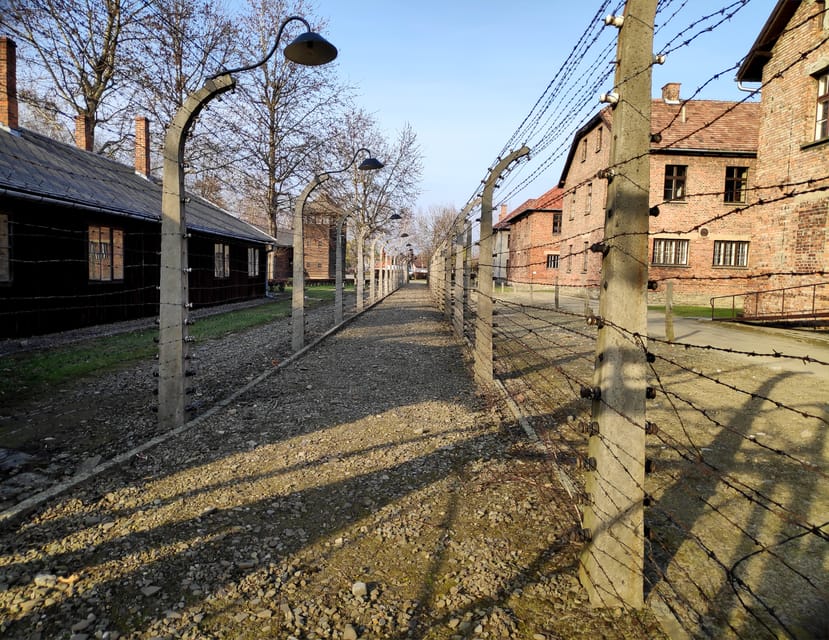
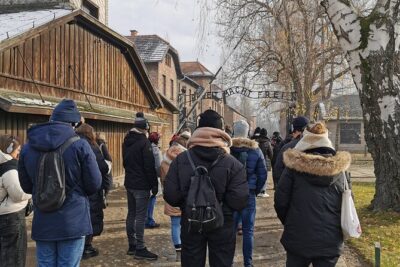
Once inside, the first sight is the gate with the words Arbeit Macht Frei. The image is familiar, but seeing the gate in person changes its effect. You then move through the former camp, where brick barracks now hold exhibitions, photographs, documents, and objects connected to the prisoners held there.
This part of Auschwitz is the more structured and museum-based section. You walk from building to building with the guide, stopping to hear how the camp operated and how prisoners were registered, confined, exploited, and murdered. The physical setting remains stark, but the indoor displays add personal detail that an outdoor walk alone cannot provide.
More Auschwitz-Birkenau Memorial Tours in Oswiecim
- Auschwitz-Birkenau Skip-the-Line Guided Tour
★ 4.3 · 3,617 reviews - Auschwitz-Birkenau: Skip-the-Line Entry Ticket & Guided Tour
★ 4.4 · 3,052 reviews - Auschwitz-Birkenau Skip-the-Line Ticket and Guided Tour
★ 4.4 · 1,241 reviews
Auschwitz I exhibitions and surviving camp buildings
The exhibitions at Auschwitz I include prisoner photographs and artifacts. These displays are not there to create spectacle. They show the human cost of a system that tried to reduce people to numbers, labor, and transport records.
The tour also includes reconstructions of parts of the camp complex and the only remaining gas chambers and crematoria at the Auschwitz I site. Your guide gives the setting its necessary context, helping you understand what each building was used for and how it fitted into the camp system.
I find the licensed guide especially valuable here because the material is heavy and the site is visually confusing. Barracks can look similar, and without explanation it is easy to miss why one building or display matters. The supplied headsets should help you hear the guide without crowding around a single person.
The tone is appropriately solemn. Suzanna, or a name very close to that, was praised for giving a clear explanation while keeping the right level of seriousness. That balance matters. You need facts, dates, and structure, but the visit should never feel like a casual sightseeing circuit.
Expect about two hours at Auschwitz I, though the museum has the final say on pace and duration. The route may feel intense even before the second camp. I would avoid filling the rest of the day with another major attraction.
Moving on to Birkenau’s much larger grounds
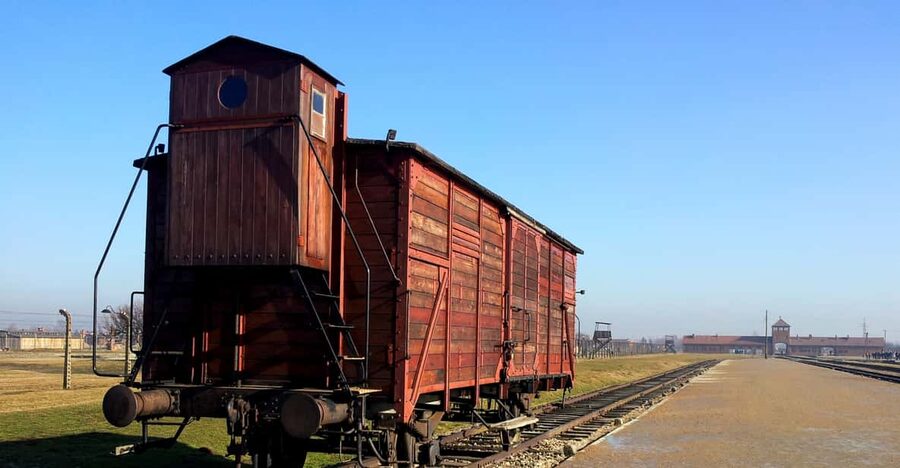
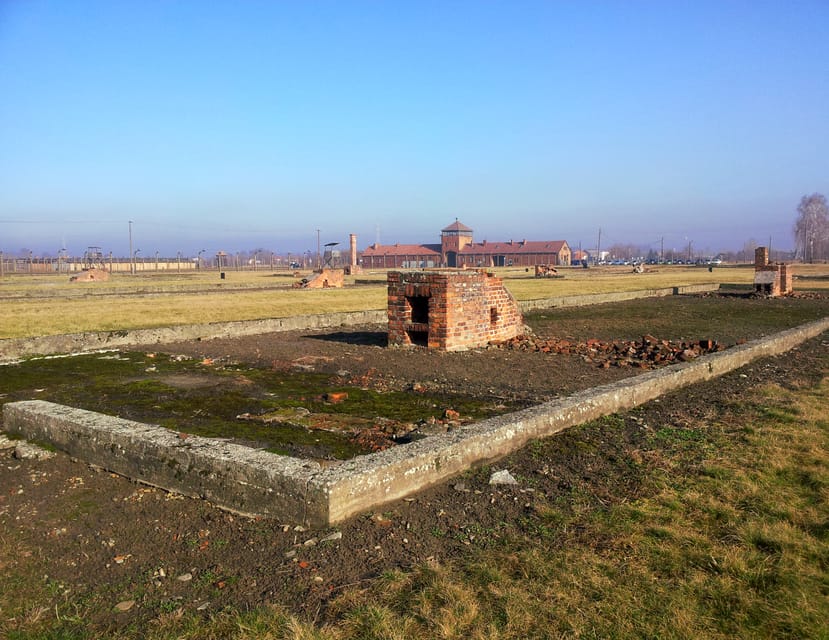
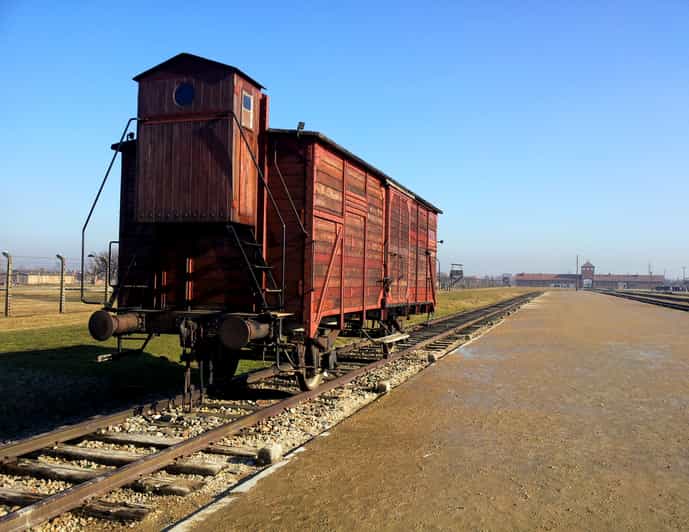
The second part takes you to Auschwitz II Birkenau for roughly one hour. This is where the scale becomes difficult to grasp. Birkenau was far larger than Auschwitz I, with wooden blocks, open ground, railway infrastructure, and the remains of gas chambers and crematoria.
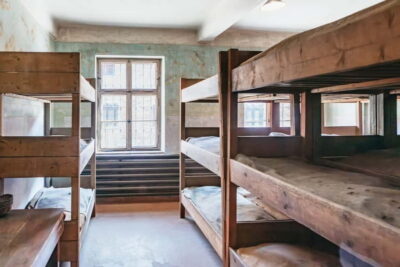
You enter the wooden barracks, where almost 1,000 people could be held in inhumane conditions. The buildings make the crowding easier to picture, but the site around them is just as important. Birkenau’s broad grounds show the planned size of the operation and the distance between different parts of the camp.
The guide explains the ruins of the gas chambers and crematoria, which were part of the industrial murder carried out by Nazi Germany. The remains are incomplete, but that does not make them less important. The destruction itself forms part of the evidence of what happened.
One practical point matters here: an hour is enough for an introduction to Birkenau, but not enough to see every part of this enormous site at a slow pace. After the guided portion, you may want more time to walk independently, but this booking does not promise an extended self-guided period. A visitor who wants to study more of Birkenau should plan carefully around the departure arrangements.
A useful tip is to consider your own transport between Auschwitz I and Birkenau if that fits your plans. One past participant found that having personal transport offered more freedom than being tied to a return schedule. The activity itself does not include transportation, so you need to check your own route and timing before booking.
What the 210-minute schedule really means
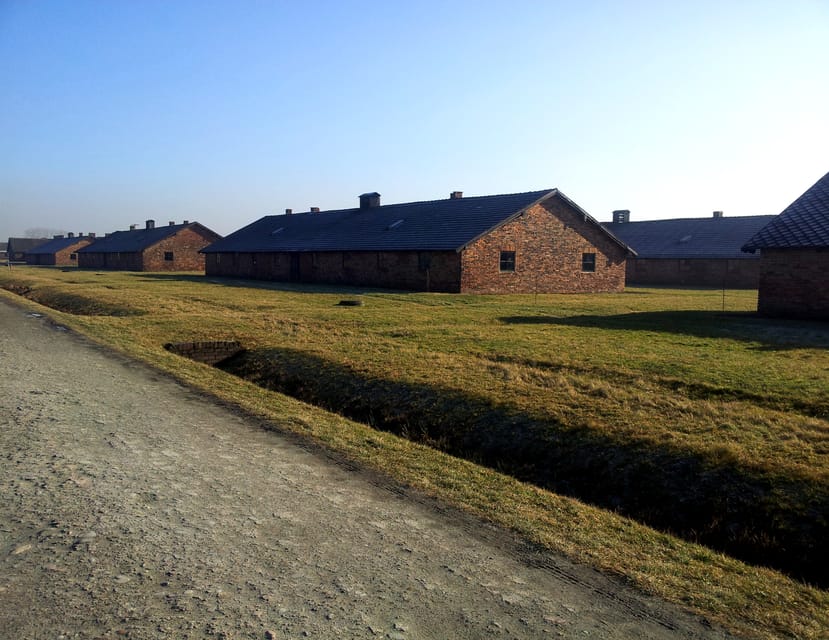
The advertised duration is 210 minutes, or three and a half hours. The detailed plan breaks this into approximately two hours at Auschwitz I and one hour at Birkenau, with the remaining time allowing for movement and the organized structure of the visit.
Do not treat 210 minutes as a guaranteed door-to-door schedule. The museum says its visitor service controls the pace and duration, and booked hours are tentative because entry depends on museum availability. A time change can affect your whole day, so I would keep the day open rather than schedule a train, airport transfer, or tightly timed Krakow activity immediately afterward.
This is especially important because the tour does not include transportation. You are responsible for reaching the meeting point at Auschwitz I and handling your plans after the visit. If you are arranging a separate bus or car service, allow a generous buffer.
The skip-the-line feature is useful, but it does not mean you bypass every step. All visitors pass through airport-style security, and oversized luggage, large bags, sharp objects, weapons, pets, alcohol, and drugs are not allowed. Bring a passport or ID card, and keep your belongings small.
Same country, a completely different kind of day:
- Auschwitz-Birkenau: Skip-the-Line Entry Ticket & Guided Tour
★ 4.4 · 1,038 reviews - Auschwitz-Birkenau: Guided Tour with Fast Track Ticket
★ 3.9 · 433 reviews - Auschwitz-Birkenau: Guided Tour and Skip-The-Line Ticket
★ 4.4 · 215 reviews - Krakow: Auschwitz-Birkenau Private Guided Tour
★ 4.3 · 167 reviews
Why the guide and headsets matter here
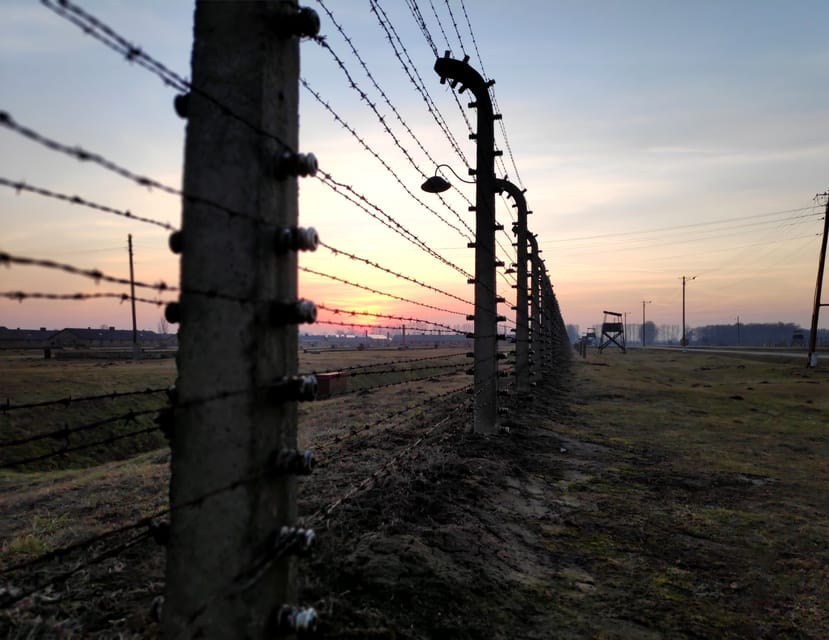
Auschwitz-Birkenau is a place where reading every panel alone can take much longer than the booked visit. A guide gives the route an order and points out the details that are easy to overlook, from the purpose of individual buildings to the differences between Auschwitz I and Birkenau.
The English-speaking guide is included, along with headsets. That setup should make the visit easier in a group, especially when other groups are moving through nearby buildings. You can stay at a respectful distance and still hear the explanation.
The strongest part of the guided format is the connection between place and event. At Auschwitz I, the guide helps you understand the museum objects and photographs. At Birkenau, the guide explains how the barracks, ruins, and camp design functioned together. Without that link, the second site can seem like a vast field of damaged buildings.
You should still expect a group experience, not a private tour. The route and pace are set by the museum, and there may be limited time to pause at every display. If you prefer complete control over how long you spend at each section, a ticket with a guide may feel restrictive. If you want the main facts organized clearly, it is a sensible choice.
The $81 price and what you receive
At $81 per person, this is not a cheap museum ticket. The value rests in the combination of reserved admission, a licensed guide, headsets, an English-speaking tour leader, and an English e-book for each participant.
The price makes the most sense if you want help with the visit’s structure and do not want to manage museum entry on your own. Auschwitz-Birkenau is emotionally and practically demanding, so having the main route organized can reduce stress. The skip-the-line arrangement also has value on busy dates, although security and museum controls still apply.
The price is less attractive if you already have transport, understand the site well, and want several extra hours at Birkenau. The guided portion gives you the essential framework, but one hour at Birkenau is limited compared with the size of the grounds. You may prefer a plan that allows more independent time if that is your main goal.
The English e-book is a useful extra for reviewing the visit afterward, but it should not be the reason you book. The guide, admission, and clear audio are the main benefits.
Who will find this visit a good fit
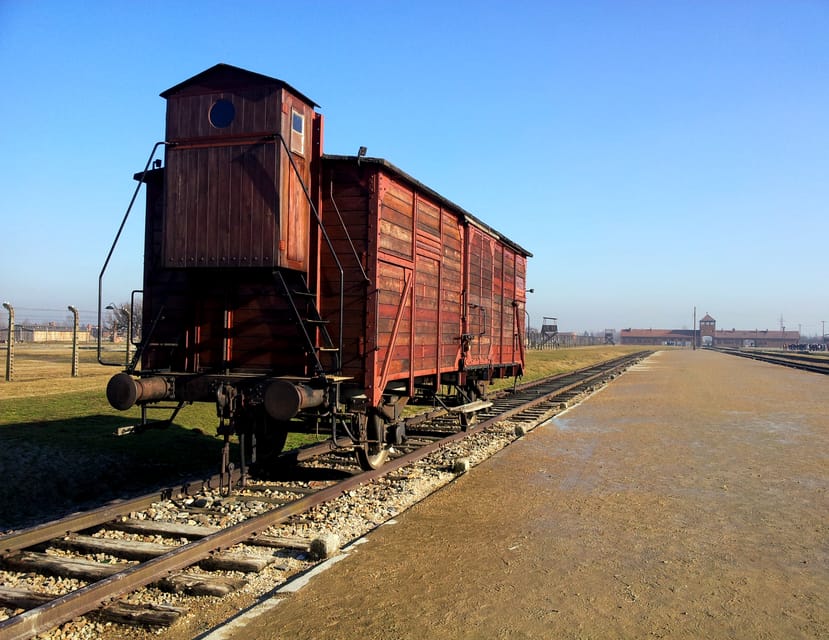
I would recommend this experience to you if you want a serious, guided introduction to both camps and prefer to have admission arranged in advance. It is also a good fit if you value clear explanations and want to avoid spending your first minutes figuring out museum procedures.
It suits first-time visitors especially well. The site is extensive, the subject is difficult, and the differences between Auschwitz I and Birkenau are easier to understand when someone leads you through them.
It may not suit you if you need a fixed departure time, have a tight same-day connection, or want to explore every corner independently. The museum can alter the booked hour, and the exact route and duration are outside the provider’s control.
Families should think carefully about the subject matter and the age of each child. The supplied information does not set a minimum age, but this is a place of mass murder, displayed personal belongings, and harsh living conditions. You know your own group best.
Small details that make a big difference
Use the full names of every participant when booking. The museum requires those names, and each one must match the identification document shown at entry. A mismatch may lead to refused admission.
Bring a passport or ID card, not just a phone image unless you have confirmed that it is accepted. Pack lightly. Large bags and oversize luggage are not allowed, and airport-style security is part of the entry process.
Wear practical footwear and prepare for a long, serious walk through indoor and outdoor areas. The exact physical demands can vary with the route and museum schedule, so I would avoid planning this in clothes or shoes chosen only for photographs.
Keep the meeting-point instructions open on your phone, but do not arrive at the last second. The car park area can be crowded, and a clear photo of the exact spot would be helpful if one is available during booking. Look for the area near luggage storage on the side of the main entrance museum building.
The tour can be cancelled for a full refund up to 24 hours before the start, and you can reserve now and pay later. Those policies offer useful flexibility, but they do not remove the need to keep your full day free because the museum may adjust the scheduled time.
Should you book Auschwitz-Birkenau entry tickets?
Book this tour if you want the essential Auschwitz I and Birkenau experience with a licensed English-speaking guide, organized entry, and clear audio. The strongest reasons are the coverage of both camps and the helpful historical structure at a site that can otherwise feel overwhelming.
Think twice if your priority is independent exploration, especially at Birkenau. The guided hour there covers the main elements, but the grounds are enormous, and you may want more time than this format allows. You will also need to arrange transportation yourself and accept that the museum can change the exact start time.
For many first-time visitors, $81 is a fair price for the guidance and reserved admission, provided you treat the day as flexible. Arrive early, bring matching identification, pack lightly, and approach the visit with the patience and respect it requires.
FAQ
How long does the Auschwitz-Birkenau visit last?
The stated duration is 210 minutes, or three and a half hours. The visit generally includes about two hours at Auschwitz I and about one hour at Auschwitz II Birkenau, but the museum controls the final pace and duration.
Does the ticket include both Auschwitz I and Birkenau?
Yes. The experience includes entry to both Auschwitz I and Auschwitz II Birkenau, with a licensed guide accompanying the visit.
Is transportation included?
No. Transportation is not included, so you must arrange your own way to the meeting point and consider your plans for moving between the two sites.
Where is the meeting point?
The meeting point is near the luggage storage area, on the side of the main entrance museum building at Auschwitz I.
What identification should I bring?
Bring a passport or ID card. The full name on each booking must match the identification document presented at the entrance.
Can I cancel the booking?
You can cancel up to 24 hours in advance for a full refund. The activity also allows you to reserve now and pay later.
More Skip the Line in Oswiecim
- From Krakow: Wieliczka Salt Mine Tour & Skip the Line Ticket
★ 4.4 · 3,925 reviews - Krakow: Schindler’s Factory Skip-the-Line Ticket
★ 4.4 · 3,105 reviews - Schindler’s Factory in Krakow: Guided Tour & Skip the Line Ticket
★ 4.5 · 1,714 reviews - Auschwitz-Birkenau: Skip-the-Line Ticket and Guided Tour
★ 4.2 · 1,034 reviews
Just added around Oswiecim
- RoundTrip from Krakow to Auschwitz + Entrance Tickets★ 4.9 · 10 reviews
- Krakow Auschwitz-Birkenau Memorial Guided Tour Meeting Point★ 4.7 · 20 reviews
- From Krakow: Wieliczka Salt Mine & Auschwitz Guided Trip★ 4.5 · 5 reviews
- From Krakow: Roundtrip Transportation to Auschwitz Birkenau★ 4.8 · 30 reviews
- Auschwitz-Birkenau Museum Tour from Krakow★ 4.6 · 25 reviews
- Auschwitz-Birkenau: Memorial Entry Ticket and Guided Tour★ 3.9 · 54 reviews
- Auschwitz-Birkenau: Entry Ticket with Guided Tour★ 4.5 · 105 reviews
- Auschwitz & Birkenau Live Guide Tour Entrance Ticket★ 4.0 · 110 reviews
Auschwitz-Birkenau Memorial Tours, compared.
Auschwitz-Birkenau Guided Tour & Hotel Pickup
Read our review →Auschwitz-Birkenau Guided Tour & Hotel Pickup
Read our review →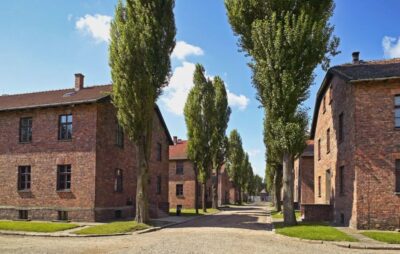
Auschwitz Guided Tour with Optional Hotel Pickup
Read our review →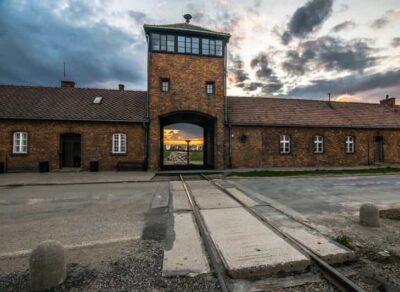
Auschwitz-Birkenau Guided Tour with Pickup & Lunch
Read our review →
Auschwitz-Birkenau Guided Tour Pickup/Lunch Options
Read our review →
Krakow to Auschwitz Birkenau Guided Tour with Transfer and Ticket
Read our review →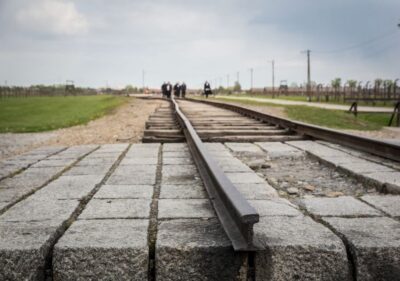
Browse the lists this tour appears in