
Reviewed · SCHINDLERS FACTORY TOURS
Schindler’s Factory Museum Guided Tour – Krakow
Krakow’s Schindler’s Factory Museum does more than tell Oskar Schindler’s story. It uses ordinary objects, photographs, newspapers, and personal papers to show how World War II changed daily life for the city’s Jewish and Polish inhabitants. The route moves from prewar Krakow into occupation, the ghetto, and Płaszów camp.
I like two things here: the guide helps you make sense of a dense museum in only 90 minutes, and the exhibition uses vivid settings, including a tram, a ghetto apartment, and Schindler’s office. The drawback is simple: 90 minutes is not enough to read everything, especially with a group moving at a fixed pace.
Key points to know
- A city story, not only a Schindler biography: The museum places Schindler within Krakow’s wartime events.
- A guided route through occupied Krakow: You move past a photographer, tailor, tram display, ghetto apartment, and Płaszów section.
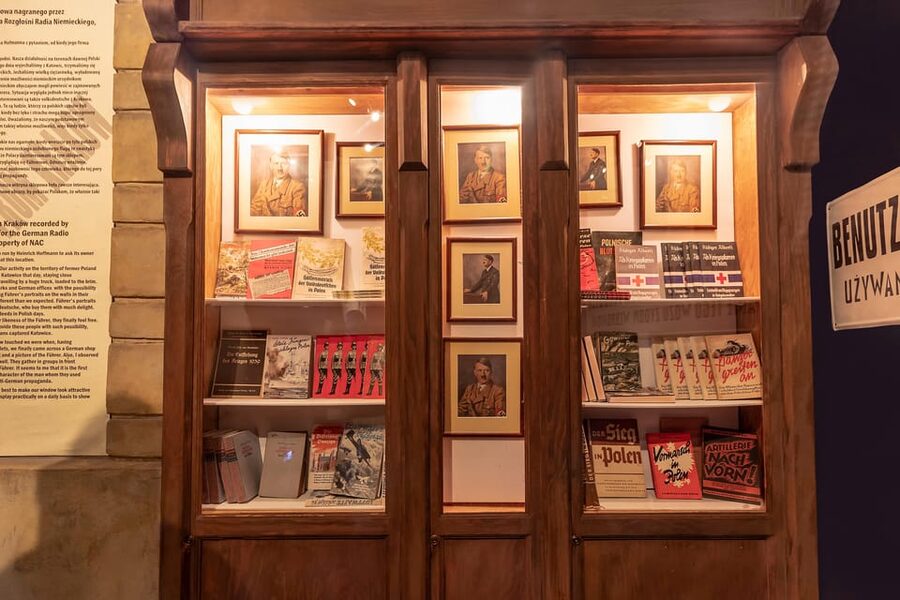
- Strong use of preserved objects: Documents, photographs, newspapers, and household items make the period feel personal.
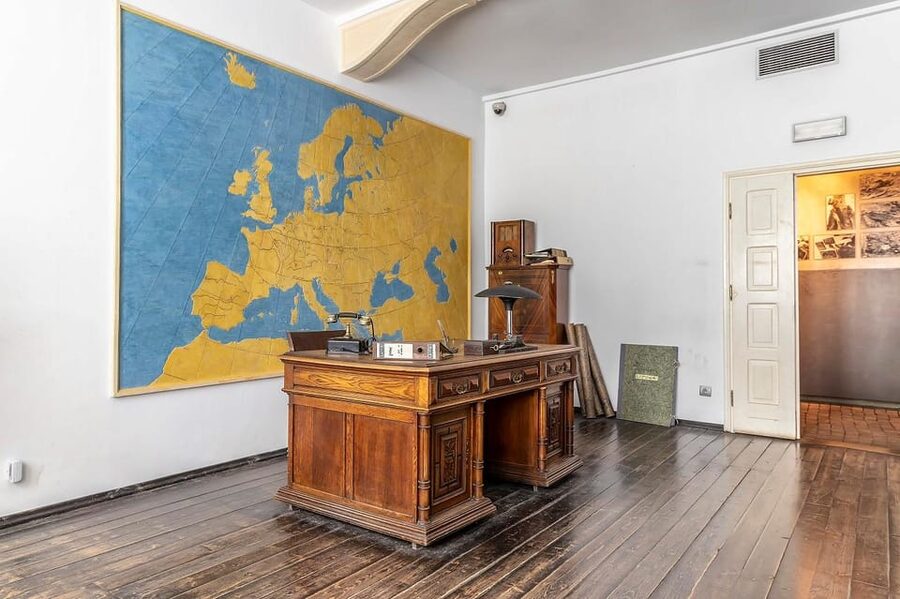
- Schindler’s actual office: The preserved room includes an artwork made from thousands of pots.
- 90 minutes with a group: Useful for orientation, but too brief for a slow look at every display.
- Five guide languages: Tours are offered in English, French, German, Italian, and Spanish.
Why Schindler’s Factory is more than a movie stop
Many people arrive because of the 1993 film about Oskar Schindler. That connection matters, but it can also set the wrong expectation. This is not a small museum focused from start to finish on one factory owner. It is a museum about Krakow under German occupation, with Schindler’s actions forming one part of a larger and painful story.
I think that wider focus makes the visit more useful. You learn about the city, its institutions, its streets, and its residents, not only about the man who saved more than a thousand Krakow Jews. The museum presents the war through both collective events and individual lives.
That approach also keeps the exhibition from becoming a simple heroic tale. Schindler’s rescue work is remembered, but the museum gives equal weight to displacement, fear, forced labor, persecution, and the destruction of ordinary life. If you want the full background behind the film, this guided visit gives you more context than a quick look at the factory building alone.
More Schindlers Factory Tours in Krakow:
- Krakow: Oskar Schindler’s Factory Entry Ticket & Guided Tour
★ 4.2 · 3,793 reviews - Krakow: Schindler’s Factory Tour with Entrance Ticket
★ 4.5 · 3,182 reviews - Krakow: Schindler’s Factory Skip-the-Line Ticket
★ 4.4 · 3,105 reviews
Entering the former enamel factory
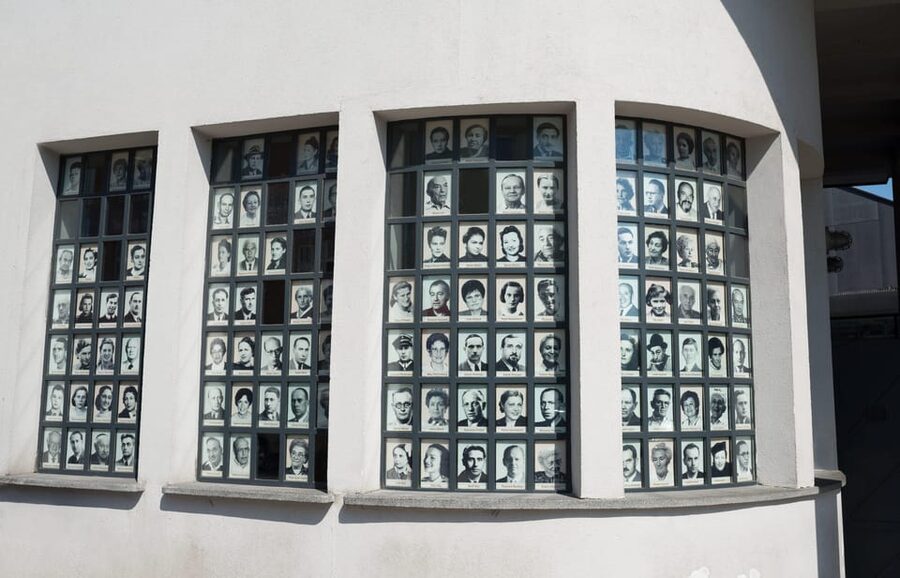
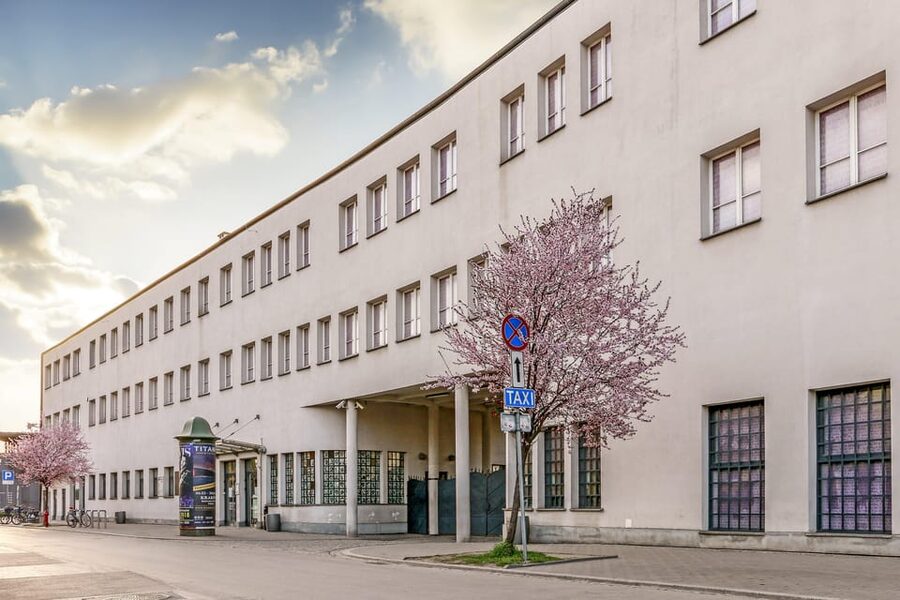
The museum occupies the former administrative building of Oskar Schindler’s Enamel Factory. You meet your guide in front of the entrance, looking for the person holding an excursions.city sign. The entrance arrangement is straightforward, but do not wander off to search for the guide inside the building.
Your admission ticket is included, and the tour is designed to skip the ticket line. That matters at a popular museum where independent visitors can spend valuable time dealing with entry arrangements. The exact tour time should still be checked when you book, since museum scheduling can affect the start time.
The building itself gives the visit some weight before the exhibition begins. You are not entering a detached history display in a modern gallery. You are entering a place connected to the wartime factory and to the city story being told.
A guided walk through wartime Krakow
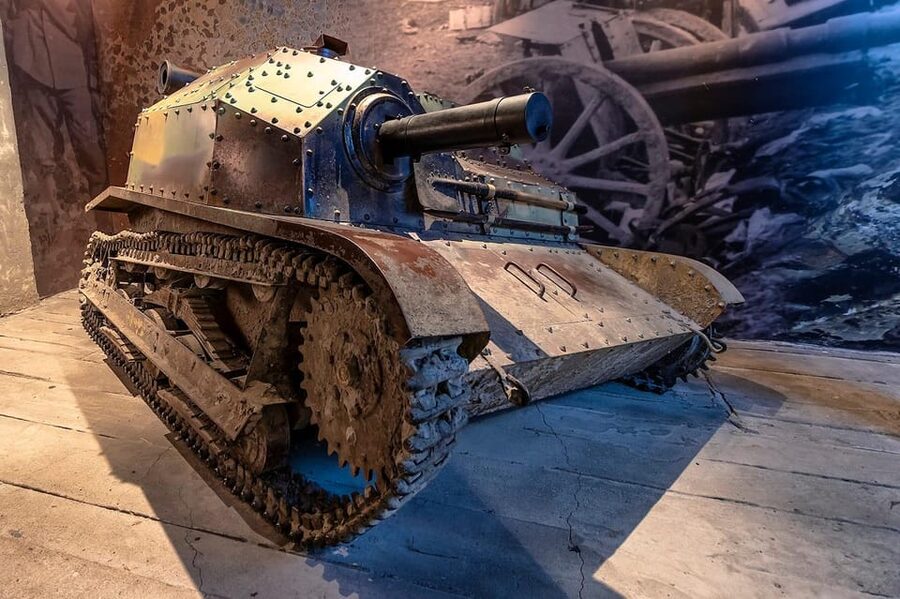
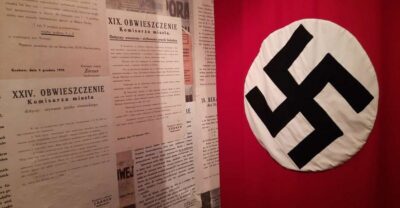
The guide leads you through an exhibition that recreates the atmosphere of occupied Krakow with objects and multimedia displays. The route is not just a line of glass cases. It is arranged as a series of settings that help you picture how people worked, traveled, dressed, communicated, and tried to survive.
You may pass through displays connected with a photographer and a tailor, along with an authentic photo studio setting. These details matter because war is often taught through dates and military movements. Here, the focus turns to people and the routines that continued, changed, or disappeared under occupation.
The use of common objects is one of the museum’s strongest choices. A newspaper, official document, personal paper, or household item can say a great deal without looking dramatic. Your guide helps explain why these small things matter, which is especially useful if you have limited time to read the labels.
The tram ride and the view of occupied Krakow
One memorable section places you inside a tram. Through its windows, a film shows scenes of city life. You are not actually riding through Krakow, of course, but the setup gives the exhibition a sense of movement and helps connect separate parts of the city’s story.
I like this kind of display because it changes your pace. After looking at documents and objects, you get a visual sense of streets and public life. It also suggests how much of wartime experience happened in familiar places: on the way to work, along a street, or during a routine journey.
The film element may not suit visitors who prefer a traditional museum with quiet cases and long written explanations. For most people, though, it makes the city story easier to follow. The guide’s live commentary is particularly helpful here, since you can focus on the images instead of trying to read every panel while the group continues moving.
A few more Krakow trips to weigh up
- Auschwitz-Birkenau Museum and Memorial Guided Tour from Krakow
★ 4.5 · 1,510 reviews - Krakow: Rynek Underground Museum Guided Tour
★ 4.6 · 1,122 reviews - Krakow Schindler’s Factory Museum Guided Tour in English
★ 4.5 · 650 reviews - Krakow: Auschwitz Birkenau Museum Guided Tour with Pickup
★ 3.6 · 544 reviews
Inside the ghetto section
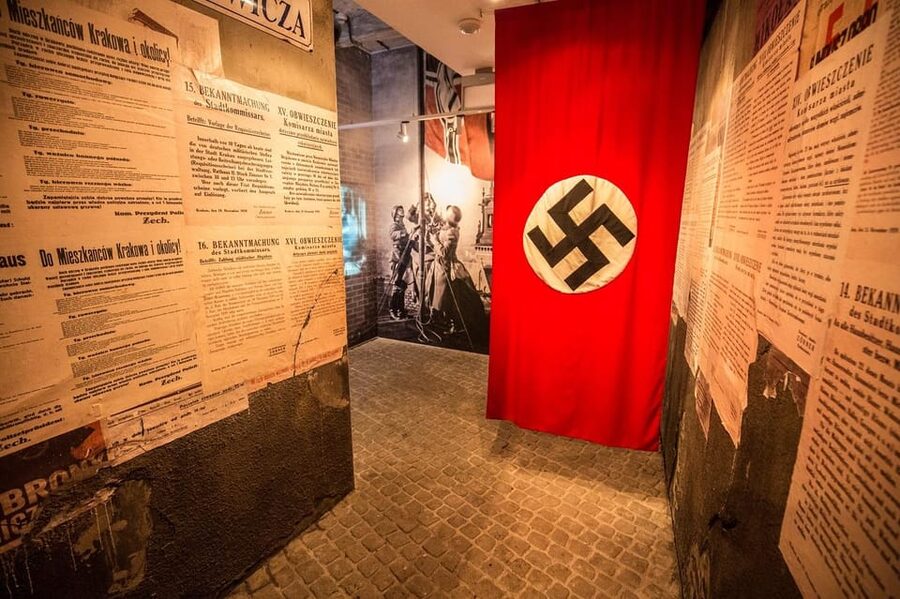
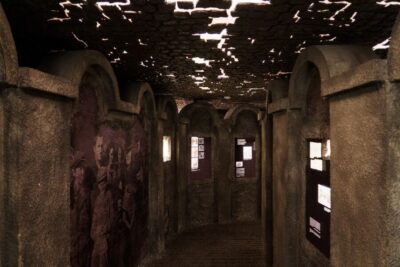
The route then takes you into a tight labyrinth representing the Jewish ghetto. A Jewish apartment is included within this section. The narrow design changes the mood of the visit and helps you understand the physical pressure of confinement.
This part is not simply a map or a list of dates. The apartment setting brings the story back to families and private spaces. You might find yourself thinking less about large numbers and more about what it meant to live with restrictions, uncertainty, and the loss of normal privacy.
The subject is difficult, and the museum does not treat it as entertainment. The recreated environment is there to show the cramped and controlled conditions of the ghetto. Your guide can provide the historical thread that connects the setting to the wider story of Krakow’s Jewish population.
Because the route is compact and shared with a group, you may not have much time to stop in each area. If a particular document or object catches your attention, make a mental note of it, but do not expect to study every item in detail during the guided visit.
The move to Płaszów camp
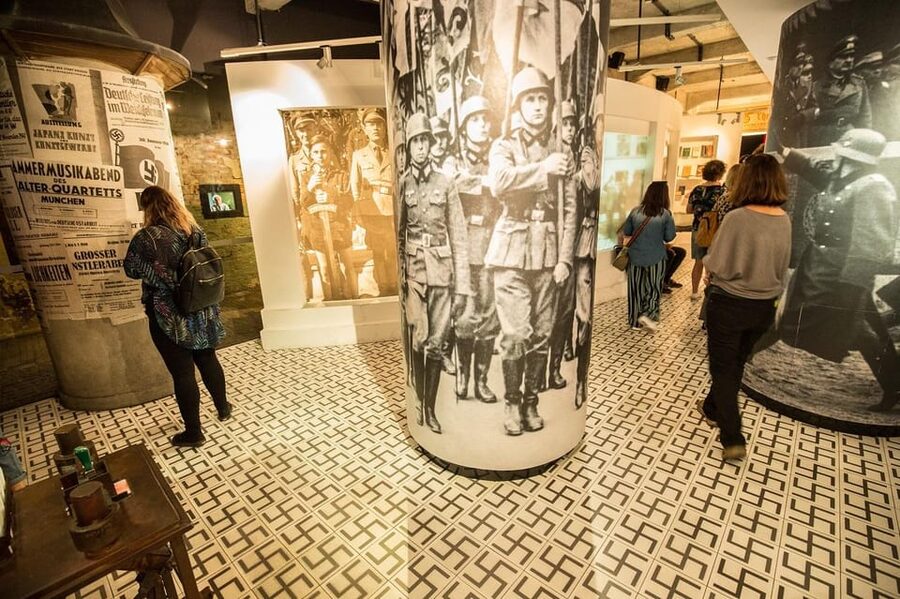
From the ghetto section, the exhibition leads you toward Płaszów camp and the fate of the people who lived through the earlier stages of persecution. The route is structured to show progression, rather than presenting isolated rooms with no connection.
That order is important. You see how occupation altered city life, how Jewish residents were forced into the ghetto, and how the story then moved toward imprisonment and camp life. The museum uses its spaces and objects to make those changes easier to grasp.
This is also where the visit becomes heaviest. You should allow yourself time afterward rather than planning a rushed activity immediately next door. The 90-minute tour is physically manageable, but the subject matter requires attention.
A guide adds real value in this section. The city’s wartime history from 1939 to 1945 is too broad to absorb from a quick walk through rooms. Live explanation helps you understand the links between places, people, and events that the displays alone may not make clear.
Oskar Schindler’s preserved office
Schindler’s office is the most direct connection to the man whose name brings many people here. The room has been preserved in the factory’s administrative building, giving you a tangible link to the factory’s wartime role.
The exhibition also includes a symbolic ark made from thousands of pots. The pots recall the enamel goods produced by Schindler’s workers and represent the people who survived because of his actions. It is a striking piece, and the guide’s explanation helps you understand why the object belongs in this room.
Still, keep your expectations in check. If you want a room-by-room biography of Schindler, this museum will feel broader than that. His heroic deed is present, but it is set within the difficult history of the city and the factory.
That balance is one of the visit’s strengths. You can recognize the importance of Schindler without reducing Krakow’s wartime experience to one person’s story. The museum asks you to look at the people he helped, the city around them, and the system that placed them in danger.
Why the live guide is worth the extra cost
At $50 per person, this is not the cheapest museum visit in Krakow. The value depends on how you use the 90 minutes. You are paying for the museum ticket, a reserved group experience, and live interpretation in one of five languages.
I would consider the price reasonable if you want a clear route and historical explanation without having to prepare extensively on your own. The museum contains a great deal, and a guide can point out the displays that best explain the city’s wartime experience.
The main tradeoff is pace. A group tour must keep moving, and one guide cannot tailor the route to every person’s interests. A museum visitor who likes to read each document slowly may feel hurried. One German-speaking participant found the overall content very good but felt the group moved too quickly for the full museum. That is a fair criticism.
You should see the guided tour as an introduction with strong context, not as a complete reading visit. If you have extra time and museum rules allow it, you may want to return to the displays independently. The tour helps you understand what you are seeing, while a later visit would let you examine the details at your own speed.
What makes the guides useful
The strongest part of the experience is the guide’s role in connecting the rooms. One English-speaking guide received special praise for explaining Krakow from 1939 to 1945 and for adding information that would be easy to miss alone. Another visit was described as especially good because the guide focused on the real story of the Polish city and its people rather than giving a constant speech about Schindler.
That distinction is worth noting. The quality of this visit rests on historical balance, not dramatic storytelling. You want someone who can explain the exhibition without turning a complicated period into a simple legend.
Guide names are not provided in the booking information, so you cannot select a particular person. Tours are offered in English, French, German, Italian, and Spanish. If language makes a major difference to your understanding, check the available departure before paying.
Group size, pace, and accessibility
This is a group tour. The group format keeps the cost and timing more predictable, but it also explains the fixed pace. You may need to stay close to the guide and move on before you have finished every display.
The 90-minute duration suits a packed Krakow schedule. It is long enough to follow the exhibition’s main story without using half a day, yet short enough to fit around other sightseeing. I would not schedule it as a casual ten-minute stop, though. The subject deserves focus, and the route covers several stages of the war.
The experience is wheelchair accessible. That makes it suitable for visitors who need step-free access, although the information provided does not describe the exact layout of every room or the size of the group. If you have specific mobility needs, confirm the arrangements before booking.
The meeting point is in front of the museum entrance. Look for the person with the excursions.city sign. From January 1, 2026, museum tickets require the full names of all participants, and each person must bring a passport or ID. Without those documents, entry may be refused.
Who should book this museum tour?
I would choose this tour if you are visiting Krakow for the first time and want the museum’s main story explained clearly. It also suits anyone who has seen the film and wants to understand the real Krakow setting behind it.
History-minded visitors will appreciate the documents, photographs, and everyday objects. Families with older children may find the tram, apartment, and recreated settings easier to follow than a museum made entirely of written panels, though the wartime subject is serious.
You may prefer an independent visit if you read slowly, want to photograph and study every display, or dislike moving with a group. At $50, the guided option makes the most sense when interpretation and time-saving matter more to you than complete freedom inside the exhibition.
Free cancellation up to 24 hours before the tour and reserve-now, pay-later booking make the plans easier to adjust. Those policies do not change the tour’s central tradeoff: you gain structure and explanation, but you give up some time for independent browsing.
Should you book the 90-minute visit?
Book it if you want a focused introduction to Krakow during World War II, especially if you value a guide who can explain the connections between the city, the ghetto, Płaszów, and Schindler’s factory. The preserved office and the pot-filled ark add a meaningful connection to the film and to the people Schindler saved.
Skip it if your main goal is a slow, exhaustive museum visit. You will not have time to absorb every document in 90 minutes. For most visitors, though, the guided route is a practical way to make sense of a powerful and demanding museum, and the strong guide commentary gives the $50 price a solid reason.
FAQ
Where does the tour meet?
The meeting point is in front of the entrance to Oskar Schindler’s Enamel Factory. Look for the person holding an excursions.city sign.
How long does the tour last?
The tour lasts 90 minutes. Starting times vary, so check availability when booking.
Is admission to the museum included?
Yes. The museum entrance ticket and professional guide are included.
Is this a private tour?
No. This is a group tour.
Which languages are available?
The live guide may conduct the tour in English, French, German, Italian, or Spanish.
Is the tour wheelchair accessible?
Yes, the activity is listed as wheelchair accessible.
Can I cancel for a full refund?
Yes. You can cancel up to 24 hours in advance for a full refund.
Can I reserve now and pay later?
Yes. The reserve-now, pay-later option lets you book without paying at the time of reservation.
What identification is needed from January 1, 2026?
You must provide the full names of all participants when booking and bring a passport or ID for entry. Without these documents, admission may be denied.
Just added around Krakow
- Tour to Wadowice: Hometown of Pope Saint John Paul II★ 4.6 · 12 reviews
- The Jewish Quarter – Walking Tour★ 5.0 · 4 reviews
- From Kraków; to Białka Thermal Baths private tour★ 5.0 · 5 reviews
- St. Mary’s Basilica and more – a short walk with a guide★ 4.7 · 56 reviews
- Krakow: Auschwitz-Birkenau and Wieliczka Salt Mine Day Trip★ 4.7 · 84 reviews
- Krakow: Skip-the-Line Wawel Castle & Old Town Guided Tour★ 4.9 · 23 reviews
- Krakow: Schindler’s Factory Guided Tour★ 4.2 · 12 reviews
- Shooting Range Experience!★ 4.8 · 66 reviews
Schindlers Factory Tours, compared.
Oskar Schindler’s Factory Entry Ticket & Guided Tour
Read our review →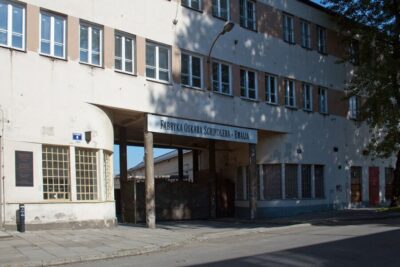
Schindler’s Factory Tour with Entrance Ticket
Read our review →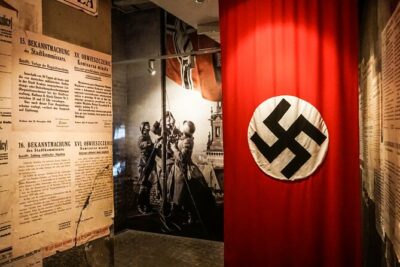
Schindler’s Factory in Krakow: Guided Tour & Skip the Line Ticket
Read our review →
Schindler’s Factory Ticket with Guided Tour Option
Read our review →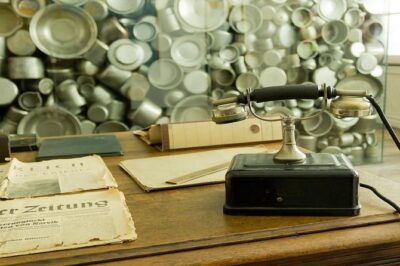
Krakow Schindler’s Factory Guided Tour with Admission Ticket
Read our review →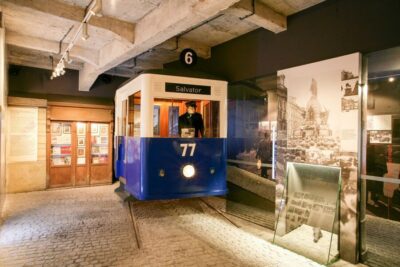
Schindler’s Factory Guided Tour with Entry Ticket
Read our review →Browse the lists this tour appears in