
Reviewed · SCHINDLERS FACTORY TOURS
Schindler’s Factory Museum in Krakow – Guided Tour
Oskar Schindler’s former factory tells a much bigger story than the one shown in the film. Inside, you follow Krakow from the German invasion in 1939 through persecution, deportation, and the destruction of much of the city’s Jewish community. I like the city-wide focus and the way the exhibition shows how ordinary Jewish and non-Jewish residents lived through the war.
I also like having a licensed guide to explain the displays and keep the visit moving. The main drawback is pace: 90 minutes can feel short if you want to read every panel, and a large group may leave you standing farther from the guide. A ticket problem has also affected at least one booking, so check your entry details carefully.
Key points to know before you book
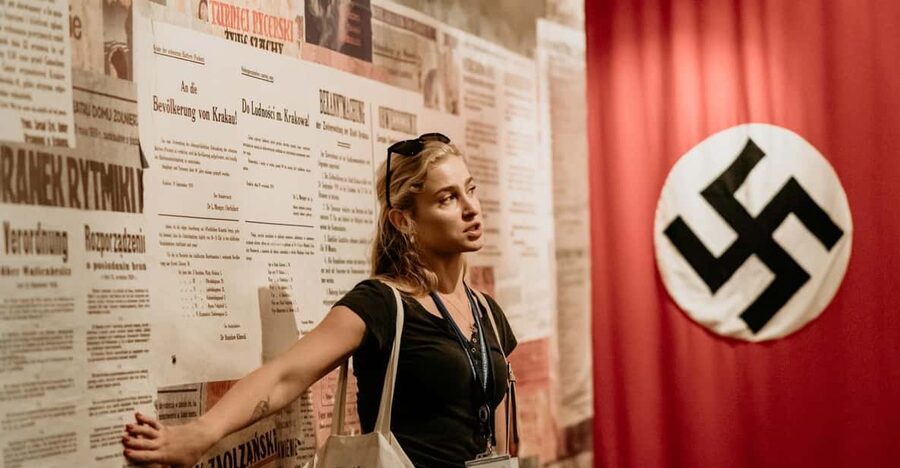
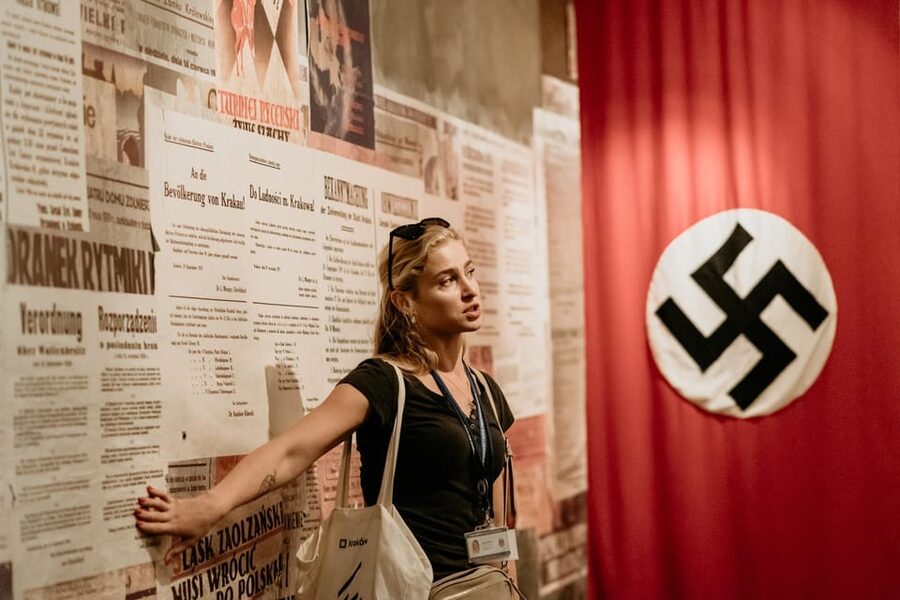
- The factory tells Krakow’s wartime story: Schindler’s personal story is part of a wider account of Nazi occupation, forced labor, deportation, and daily life.
- The guided visit lasts 90 minutes: You get a focused introduction rather than unlimited time to study every exhibit.
- Skip-the-line admission is included: Meet outside the museum entrance with the person holding an excursions.city sign.
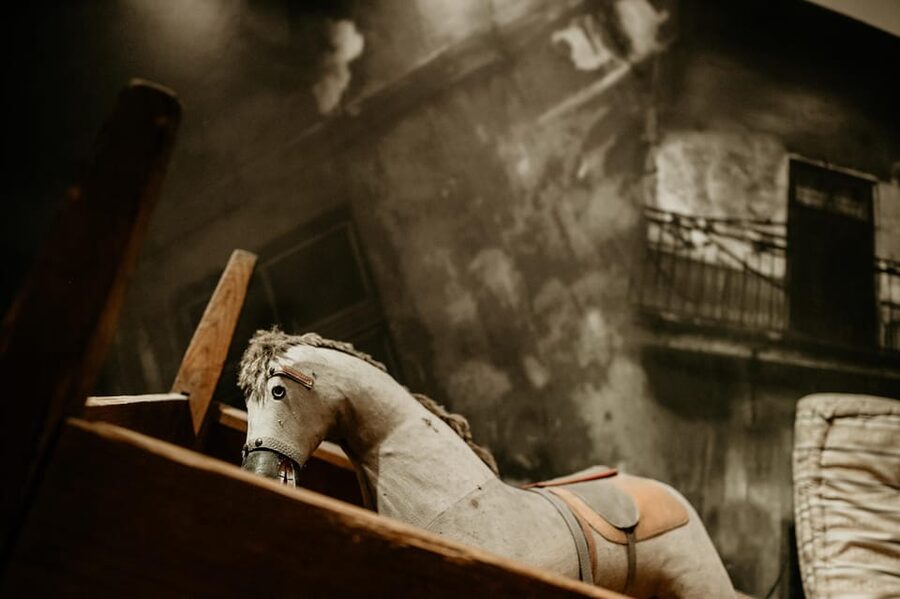
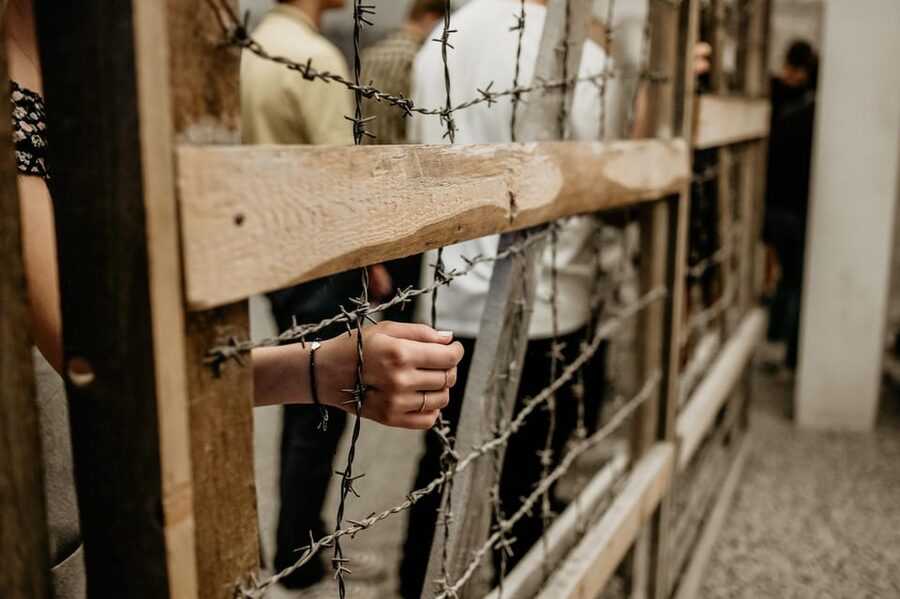
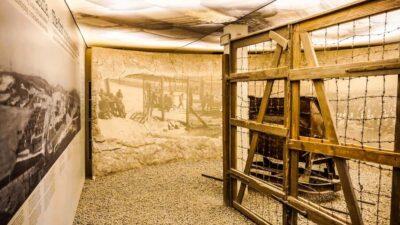
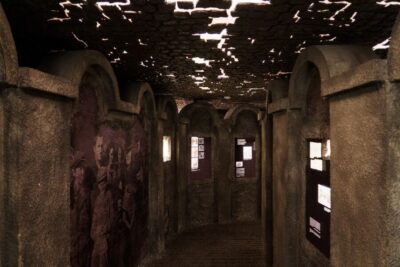
- The atmosphere is deliberately unsettling: Narrow, dim rooms and staged settings show the fear and pressure of occupation.
- The guide can speak five languages: Tours are offered in English, French, German, Spanish, and Italian.
- Bring identification for 2026 bookings: Personalized museum tickets require the full names of all participants and a passport or ID at entry.
Arriving at Schindler’s former enamel factory
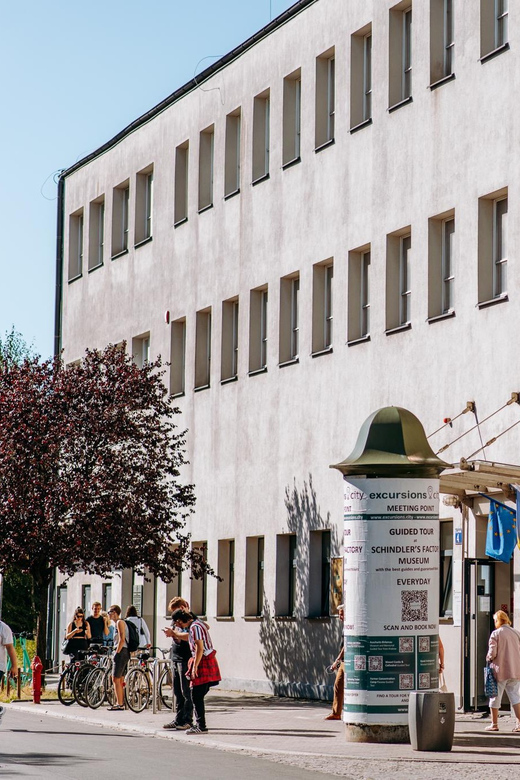
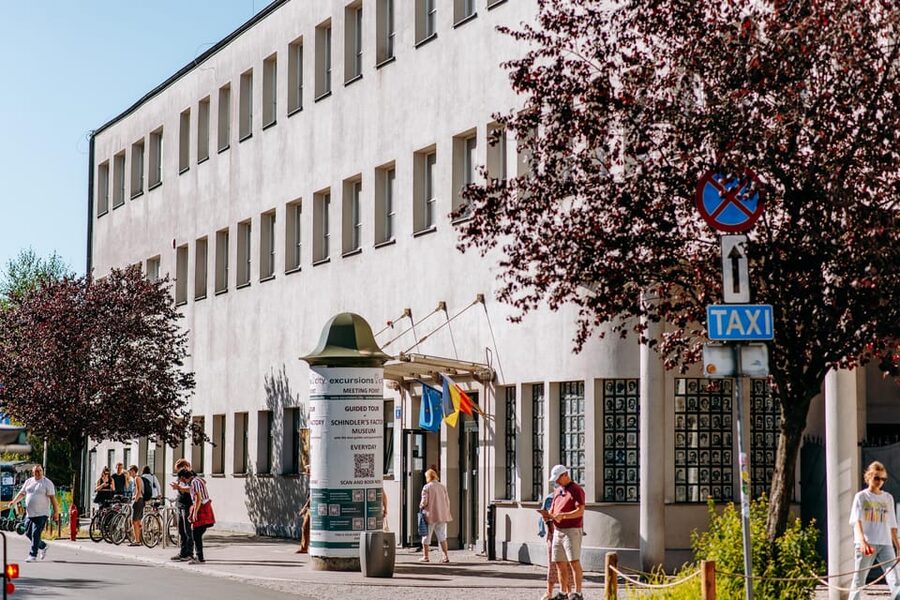
Your meeting point is directly in front of Oskar Schindler’s Enamel Factory. Look for the person holding an excursions.city sign, rather than wandering around the building trying to find a tour desk.
That simple meeting arrangement matters. This is one of Krakow’s most popular museums, and the entrance area can feel busy when several groups arrive. Get there with enough time to identify your guide and confirm that your booking has been registered.
The experience is operated by Hello Cracow and runs as a group tour. That keeps the cost lower than a private visit, but it also means you follow the guide’s rhythm. Group size can affect the quality of the visit. One particularly positive assessment praised a guide who spoke excellent English and kept the group together, while another found the group a little too large for easy listening.
For groups of 15 or more, headsets are provided. That is useful in narrow rooms, where people gather around an exhibit and the guide’s voice can otherwise disappear. It does not solve every crowd issue, though. If you want to read every label or pause at each photograph, you will need to return to parts of the exhibition after the guided portion, if time and museum rules allow.
More Schindlers Factory Tours in Krakow:
- Krakow: Oskar Schindler’s Factory Entry Ticket & Guided Tour
★ 4.2 · 3,793 reviews - Krakow: Schindler’s Factory Tour with Entrance Ticket
★ 4.5 · 3,182 reviews - Krakow: Schindler’s Factory Skip-the-Line Ticket
★ 4.4 · 3,105 reviews
The exhibition begins with Krakow under occupation
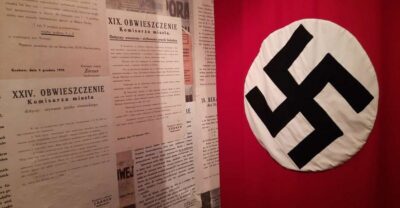
The central exhibition is titled Krakow under Nazi Occupation 1939 to 1945. Its purpose is not simply to explain Oskar Schindler’s life. Instead, it shows how the German occupation altered the city, its institutions, its streets, and the choices available to its people.
That broader approach is the museum’s greatest strength. Schindler’s name draws many people here, but the exhibition does not treat him as the only important figure. You learn about Jewish and non-Jewish residents, the pressure placed on families, and the machinery of persecution that reached across Krakow.
The guide helps connect individual objects to the larger story. You may see authentic artifacts, period photographs, and reconstructed rooms or streetscapes. The displays are designed to give you more than dates and names. They show how political orders became daily rules, and how those rules shaped work, housing, movement, and personal safety.
I find this especially useful if you know Schindler mainly through the movie. The film provides a dramatic account of one man and the people he tried to save. The museum places that story beside the much larger tragedy affecting Krakow’s Jewish population. That context makes Schindler’s actions easier to understand without turning the museum into a simple hero story.
Narrow rooms and dim light create a hard atmosphere
This is not a bright, spacious museum with room to wander at your own speed. Several areas are narrow and dimly lit, and the design is intentional. The setting conveys the uncertainty and fear of life under Nazi rule.
The effect can be powerful, but it also affects comfort and concentration. You may find yourself standing close to other members of the group, waiting for the guide to finish explaining a display. If you have limited mobility, the tour is listed as wheelchair accessible, but the compact layout may still make movement feel less relaxed than in a large open gallery.
The atmosphere works best when the guide gives the displays enough context. A photograph or reconstruction can be moving, but a clear explanation of who is shown, what happened, and why it mattered gives the material lasting meaning. The strongest part of this tour is the combination of setting and narration.
You should also prepare for a serious visit. This is a museum about occupation, persecution, deportation, and the destruction of a community. It is not a light sightseeing stop to squeeze between lunch and shopping. The 90-minute format gives you a clear route, but the subject matter deserves your full attention.
Schindler’s factory and the workers he protected
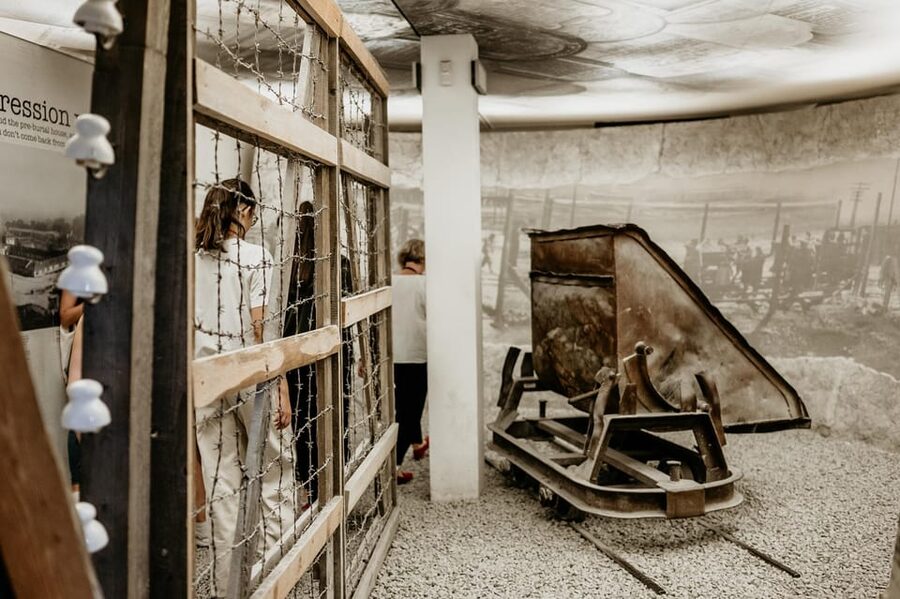
Within the wider exhibition, the story returns to Oskar Schindler and his enamel factory. You learn how the factory became a place of work and refuge for more than a thousand Jewish workers.
That number matters because it shows the scale of the protection associated with Schindler. It also needs to be understood against the surrounding story. The people who worked there were living through a system of persecution, deportations, and mass violence. The factory was not an isolated safe world. Its importance came from the protection it offered within that dangerous setting.
A guide can help you see the difference between Schindler’s personal story and the museum’s larger purpose. The factory is the physical setting, but the exhibition also asks you to think about the workers, their families, and the many people who had no comparable place of safety.
This section will likely be the main reason you choose the museum, especially if you have seen Schindler’s List. You should still come expecting more than film memorabilia or a biography. The exhibition uses Schindler as an entry point into wartime Krakow, then keeps widening the view.
A few more Krakow trips to weigh up
- Auschwitz-Birkenau Museum and Memorial Guided Tour from Krakow
★ 4.5 · 1,510 reviews - Krakow: Rynek Underground Museum Guided Tour
★ 4.6 · 1,122 reviews - Krakow Schindler’s Factory Museum Guided Tour in English
★ 4.5 · 650 reviews - Krakow: Auschwitz Birkenau Museum Guided Tour with Pickup
★ 3.6 · 544 reviews
What the 90-minute guided route gives you
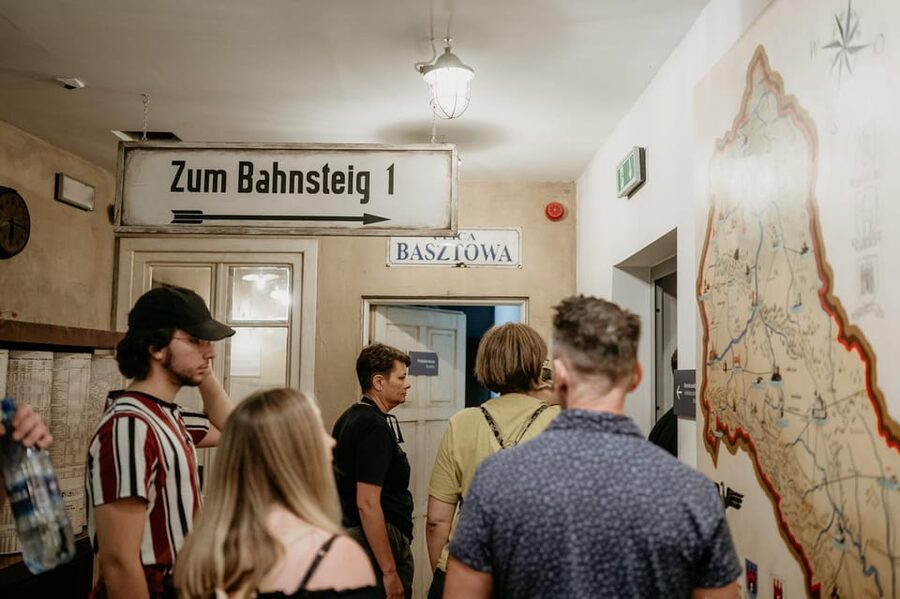
Ninety minutes is enough for a strong first visit, but it is not enough to absorb every object and panel. The guide sets the route and selects the main points, allowing you to understand the exhibition without getting lost in its many details.
That structure is valuable if you have limited time in Krakow. You receive the basic chronology, the major human stories, and an explanation of how the city changed between 1939 and 1945. You also avoid spending your first 20 minutes figuring out how the museum is organized.
The tradeoff is speed. One assessment specifically wished the guide had moved more slowly, leaving more time to read the displays. I would treat that as a real consideration rather than a minor complaint. If you read every panel carefully, you may feel rushed.
The best plan is to listen closely during the guided tour and note which rooms or objects you want to study later. The tour gives you a framework. Your own reading gives you detail. If you want both, allow extra time around the 90-minute booking, though the supplied information does not guarantee how long you may remain inside afterward.
The guide makes the difference
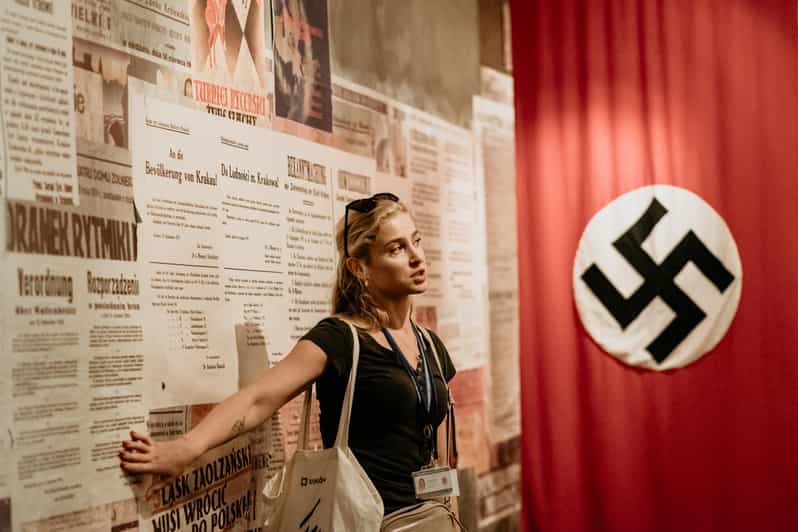
The tour is offered in English, French, German, Spanish, and Italian. That makes it useful for many international visitors, and the Italian-language experience received especially warm praise for clear, fluent delivery and a well-prepared presentation.
Specific guide names are not provided, so you cannot select a particular person when booking. What you can choose is the language that suits you best. A guide who explains the exhibition in your strongest language will make a major difference, especially when the displays cover political changes, personal choices, and painful events in quick succession.
The guide’s role is more than pointing out famous objects. A good explanation links the factory to the city, the city to the occupation, and the occupation to the people who lived through it. The best feedback points to guides who are prepared, attentive, clear in English or Italian, and good at keeping the group together.
Still, this is not a private conversation. You may have limited chances to ask long questions while the group moves from room to room. If discussion matters more to you than a set route, a private format would offer more flexibility, but this particular activity is a group tour.
Is the $50 price good value?
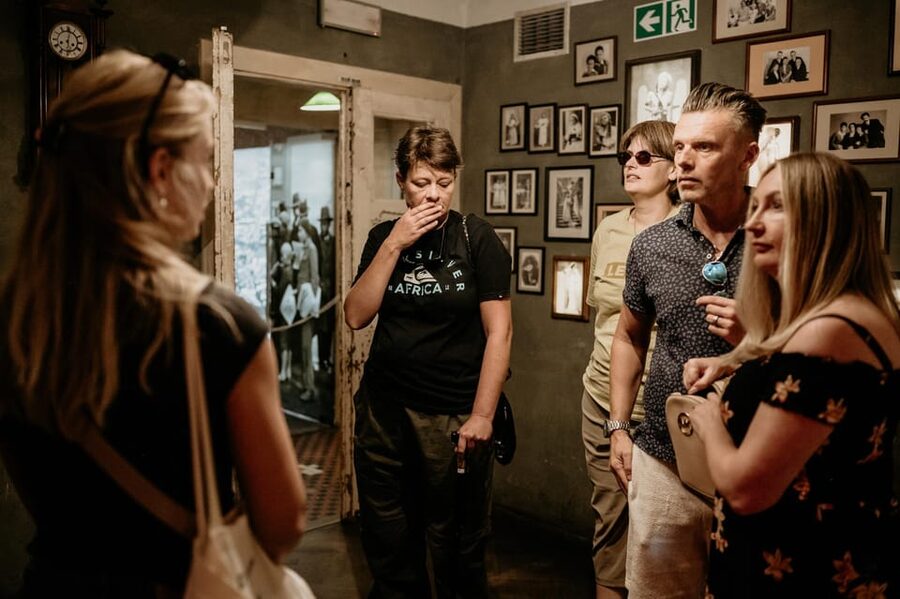
At $50 per person, this is not the cheapest way to enter a Krakow museum. The value depends on what you want from the visit.
You are paying for a licensed guide, a 90-minute guided route, skip-the-line admission, and headsets for groups of 15 or more. For a first visit, that can be worthwhile. The museum has a serious subject, a dense exhibition, and an emotional presentation. A guide helps you place the pieces in order and prevents the experience from becoming a string of disconnected photographs and objects.
The price looks less attractive if you mainly want to walk through at your own speed. You may prefer a basic museum ticket if you want to stop at every panel, take your time with photographs, or return to a section several times.
There is also an important ticket caution. One January 2026 booking resulted in the customer paying for another museum ticket on arrival, reportedly at a lower in-person price. The tour information says skip-the-line admission is included, so this is not something you should treat as normal. Confirm what your voucher covers before you go, and bring the booking details with you.
From January 1, 2026, museum times are approximate and may change because of the museum’s scheduling. You can choose a preferred time, but the exact start time is not guaranteed. The museum also requires the full names of all participants and a passport or ID for entry. Without those details, admission may be refused.
Who will get the most from this visit?
I would choose this tour if you want a clear introduction to wartime Krakow and prefer having the story explained as you move through the galleries. It suits first-time visitors, people interested in the Holocaust and World War II, and anyone who knows the Schindler film but wants a wider account of the city.
It is also a good match for visitors with a tight schedule. The guide gives you a structured 90-minute route, and skip-the-line admission can save time at a popular museum.
You may want another option if you dislike group tours, need long pauses to read, or prefer bright, open museum spaces. The displays are emotionally heavy, the rooms can be tight, and the pace may not suit careful readers.
Families should consider the subject and the age of the children before booking. The provided information does not give a recommended age, but the exhibition deals directly with persecution, deportation, and wartime suffering. I would explain the topic in advance rather than treating this as a casual family attraction.
Practical advice for a smoother visit
Choose your language carefully at booking. The tour is available in English, French, German, Spanish, and Italian, and the quality of the explanation matters more here than it would at a simple landmark.
Arrive at the museum entrance and look for the excursions.city sign. Keep your passport or ID handy, especially for visits from 2026 onward. Make sure every participant’s full name matches the booking information.
If you want to read everything, plan for the possibility that the guide will move faster than you prefer. Focus on the spoken explanation first. You can then use any available time to revisit the exhibits that mattered most to you.
The museum is listed as wheelchair accessible. Even so, the narrow and dim exhibition design may make the visit tiring or less comfortable for some people. If that is a concern, contact the provider before booking to confirm the current arrangements for your group.
Free cancellation is available up to 24 hours before the tour, and you can reserve now and pay later. Those terms are useful when your Krakow schedule is still changing, especially since the exact museum time may be adjusted.
Should you book Schindler’s Factory with a guide?
Book it if you want the factory to serve as a doorway into the full story of wartime Krakow, not just Oskar Schindler’s biography. The guide, skip-the-line entry, and clear 90-minute route make the $50 price reasonable for a first visit, especially when your time is limited.
Skip it, or choose a basic entry instead, if you read slowly and want complete control over your pace. Also take the ticket instructions seriously. Confirm the admission arrangement, provide full names, and bring ID so a moving museum visit does not begin with an avoidable problem.
FAQ
How long does the Schindler’s Factory guided tour last?
The guided tour lasts 90 minutes.
What does the tour include?
It includes a licensed expert guide, skip-the-line admission to Schindler’s Factory, and a 90-minute guided visit. Headsets are included for groups of 15 or more.
What exhibition will I see?
You will visit Krakow under Nazi Occupation 1939 to 1945, which covers the wartime transformation of Krakow and the experiences of Jewish and non-Jewish residents.
Is the tour offered in English?
Yes. Tour languages include English, French, German, Spanish, and Italian.
Where is the meeting point?
Meet in front of the entrance to Oskar Schindler’s Enamel Factory. Look for the person holding an excursions.city sign.
Is this a private tour?
No. This is a group tour.
Do I need identification to enter?
For bookings from January 1, 2026, you must provide the full names of all participants and bring a passport or ID. Without those documents, entry may be denied.
Just added around Krakow
- Tour to Wadowice: Hometown of Pope Saint John Paul II★ 4.6 · 12 reviews
- The Jewish Quarter – Walking Tour★ 5.0 · 4 reviews
- From Kraków; to Białka Thermal Baths private tour★ 5.0 · 5 reviews
- St. Mary’s Basilica and more – a short walk with a guide★ 4.7 · 56 reviews
- Krakow: Auschwitz-Birkenau and Wieliczka Salt Mine Day Trip★ 4.7 · 84 reviews
- Krakow: Skip-the-Line Wawel Castle & Old Town Guided Tour★ 4.9 · 23 reviews
- Krakow: Schindler’s Factory Guided Tour★ 4.2 · 12 reviews
- Shooting Range Experience!★ 4.8 · 66 reviews
Schindlers Factory Tours, compared.
Oskar Schindler’s Factory Entry Ticket & Guided Tour
Read our review →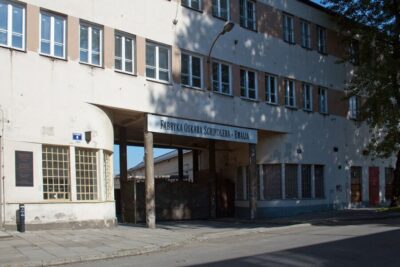
Schindler’s Factory Tour with Entrance Ticket
Read our review →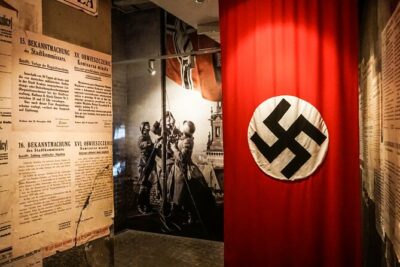
Schindler’s Factory in Krakow: Guided Tour & Skip the Line Ticket
Read our review →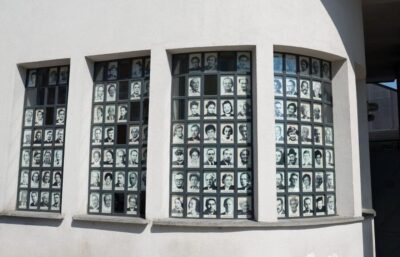
Schindler’s Factory Ticket with Guided Tour Option
Read our review →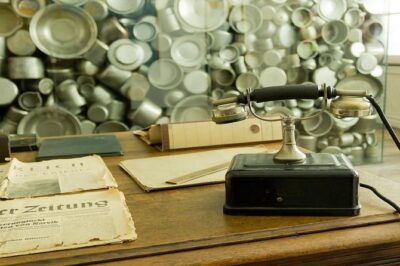
Krakow Schindler’s Factory Guided Tour with Admission Ticket
Read our review →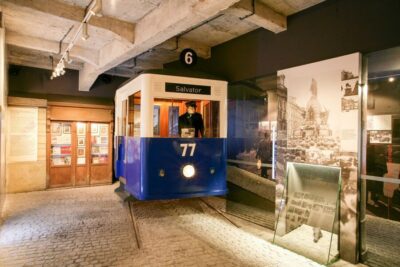
Schindler’s Factory Guided Tour with Entry Ticket
Read our review →Browse the lists this tour appears in