
Reviewed · JEWISH GHETTO TOURS
Warsaw: Ghetto, Jewish Cemetery & POLIN Museum Private Tour
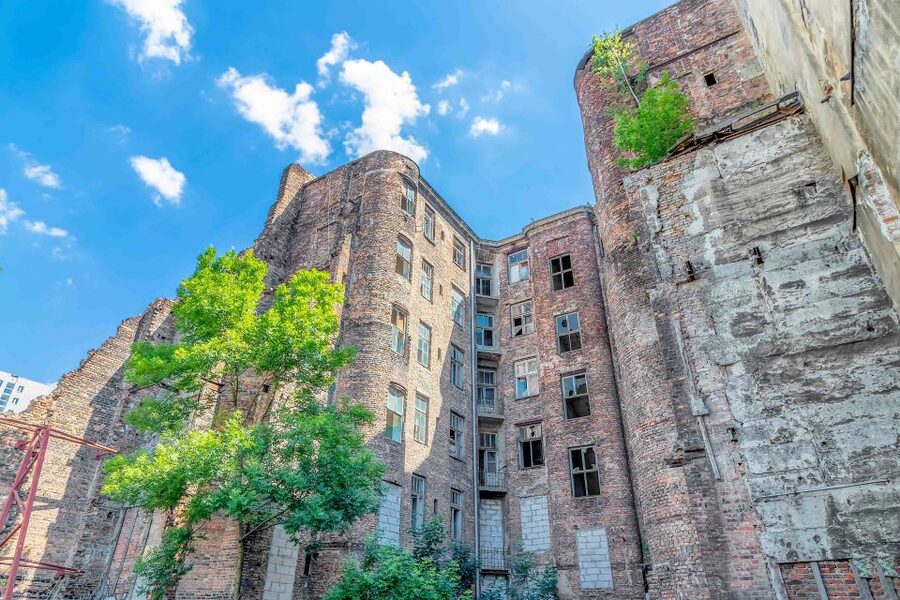
The most striking part of this tour is also the hardest to grasp: very little of the Warsaw Ghetto remains, yet its story is still written into streets, monuments, boundary markers, and empty spaces. A private guide helps you read those traces and connect them to the people who lived, resisted, suffered, and died here.
I like the choice of three formats, especially the 3-hour option with the Jewish Cemetery and the 5-hour version with POLIN Museum. I also like that guides use photographs and street layouts to show buildings that no longer exist. The main consideration is emotional weight: this is a serious history tour, not a light sightseeing walk, and the 2-hour version may feel brief if you want both context and quiet time at the memorials.
Key points to know before booking
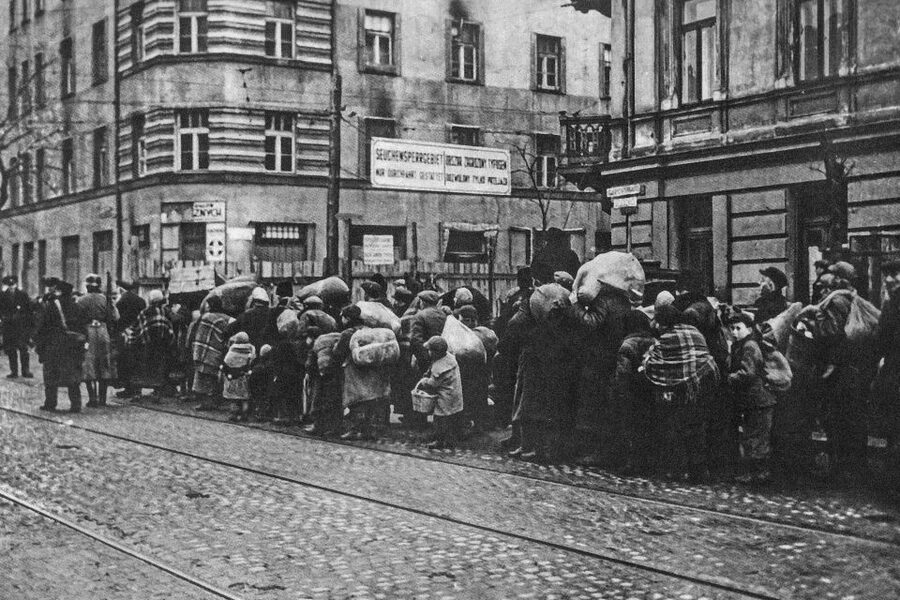
- The 2-hour route follows the former ghetto: See boundary markers, the Ghetto Heroes Monument, Mila 18, and Umschlagplatz.
- The 3-hour option adds the Muranów Jewish Cemetery: Public transport tickets are provided for the trip there.
- The 5-hour choice combines all three sites: You visit the former ghetto, cemetery, and POLIN Museum.
- The guide speaks your selected language: English, Spanish, French, German, Italian, Polish, or Russian are available.
- This is a private tour: Your guide can respond to your questions and adjust explanations to your interests.
- The POLIN ticket skips the ticket-office line only: You still pass through the museum entrance and security checks.
Why the former ghetto is best understood on foot
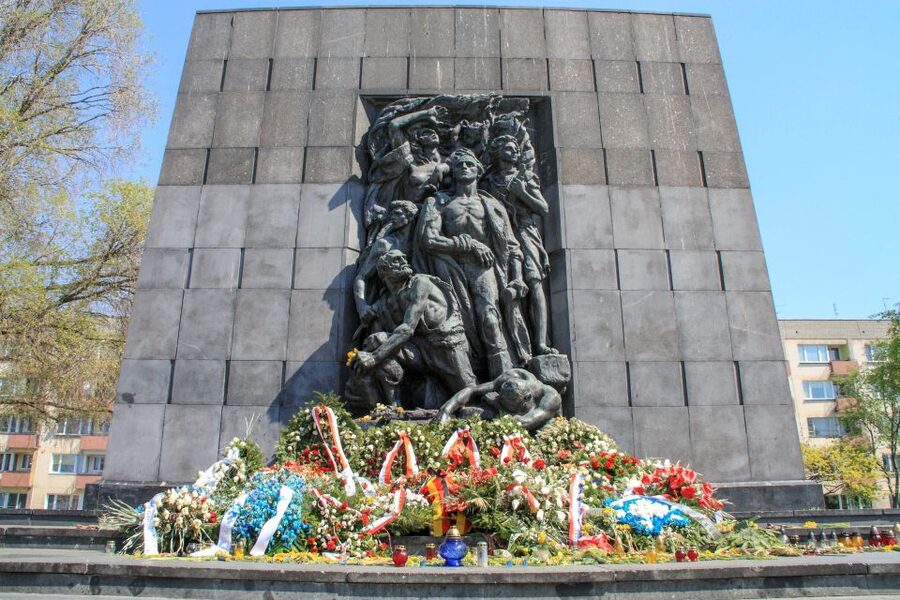
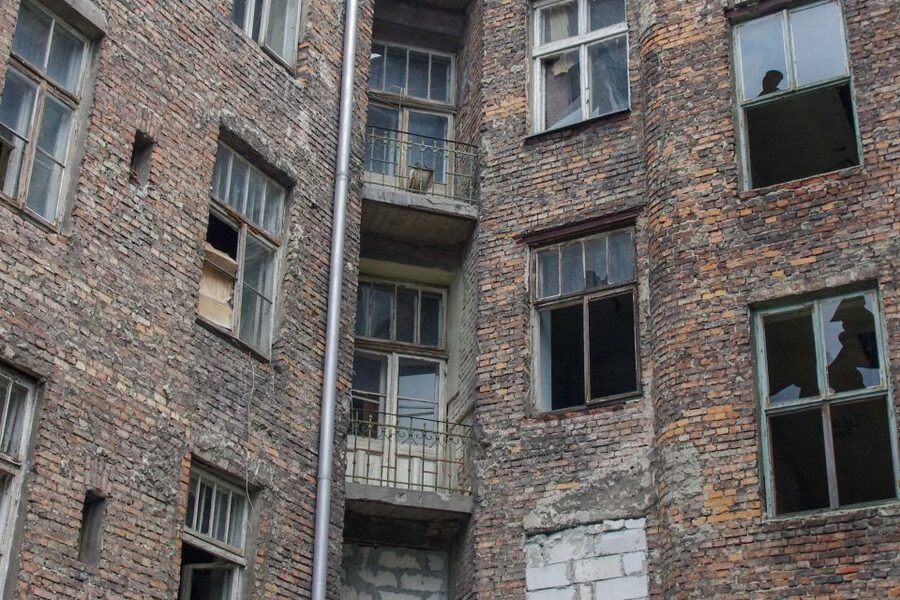
Warsaw’s wartime story can be confusing because the city was badly damaged, rebuilt, and reshaped after the war. The former ghetto is not a preserved historic quarter with long rows of original buildings. Instead, you find small physical clues mixed into a modern city.
That is why a walking tour is useful here. You are not simply looking at monuments one by one. You are learning how the ghetto once fit into the streets around you, where its boundaries ran, and how the German occupation changed daily life for more than 400,000 Jewish people from Warsaw and nearby areas.
Your private guide provides commentary in your chosen language and places the surviving markers in context. At several points, you may see photographs or use the street layout to picture places destroyed during the war. This approach matters because the absence of buildings is part of the story. A bare space can tell you as much as a surviving wall, but only if someone explains what once occupied it.
The meeting point is beside the anchor monument in front of the main entrance to the Field Cathedral of the Polish Army at Długa 13/15. If your hotel is in the Old Town, pickup may be available. The stated pickup area is limited to accommodations within 1.5 kilometers of the meeting point, so give your address when booking rather than assuming hotel pickup is included.
More Jewish Ghetto Tours in Warsaw
- Warsaw: Warsaw Ghetto Private Walking Tour with Hotel Pickup
★ 4.9 · 369 reviews - Tour of the Warsaw Ghetto
★ 5.0 · 119 reviews - Warsaw: 2-Hour Tour of Daily Life in the Ghetto Warsaw
★ 4.9 · 26 reviews
From wartime Warsaw to the ghetto boundary
The tour also refers to the Monument to the Warsaw Uprising, a separate memorial connected with the 1944 uprising by the wider Polish resistance. Your guide then turns attention to the Warsaw Ghetto Uprising, which began in 1943 when Jewish resistance fighters fought the German forces preparing to destroy the ghetto.
That distinction is worth keeping clear. Warsaw had more than one major wartime uprising, and the monuments commemorate different events. A good guide should help you understand how these episodes fit together without treating them as one conflict.
The route points out surviving ghetto boundary markers. These may seem modest, but they are powerful evidence of how a neighborhood was cut off from the rest of Warsaw. The guide explains the conditions inside the ghetto, including hunger, disease, overcrowding, and death, while also bringing attention to resistance and the daily choices made by people trapped under Nazi rule.
This is one area where the private format earns its keep. You can ask about a particular marker, a date, or the difference between a memorial and an original wartime trace. Guides can also respond to your pace and questions instead of delivering one fixed speech to a large group.
The Ghetto Heroes Monument and Mila 18
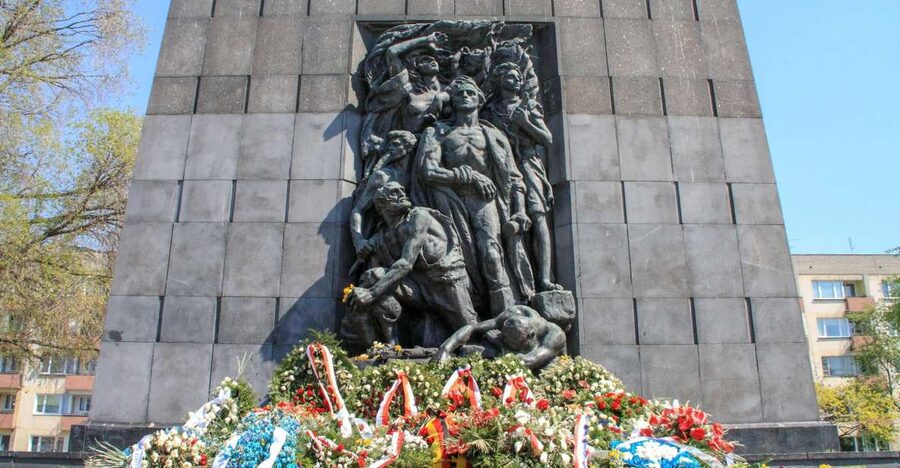
The Monument to the Ghetto Heroes is the emotional center of the walking route. It commemorates the 1943 Warsaw Ghetto Uprising and gives the history a clear focal point.
The monument is not only about military action. It also honors the courage of people who resisted a system designed to strip them of their homes, rights, and lives. Your guide explains the uprising alongside the broader story of the ghetto, so you see both the organized rebellion and the suffering that preceded it.
Nearby, the guide shows the site known as the Anielewicz Mound at Mila 18. It marks the former hidden shelter of a Jewish resistance group. The place is important because it links the uprising to a specific address and to the people who continued to resist despite overwhelming odds.
Expect this part to be reflective rather than busy with sightseeing. You will spend time listening, looking, and asking questions. The memorials are not attractions to rush through, and the subject deserves a measured pace.
Umschlagplatz and the final stage of deportation
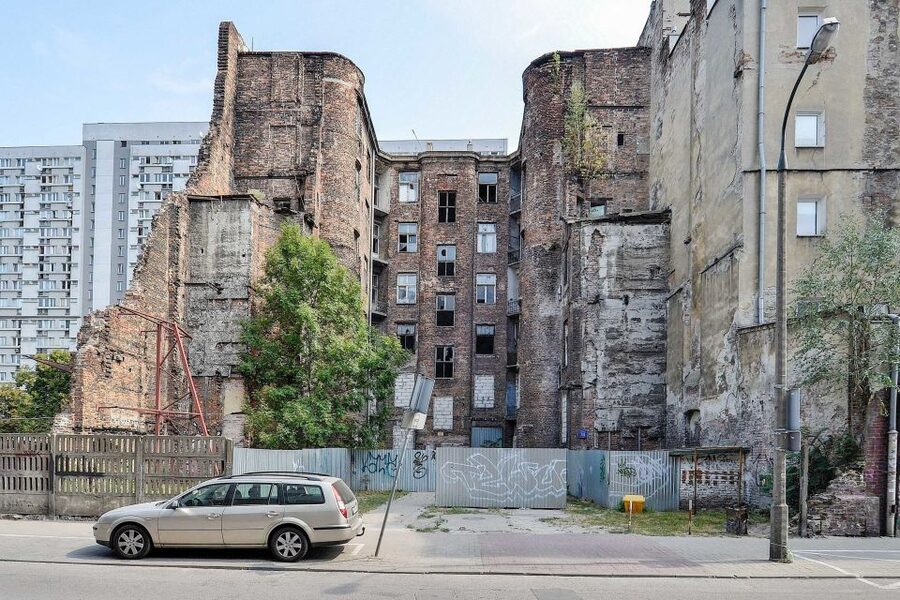
The 2-hour walk ends at the Umschlagplatz Monument. This memorial marks the departure point where Jewish people were assembled and transported to Treblinka, a Nazi extermination camp where more than 300,000 Jewish people died.
The site gives the tour a grim but important ending. Earlier stops explain confinement and resistance. Umschlagplatz shows how the German occupation turned the ghetto into a place of forced deportation and mass murder.
Because the route ends here, check the practical details before setting off. Ask your guide what happens after the visit and how to return to your hotel or continue sightseeing. The meeting point and final stop are not the same, and the tour information does not include a general return transfer.
The 2-hour option is a good choice if you have limited time or want a focused introduction. It covers the key ghetto sites, but you should not expect the same amount of time for the cemetery or museum because neither is part of this format.
Same country, a completely different kind of day:
- Warsaw: Chopin Concert in the Old Town
★ 4.8 · 2,287 reviews - Warsaw: Traditional Galar Cruise on The Vistula River
★ 4.6 · 1,640 reviews - Warsaw: Old Town Highlights Walking Tour in English
★ 4.7 · 1,516 reviews - Warsaw Concert: Chopin – Painted by Candlelights with Wine
★ 4.8 · 1,442 reviews
Why the 3-hour cemetery option is worth the extra hour
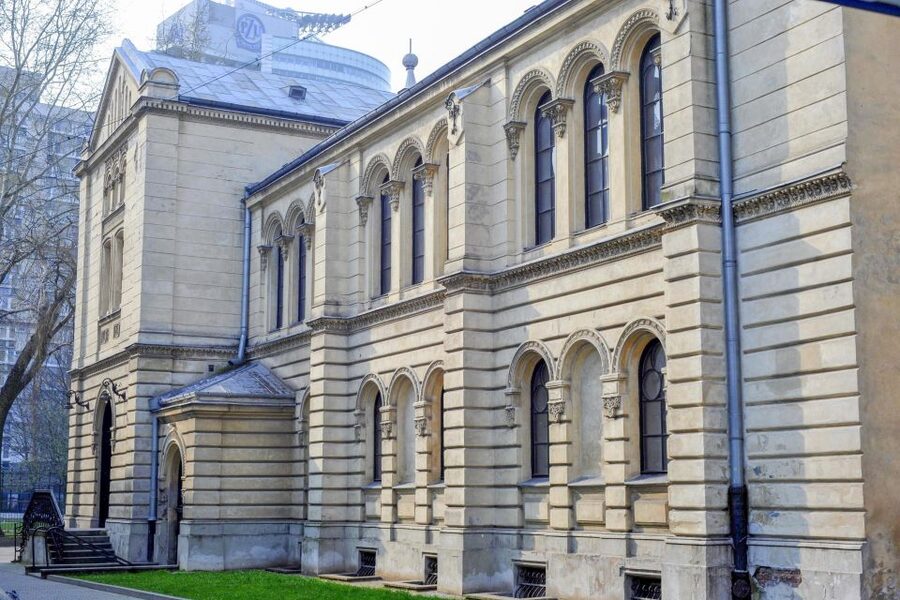
The old Jewish Cemetery in Muranów was established in 1809 and is one of Europe’s largest Jewish cemeteries. It is the extra stop that changes the tone of the experience from a memorial walk into a wider look at Jewish life in Warsaw.
Inside, your guide can point out graves connected with spiritual leaders, political activists, and important figures in Jewish culture. You will also see many graves of people whose names and stories were not preserved in the same way. The cemetery is described as the resting place of more than 200,000 people, including thousands of nameless victims of World War II.
I recommend this option for anyone who wants more than a wartime overview. The former ghetto sites focus on occupation, destruction, and resistance. The cemetery also points to the Jewish community that existed before the Holocaust, with its religious, cultural, and civic life.
The cemetery is outside the central walking area, so the operator provides a one-way public transport ticket. That is helpful, but it also means you should allow for a change in setting and transport rather than expecting three continuous hours of walking through the same streets.
The entry fee and transport ticket are included in the 3-hour option. They are not included in the 2-hour version because that shorter route does not visit the cemetery.
What POLIN adds to the 5-hour experience
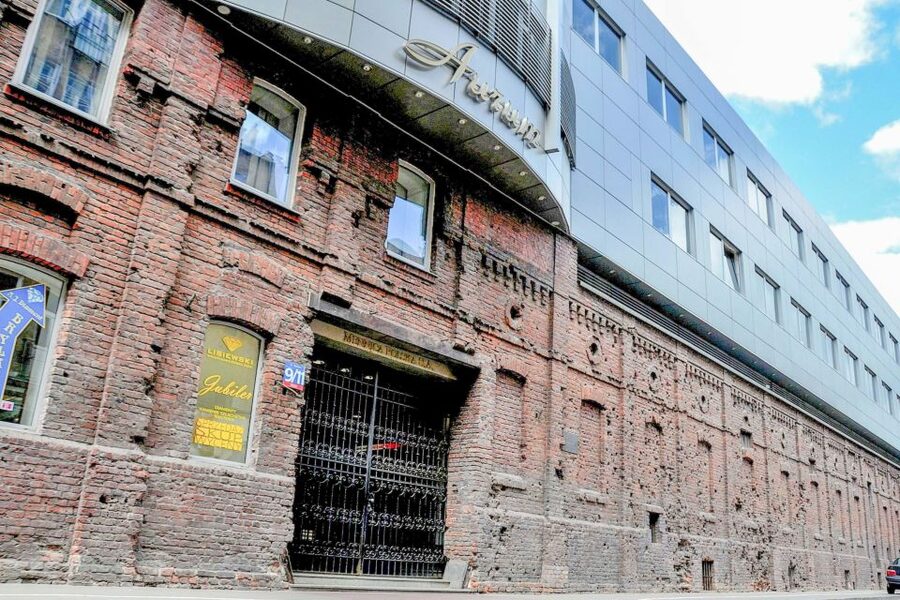
The 5-hour tour adds the POLIN Museum of the History of Polish Jews. This is the best choice if you want a larger historical frame, not only the years of German occupation.
POLIN covers the history, culture, and heritage of Polish Jews before, during, and after the war. That wider scope is essential. Without it, the former ghetto can appear only as a place of death. The museum helps you understand the long Jewish presence in Poland and the communities that shaped the country before the Holocaust.
The museum also gives you time indoors, which can be useful after walking through memorial sites. At five hours, this is a substantial history outing rather than a quick add-on. Plan your attention accordingly. The museum may hold you longer than expected, especially if you read exhibit panels carefully.
The ticket includes the main exhibition, the ongoing temporary exhibition, and the Heritage Gallery. Skip-the-line access applies to the ticket office, not to the entrance or security checks. That distinction is small but practical: you save time buying admission, but you still need to queue for required screening.
A French-language booking can be useful if you prefer detailed explanations in French. The same applies to English, German, Italian, Spanish, Polish, and Russian. One German-language guide, Iwona, has been specifically praised for clear and easy-to-follow explanations. Other guide names are not provided, so do not book expecting a particular person unless the operator confirms it.
Private guiding and language quality
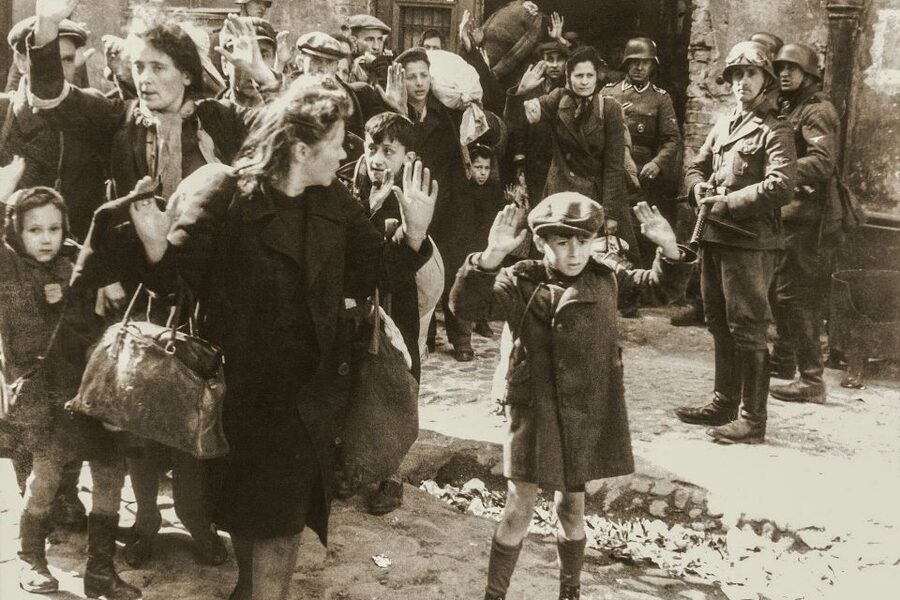
The tour is designed for a private group, which gives you more control than a large scheduled walk. You can ask for clarification, spend longer at a memorial, or keep moving when a particular stop has already made its point for you.
The guide is described as a 5-star licensed professional, and language availability is broad. The strongest practical reason to book privately is not simply comfort. It is the subject matter. You may want to ask about a family connection, a political term, a memorial inscription, or the difference between the ghetto uprising and the wider Warsaw Uprising.
Feedback highlights strong language skills and clear explanations in several languages. One French-language visit required extra effort from the guide to explain the material, while another German-language visit was praised for excellent German and understandable detail. That suggests language quality can depend on the individual guide, so state your preferred language clearly when booking.
The guide may also help you notice memorials that are easy to pass without understanding. One German-language account describes being shown wartime places through photographs and street lines, with the guide responding well to questions and drawing attention to different monuments. That is exactly the sort of help this part of Warsaw needs.
Choosing between two, three, and five hours
Use the length of your visit to match your interest, not just your schedule.
Choose 2 hours if you want the essential former-ghetto route. You will see the boundary markers, the Ghetto Heroes Monument, Mila 18, and Umschlagplatz. This is enough for a serious introduction, but not enough for the cemetery and POLIN.
Choose 3 hours if the Jewish Cemetery matters to you. The additional hour includes the cemetery and the one-way public transport ticket. This is likely the best balance for many visitors who want a meaningful Jewish history tour without committing most of a day to museums.
Choose 5 hours if you want the fullest version. You get the ghetto route, cemetery, and POLIN Museum, with skip-the-line ticket-office access at the museum. The time is justified if you like museums and want to understand Polish Jewish history before, during, and after World War II.
The $112 per-person price needs to be judged against the format. This is not a basic group walk. You are paying for a private guide, a licensed professional, and, on the longer options, cemetery entry, public transport, and POLIN admission. The value improves if you are traveling with people who want the same level of historical detail and can make good use of private questions.
Practical advice for a respectful visit
Read the email sent the day before the tour. It contains important information, and meeting details can matter in central Warsaw, where several memorials and churches are close together.
Wear shoes suited to city walking and leave room in your schedule for pauses. The route includes outdoor memorials and a cemetery, while the five-hour option also includes a large museum visit. This is not a tour to squeeze between a quick lunch and another timed attraction.
Think about the language you choose. Historical names, dates, and political terms are easier to follow when the guide speaks in the language you understand best. The available choices are English, Spanish, French, German, Italian, Polish, and Russian.
The subject is painful, so prepare children and younger members of your group carefully. The tour deals directly with hunger, disease, deportation, death, and the Holocaust. Its value comes from facing that history with care, not from making it easy or cheerful.
The company offers free cancellation up to 24 hours before the start and allows you to reserve now and pay later. Those terms help if your Warsaw plans are still shifting, but they do not change the need to check the correct option before booking. Cemetery entry is not included in the 2-hour tour, and POLIN tickets are not included in the 2-hour or 3-hour options.
Who should book this Warsaw history tour?
I would choose this tour if you want a guided explanation of places that can be difficult to read on your own. The former ghetto is historically essential but physically fragmented, and a guide can connect markers, monuments, photos, and vanished streets into one clear account.
The tour suits adults, history students, families prepared for serious material, and anyone with a strong interest in Jewish heritage or World War II. The 5-hour version is especially good if you want the museum to supply the broader setting that outdoor memorials cannot provide.
I would skip it if you want a casual city walk or a cheerful introduction to Warsaw. Even the shortest option deals with persecution and mass death. You should also avoid choosing five hours simply because it includes more. If museums tire you quickly, the 3-hour cemetery route may give you a better balance.
Should you book it?
Book the 2-hour tour for a focused introduction to the former ghetto, the uprising, and the deportation route. Choose 3 hours if you want the strongest mix of outdoor sites and Jewish heritage. Choose 5 hours if POLIN is high on your list and you want the full historical frame.
The tour’s greatest strength is the guide’s role in making absent places visible. The main limitation is that the city’s wartime traces are scattered and the subject is heavy. Go with enough time, use the language that suits you best, and treat the memorials as places for attention rather than quick photo stops.
FAQ
Where does the tour meet?
Meet your guide beside the anchor monument in front of the main entrance to the Field Cathedral of the Polish Army at Długa 13/15, 00-238 Warsaw.
Is hotel pickup available?
Pickup is available only for accommodations in the Old Town area, within 1.5 kilometers of the designated meeting point. Provide your address when booking to confirm eligibility.
Which languages are available?
The live guide can provide the tour in English, Spanish, French, German, Italian, Polish, or Russian.
What does the 2-hour tour include?
The 2-hour walking route covers the former Warsaw Ghetto, including boundary markers, the Monument to the Ghetto Heroes, the Anielewicz Mound at Mila 18, and the Umschlagplatz Monument.
Is the Jewish Cemetery included in every option?
No. The old Jewish Cemetery in Muranów is included only in the 3-hour and 5-hour options. The entry fee and one-way public transport ticket are not included in the 2-hour option.
Does the POLIN ticket let me skip every line?
No. The ticket lets you skip the line at the ticket office. You still need to pass through the museum entrance and security checks.
What is the cancellation policy?
You can cancel up to 24 hours before the tour for a full refund. You can also reserve now and pay later.
More Museums in Warsaw
- Warsaw: POLIN Museum of the History of Polish Jews Ticket
★ 4.7 · 1,142 reviews - Warsaw: Polish Vodka Museum Tour with Tasting
★ 4.6 · 788 reviews - Warsaw: Museum World of Illusion Entry Ticket
★ 3.9 · 666 reviews - From Warsaw: Lublin and Majdanek State Museum Day Tour
★ 4.8 · 21 reviews
Just added around Warsaw
- Taste of Poland, food tour and guided walk with 12 tasting★ 5.0 · 3 reviews
- Skip-the-Line Warsaw Royal Castle Private Guided Tour★ 5.0 · 4 reviews
- Secrets of Warsaw 4-hour Bike Tour★ 5.0 · 25 reviews
- Warsaw: Live Show at Sabat Theatre★ 4.5 · 11 reviews
- Private Warsaw City Tour★ 4.9 · 4 reviews
- Warsaw: WWII Private Tour by Retro Minibus with Hotel Pickup★ 5.0 · 7 reviews
- Private Tour From Warsaw: Łowicz Mazovian Countryside★ 5.0 · 10 reviews
- Packrafting kayaking guided tour Vistula river Warsaw Poland★ 4.5 · 14 reviews
Jewish Ghetto Tours, compared.

Bike Tour of Old Town, Jewish Quarter and the Ghetto
Read our review →
Kazimierz, Schindler’s Factory & Ghetto Guided Tour
Read our review →
Full Bike Tour – the Old Town, Jewish Qtr & the Ghetto NEW BIKES
Read our review →
Warsaw Ghetto Private Walking Tour with Hotel Pickup
Read our review →
Bike Tour of the Old Town, Kazimierz, and the Ghetto
Read our review →
Browse the lists this tour appears in