
Reviewed · SCHINDLERS FACTORY TOURS
Cracow: Guided Tour of Schindler’s Factory & Jewish Ghetto
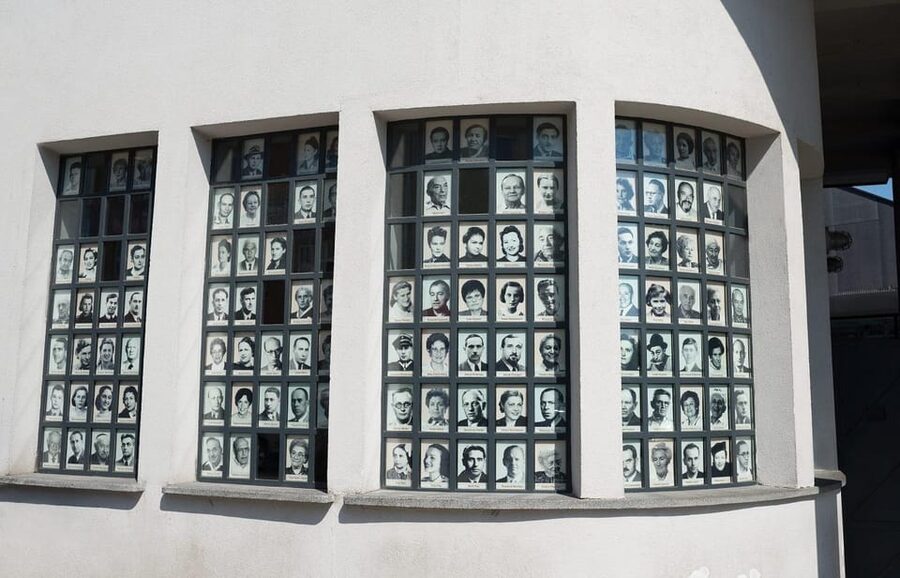
Krakow’s Schindler’s Factory tour connects a museum visit with the streets where the wartime story unfolded. You’ll see Oskar Schindler’s Factory and the exhibition Krakow Under Nazi Occupation, then walk through Podgórze to the former Jewish Ghetto, the Under the Eagle pharmacy, and Heroes’ Square.
I like the three-hour format, which gives you more context than a quick museum visit. I also like the street-level route, especially the preserved ghetto wall and the 68-chair Empty Chair Monument. The main consideration is pace: one recent tour ran about three and a half hours, so this may feel long if you prefer a tightly timed museum stop.
The guide is central to the experience. Past tours have been led by guides including Margherita and Phill, with particularly warm feedback about their preparation, enthusiasm, and ability to explain difficult material clearly. Still, the subject is serious, and the tour is not designed as light sightseeing.
Key points to know before booking
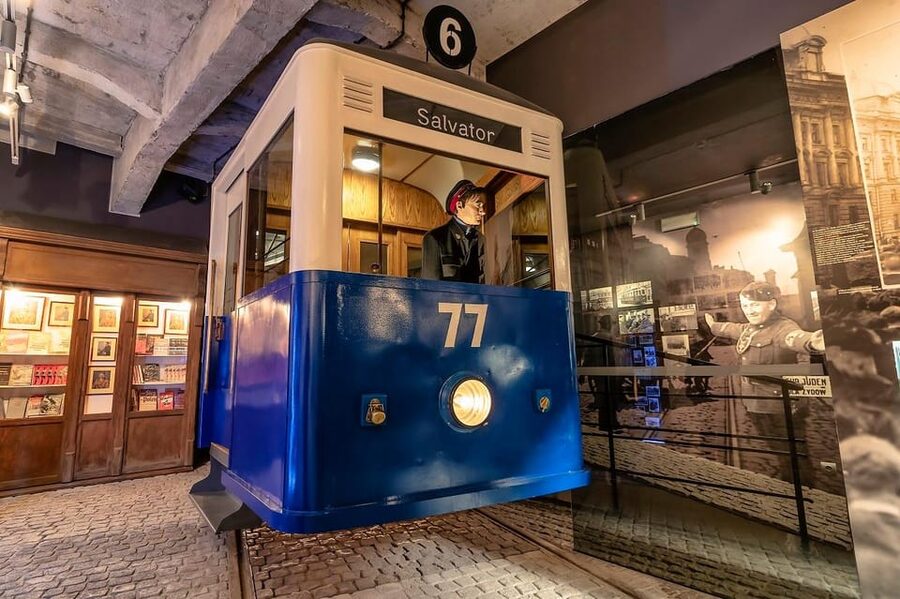
- Schindler’s Factory is the main indoor visit, with entry to the exhibition Krakow Under Nazi Occupation included.
- Podgórze adds real-world context, taking you from museum displays to streets and surviving traces of the former ghetto.
- The Under the Eagle pharmacy is a key stop, linked to aid and daily life during the occupation.
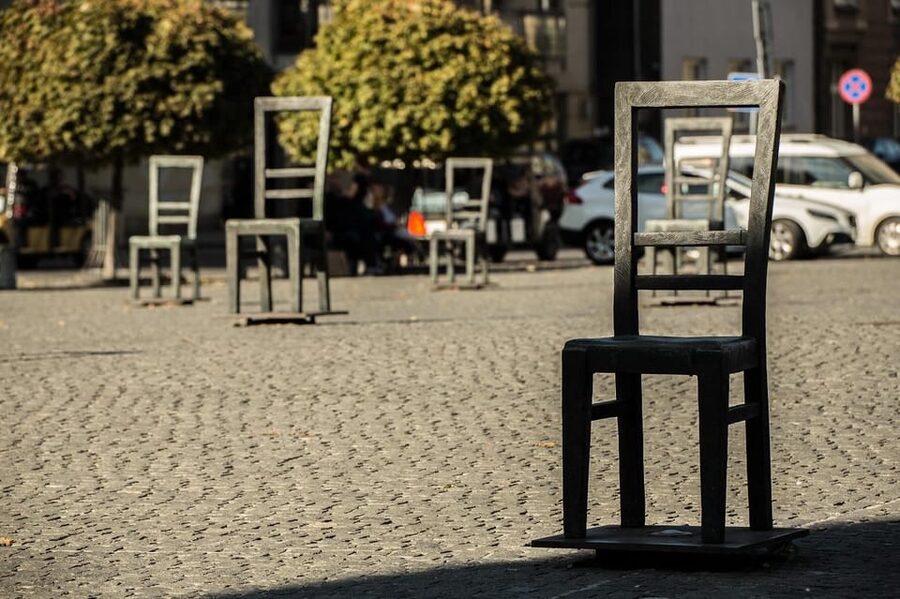
- Heroes’ Square has 68 empty chairs, a stark memorial to the people forced from their homes.
- The tour is offered in five languages: English, Italian, French, Spanish, and German.
- The $58 price includes museum admission, a guide, and the walking route, but not food, drinks, or hotel transport.
Why this tour matters beyond Schindler’s name
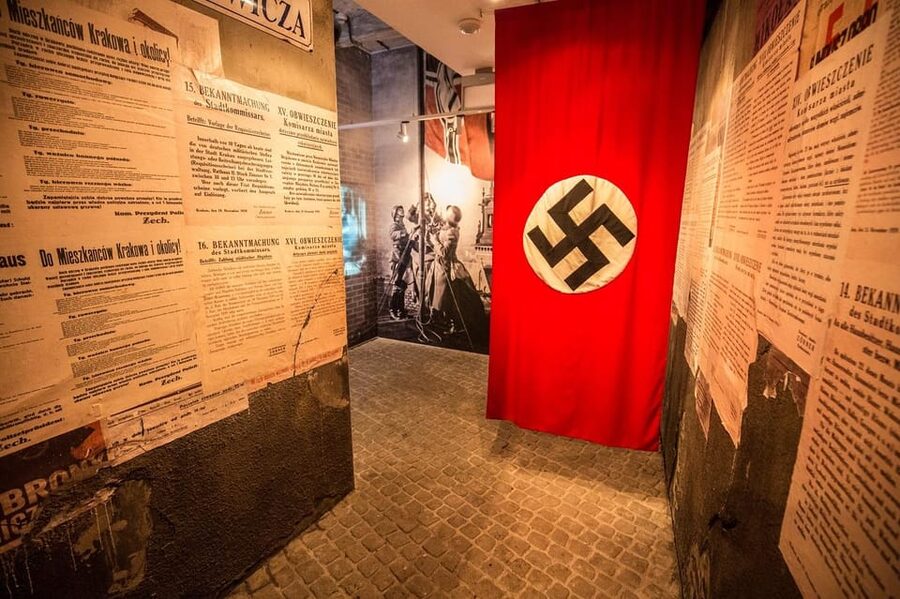
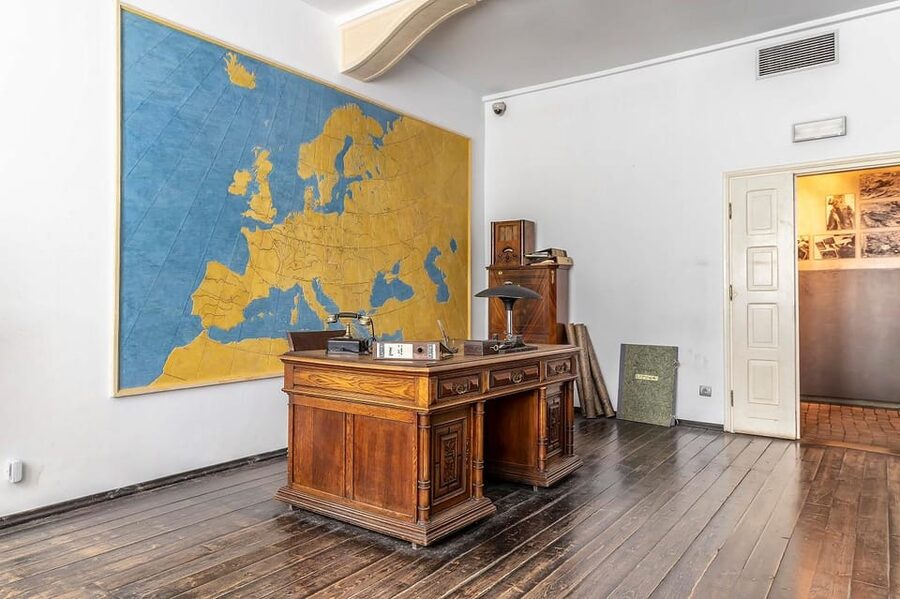
Oskar Schindler is widely known through the wartime story of the German businessman who helped save many Jewish people. But this experience is not only about one man. The museum and walking route place his actions inside the wider story of Krakow under Nazi occupation.
That wider frame is important. A visit focused only on Schindler can turn the past into a heroic personal story. Here, you also encounter the forced removal of Jewish residents, the cramped conditions of the ghetto, and the marks left on Podgórze. You get a clearer sense of both individual courage and the scale of the persecution around it.
The subject deserves time and attention. I would not schedule this between two cheerful attractions with only a few minutes to spare. Give yourself room afterward to process what you have seen.
More Schindlers Factory Tours in Krakow:
- Krakow: Oskar Schindler’s Factory Entry Ticket & Guided Tour
★ 4.2 · 3,793 reviews - Krakow: Schindler’s Factory Tour with Entrance Ticket
★ 4.5 · 3,182 reviews - Krakow: Schindler’s Factory Skip-the-Line Ticket
★ 4.4 · 3,105 reviews
Starting at Schindler’s Factory Museum
The guide meets you in front of the main entrance to Schindler’s Factory Museum, carrying an excursions.city sign. This is a useful arrangement because you do not need to find a restaurant, hotel lobby, or distant city-center meeting point.
The museum visit is the anchor of the tour. Your ticket is included, and the tour offers skip-the-ticket-line entry. That matters at a museum with timed admission and personalized tickets, since sorting out entry on your own can add friction to the day.
The exact order and timing deserve attention. The stated duration is three hours, but museum scheduling can affect the start time. From January 1, 2026, the time you select is a preferred time rather than a guarantee, because the museum may adjust the schedule. Build a little flexibility into your plans, especially if you have a train, meal reservation, or another timed activity afterward.
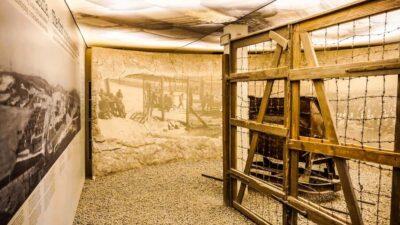
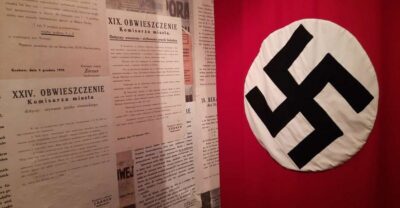
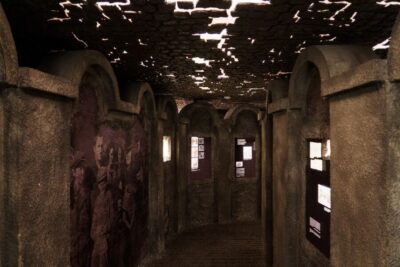
Inside, the exhibition is titled Krakow Under Nazi Occupation. Expect the guide to explain daily life during the occupation, rather than simply pointing out objects and dates. The value of a live guide is the connection between the display and the places you will see later in Podgórze.
That help is especially useful for anyone who knows the broad outline of the war but wants a clearer understanding of how the occupation affected ordinary life in Krakow. The tour is not just a collection of famous names. It aims to show what happened to people, homes, neighborhoods, and public spaces.
Walking through Podgórze and the former ghetto
After the museum, the tour moves outdoors into Podgórze. This shift from exhibition rooms to city streets gives the experience its strongest sense of place.
You will walk past remnants connected to the Second World War, including homes where thousands of displaced Jews once lived. These buildings and streets do not offer the same tidy presentation as a museum gallery. That is precisely why the guide matters. Without explanation, you may see an ordinary block. With context, the same street becomes part of a forced relocation and confinement story.
The walk also gives you a chance to connect the museum’s larger themes with physical surroundings. You are not being asked to picture the ghetto as an abstract area on a map. You are standing in Podgórze, looking at surviving pieces of the district and hearing how people were pushed into it.
The tour includes a segment of the preserved ghetto wall. This is one of the most direct physical reminders along the route. A short surviving section cannot show the full scale of the former ghetto, but it gives the story a hard, visible edge.
I find stops like this more useful when the guide avoids rushing. The wall is not a grand monument, and it does not need dramatic treatment. Its power comes from its plain physical presence and the knowledge of what it separated.
The Under the Eagle pharmacy
The famous Under the Eagle pharmacy, also called Pod Orłem, is another major stop. Its importance comes from its connection to life inside the ghetto and to the people who offered help during the occupation.
The pharmacy gives the walk a human scale. Instead of seeing only walls, streets, and memorials, you encounter a place associated with practical aid. Medicine, advice, and contact with the outside world could carry great weight in a confined and dangerous setting.
The stop also fits well with the story of Schindler. The tour can place his efforts beside other acts of courage and assistance, rather than treating one person as the whole story. That makes the experience more honest and more useful.
Do not expect a long food or shopping stop here. Food and drinks are not included, and this is a historical visit rather than a tasting walk. Come prepared to pay attention to the guide and the setting.
More Jewish Ghetto Tours in Krakow:
- Krakow: Schindler’s Factory & Ghetto Guided Tour
★ 4.7 · 1,694 reviews - Krakow: Jewish Quarter and Former Ghetto Tour
★ 4.9 · 1,441 reviews - Krakow: Bike Tour of Old Town, Jewish Quarter and the Ghetto
★ 4.9 · 1,155 reviews - Krakow: Kazimierz, Schindler’s Factory & Ghetto Guided Tour
★ 4.8 · 460 reviews
Heroes’ Square and the 68 empty chairs
The final landmarks include Heroes’ Square and its Empty Chair Monument. The memorial uses 68 chairs to represent the people forced from the ghetto. It is a simple image, but it is hard to ignore.
The chairs make absence visible. They suggest homes left behind, families disrupted, and a public space emptied of the people who had belonged there. The monument is likely to be one of the most memorable outdoor parts of the tour because it communicates without needing a long explanation.
This is also a good point to notice the difference between a museum and a city memorial. The museum organizes information. The square leaves you with a visual symbol in a place where people still walk, work, and live. The two settings work together.
Your guide will explain the memorial as part of the broader Podgórze story. Since the tour moves on foot, you receive that explanation while standing in the area rather than from a coach window.
The guides make the difference
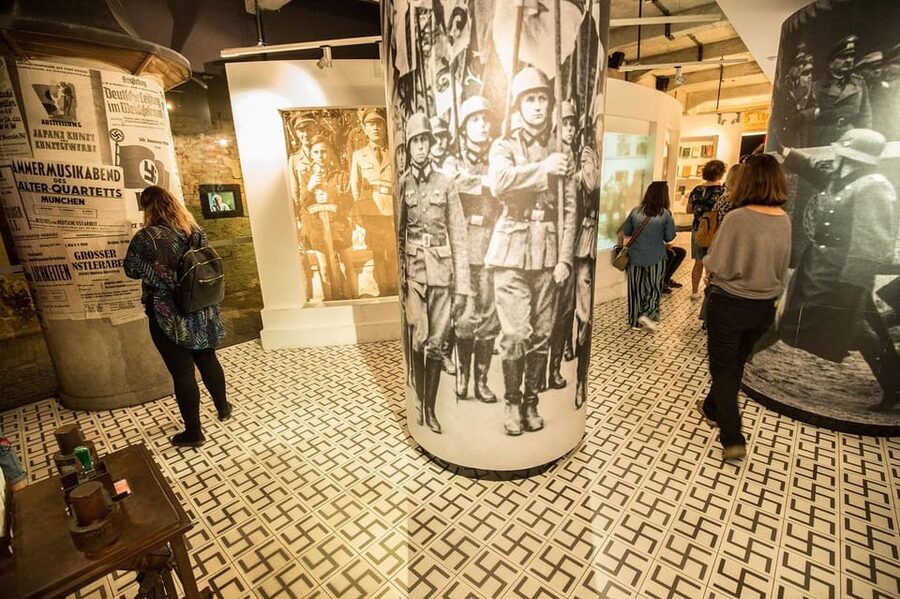
The tour is sold with a professional live guide in English, Italian, French, Spanish, or German. That is more than a language choice. On a subject this serious, clear delivery and good pacing matter as much as factual information.
Margherita has been singled out for being engaging, kind, well prepared, and highly recommended. Phill has also received especially warm praise for his enthusiasm and the amount of information he shared. Other feedback describes the guides as exceptionally prepared and strong at explaining the material.
Those comments point to the main strength of this experience: the guide can tie together the museum, the pharmacy, the ghetto wall, and the square. If your guide keeps the story moving without flattening the human details, the three hours should feel purposeful.
There is one useful warning. The tour may run longer than the advertised three hours. One recorded experience lasted about three and a half hours, with the guide described as expert but the overall presentation slightly longer than necessary. If you like detailed explanation, that extra time may be welcome. If you have a fixed afternoon schedule, leave a buffer.
Is $58 a fair price?
At $58 per person, the price is not a bargain-basement museum ticket. But it includes the Schindler’s Factory admission, a professional guide, and a guided walking route through Podgórze.
The value depends on how much help you want. If you are comfortable reading museum displays, navigating on your own, and researching the former ghetto before arriving, you may spend less by visiting independently. You would then need to arrange museum admission yourself and build your own route between the important sites.
The guided option earns its price through interpretation. The museum is only one part of the experience. You are also paying for the connection between the exhibition and the streets, wall, pharmacy, and memorial. That link is difficult to recreate with a quick internet search while walking.
I consider the price reasonable for someone who wants a structured historical visit in a small block of time. It is less appealing if you want to linger alone in the museum or move at your own pace. The tour keeps you on a set schedule, and the museum may influence the exact start time.
Who will get the most from this experience?
I would recommend this tour to first-time visitors to Krakow who want a clear introduction to the city’s wartime history. It suits people who prefer one guided route instead of stitching several sites together on their own.
It is also a good fit if you want a balance of indoor and outdoor time. The museum provides organized background, while Podgórze gives you streets, buildings, a wall, a pharmacy, and a memorial to consider in place.
The tour may suit families with older children, provided they are ready for difficult subject matter. The content concerns Nazi occupation, displacement, and the persecution of Jewish people. It is not a casual outing for very young children.
History-minded visitors should appreciate the range of the route. The experience does not stop at Schindler’s personal story. It looks at daily life, forced movement, surviving places, and remembrance.
You may want another plan if you dislike walking tours, need guaranteed exact timing, or prefer to explore museums independently. No hotel pickup or drop-off is included, and food and drinks are your responsibility.
Practical planning for museum entry
Bring your booking details and arrive at the main entrance with enough time to locate the guide and the excursions.city sign. The meeting point is specific, but the experience does not include transportation from your hotel.
From January 1, 2026, every participant’s full name must be supplied during booking because the museum uses personalized tickets. Each person must also bring a passport or ID for entry. Without the required identification, admission may be denied.
This rule matters for families and groups. Check every name carefully before completing the reservation, and do not assume one person’s identification will cover everyone.
The tour offers free cancellation up to 24 hours before the start time for a full refund. It also allows you to reserve now and pay later, which can help if your Krakow schedule is still changing. Those policies are useful, but the museum’s variable scheduling still means you should avoid placing another fixed booking too close to this tour.
My call on the Schindler’s Factory and Ghetto tour
Book it if you want the museum and Podgórze to make sense as one connected story. The included ticket, live guide, multilingual options, and carefully chosen outdoor stops make the $58 cost reasonable for a guided three-hour history visit.
I would especially choose it if you have limited time in Krakow, want help with serious historical context, or prefer not to work out the route between Schindler’s Factory, the ghetto wall, Under the Eagle pharmacy, and Heroes’ Square.
Skip it if you need a perfectly fixed schedule or want to spend a full morning at the museum alone. Also allow more than three hours if your plans are tight. For most people who want a thoughtful introduction to Krakow under Nazi occupation, this is a purposeful and well-focused choice.
FAQ
Where does the tour meet?
The guide meets you in front of the main entrance to Schindler’s Factory Museum, with an excursions.city sign.
How long does the experience last?
The stated duration is three hours. One tour lasted about three and a half hours, so allow extra time if your schedule is fixed.
What is included in the price?
The $58 price includes admission to Schindler’s Factory Museum, a professional tour guide, and the walking tour.
Are hotel transfers included?
No. Hotel pickup and drop-off are not included.
Are food and drinks included?
No. You need to arrange and pay for your own food and drinks.
Which languages are available?
The live guide is available in English, Italian, French, Spanish, and German.
What places are visited during the walking portion?
The route includes Podgórze, part of the preserved ghetto wall, streets and homes connected to the former ghetto, the Under the Eagle pharmacy, and Heroes’ Square with its 68 empty chairs.
Can I cancel the booking for a refund?
You can cancel up to 24 hours in advance for a full refund.
What identification is required from January 1, 2026?
You must provide the full names of all participants when booking and bring a passport or ID for entry to Schindler’s Factory Museum. Entry may be denied without these documents.
Just added around Krakow
- Tour to Wadowice: Hometown of Pope Saint John Paul II★ 4.6 · 12 reviews
- The Jewish Quarter – Walking Tour★ 5.0 · 4 reviews
- From Kraków; to Białka Thermal Baths private tour★ 5.0 · 5 reviews
- St. Mary’s Basilica and more – a short walk with a guide★ 4.7 · 56 reviews
- Krakow: Auschwitz-Birkenau and Wieliczka Salt Mine Day Trip★ 4.7 · 84 reviews
- Krakow: Skip-the-Line Wawel Castle & Old Town Guided Tour★ 4.9 · 23 reviews
- Krakow: Schindler’s Factory Guided Tour★ 4.2 · 12 reviews
- Shooting Range Experience!★ 4.8 · 66 reviews
Schindlers Factory Tours, compared.
Oskar Schindler’s Factory Entry Ticket & Guided Tour
Read our review →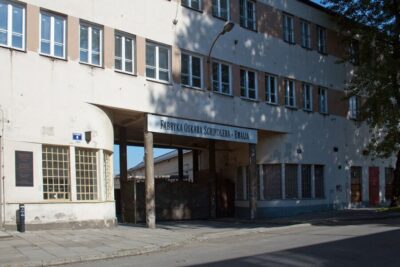
Schindler’s Factory Tour with Entrance Ticket
Read our review →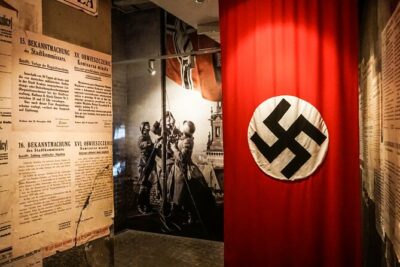
Schindler’s Factory in Krakow: Guided Tour & Skip the Line Ticket
Read our review →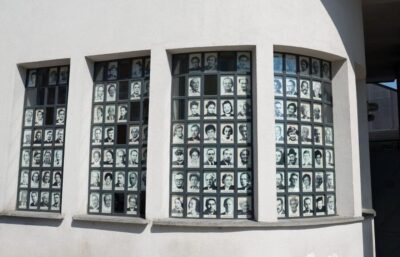
Schindler’s Factory Ticket with Guided Tour Option
Read our review →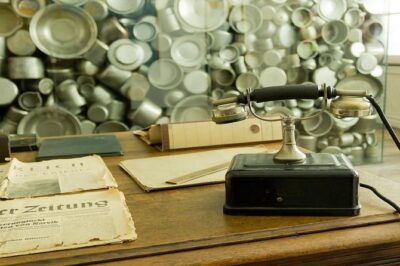
Krakow Schindler’s Factory Guided Tour with Admission Ticket
Read our review →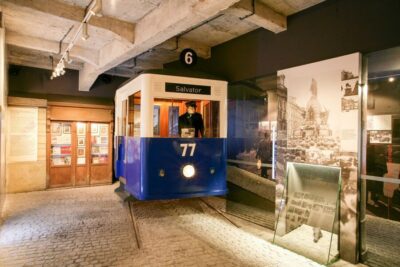
Schindler’s Factory Guided Tour with Entry Ticket
Read our review →Browse the lists this tour appears in