
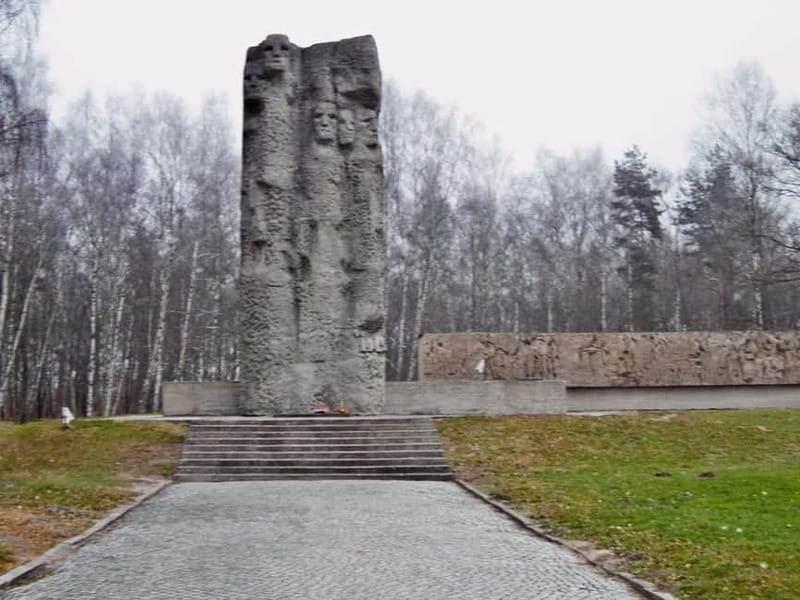
Reviewed · STUTTHOF CONCENTRATION CAMP TOURS
From Gdansk: Stutthof Concentration Camp Museum Day Tour
Stutthof is not a sightseeing stop in the usual sense. It is a quiet, sobering place where the gas chamber, crematorium, prisoner barracks, and guard tower make the Nazi camp system painfully real. I like that this private four-hour tour includes hotel pickup, museum admission, and a guide who can explain what you are seeing. I also like that you can choose from eight languages, including English, Spanish, German, Polish, French, Italian, Portuguese, and Russian.
The main consideration is the subject itself. This is difficult material, and children under 12 cannot join. Also, four hours gives you a focused visit, not a slow, day-long study of every display. If you want the most useful experience, choose your language carefully when booking and allow yourself quiet time afterward.
Key points to know before visiting Stutthof
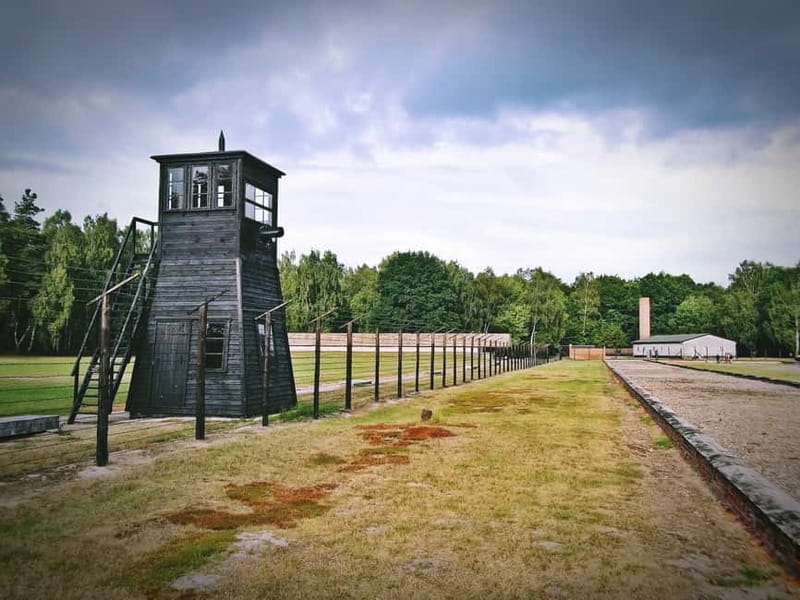
- Stutthof is about 40 kilometers from Gdansk, making it a practical half-day excursion outside the city.
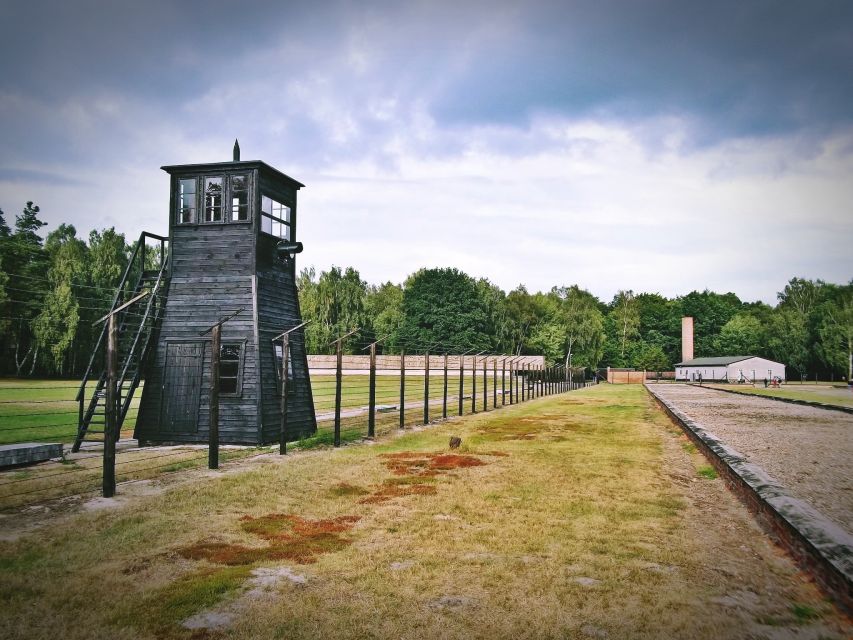
- The museum preserves major camp sites, including prisoner barracks, the gas chamber, crematorium, and guard tower.
- Hotel pickup and drop-off are included, with your guide waiting in the lobby under your name.
- You get a private group, so the pace and language choice are more personal than on a standard large coach outing.
- The tour is intended for ages 12 and up, reflecting the serious nature of the visit.
- Anna has received special praise as a guide, with visitors noting her clear, warm, and informative explanations.
Why Stutthof deserves a place on your Gdansk itinerary
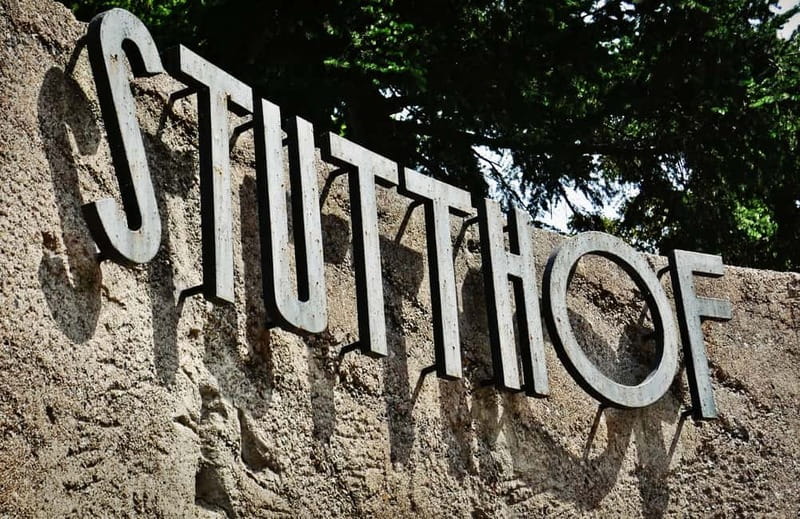
Gdansk has handsome streets, waterfront views, and a long story shaped by trade, war, and shifting borders. Stutthof gives you a very different view of the region. It shows what Nazi occupation meant for people who were deported, imprisoned, exploited, and murdered during World War II.
The camp was built by the Nazis in 1939, shortly after the occupation of Poland. It was the first concentration camp established in Poland and the last to be liberated, in 1945, by the Soviet Army. As many as 110,000 people were deported there, and about 85,000 were victims of genocide.
Those figures are hard to grasp from a guidebook. The preserved buildings help put human scale back into the story. A barracks is not just an old structure. It is a place where prisoners were forced to live under cruel conditions. The crematorium and gas chamber are not abstract symbols. They are physical reminders of how the camp operated.
I would not treat this visit as a quick photo stop. The value comes from paying attention, listening, and allowing the site to remain quiet. Your guide can provide context, but the camp itself carries much of the weight.
More Stutthof Concentration Camp Tours in Gdansk:
- Gdansk: Stutthof Concentration Camp Regular Tour
★ 4.7 · 361 reviews - Stutthof Concentration Camp English Tour with Gdansk Hotel pickup
★ 4.5 · 73 reviews - Stutthof Concentration Camp:Guided Tour with Transportation
★ 4.7 · 57 reviews
The 40-kilometer ride from Gdansk
The excursion begins with pickup at your hotel. Your guide waits in the lobby with a sign showing your name, which removes one common travel headache: trying to find a driver on a busy street or guessing which vehicle is yours.
Stutthof is about 25 miles, or 40 kilometers, from Gdansk. The journey gives you time to shift from city sightseeing to a more serious frame of mind. Since the total activity lasts four hours, transport takes up part of the outing, so this is best understood as a focused museum visit rather than a full-day historical program.
The private format matters here. You are not simply being delivered to the entrance and left to work things out alone. A multilingual driver-guide accompanies you, and you can select your preferred language during booking. Available choices are English, Spanish, German, Polish, Russian, French, Italian, and Portuguese.
Language is more than a convenience at a place like this. Camp history includes dates, political terms, names, and difficult distinctions. A guide who can explain those points clearly helps you understand what happened rather than simply moving from one building to another.
Arriving in the wooded area near Sztutowo
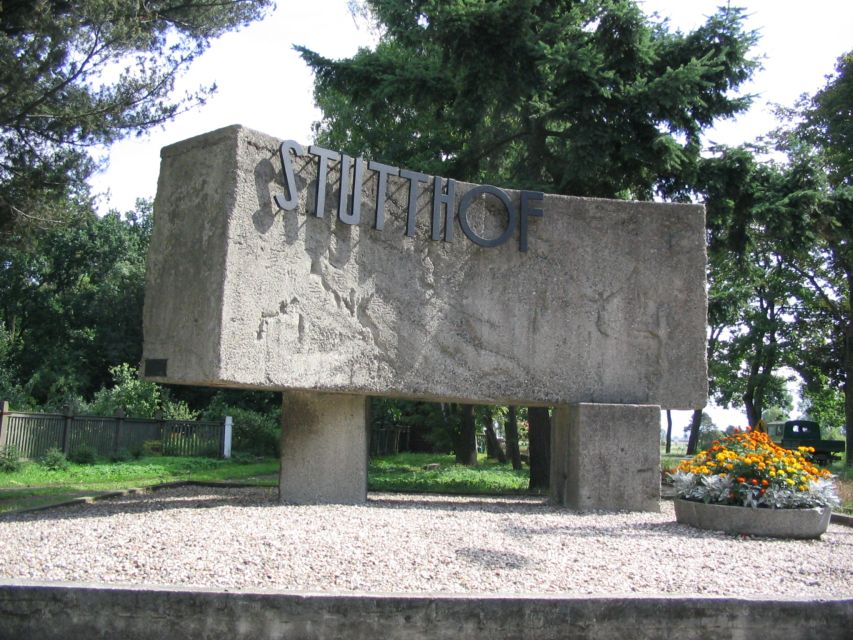
Stutthof was located in a secluded, wet, wooded area west of the small town of Sztutowo, known in German as Stutthof. The setting is part of the story. The camp was not placed in the middle of a city where daily life would constantly expose it. Its isolation helped the Nazi authorities control prisoners and hide the full scale of what was taking place.
You will find that the setting does not need theatrical treatment. The quiet surroundings and remaining camp structures create a stark contrast with the horror connected to them. That contrast can be unsettling, but it also helps you understand why location mattered.
Your guide will lead the visit and explain the role of the camp during the Nazi occupation. The exact order of the stops may depend on the guide and museum arrangements, so I would focus less on a fixed sequence and more on giving each section your attention.
Seeing the prisoner barracks
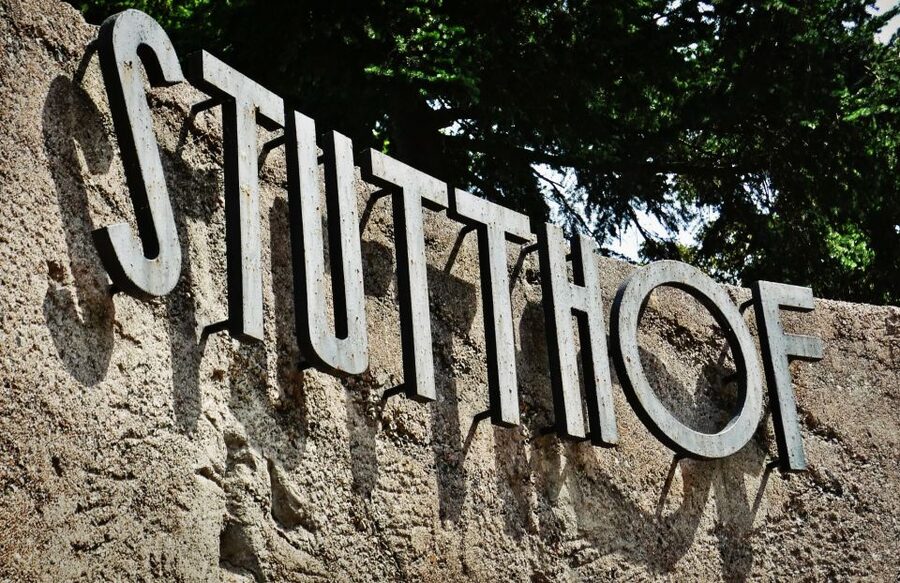
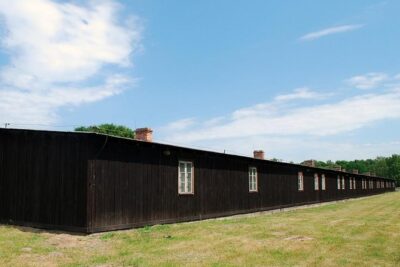
The prisoner barracks are among the most important parts of the visit because they bring daily camp life into view. The gas chamber and crematorium represent murder and disposal. The barracks show the broader system of confinement, deprivation, and control that prisoners had to endure between those events.
Inside and around these buildings, you may find displays and spaces that require careful attention. I would listen closely to the guide here, since the meaning of the structures is not always obvious on its own. A building can look plain from the outside, yet its purpose and history make it one of the most powerful parts of the tour.
This is also where the guide’s communication skills matter most. One highly rated guide, Anna, was praised for explaining a great deal clearly and for making the visit informative and interesting. If Anna is assigned to your tour, you can expect a strong spoken presentation. Guide availability is not guaranteed, so the practical lesson is to select your language carefully and confirm it at booking.
A few more Gdansk trips to weigh up
- Gdansk: Private Communism Tour with Solidarity Center Museum
★ 5.0 · 28 reviews - Gdansk Private WWII Tour with Museum of the Second World War
★ 4.9 · 22 reviews - Stutthof Concentration Camp and Museum of WWII: Private Tour
★ 4.7 · 3 reviews - Auschwitz-Birkenau Museum and Memorial Guided Tour from Krakow
★ 4.5 · 1,510 reviews
The gas chamber and crematorium
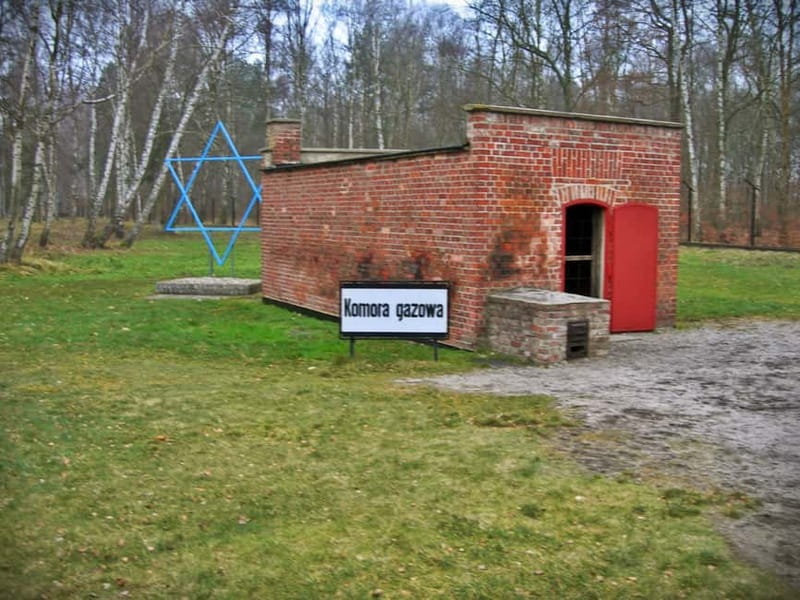
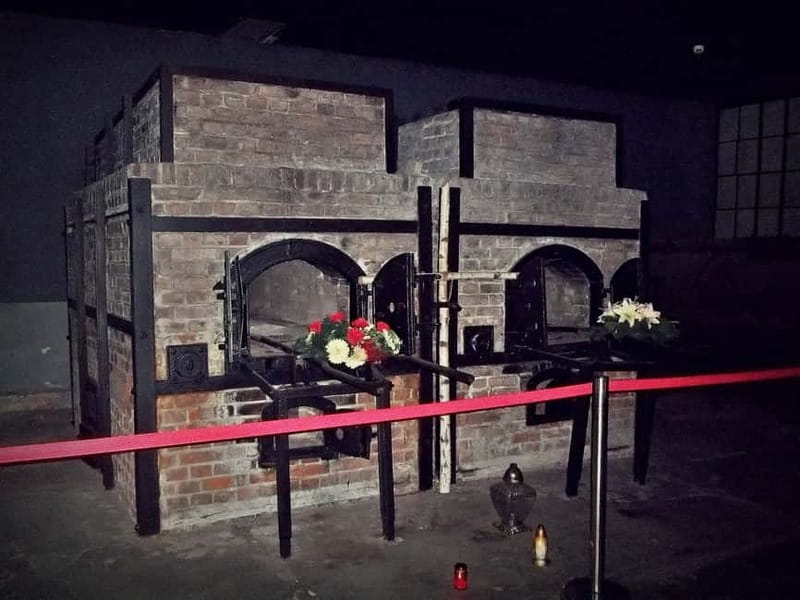
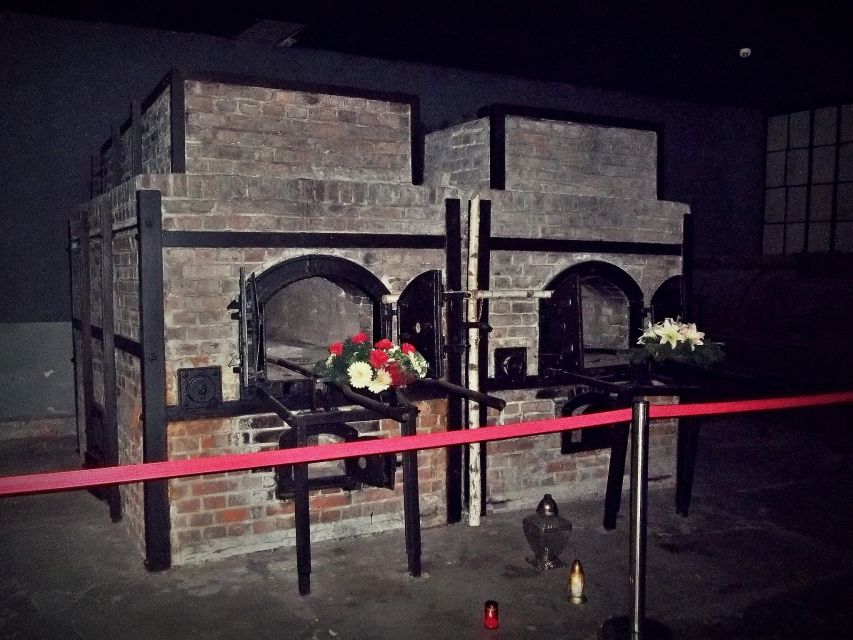
The gas chamber and crematorium are the most difficult stops. They are also central to understanding the machinery of genocide at Stutthof. The tour presents them as historical evidence, not as dramatic attractions, and you should approach them with the same care.
A guide can explain how these sites fit into the camp’s operation and the wider Nazi policy of mass murder. You will not simply hear a list of dates. The goal is to connect the buildings with the people who were deported there and with the system that stripped them of freedom, dignity, and life.
I recommend keeping your camera away unless photography is clearly appropriate and permitted. Even if photographs are allowed in some areas, you may find that looking carefully is more meaningful than collecting images. This is a place for memory and learning, not a trophy stop.
The museum visit may feel emotionally heavy. That is not a flaw in the experience. It is a reason to plan your day with care. Avoid scheduling a rushed activity immediately afterward if you can.
The guard tower and the camp layout
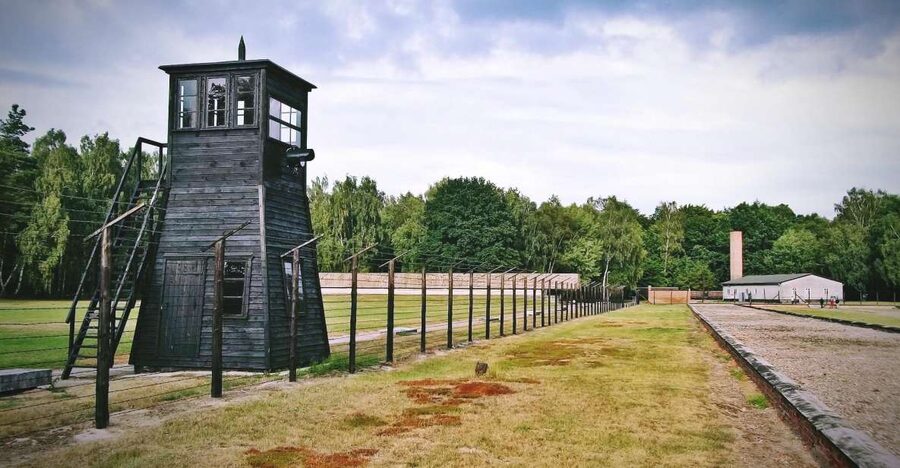
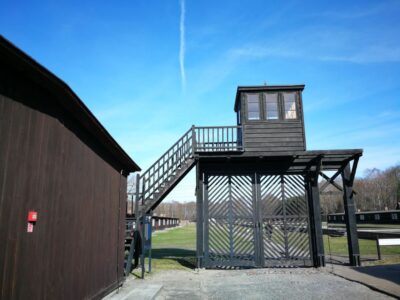
The guard tower offers another way to understand the camp’s design. From a controlled position, guards could watch the grounds and prisoners. The tower is a reminder that Stutthof was not simply a collection of buildings. It was an organized place of confinement, watched and managed by Nazi authorities.
Seeing the barracks, tower, crematorium, and gas chamber together helps you understand how the camp functioned as a whole. Each site carries a different part of the story. The barracks show imprisonment, the tower shows surveillance, and the killing facilities show the final stage of the camp’s criminal system.
The grounds may appear plain and open in places, but that simplicity should not be mistaken for a lack of importance. I find that the absence of modern entertainment or heavy presentation leaves more room to think. Your guide’s explanation supplies the structure, while the surviving buildings provide the setting.
Learning about liberation in 1945
Stutthof was liberated by the Soviet Army in 1945. This part of the story matters because liberation did not erase what had happened. It marked the end of Nazi control at the camp, but the evidence of imprisonment and mass murder remained.
A good guide will place liberation within the wider timeline of World War II and the Nazi occupation of Poland. You will learn not only when the camp was freed, but also why the date matters in the history of the site.
The short tour format means the explanation will likely be selective. If you have a strong interest in wartime history, you may want to read about Stutthof before you go so you can use your guide’s time for specific questions. If you arrive with no background, the tour still gives you an important introduction through the main buildings and museum displays.
How much the $68 price buys you
At $68 per person, the tour is not the cheapest way to reach Stutthof, but the price includes several useful pieces: hotel pickup and drop-off, a multilingual driver-guide, and admission to the Stutthof Museum.
The value depends on how you would otherwise reach the site. If you already have a car and feel comfortable arranging your own visit, a guided excursion may cost more than independent transport. But you would then need to handle the route, timing, entrance, and interpretation yourself.
For many people, the private format is the main reason to consider the price. You avoid the uncertainty of finding the pickup point, and you have a guide available to explain the camp in your chosen language. That is especially useful at a museum where context is essential.
The price does not include personal expenses. Since the activity lasts four hours, I would not book it expecting a full meal stop or a broad Pomeranian sightseeing day. Think of the cost as payment for transport, entry, and guided interpretation of one important site.
Who will get the most from this tour
This excursion suits adults and older teenagers who want to understand the history of Nazi occupation in Poland. The minimum age is 12, and I would take that limit seriously. The camp’s subject matter is not suitable for young children.
It is also a good match if you are staying in Gdansk and want a guided visit rather than an independent trip. Hotel pickup saves time, while the private group keeps the experience more personal.
You should choose it if you value explanation and historical context. You may prefer to visit independently if you need complete control over your pace or want to spend many hours reading every museum panel.
For school groups, language deserves special attention. One group of 20 students and five adults used an English guide because a Norwegian guide required a large extra fee. The guide was considered effective, but not every student understood English equally well. If your group needs a language that is not listed or requires translation support, check the price before committing.
Practical advice for a respectful visit
Choose your tour language at the time of booking. The available languages are English, Spanish, German, Polish, Russian, French, Italian, and Portuguese. Do not assume you can change the language later without affecting the arrangement.
Wear practical clothing and shoes suitable for walking around a museum and former camp grounds. The supplied information does not give a precise walking distance or surface condition, so I would avoid delicate footwear and dress for the day’s weather.
Keep your schedule flexible after the visit. The camp deals with genocide, forced imprisonment, and death on a large scale. Even a four-hour excursion can leave you needing quiet time rather than another packed attraction.
You can cancel up to 24 hours before the activity for a full refund, and you can reserve now and pay later. Those terms are useful if your Gdansk plans are still moving around. Still, I would not book this casually and then cancel at the last moment. The museum visit deserves a place in your itinerary that you can protect.
Should you book the Stutthof tour?
Book this tour if you want a serious, guided visit to one of Poland’s most important World War II sites and you value the ease of hotel pickup. The combination of museum admission, private transport, and several language choices makes the $68 price reasonable for many visitors.
I would especially recommend it for adults, older teenagers, and anyone who wants help understanding the camp’s buildings and history. Anna has been praised for clear, friendly explanations, though you should not assume she will be your assigned guide.
Skip it if you are looking for light sightseeing, if the subject feels too difficult for your group, or if you want a long independent museum study. Stutthof asks for attention and respect. If you can give it both, this four-hour visit adds a necessary and sobering chapter to a stay in Gdansk.
FAQ
How far is Stutthof from Gdansk?
Stutthof is about 25 miles, or 40 kilometers, from Gdansk.
How long does the tour last?
The activity lasts four hours.
What is included in the price?
The price includes a multilingual driver-guide, entrance to the Stutthof Museum, and hotel pickup and drop-off.
Is hotel pickup available?
Yes. Your guide waits in your hotel lobby with a sign displaying your name.
Which languages are available?
You can choose Spanish, English, German, Polish, Russian, French, Italian, or Portuguese.
Is this a private tour?
Yes. The activity is arranged for a private group.
What can you see at Stutthof?
The visit includes the gas chamber, crematorium, prisoner barracks, guard tower, and other areas of the former camp.
Can children join the tour?
Children under 12 are not permitted to join this activity.
Can I cancel the booking?
Yes. You can cancel up to 24 hours in advance for a full refund. You can also reserve now and pay later.
Just added around Gdansk
- Guided Winter Kayak Tour in Gdańsk & Hot Chocolate Treat★ 5.0 · 51 reviews
- Gdansk Highlights Bicycle Tour★ 5.0 · 65 reviews
- Electric Scooter Tour: Old Town Tour – 1,5-Hour of Magic!★ 5.0 · 19 reviews
- Elblag Canal Tour from Gdansk★ 4.5 · 22 reviews
- Delicious Gdansk Craft Beer Tour★ 5.0 · 4 reviews
- DAILY Stutthof Concentration Camp with Guide and Transport★ 4.5 · 10 reviews
- #1 Polish Vodka Tasting Experience in Gdansk★ 5.0 · 87 reviews
- Cruises on the Motlawa River★ 4.5 · 66 reviews
Stutthof Concentration Camp Tours, compared.
Stutthof Concentration Camp English Tour with Gdansk Hotel pickup
Read our review →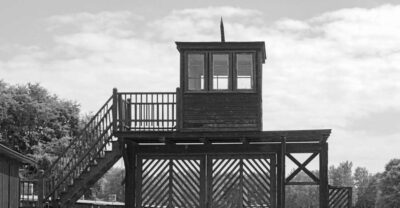
Stutthof Concentration Camp:Guided Tour with Transportation
Read our review →
Stutthof Concentration Camp tour including transfer from Gdansk
Read our review →
Private transportation to the Stutthof Concentration Camp 4h
Read our review →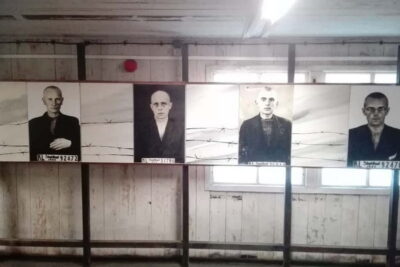
DAILY Stutthof Concentration Camp with Guide and Transport
Read our review →Browse the lists this tour appears in