
Reviewed · OLD TOWN WALKING TOURS
Gdansk Old Town: German Influence Walking Tour
Gdansk’s Old Town is often presented as a Polish showpiece, but its streets also tell a strong German story. This private walk follows that thread from the High Gate to the Motlawa River, linking merchants, the Teutonic Order, Prussia, the German Reich, and writers such as Günter Grass. St. Mary’s Church gives the tour a powerful final stop.
I like two things here. First, the guide keeps the focus on cultural exchange rather than treating Polish and German history as separate boxes. Second, the private format lets you ask questions and set the pace. The main consideration is price: at $108 per person, this makes the most sense for a small group that wants a focused history lesson, not a quick orientation stroll.
Key points at a glance
- The German trail follows Gdansk’s Royal Route, from the High Gate through Long Street and Long Market.
- St. Mary’s Church is included, though church tours may move outside during Mass or scheduled concerts.
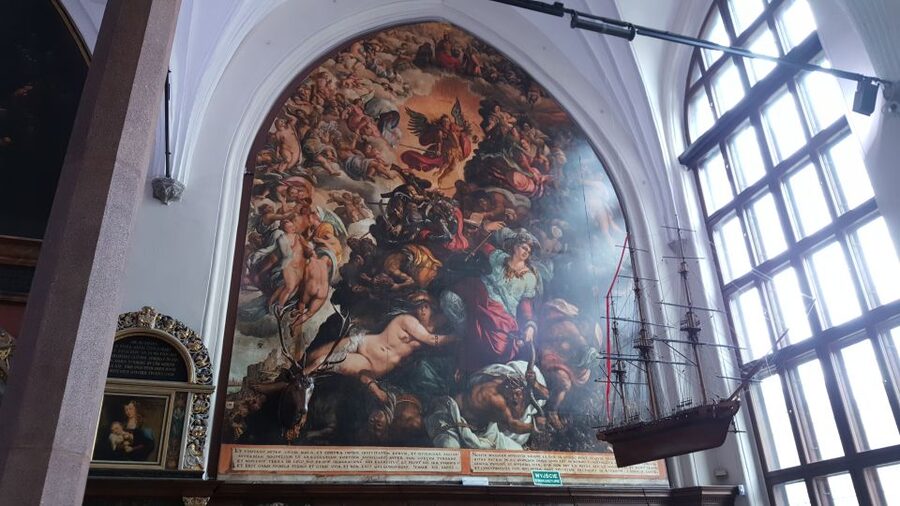
- The three-hour option adds Artus Court, including its merchant halls and Anton Möller’s controversial Last Judgment.
- The private group format suits curious history fans, families, and visitors who want a guide in German or Polish.
- The Motlawa River connects the walk to Hanseatic trade, amber, and the city’s commercial power.
- Old Town hotel pickup is possible, but only for accommodations within the stated area and distance.
Starting beneath the High Gate
The meeting point is in front of the tourist information sign beneath the High Gate, or Brama Wyżynna, at Wały Jagiellońskie 2A. It is about eight minutes from Gdansk’s Main Railway Station, so you can reach it easily on foot if you arrive by train.
This is a sensible place to begin. The High Gate marks the formal entrance to the old city route, and it gives your guide a natural opening for the story of Gdansk as Danzig. From here, you are not simply ticking off monuments. You are following the path used by rulers, merchants, and visitors entering the city.
If your hotel is in the Old Town, pickup may be available. You need to provide the full address when booking. If the accommodation is more than 1.5 kilometers from the meeting point, or if no address is supplied, you meet beneath the High Gate instead.
The tour lasts two or three hours, depending on your choice. That difference matters. The two-hour version gives you the main walk and St. Mary’s Church. The three-hour version adds admission to Artus Court, which is the better choice if Hanseatic trade and merchant life are central to your interest.
More Old Town Walking Tours in Gdansk
- Gdańsk: Sightseeing EcoCruise around the Old Town of Gdansk
★ 4.6 · 719 reviews - Gdańsk: Old Town Private Walking Tour with Legends and Facts
★ 4.9 · 245 reviews - Gdansk Old Town 2-Hour Walking Tour
★ 4.5 · 94 reviews
From the High Gate to the Royal Route
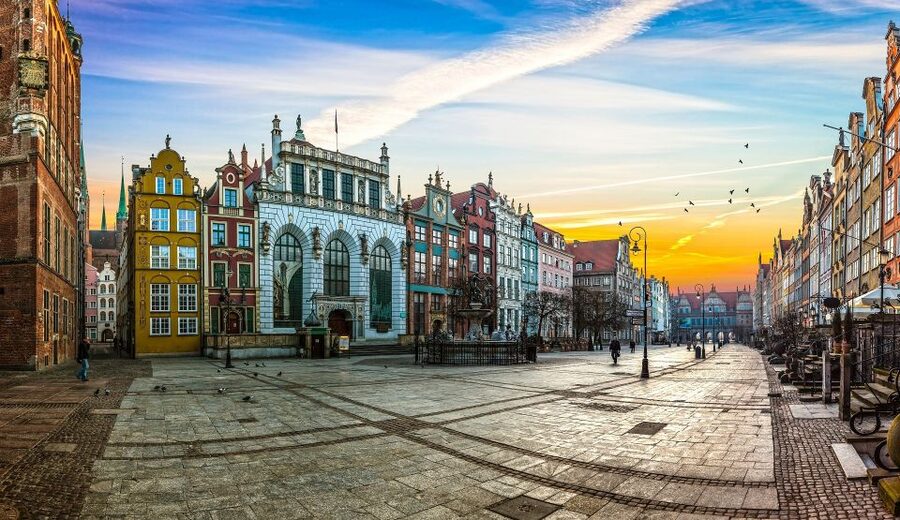
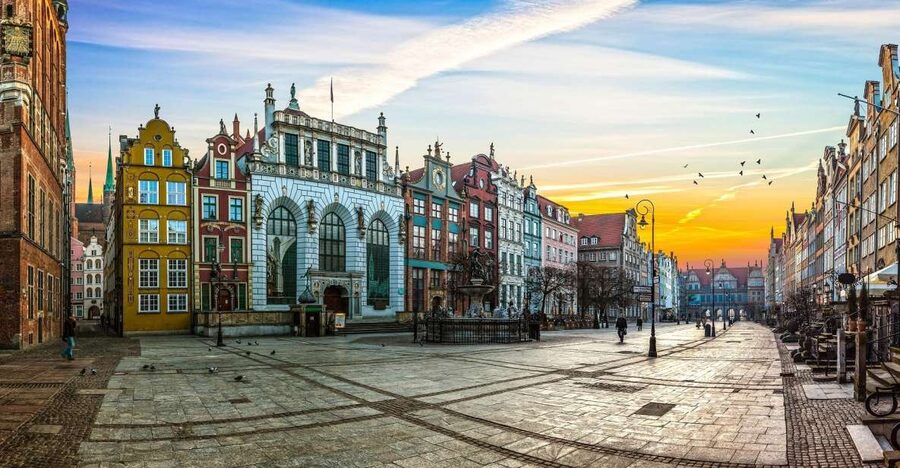
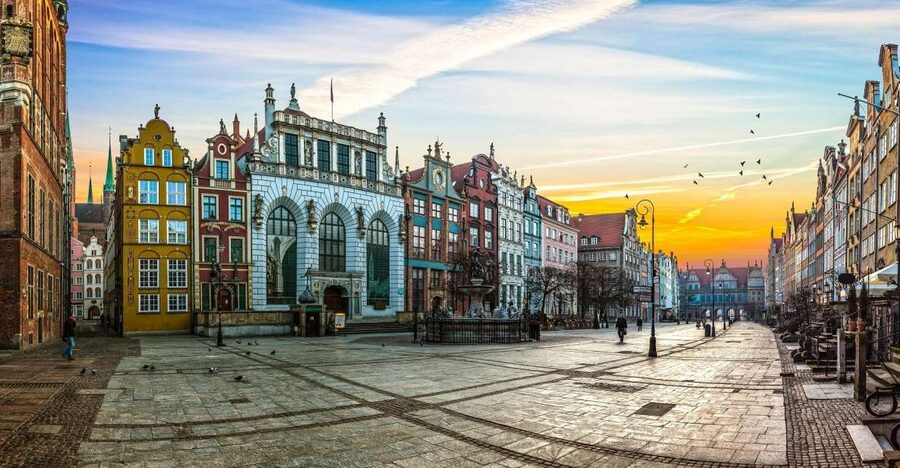
The walk follows the Royal Route toward Long Street and Long Market. This is the grandest section of central Gdansk, with ornate facades, formal gates, and the city’s most familiar public sights.
Your guide places the architecture into the long relationship between Poland and Germany. Gdansk was part of the Teutonic Order for 146 years, then connected to Prussia and the German Reich for another 126 years. Those periods left marks on government, trade, building styles, language, and public life.
The value of a guide here is context. You can admire a facade on your own, but a guide can explain why German citizens came to Danzig, what they were seeking, and how their commercial activity helped shape the city. Amber and other valuable goods drew merchants, while the port connected Gdansk to wider northern European trade.
The private setting is useful along this busy route. If one building catches your eye, you can ask about it rather than waiting for a large group to move on. The guide can also adjust the pace to your interests, though the available languages are German and Polish.
Artus Court and the merchant world
Choose the three-hour option if you want to enter Artus Court. Admission is included only with that version, so the extra hour is not just additional walking. It gives you access to one of Gdansk’s clearest links to trade and civic power.
Artus Court was a meeting place for merchants and became a symbol of the city’s influence in the 16th and 17th centuries. Inside, the guide explains how German influences appear in this exclusive setting and connects the building to the Hanseatic League, the trading network that helped make the Motlawa port so important.
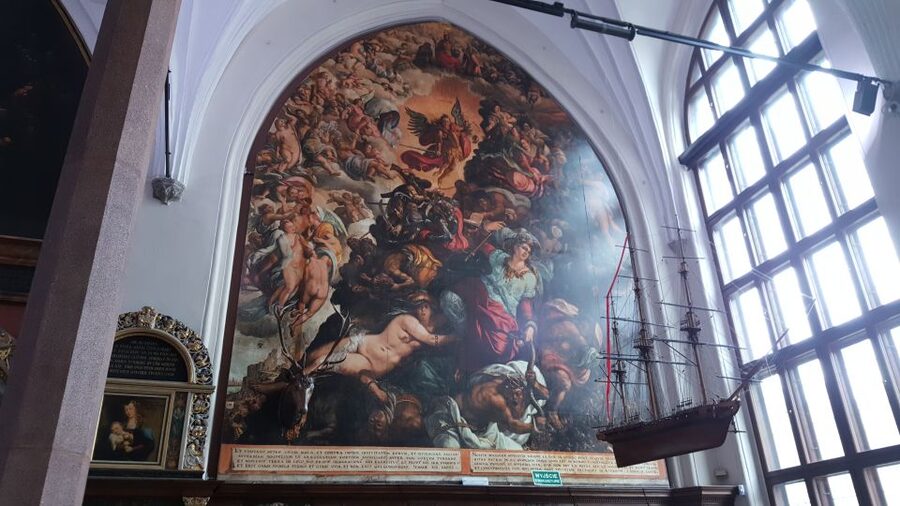
One detail to watch for is Anton Möller’s Last Judgment. The painting is described as controversial, which gives the visit more bite than a simple look at decorative interiors. Your guide can help explain why the work drew attention and how art, religion, and public life met in a merchant city.
Artus Court is the clearest reason to select the three-hour tour. If you have only a short time in Gdansk and mainly want the outside sights, the two-hour option may be enough. If you want to understand how money and trade shaped the city, the extra admission is worthwhile.
Neptune’s Fountain and Long Market
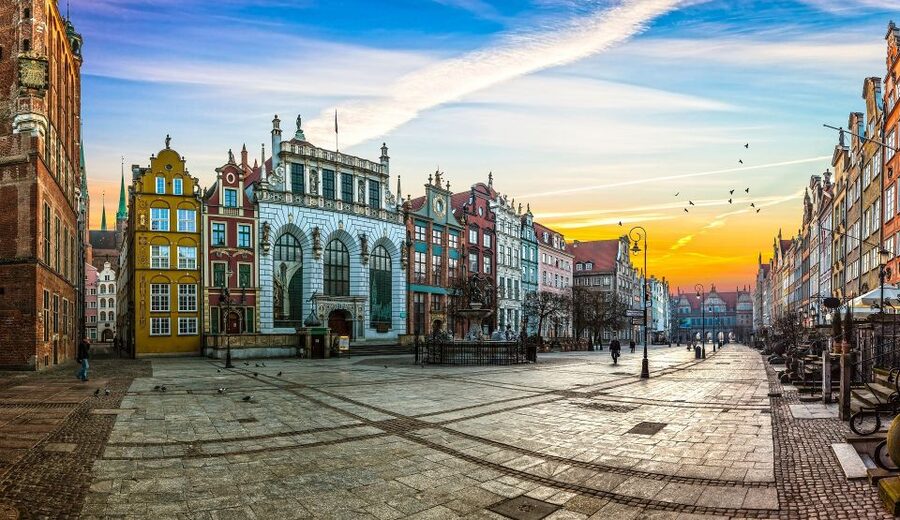
Neptune’s Fountain is one of the walk’s signature sights. It sits in the middle of the Royal Route, near the buildings that made Long Market the ceremonial and commercial heart of Gdansk.
Here, the guide can tie together the city’s public image and its merchant wealth. You see the decorative side of Gdansk, but the German trail keeps pointing back to the people and systems behind it. This is where the walk works best as a history tour rather than a standard photo stop.
The route also introduces notable German personalities connected to Gdansk. Astronomer Johann Bernoulli is one name associated with the city. Günter Grass is another, especially if you know his Danzig Trilogy, including The Tin Drum. His work gives the city a literary connection and shows how Gdansk has continued to shape German cultural memory.
Barthel Ranisch is also part of the story. He is credited with building the Royal Chapel, an eye-catching reminder that the city’s architecture was shaped by people from different cultural backgrounds.
You should expect the tour to move through public streets and squares, not just interiors. That means the experience depends partly on your interest in looking closely at buildings and listening to the connections between them. It is less suitable if you want a fast, purely visual walk with little historical explanation.
Same country, a completely different kind of day:
- Gdansk: City Cruise on Historical Polish Boat
★ 4.8 · 2,913 reviews - Gdańsk: Sunset Cruise on a Historic Polish Boat
★ 4.9 · 977 reviews - Gdańsk City Sights & History Guided Walking Tour in English
★ 4.8 · 876 reviews - Gdansk: Firearm Shooting Experience with Instructor
★ 4.8 · 866 reviews
The Motlawa River and the Hanseatic port
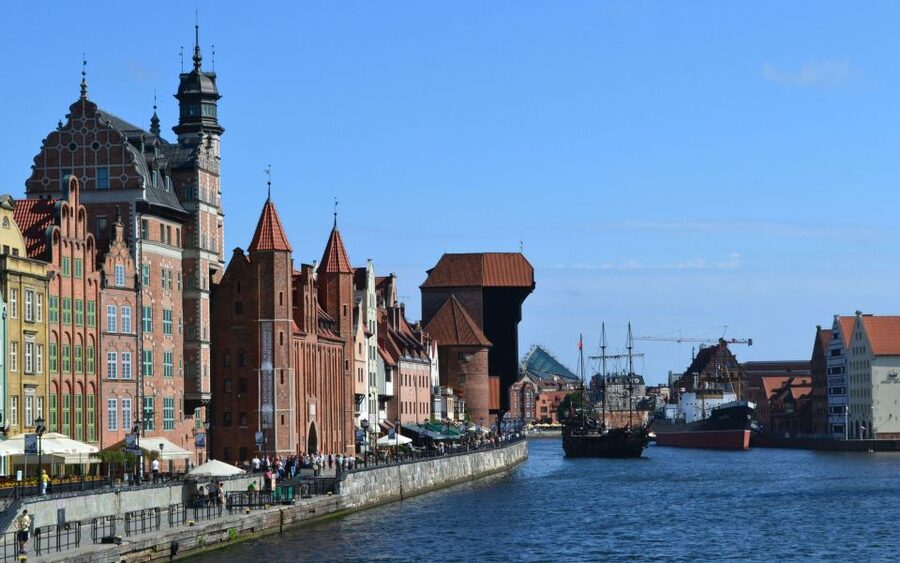
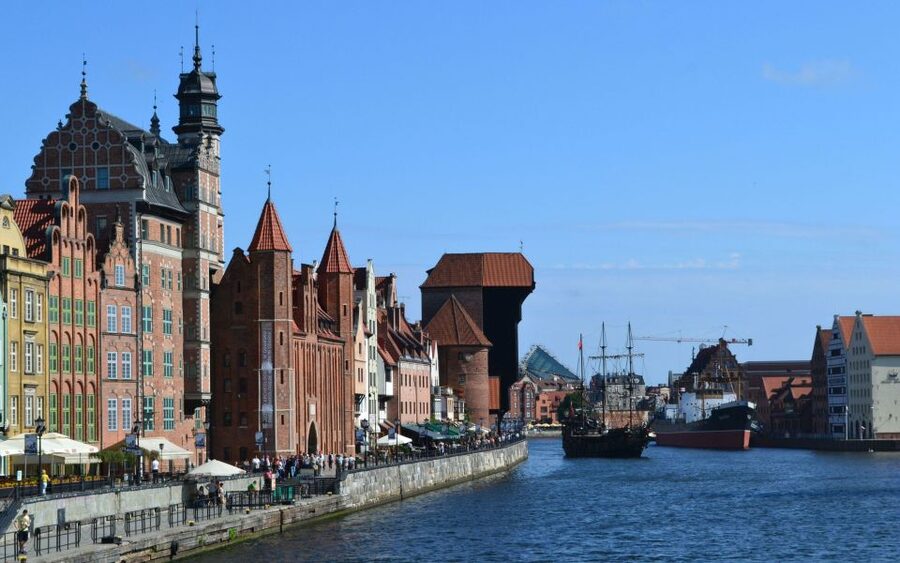
The walk reaches the Motlawa River, once one of the most important ports of the Hanseatic League. This stop helps explain why Gdansk mattered far beyond its streets and gates.
The river is not only a scenic pause. It shows the practical reason merchants came here. Goods moved through the port, and the city’s wealth helped finance grand buildings, merchant institutions, and public monuments.
I like this part because it keeps the German influence tied to daily economic life. The story is not only about rulers or famous names. It is also about trade routes, valuable cargo, and the people who made the port work.
Your guide may spend more or less time here depending on the group’s interests and the pace of the walk. Since this is a private tour, you can ask for more detail about the Hanseatic League, German merchants, or the way the port shaped Gdansk’s identity.
Inside St. Mary’s Church
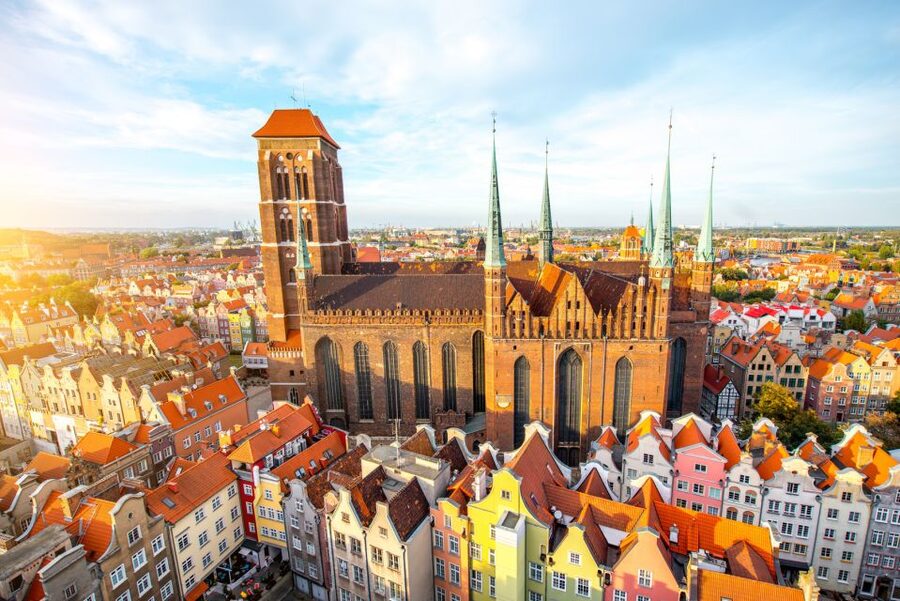
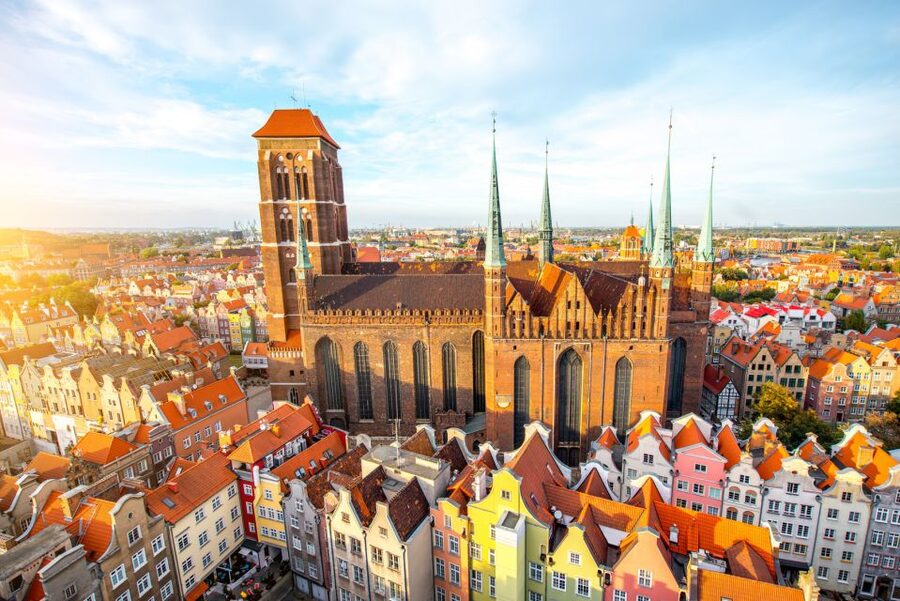
St. Mary’s Church is included in both tour options. The church is the final attraction on the two-hour version and remains an important stop on the longer route.
Inside, the scale and setting shift the mood of the tour. After a walk through commercial streets and public squares, you enter a place tied to faith, art, and memory. The guide discusses Martin Opitz, a German Baroque poet buried here, adding another personal link between Gdansk and the German-speaking world.
The church visit is included, but there is an important limitation. Guided explanations inside can be restricted during Mass and special events, including scheduled concerts. In that case, the guide may provide the information outside instead. You should check your email the day before for any timing or meeting instructions, and keep an open mind if the church schedule changes the format.
Tickets to the church tower are not included. The tour gives you admission to the church itself, not the separate tower experience. If climbing the tower is a priority, plan for that as an additional matter rather than assuming it forms part of this walk.
Why the private format matters
This is a private group tour with a licensed guide fluent in the language you select. The available languages are German and Polish. You are not joining a mixed group, so the guide can tailor the explanation to your questions, background, and pace.
That format is particularly useful for people with a family connection to Gdansk, Danzig, Prussia, or German-speaking communities. It also suits readers who want to examine the difficult parts of the past without reducing the city to a simple national story.
The tour presents German influence as part of a long cultural exchange. That approach is more useful than treating every German connection as either foreign occupation or local achievement. Gdansk’s identity changed over time, and the walk gives you a way to see those changes in the streets themselves.
The private format also helps if your group includes different levels of interest. One person may want more about the Hanseatic League, another may care about Günter Grass, and someone else may focus on architecture. A private guide can shift the balance more easily than a fixed large-group tour.
Is $108 per person good value?
At $108 per person, this is not a bargain city walk. The price needs to be judged against what you want from the visit.
You are paying for a private experience, a licensed guide, a selected language, admission to St. Mary’s Church, and Artus Court if you choose the three-hour option. For a couple or small group that would otherwise hire a private guide, the price can be reasonable because the history focus is narrow and well defined.
The three-hour version offers better value if you care about trade, merchant life, and the Hanseatic League. Artus Court adds a major interior and is the one feature that clearly changes the depth of the tour.
The two-hour option is more efficient. It covers the main German connections, the Royal Route, Neptune’s Fountain, the Motlawa River, and St. Mary’s Church. Pick it if you want a strong introduction without giving up half a day.
The published rating is 4.9 from eight ratings, with specific praise for friendly and competent guides. That matches the main reason to book: the quality of the experience depends heavily on the person leading it. Since the tour is private, a good guide can make the difference between a list of dates and a conversation that helps the city make sense.
Who should book this Gdansk walking tour?
I would recommend this tour to you if you want to understand how Gdansk developed through Polish and German connections. It is especially well suited to people interested in the Teutonic Order, Prussia, the German Reich, the Hanseatic League, German literature, or the city’s merchant class.
It is also a good fit for families and private groups that want to ask their own questions. The wheelchair-accessible format makes it a practical option for visitors who need an accessible experience, though the tour still takes place across historic streets and should be discussed with the provider if you have specific mobility needs.
You may want a different kind of tour if you are looking only for a general introduction to Gdansk, a tower climb, or a broad museum program. This experience has a clear theme. Its strength is focus, not coverage of every part of the city.
For the best use of your time, select the three-hour option if Artus Court interests you. Select two hours if St. Mary’s Church and the outdoor Royal Route are enough. Either way, read the pre-tour email carefully, since church events and pickup details can affect the meeting plan.
Should you book it?
Book this tour if you want the German side of Gdansk explained with care and you value a private guide over a low-cost group walk. The route brings together the Royal Route, Artus Court, the Motlawa port, St. Mary’s Church, and figures such as Johann Bernoulli, Günter Grass, Barthel Ranisch, and Martin Opitz.
I would choose the three-hour version for the fuller story. Choose the two-hour walk if your schedule is tight and you mainly want the key sights. At $108 per person, it is a specialist tour, but the private format and focused subject make it worthwhile for history-minded visitors who want more than pretty facades.
FAQ
How long is the Gdansk German influence walking tour?
You can choose a two-hour or three-hour private tour. Starting times depend on availability.
What languages are available?
The tour is offered in German and Polish. Your licensed guide is fluent in the language selected when booking.
Where does the tour begin?
The standard meeting point is in front of the tourist information sign beneath the High Gate, Brama Wyżynna, at Wały Jagiellońskie 2A, Gdansk. It is about eight minutes from the Main Railway Station.
Does the tour include St. Mary’s Church?
Yes. Admission to St. Mary’s Church is included in both the two-hour and three-hour options.
Is Artus Court included?
Artus Court admission is included only with the three-hour tour. Tickets are not included in the two-hour option.
Is pickup from my hotel available?
Pickup is available for accommodations in the Old Town. You must provide your full address when booking. If the accommodation is more than 1.5 kilometers from the meeting point, you meet beneath the High Gate.
Can I visit the tower of St. Mary’s Church?
The church tower ticket is not included. The included admission covers St. Mary’s Church itself.
What happens if Mass or a concert takes place during the church visit?
Guided explanations inside the church may be limited during Mass and special events. The guide may provide the information outside instead.
More Walking Tours in Gdansk
- Main Town Gdańsk Walking Tour
★ 5.0 · 644 reviews - Discover Gdansk Walking Tour
★ 5.0 · 495 reviews - Gdansk Old Town Half-Day Private Walking Tour
★ 4.9 · 62 reviews - Gdansk: Small Group Walking Tour
★ 5.0 · 10 reviews
Just added around Gdansk
- Guided Winter Kayak Tour in Gdańsk & Hot Chocolate Treat★ 5.0 · 51 reviews
- Gdansk Highlights Bicycle Tour★ 5.0 · 65 reviews
- Electric Scooter Tour: Old Town Tour – 1,5-Hour of Magic!★ 5.0 · 19 reviews
- Elblag Canal Tour from Gdansk★ 4.5 · 22 reviews
- #1 Polish Vodka Tasting Experience in Gdansk★ 5.0 · 87 reviews
- Delicious Gdansk Craft Beer Tour★ 5.0 · 4 reviews
- DAILY Stutthof Concentration Camp with Guide and Transport★ 4.5 · 10 reviews
- Cruises on the Motlawa River★ 4.5 · 66 reviews
Old Town Walking Tours, compared.

Bike Tour of Old Town, Jewish Quarter and the Ghetto
Read our review →


Sightseeing EcoCruise around the Old Town of Gdansk
Read our review →
Browse the lists this tour appears in