
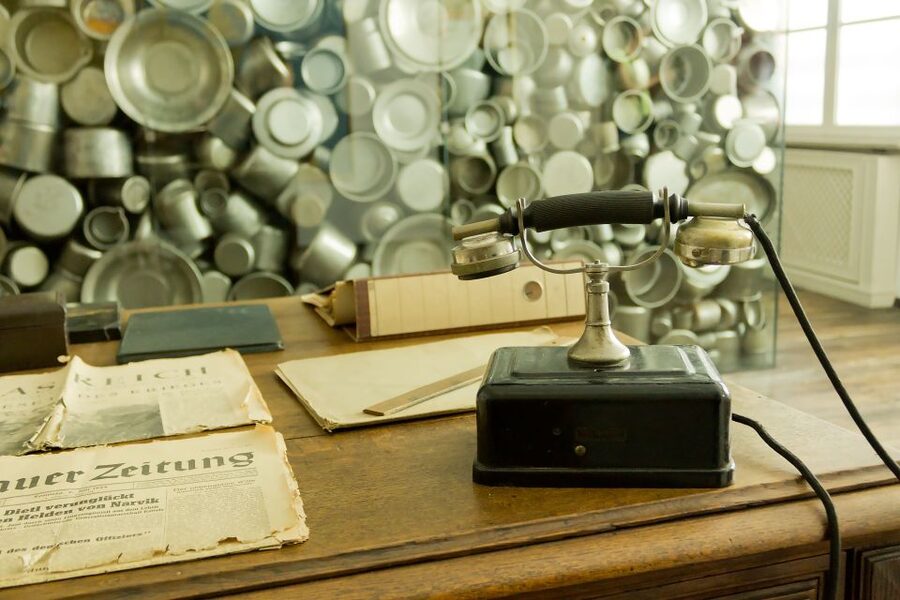
Reviewed · SCHINDLERS FACTORY TOURS
Krakow: Jewish Quarter and Schindler’s Factory Guided Tour
Krakow’s Kazimierz is not just a backdrop for Schindler’s List. It is a real neighborhood with synagogues, old cemeteries, cafes, art spaces, and layers of Jewish and Polish life. I like that this tour connects the old Jewish quarter with the modern district you see today, then carries the story into Schindler’s Factory. I also like the guided museum entry, since the exhibition is much easier to place after walking through Kazimierz first.
The main thing to consider is the walking. The route can cover about 5 to 6 kilometers, and the full experience lasts three and a half hours. Wear good shoes, save your appetite for after the tour, and remember that food and drinks are not included.
Key points to know before booking
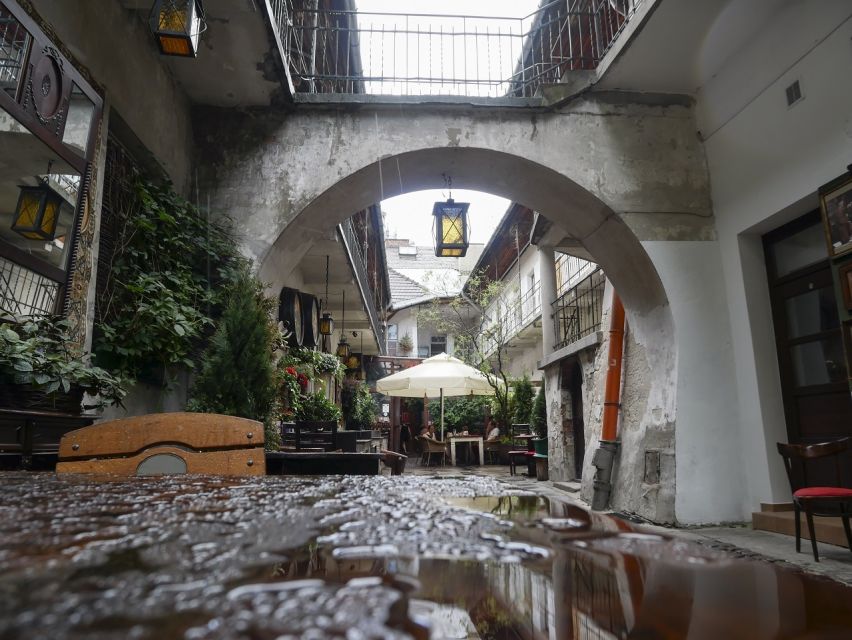
- Kazimierz from the 14th century to today: Follow the district’s story through separation, assimilation, wartime destruction, and renewal.
- Old Synagogue meeting point: Meet your guide on the steps, looking for a sign with the local partner’s name.
- Synagogues and cemeteries: See surviving Jewish institutions and learn how they fit into the former community.
- Modern cafes and art spaces: Get a look at Kazimierz as it functions today, not only as a memorial to the past.
- Schindler’s Factory Museum: Visit the modern exhibition with an included entry ticket and skip the ticket line.
- A long walking route: Plan for roughly 5 to 6 kilometers and wear comfortable shoes.
Starting at the Old Synagogue in Kazimierz
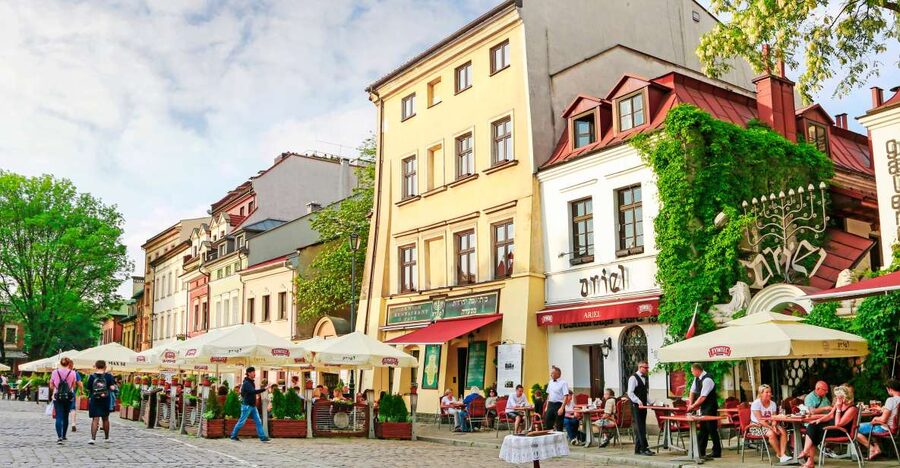
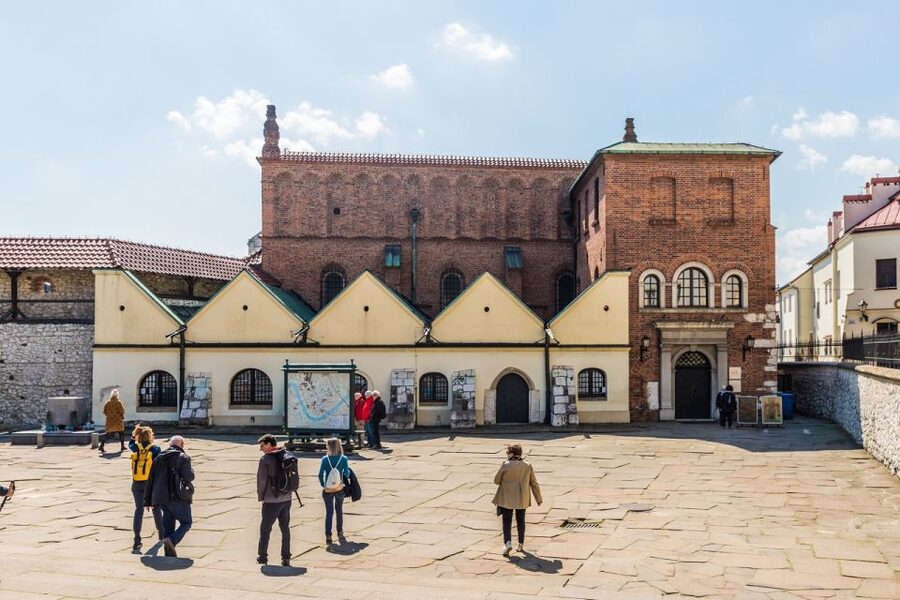
Your meeting point is the steps of the Old Synagogue, one of the most useful places in Krakow to begin learning about Kazimierz. Look for the guide holding a sign with the local partner’s name. Since the tour begins outdoors, arrive ready to walk rather than expecting a quick museum visit.
Kazimierz was established in the 14th century and developed as a distinct Jewish center beside Krakow. The tour follows that long arc instead of jumping straight to the Second World War. That matters because the later tragedy is easier to understand when you first see how Jewish life was organized, protected, and shaped over many centuries.
I like this starting point because the neighborhood itself supplies the setting. You are not only hearing about synagogues and cemeteries in a classroom. You are standing among them, with the old streets and surviving buildings around you. The guide can explain how the first Jewish settlements lived in a more closed community, then how life changed during the 19th century as assimilation increased.
The exact route through Kazimierz can vary, and the information provided does not specify every stop. You should expect a walking tour focused on traditional Jewish institutions, historic sites, and the changing character of the district. It is a better fit for someone who wants context than for someone seeking only a quick photo stop.
More Schindlers Factory Tours in Krakow:
- Krakow: Oskar Schindler’s Factory Entry Ticket & Guided Tour
★ 4.2 · 3,793 reviews - Krakow: Schindler’s Factory Tour with Entrance Ticket
★ 4.5 · 3,182 reviews - Krakow: Schindler’s Factory Skip-the-Line Ticket
★ 4.4 · 3,105 reviews
Reading the district through its synagogues and cemeteries
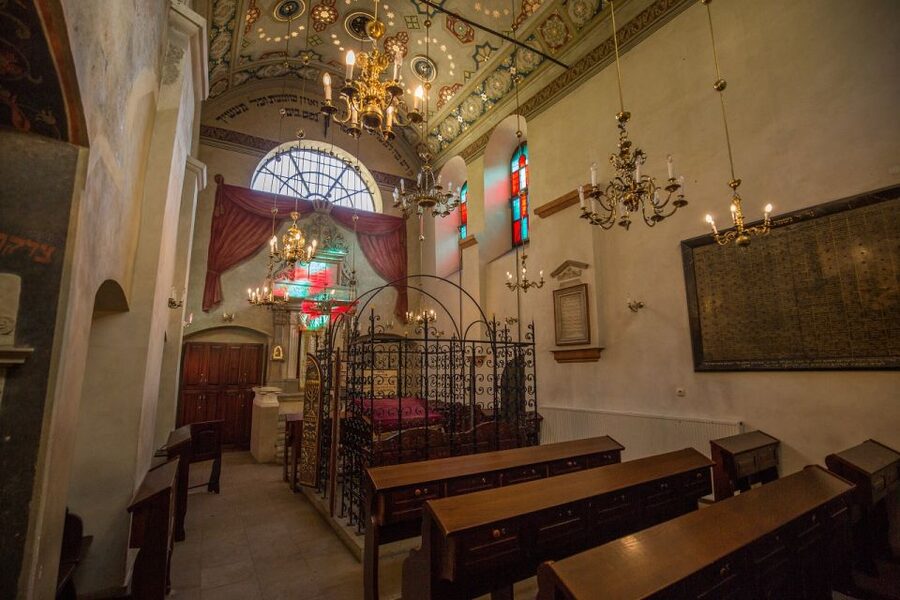
Kazimierz’s synagogues and old cemeteries are the heart of the first part of the tour. They point to the institutions that once supported daily religious and community life. Your guide explains what these places meant, how the district changed, and what happened to Jewish residents during the German occupation.
The value here is the connection between place and event. A synagogue is not simply an attractive old building. It helps you picture the community that gathered there, while a cemetery points to generations who lived in Krakow before the war. The tour’s subject is painful, but the early section gives you a fuller picture than a war-only visit can provide.
The district’s story includes three major shifts:
- Jewish life began in organized settlements with its own customs and institutions.
- The 19th century brought greater contact and assimilation.
- The Second World War brought persecution, deportation, and the destruction of Jewish life in Krakow.
Those stages help keep the past from becoming a flat story. You see that the community was not created by the war, and it did not simply disappear from history afterward. The tour also addresses Krakow’s Jewish population today through the district’s present-day character.
Do not expect every synagogue to function as a regular sightseeing interior. The supplied details promise views of synagogues and old cemeteries, but they do not confirm which interiors are entered. Treat this part as a guided neighborhood walk, with the outdoor setting doing much of the work.
From wartime memory to today’s cafe and art scene
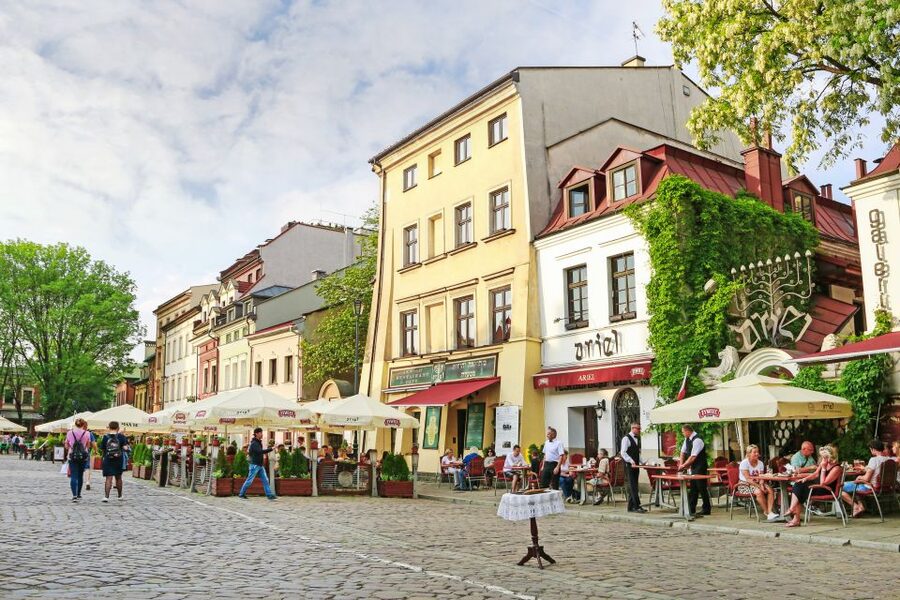
Kazimierz now has a social life that can surprise people who arrive expecting a quiet memorial district. Fashionable shops, cafes, and art spaces give the area a beatnik feel. I appreciate that the tour includes this modern side rather than treating Kazimierz as frozen in the past.
This portion is not a break from the history. It shows how a neighborhood can carry painful memories while also serving as a place to eat, meet friends, browse, and make art. You may find the contrast striking: old religious buildings and cemeteries sit near cafes and contemporary businesses.
The tour does not include food or drinks, so you will not be stopping for a meal as part of the price. That is a drawback if you hoped for a food walk, but it gives the guide more time to focus on the district’s story. You can plan a separate cafe visit afterward, when you are free to choose what suits you.
The walking distance is worth taking seriously. One person described covering 5 to 6 kilometers, which is a useful planning figure even though the exact route may change. Comfortable shoes are not optional for most people. The pace may include frequent pauses for explanations, but you will still spend much of the experience on foot.
Why Schindler’s Factory works better after Kazimierz
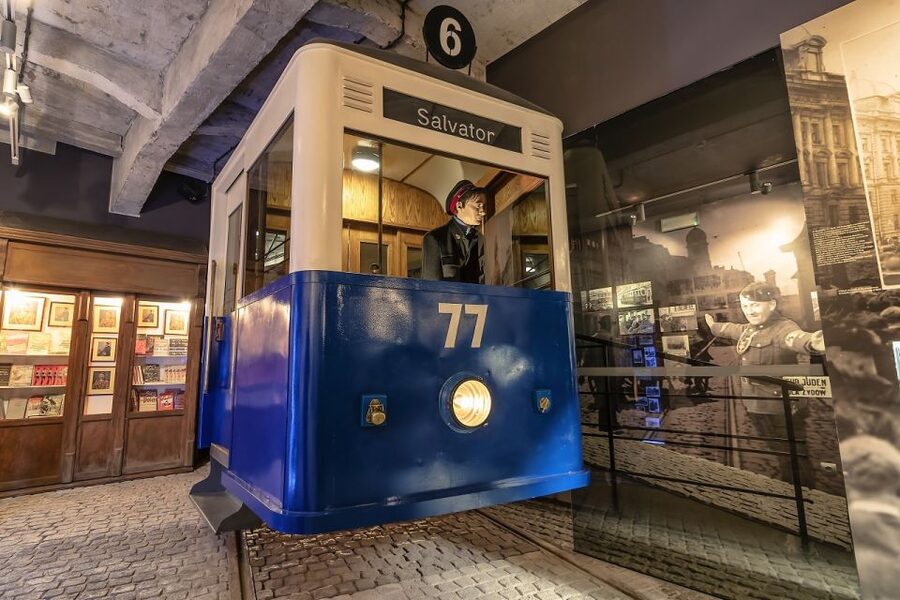
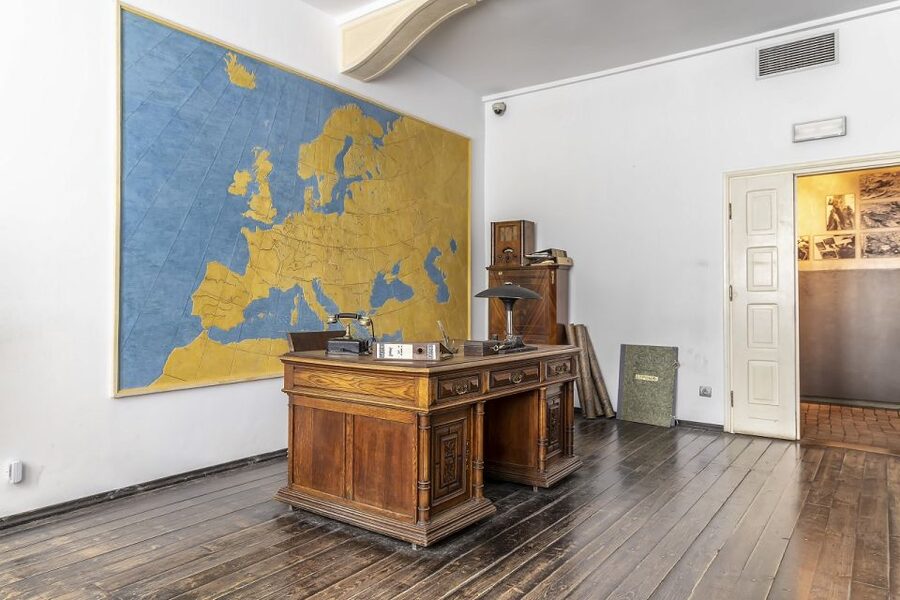
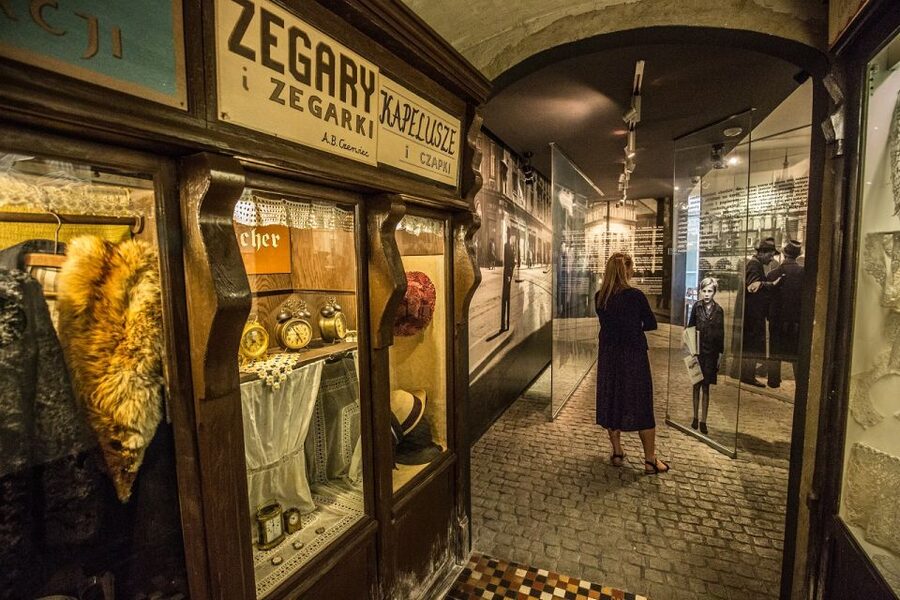
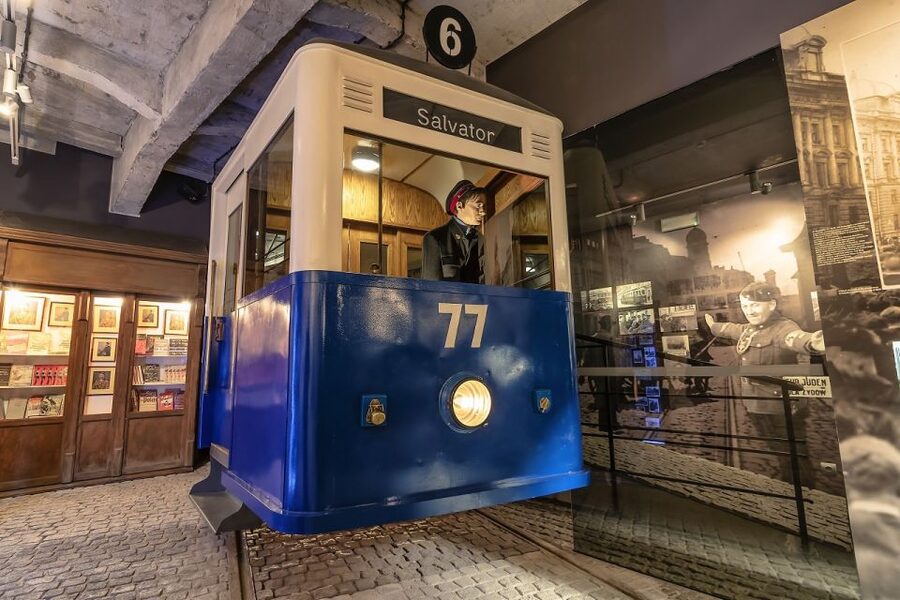
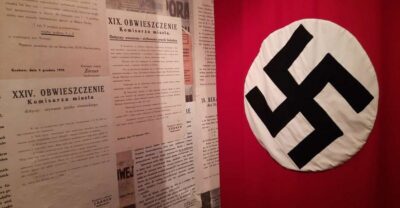
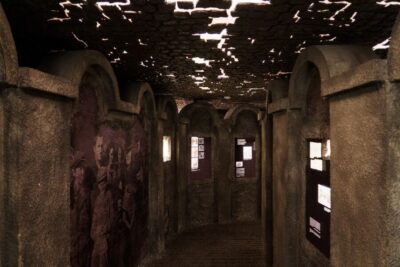
The second major part takes you to Schindler’s Factory Museum. The museum entry ticket is included, and the activity offers skip-the-ticket-line access. The museum visit gives you a more focused look at Krakow during the Second World War, including the fate of the city’s Jewish population.
The museum is described as having a modern exhibition. That wording matters. You should expect more than a preserved factory room or a simple display of objects. The exhibition is designed to tell the story of wartime Krakow and the people caught in Nazi persecution, using the factory and Oskar Schindler as an entry point.
Schindler was a German entrepreneur who worked to save many Jews. His story later inspired Steven Spielberg’s Oscar-winning film Schindler’s List. The tour can help separate the historical person from the film version, while also placing his actions within the much larger suffering experienced by Krakow’s Jewish community.
I like the order of this experience. If you visit the museum without first walking through Kazimierz, it can be tempting to focus only on Schindler. By beginning in the former Jewish quarter, you gain a wider frame. You see the community, its institutions, and its later destruction before entering an exhibition about wartime Krakow.
The museum section may feel emotionally heavy. This is not a light sightseeing stop, and the tour promises a serious look at persecution and loss. If you want only architecture or a cheerful neighborhood walk, this combination may be too intense. If you want a clear account of how the war affected Krakow’s Jews, the pairing is useful.
More Kazimierz Jewish Quarter Tours in Krakow:
- Krakow: Jewish Quarter and Former Ghetto Tour
★ 4.9 · 1,441 reviews - Krakow: Bike Tour of Old Town, Jewish Quarter and the Ghetto
★ 4.9 · 1,155 reviews - Krakow: Kazimierz Jewish Quarter Walking Tour
★ 4.8 · 571 reviews - Krakow: Kazimierz, Schindler’s Factory & Ghetto Guided Tour
★ 4.8 · 460 reviews
The guide makes the difference
A live guide is included, with tours offered in English, Spanish, French, German, and Italian. The strongest praise has focused on the guides’ ability to answer questions and give the subject enough time. One guide named Margaux was singled out for having the needed knowledge and explaining the material thoroughly. Filipe was also praised as a strong guide.
Those names may not be available for your particular departure, so do not book on the assumption that one specific person will lead your group. Still, the comments point to an important feature of this activity: the guide is not just there to escort you from one ticketed site to another.
That matters in Kazimierz, where buildings can look attractive without immediately revealing their significance. A guide can explain why a synagogue matters, how Jewish life changed over time, and how the district’s current cafes and art spaces relate to its past. At the museum, a guide can also help you follow the larger story instead of getting stuck on one famous individual.
The tour is available in five languages, but the supplied details do not identify the group size. You should therefore choose it for the live explanation and planned route, not because you expect a private tour.
Three and a half hours, with a useful balance
The advertised duration is 210 minutes. That is long enough to cover both a substantial neighborhood walk and the museum, but short enough to fit into a full day of sightseeing in Krakow.
You will need to manage your energy. The first portion requires outdoor walking, and the museum comes later. There is no included meal or drinks, so have water and food before or after the activity according to your own plans. The supplied information does not specify rest stops, so do not count on a scheduled cafe break.
The timing between Kazimierz and Schindler’s Factory is also worth noting. From January 1, 2026, museum scheduling can affect the exact timing. You may choose a preferred time when booking, but the precise museum time is not guaranteed. Build a little flexibility into the rest of your day rather than scheduling a tight appointment immediately afterward.
The museum uses personalized tickets. From January 1, 2026, you must provide the full names of all participants when reserving and bring a passport or ID for entry. Without those documents, entry may be denied. This is one of the most important practical details, especially if you are booking for a family or group.
Is the $69 price fair?
At $69 per person, this is not the cheapest way to walk around Kazimierz. You can explore the streets and view many exteriors on your own for little or no cost. The price becomes easier to justify if you value a guide who can connect the district’s long history with the Second World War and if you want the Schindler’s Factory entry arranged as part of the same experience.
You are paying for three things:
- A live, multilingual guide for 210 minutes
- A structured walk through Kazimierz
- Entry to Schindler’s Factory Museum, with skip-the-ticket-line access
The museum ticket is important to the value calculation. If you already plan to visit the museum and feel comfortable researching the district yourself, a self-guided day may cost less. But you would need to arrange the museum entry separately and create your own connection between the neighborhood and the exhibition.
I see this as a good middle option. It is more focused than a general Krakow city tour and less specialized than a private historian-led visit. The cost is most worthwhile for a first visit to Krakow, for anyone with limited time, or for anyone who wants the difficult history explained in clear order.
Who should book this Krakow tour?
I would recommend it to you if you want both the physical setting of Kazimierz and the museum story of wartime Krakow. It suits history-minded visitors, first-time visitors to Krakow, and people who prefer asking questions instead of reading every label alone.
It can also work well for families with older children, provided they are ready for serious subject matter and several hours of walking. The tour is not described as family-focused, so younger children may find the length and wartime content demanding.
You should think twice if you dislike guided groups, want a food-centered visit, or have trouble walking 5 to 6 kilometers. The experience includes cafes and shops as part of the modern neighborhood, but it does not include tastings or free time for shopping.
The language choice is a practical strength. English, Spanish, French, German, and Italian give you a better chance of following the explanations without relying on written translations. Just confirm your preferred language and departure time when you reserve.
Cancellation is flexible up to 24 hours in advance for a full refund, and you can reserve now and pay later. That helps if your Krakow schedule is still shifting, though the museum’s exact time can change because of its booking system.
Should you book it?
Book this tour if you want a guided, serious introduction to Jewish Krakow that links Kazimierz’s surviving institutions with Schindler’s Factory. The strongest reason to choose it is the sequence: neighborhood first, museum second. That order gives the famous factory story a wider human setting.
Skip it if you want a short stroll, a food tour, or a museum visit without several kilometers of walking. For most visitors who can handle the distance and the emotional subject, $69 is a reasonable price for the guide, structure, and included museum entry.
FAQ
Where does the tour meet?
Meet on the steps of the Old Synagogue in Krakow’s Kazimierz district. Your guide will hold a sign showing the local partner’s name.
How long does the tour last?
The advertised duration is 210 minutes, or three and a half hours.
What places does the tour visit?
The experience explores Kazimierz’s historic sites, synagogues, old cemeteries, modern cafes, shops, and art spaces, followed by a visit to Schindler’s Factory Museum.
Is entry to Schindler’s Factory included?
Yes. The guided tour includes an entry ticket to Oscar Schindler’s Factory.
Is food or drink included?
No. Food and drinks are not included in the activity price.
What languages are available?
Live guiding is available in Spanish, English, French, German, and Italian.
How much walking should I expect?
The route can cover about 5 to 6 kilometers. Good walking shoes are recommended.
Do I need identification for Schindler’s Factory?
From January 1, 2026, you must bring a passport or ID and provide the full names of all participants when booking. The museum may deny entry without these details and documents.
Can I cancel or pay later?
You can cancel up to 24 hours in advance for a full refund. You can also reserve your place and pay later.
Just added around Krakow
- Tour to Wadowice: Hometown of Pope Saint John Paul II★ 4.6 · 12 reviews
- The Jewish Quarter – Walking Tour★ 5.0 · 4 reviews
- From Kraków; to Białka Thermal Baths private tour★ 5.0 · 5 reviews
- St. Mary’s Basilica and more – a short walk with a guide★ 4.7 · 56 reviews
- Krakow: Auschwitz-Birkenau and Wieliczka Salt Mine Day Trip★ 4.7 · 84 reviews
- Krakow: Skip-the-Line Wawel Castle & Old Town Guided Tour★ 4.9 · 23 reviews
- Krakow: Schindler’s Factory Guided Tour★ 4.2 · 12 reviews
- Shooting Range Experience!★ 4.8 · 66 reviews
Schindlers Factory Tours, compared.
Oskar Schindler’s Factory Entry Ticket & Guided Tour
Read our review →
Schindler’s Factory Tour with Entrance Ticket
Read our review →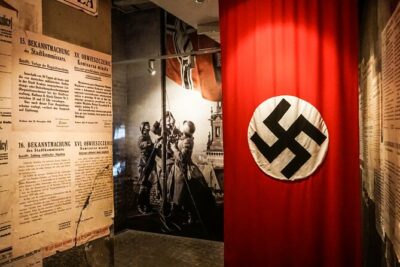
Schindler’s Factory in Krakow: Guided Tour & Skip the Line Ticket
Read our review →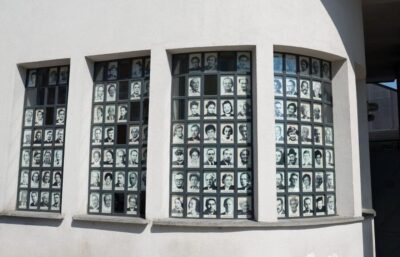
Schindler’s Factory Ticket with Guided Tour Option
Read our review →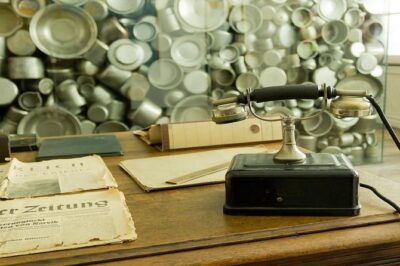
Krakow Schindler’s Factory Guided Tour with Admission Ticket
Read our review →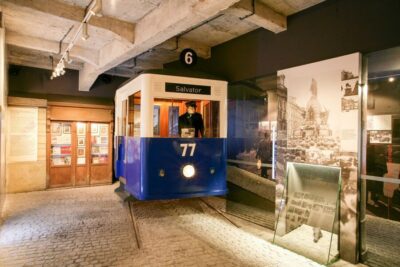
Schindler’s Factory Guided Tour with Entry Ticket
Read our review →Browse the lists this tour appears in