
Reviewed · SCHINDLERS FACTORY TOURS
Kraków Oskar Schindler’s Enamel Factory Museum skip the line tour
Oskar Schindler’s Enamel Factory tells two stories at once: the famous story of the German industrialist who saved more than 1,000 Jewish people, and the harder, wider story of Kraków under Nazi occupation. The factory’s wartime past inspired Schindler’s List, but the museum reaches beyond the film.
I like the skip-the-line admission, especially at a museum that can draw strong demand. I also like the small group size, capped at 10 people, which gives a guide room to explain objects instead of simply pointing you toward wall text. The main drawback is the short advertised duration of 1 hour 30 minutes. You may want more time with the exhibits than the tour allows.
- Schindler’s preserved office: See the room linked directly to his wartime work and the people he helped.
- A wider Kraków story: The museum covers Polish and Jewish daily life, not only Schindler himself.
- Licensed guide included: A guide adds context and connects displays that can be easy to miss on your own.
- Small group format: The maximum of 10 people should make it easier to hear and ask questions.
- Skip-the-line entry: Your museum ticket is included, so you avoid arranging admission separately.
- Central meeting point in Podgórze: Meet at Lipowa 4, then finish at the same location.
What Schindler’s Factory Really Tells You
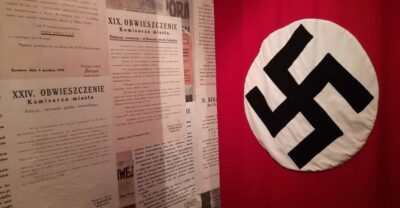
The first thing to understand is that this is not simply a museum about one heroic man. Oskar Schindler is central, but the exhibition places him within the wartime life of Kraków, where Polish and Jewish residents faced radically different dangers and choices.
That wider frame is the museum’s great strength. You get the personal scale of the period, including everyday life and private decisions, alongside the enormous events of World War II. The result is more useful than a film-only visit because it helps you see how occupation changed homes, work, families, and neighborhoods.
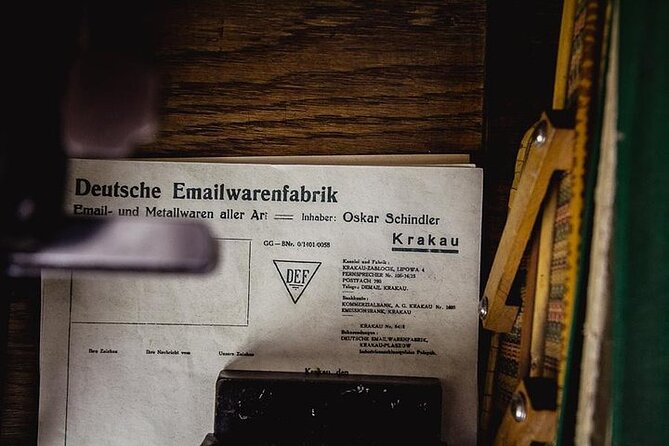
Schindler’s wartime business was Deutsche Emailwarenfabrik, often shortened to DEF. The factory produced enamelware, including pots, and Schindler employed Jewish workers during the war. His actions helped save more than 1,000 people, a story later brought to worldwide attention by Steven Spielberg’s 1993 film Schindler’s List.
The museum does not treat the film as the whole story. Instead, it gives you a place where the real factory, Schindler’s office, and the fate of Kraków’s Jewish population meet. That distinction matters if you have seen the movie and want something grounded in the actual site.
Meeting at Lipowa 4 in Kraków
The tour begins at Lipowa 4, 32-051 Kraków, Poland. You make your own way there, since private transportation is not included. The activity ends back at the same meeting point, which makes it easier to plan before or after a visit in the area.
The location is practical for anyone already exploring Kraków’s Podgórze district. You should allow enough time to reach the address and find the meeting point without rushing. Your confirmation arrives at booking, and the ticket is mobile, so keeping the booking details easy to access on your phone is sensible.
A guide waits for the group at the meeting point. One guide praised for this tour is Paul, who has led visitors through the museum with strong preparation and passion. You should not assume Paul will be assigned to every departure, but the experience is designed around a professional, licensed guide rather than an unguided museum entry.
More Schindlers Factory Tours in Krakow:
- Krakow: Oskar Schindler’s Factory Entry Ticket & Guided Tour
★ 4.2 · 3,793 reviews - Krakow: Schindler’s Factory Tour with Entrance Ticket
★ 4.5 · 3,182 reviews - Krakow: Schindler’s Factory Skip-the-Line Ticket
★ 4.4 · 3,105 reviews
Inside the Museum: From Factory to Wartime Kraków
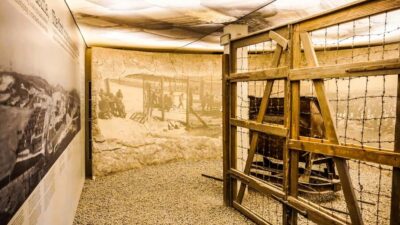
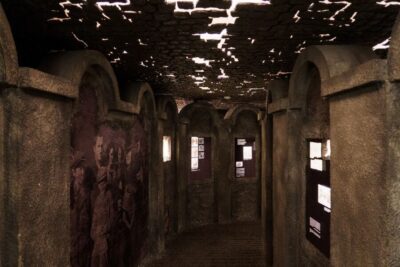
Once inside, the tour moves through the museum’s presentation of Kraków during World War II. The most useful part is the way the guide connects objects and displays to real life. Instead of treating each item as an isolated artifact, a good guide explains what it tells you about the people who lived through the occupation.
This is especially valuable in a museum with a serious subject and a great deal to absorb. Wall text can give you dates and names, but a guide can point out why a particular object matters, clarify the relationship between the factory and the city, and link Schindler’s work to the lives of his employees.
You will encounter the stories of both Polish and Jewish residents. That balance is important. The museum is not only about the people Schindler protected. It also presents the wider pressures placed on Kraków’s population and the private tragedies that unfolded behind the headline events.
The exhibition connects public history with ordinary routines. World War II can feel distant when reduced to armies and political leaders. Here, the focus on homes, workplaces, families, and personal choices brings the period closer to human scale.
Oskar Schindler’s Office and the Ark of Survivors
One of the most meaningful points is Schindler’s preserved office in the factory’s administrative building. This is the physical place most closely tied to his role as a factory owner and protector of Jewish workers.
The office is not presented as a grand monument. Its value comes from its connection to decisions made during an exceptionally dangerous period. You are standing in the part of the building where Schindler’s wartime work is recalled, rather than viewing only a recreated film set or a general memorial.
The office also contains a symbolic ark of survivors. It is made from thousands of pots resembling those produced by Schindler’s employees during the war. This detail gives the factory’s industrial past a human focus. Pots are ordinary objects, yet here they represent the workers and the survival story tied to the factory.
I find that kind of detail more effective than a room filled only with labels. It links manufacturing, employment, and rescue in one image. Your guide can give the display context and help you understand why it matters.
Why a Guide Changes the Visit
You can visit a museum alone, but this particular experience gains much of its value from interpretation. The tour is not just a fast escort to the main room. The guide is expected to explain the material, add background, and help you follow the complicated relationship between Schindler, his employees, and wartime Kraków.
Paul, in particular, has been praised for explaining the objects rather than reading the printed text aloud. That difference is worth paying for. A guide who simply repeats labels adds little. A guide who links one display to another helps you form a clearer picture of the period.
The small group limit also matters. With no more than 10 people, you have a better chance of hearing the explanation and asking a question. It is not a private tour, but it should feel more personal than a large group moving through the museum.
One useful feature is the opportunity to pause for photographs. The tour is still limited by time and museum rules, so you should not expect unlimited photography or long stops at every display. Still, the guide has allowed time for photographs while keeping the storytelling moving.
The strongest element is the guide’s ability to add human detail. The museum covers serious, complicated material. Someone who can explain it in plain language helps you leave with an understanding of the city, not just a collection of facts.
A few more Krakow trips to weigh up
- Auschwitz-Birkenau Museum and Memorial Guided Tour from Krakow
★ 4.5 · 1,510 reviews - Krakow: Rynek Underground Museum Guided Tour
★ 4.6 · 1,122 reviews - Krakow Schindler’s Factory Museum Guided Tour in English
★ 4.5 · 650 reviews - Krakow: Auschwitz Birkenau Museum Guided Tour with Pickup
★ 3.6 · 544 reviews
The 90-Minute Pace
The advertised duration is about 1 hour 30 minutes. That is enough for a focused guided visit, but it is not a leisurely half-day museum session.
I would think of the tour as a structured introduction. You will get the main story, see the important spaces, and hear context that would be hard to assemble alone. If you want to read every panel, study every object, or revisit sections quietly, you may need more time than the guided portion provides.
The pace may also depend on the group. A small group can move efficiently, but questions and photographs can add time. One guided visit has lasted closer to two hours, so the advertised 90 minutes should be treated as an approximate plan rather than a promise that you will be out at an exact minute.
That flexibility can be a benefit if you want thoughtful explanations. It can be a problem if you have a tightly timed reservation immediately afterward. Leave some breathing room in your schedule.
Is $46.34 a Fair Price?
At $46.34 per person, this is more expensive than simply arranging a museum visit on your own. The price includes admission, a professional licensed guide, and skip-the-line access. It does not include private transportation, coffee, or tea.
The value depends on what you want from the museum. If your aim is only to enter the building and read at your own pace, the guided fee may feel high. If you want the history explained clearly and prefer not to wait in an admission line, the price is easier to justify.
The strongest financial argument is the guide. You are paying for interpretation, not only a ticket. The museum covers a painful and complicated subject, and the guide can help you understand how the displays fit together. The small maximum of 10 also gives the experience more value than a crowded group tour.
Skip-the-line access adds practical value, though its importance depends on demand on your chosen date. Since the ticket is already included, you do not need to arrange a separate museum purchase. That makes the booking simpler.
For couples, families, or first-time visitors who want a clear introduction to Kraków’s wartime story, the price can be reasonable. For repeat visitors or people who prefer independent museum visits, it may be less appealing.
Who Will Get the Most From This Tour?
This experience suits you if you have seen Schindler’s List and want to understand the real setting behind the film. It also works well if you know little about Kraków during World War II and want a structured explanation rather than a pile of dates.
I would recommend it to anyone who values storytelling and historical context. The guide’s role is especially useful for readers who find museums harder to follow without someone explaining the connections between objects, people, and events.
The tour is also a practical choice for a short Kraków visit. Ninety minutes gives you a focused cultural stop without taking up most of your day. The small group format should suit couples, families, and solo visitors who want the chance to ask questions.
You should think twice if you dislike guided pacing or need a quiet, self-directed visit. The museum’s material is serious, and the tour focuses on wartime suffering, Jewish persecution, rescue, and loss. This is not a light sightseeing stop.
Most people can participate, and the activity is near public transportation. The available information does not give detailed accessibility notes, so you should confirm any specific access needs before booking.
Booking, Timing, and Cancellation
You can expect booking confirmation at the time of purchase, and the mobile ticket makes it easy to carry the details on your phone. The group is limited to 10 people, but the experience is not described as private transportation or a private museum visit.
The tour begins and ends at Lipowa 4. Since you arrange your own transport, check your route in advance and allow time to arrive before the start.
Free cancellation is available if you cancel at least 24 hours before the experience begins. Cancellations made less than 24 hours before the start are not refunded, and changes inside that period are not accepted. The cut-off follows local Kraków time.
Should You Book It?
Book this tour if you want the factory explained by a licensed guide, especially if the story of Schindler and Kraków’s Jewish population is a major reason for your visit. The included admission, skip-the-line entry, and small group size make the package practical, while Paul’s reported approach shows the benefit of a guide who explains rather than reads.
Skip it if you mainly want to wander alone or are watching every dollar. At $46.34, you are paying for guided context as much as museum entry. For most first-time visitors seeking a focused and meaningful visit, that added explanation is the point.
FAQ
Where does the tour start?
The tour starts at Lipowa 4, 32-051 Kraków, Poland.
Where does the tour end?
The activity ends back at the meeting point at Lipowa 4.
How long does the tour last?
The advertised duration is approximately 1 hour 30 minutes.
Is museum admission included?
Yes. The ticket to the museum is included in the tour price.
Does the tour include skip-the-line access?
Yes. Skip-the-line museum entry is included.
Is transportation included?
No. Private transportation is not included, so you make your own way to the meeting point.
Is the ticket mobile?
Yes. The experience provides a mobile ticket.
How large is the group?
The activity has a maximum of 10 participants.
Is coffee or tea included?
No. Coffee and tea are not included.
Can I cancel for a full refund?
Yes, if you cancel at least 24 hours before the experience start time. Cancellations made less than 24 hours before the start are not refunded.
More Skip the Line in Krakow
- From Krakow: Wieliczka Salt Mine Tour & Skip the Line Ticket
★ 4.4 · 3,925 reviews - Schindler’s Factory in Krakow: Guided Tour & Skip the Line Ticket
★ 4.5 · 1,714 reviews - Auschwitz-Birkenau: Skip-the-Line Ticket and Guided Tour
★ 4.2 · 1,034 reviews - Auschwitz Birkenau Guided Tour/Skip The Line/PickUp/Guide ENG
★ 4.5 · 930 reviews
Just added around Krakow
- From Krakow: Zakopane and Dunajec River Rafting Tour★ 4.6 · 31 reviews
- From Krakow: Zakopane and Gubałówka Cable Car Private Tour★ 4.3 · 12 reviews
- From Krakow: Zakopane Full-Day Tour with Lunch Option★ 4.4 · 62 reviews
- From Krakow: Zalipie and Painted Village Guided Tour★ 4.0 · 4 reviews
- From Krakow: Zakopane Tatra Mountains & Hot Springs Tour★ 3.0 · 29 reviews
- From Krakow: Zakopane and the Tatra Mountains★ 4.7 · 36 reviews
- From Krakow: Hot Springs and Zakopane with Gubałówka★ 4.7 · 25 reviews
- Zakopane & Tatra Mountains Private Full-Day Tour from Krakow★ 4.5 · 33 reviews
Schindlers Factory Tours, compared.
Oskar Schindler’s Factory Entry Ticket & Guided Tour
Read our review →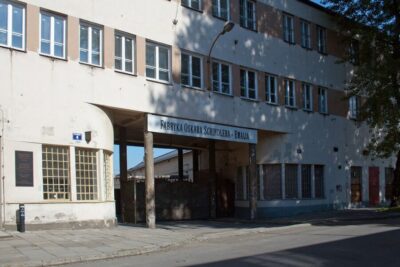
Schindler’s Factory Tour with Entrance Ticket
Read our review →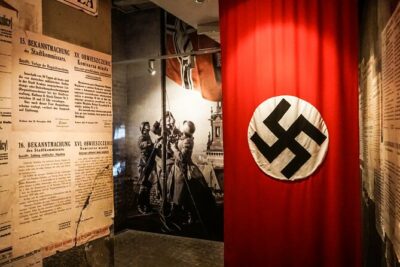
Schindler’s Factory in Krakow: Guided Tour & Skip the Line Ticket
Read our review →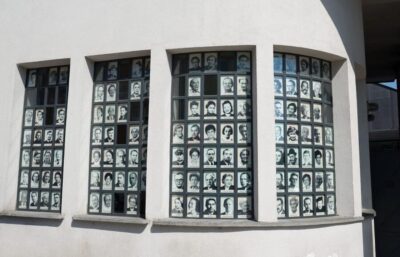
Schindler’s Factory Ticket with Guided Tour Option
Read our review →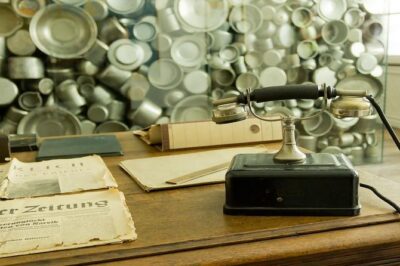
Krakow Schindler’s Factory Guided Tour with Admission Ticket
Read our review →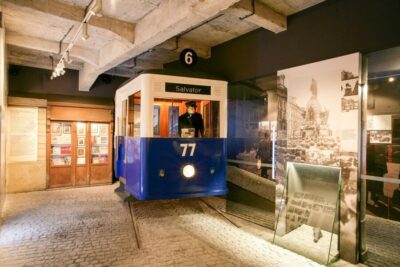
Schindler’s Factory Guided Tour with Entry Ticket
Read our review →Browse the lists this tour appears in