
Reviewed · SCHINDLERS FACTORY TOURS
Krakow: Schindler’s Factory & Ghetto Guided Tour
The most powerful part of this tour is the link between Schindler’s Factory Museum and the streets of Podgórze, where Krakow’s Jewish population was forced to live during the Nazi occupation. You do not just see a museum display. You also walk through the setting where that story unfolded.
I like the chronological museum layout, which helps you follow the chain of events without getting lost. I also like the walking route’s specific reminders of the ghetto, especially the surviving wall fragments, Pod Orłem Pharmacy, and the 68 empty chairs at Heroes’ Square. The main consideration is emotional weight: this is a serious history tour, not a light city stroll.
Key points to know before booking
- The museum and neighborhood are paired: You first study the occupation inside Schindler’s Factory, then see related sites in Podgórze.
- The 68-chair monument is a major stop: The Empty Chair Monument recalls the Jewish residents driven from their homes.
- Guides add real value: Hannah, Helen, and Helena have been praised for clear explanations, personal anecdotes, and engaging delivery.
- Headphones may help you follow along: A headphone system has been used to relay commentary during the walk.
- The price includes the museum ticket: At $58 per person, you are paying for admission, a three-hour guided experience, and a professional guide.
- Bring identification: From January 1, 2026, Schindler’s Factory requires full participant names at booking and a passport or ID at entry.
Why Schindler’s Factory matters
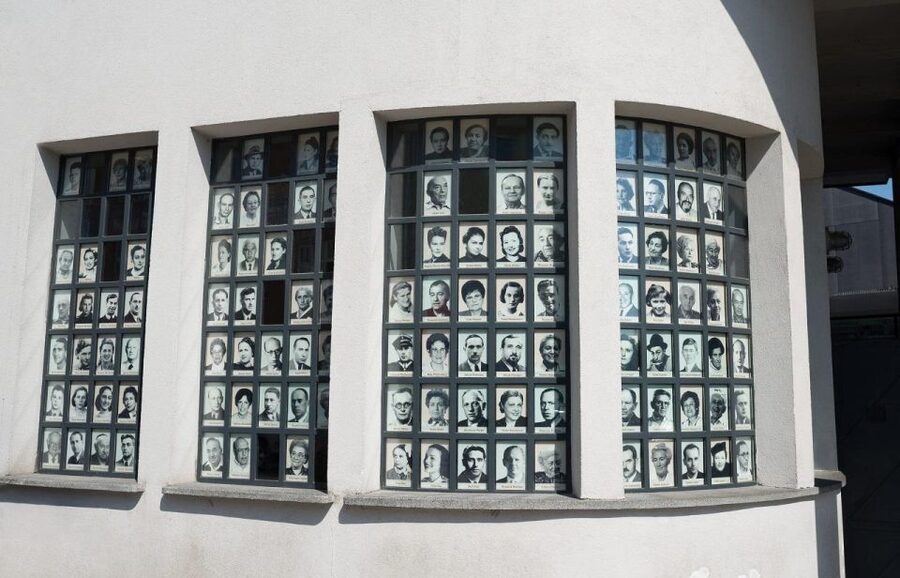
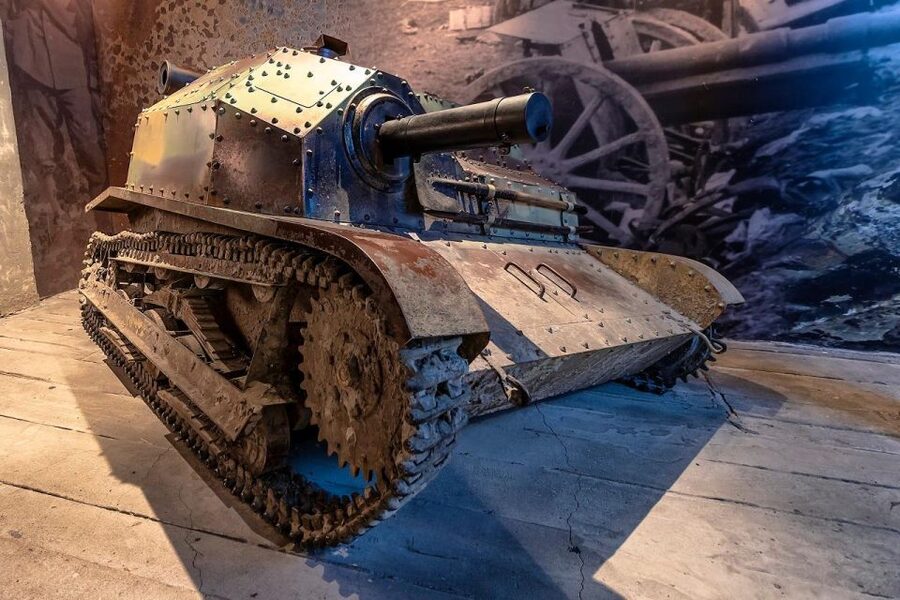
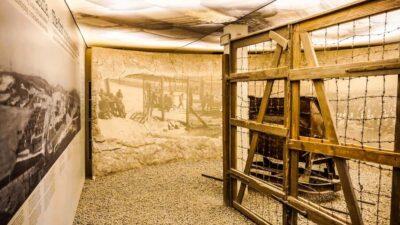
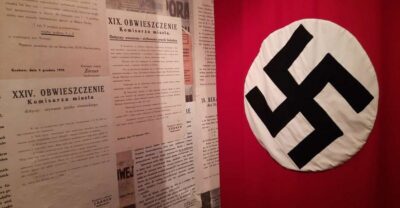
Schindler’s Factory Museum is not simply a museum about one German businessman. Its main exhibition, Krakow Under Nazi Occupation, places Oskar Schindler’s actions within the wider story of Krakow from the outbreak of World War II through the occupation and its brutal treatment of Jewish residents.
That context matters. Schindler is widely known because of the story of his efforts to protect Jewish workers, but the museum also shows the machinery of persecution around him. You learn about daily life under Nazi rule, the forced removal of people from their homes, and the events that made Schindler’s intervention so significant.
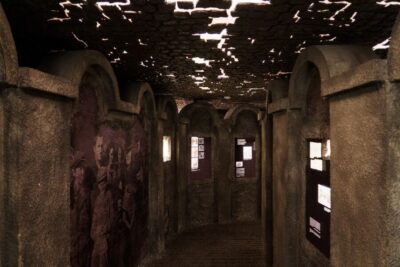
I particularly like the museum’s chronological approach. Instead of presenting isolated facts, it helps you follow how one stage led to another. That makes the subject easier to understand, though not easier emotionally. The exhibition deals with displacement, fear, violence, and mass murder, so give yourself time afterward if you need a quiet break.
The museum is the indoor portion of the experience, and your ticket is included in the tour price. A guide leads you through it rather than leaving you to work out the meaning of each room alone. That is useful here because the story depends on sequence and context.
Several guides have received especially strong praise for their delivery. Hannah has been described as highly informed, with a headphone system that made it easier to hear the commentary. Helen has been noted for personal anecdotes and a clear explanation of the events. Helena has also been praised for an engaging and passionate style. Guides are subject to availability, so you should not book expecting one specific person unless the operator confirms it.
More Schindlers Factory Tours in Krakow:
- Krakow: Oskar Schindler’s Factory Entry Ticket & Guided Tour
★ 4.2 · 3,793 reviews - Krakow: Schindler’s Factory Tour with Entrance Ticket
★ 4.5 · 3,182 reviews - Krakow: Schindler’s Factory Skip-the-Line Ticket
★ 4.4 · 3,105 reviews
Following the story in chronological order
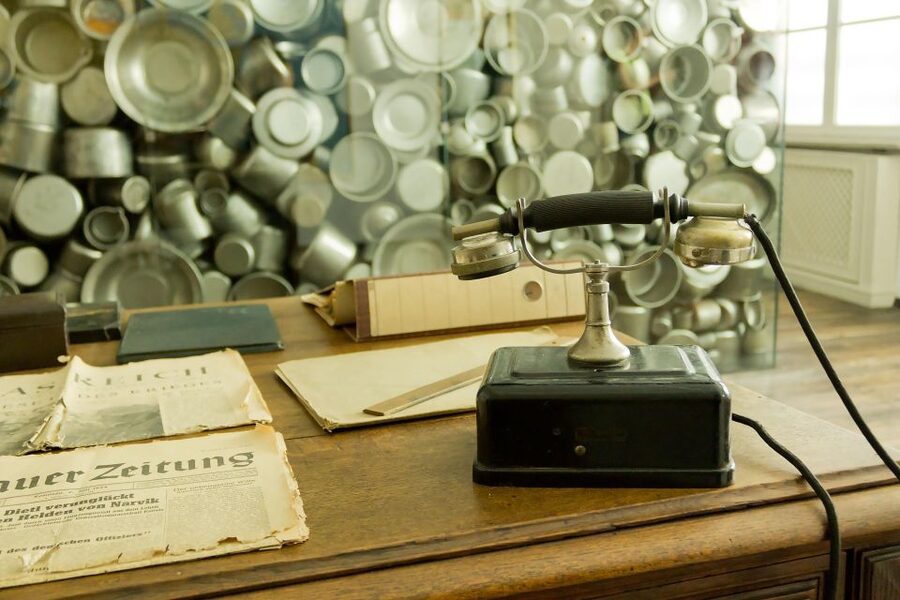
The exhibition’s order gives the visit a clear path. You begin with Krakow under Nazi occupation and move through the changing conditions faced by the city’s Jewish population. The museum’s structure helps you see how official policies became increasingly harsh and how ordinary life was reshaped by force.
This is one reason a guide is useful. A display can show an object, photograph, or document, but a guide can explain how it fits into the larger chain of events. A strong guide also helps separate Schindler’s personal story from the much larger tragedy surrounding it.
The tour is not just a biography of a wartime industrialist. That is important to understand before you go. The exhibition uses Schindler as an entry point into the occupation of Krakow, so you should expect a broad history of the period rather than a narrow portrait of one man.
The museum visit also gives you a basis for understanding the outdoor walk. After seeing the history presented indoors, you can recognize why the streets, walls, pharmacy, and square matter. Without that background, the neighborhood stops might feel like disconnected points on a map.
Walking through Podgórze’s former ghetto
After the museum, the tour moves outside into Podgórze. This district is where the physical remains of the ghetto story become easier to grasp. The route connects buildings and public spaces to the people who were forced to live there during the occupation.
You will see sections of the ghetto wall that still survive. These fragments are especially effective because they make forced separation physical. A wall is easier to understand than a paragraph in a book: it shows how people were confined, divided from the rest of the city, and stripped of normal freedom.
The walk also points out dwellings where thousands of displaced Jews once lived. The significance is not in architectural beauty. It is in the gap between what the buildings look like now and what they represented during the war. A quiet street can carry a grim past, and a guide helps you notice that difference.
You should expect the outdoor portion to be reflective rather than entertaining. The guide’s role is to explain what happened in these places and help you picture daily life under occupation without turning the suffering into a spectacle.
The tour lasts three hours in total, combining the museum and walking route. That is enough time for a meaningful introduction, but not enough for every detail of Krakow’s wartime history. If you already have a strong background in the subject, you may want a more specialized experience. For most first-time visitors, the balance is sensible.
Pod Orłem Pharmacy and the human scale of history
The historic Pod Orłem Pharmacy is one of the most important stops on the walk. It connects the broad story of the ghetto to the people who lived through it.
The pharmacy is remembered as a place linked to Jewish residents during the occupation. Seeing it as part of a guided route gives you a better sense of how ordinary businesses and familiar neighborhood spaces became part of an extraordinary and dangerous period.
This stop is valuable because it shifts attention away from military events and official decisions. You are looking at a place tied to daily life, medicine, fear, and survival. That human scale is one of the tour’s strengths.
The available information does not specify how long the group spends inside or around the pharmacy, so expect it as one stop within the walking route rather than a separate, lengthy museum visit. The main museum ticket is included, but food, drinks, hotel pickup, and hotel drop-off are not.
More Jewish Ghetto Tours in Krakow:
- Krakow: Schindler’s Factory & Ghetto Guided Tour
★ 4.7 · 1,694 reviews - Krakow: Jewish Quarter and Former Ghetto Tour
★ 4.9 · 1,441 reviews - Krakow: Bike Tour of Old Town, Jewish Quarter and the Ghetto
★ 4.9 · 1,155 reviews - Krakow: Kazimierz, Schindler’s Factory & Ghetto Guided Tour
★ 4.8 · 460 reviews
The Empty Chair Monument at Heroes’ Square
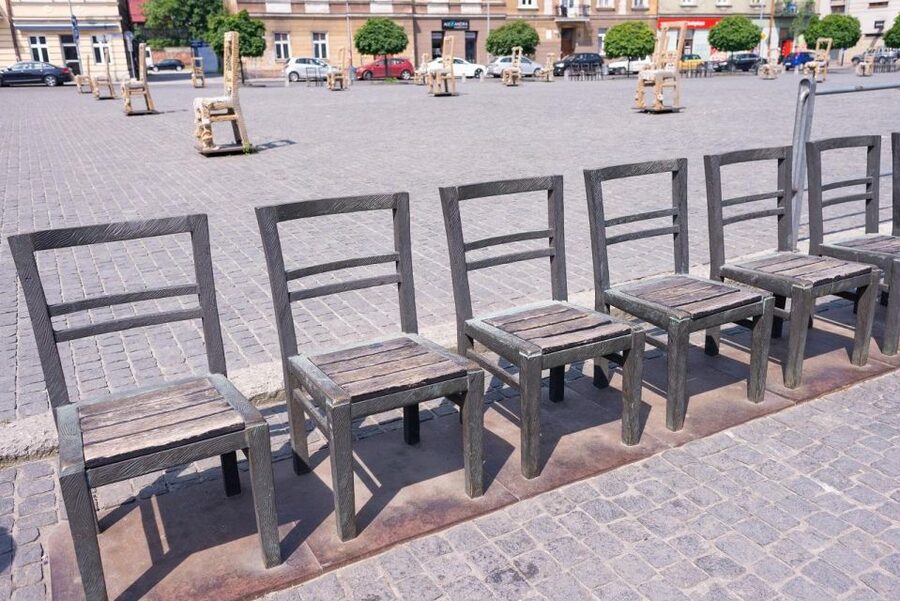
The walk includes the Empty Chair Monument at Heroes’ Square, a memorial made up of 68 chairs. The chairs symbolize the Jewish residents who were forced from the ghetto and whose homes and lives were left behind.
It is a simple idea, but the effect is strong. An empty chair suggests someone who should be present but is not. Seeing dozens of them together gives the memorial a clear sense of absence without needing a long explanation.
This is likely to be one of the most memorable moments of the tour. It turns a huge historical crime into something you can take in at a glance. The monument also gives the outdoor route a natural pause after the museum’s denser material.
You may find the square busy or quiet depending on the time of day, but the memorial itself remains easy to understand. Listen closely to the guide here, since the symbolism and local context are central to why this stop was included.
The value of a live guide
A professional guide is the main reason to choose this experience instead of visiting the museum alone. The best guides do more than recite dates. They show how the museum, streets, and memorials fit together.
The strongest feedback has focused on clear explanations, personal anecdotes, passion, and the ability to make the past easier to picture. Helen, Hannah, and Helena have all been praised for these qualities on different tours. That suggests the operator has access to guides who can handle difficult material with care, though the exact guide for your departure may differ.
The headphone system is another practical benefit. On a walking tour, groups can spread out, and city noise can make quiet commentary hard to hear. Headphones let you keep moving while still following the guide. This matters most when the group is large or the streets are noisy.
The tour is offered in English, German, Italian, French, and Spanish. Select your language carefully when booking, and check the available starting time. The exact schedule is linked to museum operations, and from January 1, 2026, the advertised time is approximate rather than guaranteed.
Is $58 a fair price?
At $58 per person, this is not the cheapest way to spend three hours in Krakow. It is also more than the cost of a museum ticket alone. The value depends on how much help you want with context and logistics.
The price includes admission to Schindler’s Factory, a walking tour of Podgórze, and a professional guide. You are paying for two connected experiences rather than a single indoor visit. If you would otherwise buy a museum ticket and arrange a separate neighborhood walk, the combined price becomes easier to justify.
I think the price is most reasonable for a first visit to Krakow, especially if you want the history explained in plain language. The chronological museum route can be hard to process without context, and the outdoor stops mean more when someone explains their connection to the occupation.
The value is less clear if you prefer to read every display at your own pace or already know the history well. A guided visit moves at the group’s pace, and three hours can feel short if you want extended time with every exhibit.
No food or drinks are included, and there is no hotel pickup or drop-off. You need to reach the meeting point yourself, in front of the main entrance to Schindler’s Factory Museum, where you should look for the excursions.city sign.
Who should book this Krakow tour?
I would recommend this tour to you if you want a focused introduction to Krakow’s wartime history and prefer to connect museum exhibits with real places. It suits adults, older children, students, and anyone who wants more than a quick look at Schindler’s name.
It is also a good choice if you value a guide who can answer questions and explain difficult material as you go. The feedback about Hannah, Helen, and Helena suggests that guide quality can make a major difference here.
You may want to skip it if you are looking for a relaxed sightseeing walk, a food-focused outing, or a general introduction to Krakow’s main attractions. This route stays focused on Nazi occupation, the Jewish ghetto, Schindler, and the human cost of the war.
The subject is painful, and the tour does not soften it. That is part of its value, but you should plan the rest of your day with enough space to process what you have seen.
Booking details worth noting
You meet the guide at the main entrance to Schindler’s Factory Museum. Hotel transfers are not included, so plan your own way to the museum.
The activity takes three hours, though starting times depend on museum availability. You can choose a preferred time, but from January 1, 2026, the exact time may change.
The museum uses personalized tickets. From that date, you must provide the full names of everyone in your party when booking and bring a passport or ID for entry. Without those details and documents, admission may be refused.
You can cancel up to 24 hours before the activity for a full refund. A reserve-now, pay-later option is also available, which helps if your Krakow plans are still moving around.
Should you book it?
Book this tour if you want the museum and Podgórze to make sense as one story. The combination of a chronological exhibition, surviving ghetto remains, Pod Orłem Pharmacy, and the 68-chair memorial gives you a stronger understanding than either a museum visit or a neighborhood walk alone.
At $58, the tour asks you to pay for guidance as well as admission. For a first visit, I think that is a fair trade, especially if you choose a language you understand well and arrive prepared with identification. Just go in knowing that the subject is heavy and the experience is built for reflection, not casual sightseeing.
FAQ
How long does the Schindler’s Factory and Ghetto Guided Tour last?
The tour lasts three hours and includes the museum visit and walking tour in Podgórze.
What does the $58 price include?
The price includes admission to Schindler’s Factory Museum, the walking tour, and a professional guide.
Where does the tour meet?
The guide meets you in front of the main entrance to Schindler’s Factory Museum. Look for the excursions.city sign.
Is hotel pickup included?
No. Hotel pickup and drop-off are not included, so you must make your own way to the meeting point.
What languages are available?
The live guide service is available in English, German, Italian, French, and Spanish.
Do I need to bring a passport or ID?
From January 1, 2026, you must bring a passport or ID for entry to Schindler’s Factory Museum. You must also provide the full names of all participants when booking.
Can I cancel the tour?
Yes. You can cancel up to 24 hours in advance for a full refund.
Can I reserve now and pay later?
Yes. A reserve-now, pay-later option is available, allowing you to hold a place without paying at the time of booking.
Just added around Krakow
- Tour to Wadowice: Hometown of Pope Saint John Paul II★ 4.6 · 12 reviews
- The Jewish Quarter – Walking Tour★ 5.0 · 4 reviews
- From Kraków; to Białka Thermal Baths private tour★ 5.0 · 5 reviews
- St. Mary’s Basilica and more – a short walk with a guide★ 4.7 · 56 reviews
- Krakow: Auschwitz-Birkenau and Wieliczka Salt Mine Day Trip★ 4.7 · 84 reviews
- Krakow: Skip-the-Line Wawel Castle & Old Town Guided Tour★ 4.9 · 23 reviews
- Krakow: Schindler’s Factory Guided Tour★ 4.2 · 12 reviews
- Shooting Range Experience!★ 4.8 · 66 reviews
Schindlers Factory Tours, compared.
Oskar Schindler’s Factory Entry Ticket & Guided Tour
Read our review →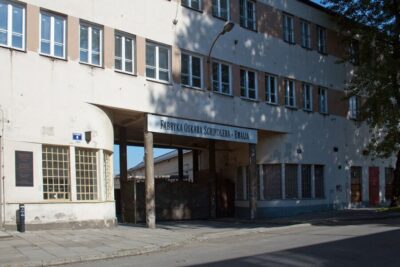
Schindler’s Factory Tour with Entrance Ticket
Read our review →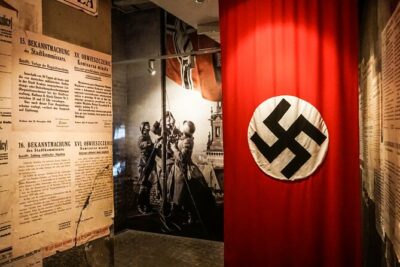
Schindler’s Factory in Krakow: Guided Tour & Skip the Line Ticket
Read our review →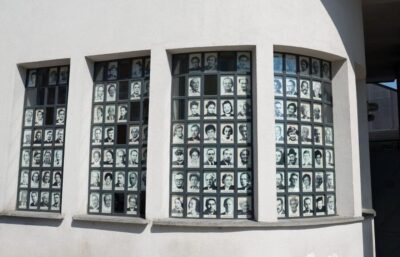
Schindler’s Factory Ticket with Guided Tour Option
Read our review →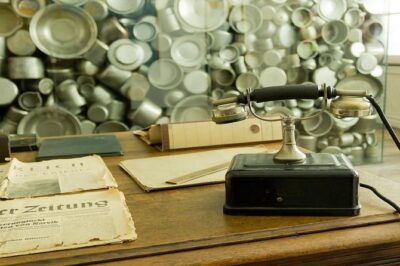
Krakow Schindler’s Factory Guided Tour with Admission Ticket
Read our review →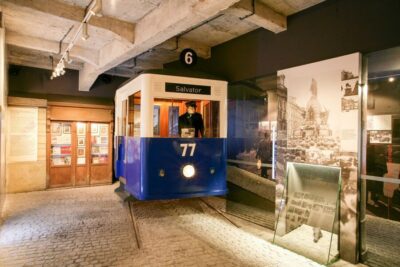
Schindler’s Factory Guided Tour with Entry Ticket
Read our review →Browse the lists this tour appears in