
Reviewed · SCHINDLERS FACTORY TOURS
Krakow: Schindler’s Factory Guided Tour with Ticket
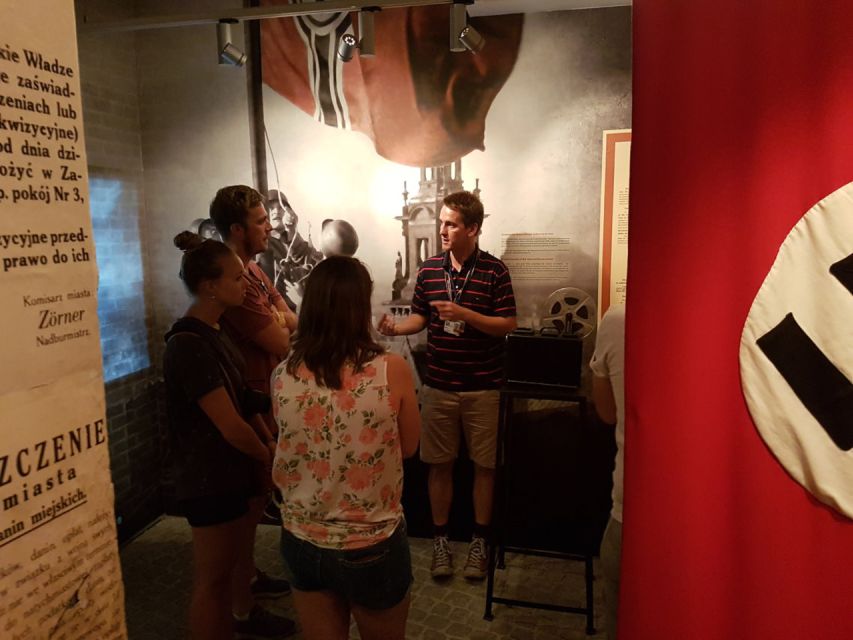
Schindler’s Factory is not simply a museum about one heroic industrialist. It is a carefully built account of Krakow under Nazi occupation, with Oskar Schindler’s story woven through it. I like the way the tour explains daily life, propaganda, forced removal, and resistance before asking you to judge Schindler himself. I also like the small-group feel reported on several departures, where guides such as Victoria, Max, Lucy, and Jacob had time for questions and extra explanation.
The main thing to understand before booking is that only part of the museum focuses directly on Schindler. If you expect a full 90-minute biography of the man from Schindler’s List, you may be surprised. The subject is painful, and one guide was praised for compassion while another visitor found the pace and accent occasionally hard to follow, so the quality of the experience depends partly on your guide.
Key points to know before you book
- The museum is mainly about occupied Krakow, not only Oskar Schindler and his enamelware business.
- The original office is one of the tour’s key Schindler stops, along with accounts of Jewish people he saved.
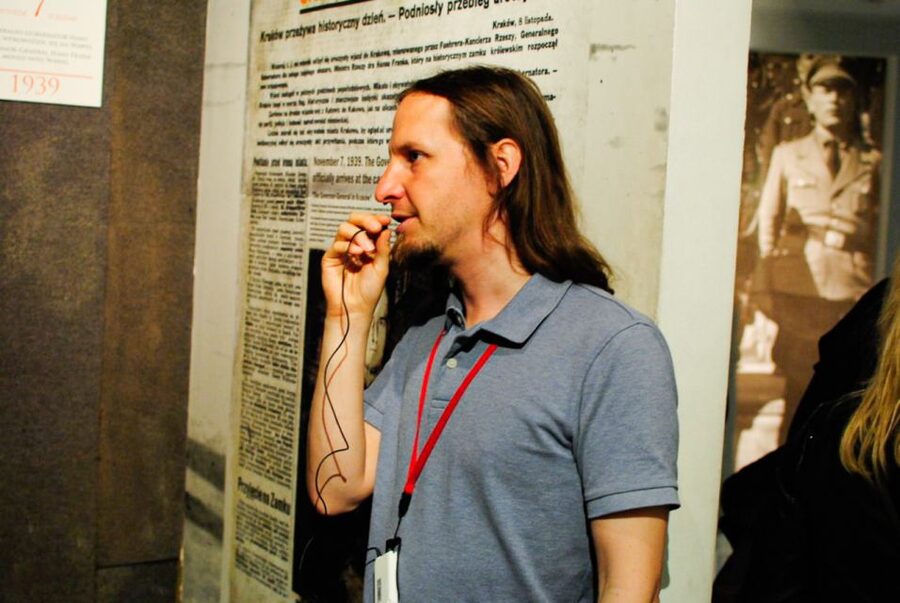
- Guides add essential context to propaganda, maps, objects, and reconstructed scenes that are easy to skim past alone.
- The 90-minute visit moves at a useful pace, helping you see the main rooms without getting bogged down in every display.
- Tickets are included and the ticket line is skipped, though the museum itself handles the pre-booked tickets on the spot.
- English and Spanish tours are available, and the museum is wheelchair accessible.
What the 90-minute Schindler’s Factory tour is really about
The title sets up a natural expectation: a tour of Oskar Schindler’s factory and his rescue of Jewish workers. You do get that story, including Schindler’s original office and accounts from survivors he helped. But the museum’s wider subject is Krakow during the Second World War.
That distinction matters. The visit begins with the setting around Schindler, the city’s political situation, and the German invasion. You then move through the experience of occupation, including what happened to Jewish and Polish residents. Schindler appears as part of this larger story, not as a lone figure separated from the events around him.
I think that is the right way to approach the museum. It gives you a stronger sense of the choices people faced and the machinery of persecution that made Schindler’s actions unusual. At the same time, you should not book this expecting a factory-floor tour or a room-by-room recreation of the film.
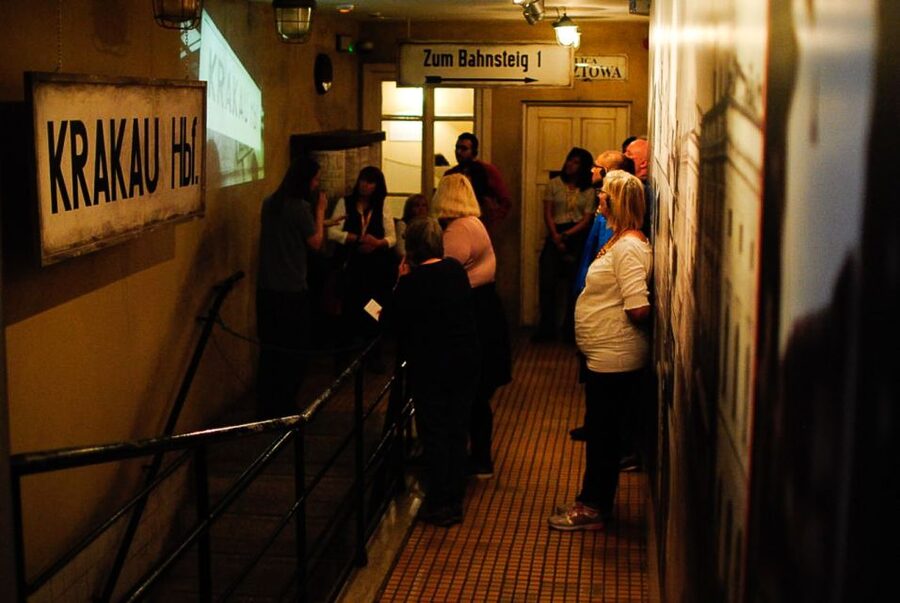
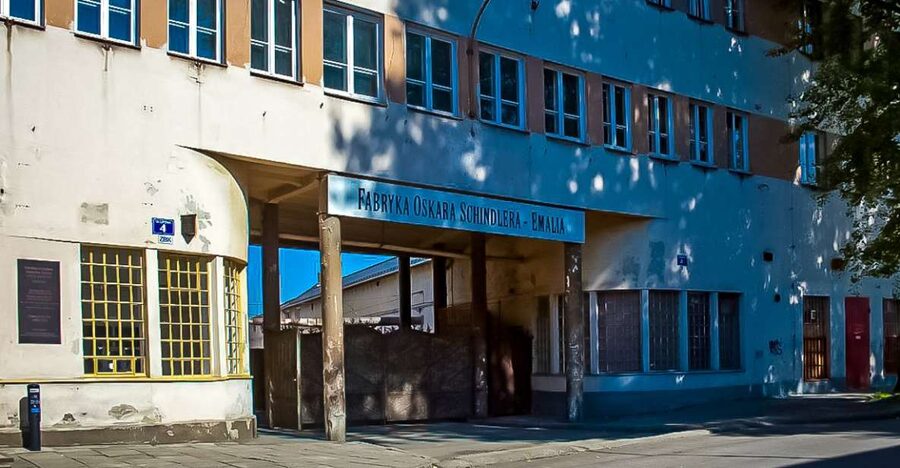
The museum is housed in the old enamelware factory. The displays use reconstructed streets, wartime settings, photographs, signs, objects, and written accounts to make the period easier to follow. A guide helps you connect those pieces instead of treating each room as an isolated display.
More Schindlers Factory Tours in Krakow:
- Krakow: Oskar Schindler’s Factory Entry Ticket & Guided Tour
★ 4.2 · 3,793 reviews - Krakow: Schindler’s Factory Tour with Entrance Ticket
★ 4.5 · 3,182 reviews - Krakow: Schindler’s Factory Skip-the-Line Ticket
★ 4.4 · 3,105 reviews
The opening rooms: Krakow before and during invasion
The early part of the visit establishes Krakow before the full force of occupation took hold. You learn about the German invasion and the changes that followed in public life, work, movement, and identity.
One valuable feature is the reconstruction of the 1939 battlefield. It gives the opening of the war a physical shape, rather than leaving it as a date on a wall. From there, the museum shifts toward the city itself and the effect of German rule on ordinary people.
This is where a guide earns the ticket price. The museum contains a great deal of text, and much of it is important. A strong guide, such as those praised for clear English and a steady pace, can point out what you need to read closely and what you can absorb quickly.
You may hear about figures active in Krakow at the time, including Hans Frank, Amon Goeth, underground fighters, collaborators, and people recognized as Righteous Among the Nations. The story also reaches beyond the Jewish population to the experiences of Polish people living under occupation.
That broader view is one of the tour’s strengths. It prevents the visit from becoming a simple story of villains and one savior. You see how different groups were affected, how people responded, and how moral choices became harder under a violent regime.
Reconstructed streets and the daily reality of occupation
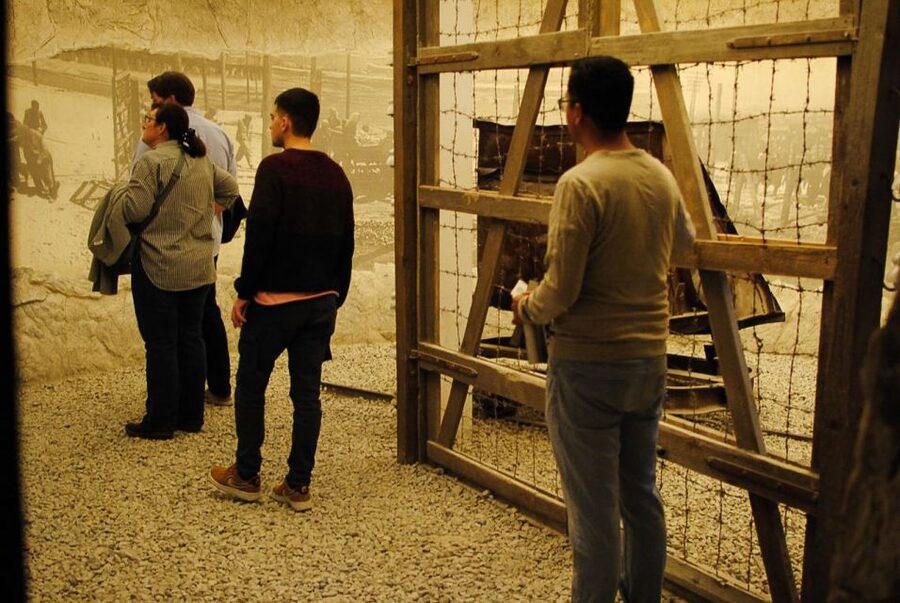
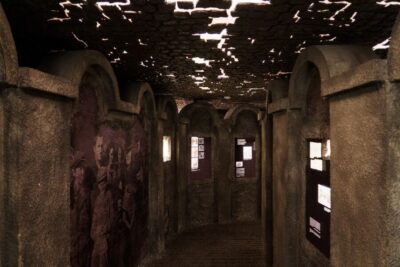
The museum’s reconstructions are designed to put you inside the city as it changed. You may see a street scene, a railway station, a public execution site, and sections representing the Jewish ghetto wall.
These are not light entertainment. The effect is serious and, at times, emotionally heavy. The displays show how rules and fear entered daily routines. A railway station can suggest movement and departure, but in this setting it also points toward forced transport and separation. A wall is not just architecture. It represents confinement and the removal of a community from the rest of the city.
The guide’s job is to explain what you are seeing without turning the subject into a performance. Several departures were praised for being compassionate, balanced, and willing to answer questions. That tone matters here. The best guides keep the facts clear while allowing you time to think.
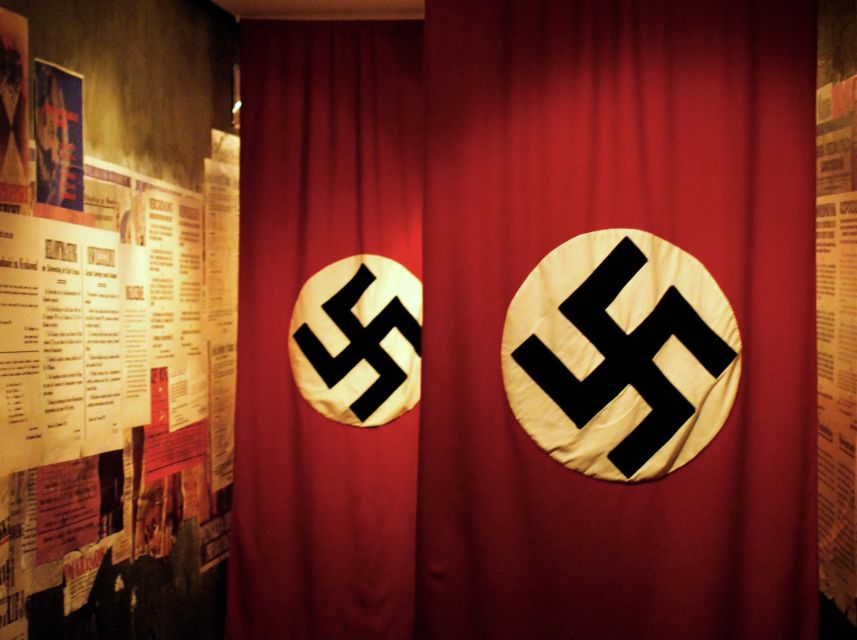
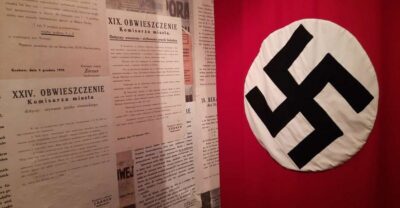
You should also be ready for propaganda. One especially useful part of the guided format is the explanation of posters and official language. If you read only English translations or summaries, you can miss how propaganda tried to shape public opinion. A guide can translate and explain the meaning behind the material.
The displays contain enough detail to reward a second visit, but the 90-minute format is better viewed as an introduction. You will see the main story and major rooms, though you cannot study every label at length. One practical advantage of a guide is that you are less likely to spend ten minutes on a minor display and then rush through a central one.
Oskar Schindler’s office and the part about the man himself
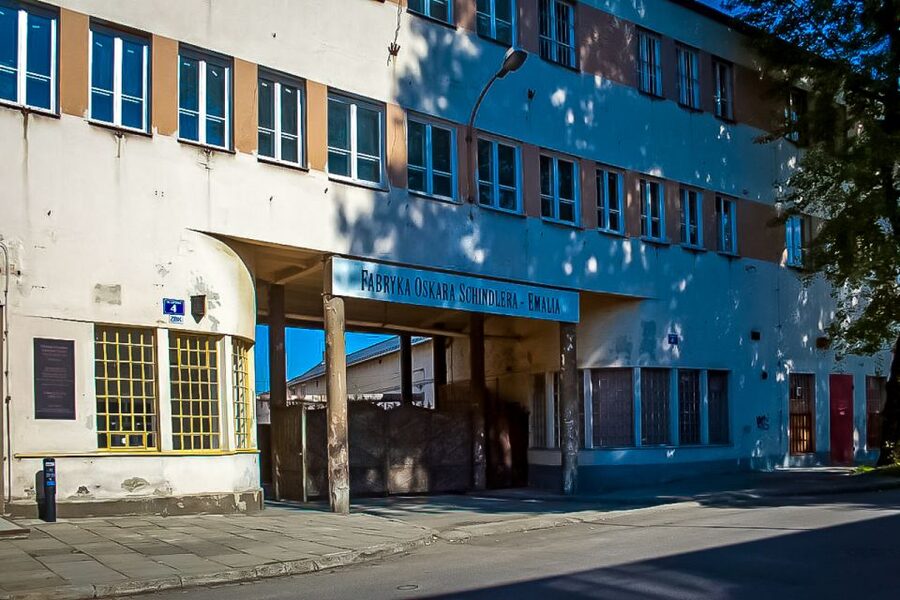
Schindler’s personal story becomes more central later in the visit. You hear about his pre-war activities, his role during the occupation, and what happened to him after the war.
His original office is a key stop. It gives you a direct physical link to the factory and to the decisions made there. The office alone does not explain Schindler, of course. The guide’s interpretation helps place his actions alongside his ambition, relationships, business interests, and wartime conduct.
The museum presents Schindler as a complicated person. That is important. His rescue of Jewish workers was extraordinary, but the tour does not need to turn him into a spotless hero. You get a portrait that includes his pre-war life and post-war fate, allowing you to consider how a flawed person could still make life-saving choices.
The tour also includes accounts from Jewish survivors he saved. These accounts give the story a human focus. Rather than treating the factory as a symbol only, they show why individual names and decisions mattered.
If Schindler is your main reason for coming, be patient during the earlier sections. Several visitors found that the tour offered only a limited amount of direct Schindler material compared with the larger story of Krakow and the German occupation. I see that as a useful warning, not a weakness, as long as you arrive with the right expectations.
A few more Krakow trips to weigh up
- Krakow to Auschwitz Birkenau Guided Tour with Transfer and Ticket
★ 5.0 · 8,197 reviews - Krakow: Wieliczka Salt Mine Fast-Track Ticket & Guided Tour
★ 4.5 · 5,872 reviews - Auschwitz Birkenau Guided Tour with Ticket Hotel Pickup Small Van
★ 5.0 · 4,769 reviews - From Krakow: Wieliczka Salt Mine Tour & Skip the Line Ticket
★ 4.4 · 3,925 reviews
Why a guide makes such a difference here
You can read the museum’s text without a guide. One particularly fair assessment is that the museum tells its story well on its own. But the displays can also leave you unsure about priorities, sequence, and context.
A guide gives you a clear thread. The better guides have been described as precise, passionate, patient, and easy to hear. Jacob was praised for clear English and family stories that added another human layer. Anya was appreciated for combining the museum’s material with personal family experiences from the Second World War. Lucy was noted for making sure the group could hear, keeping a sensible pace, and allowing time for photographs.
Those details tell you what a good departure should feel like. You should be moving steadily, not being hurried from room to room. You should have time to look at objects and ask questions. You should also hear enough explanation to understand why each section matters.
The tour provider uses phones so you can hear the guide clearly. That is a small but useful feature in a museum where people may spread out around displays. It also helps if your group includes visitors with different levels of English or Spanish.
There is some variation in delivery. One visitor found a guide’s English fast and occasionally difficult to follow, despite the guide’s strong command of the subject. If you have trouble hearing, stay close to the guide and ask for a slower pace. The subject is too important to pretend you understood a point when you did not.
Group size, pace, and the emotional weight
The group size can vary, but some departures have been very small, including groups of two, three, or four. That is ideal if you want to ask questions or discuss what you are seeing. A small group also makes it easier for the guide to adjust the pace.
A larger group may feel less personal, but the audio arrangement should help you follow the explanation. The 90-minute length is sensible for a museum with this much material. It is long enough to build a clear picture without asking you to absorb every detail in one sitting.
This is an emotional visit. You will encounter persecution, executions, ghetto confinement, and the suffering of Jewish and Polish residents. The museum is not a casual stop between cafes. Plan some quiet time afterward if you know this subject affects you strongly.
The guides appear to handle that weight in different ways, but the most praised approach is calm and respectful. Some use personal or family stories, which can make the history feel closer. That can be powerful, though it may also make the visit more intense.
I would not choose this tour for very young children unless you already know they can handle difficult wartime material. For older children and teenagers, a guide can help explain what they are seeing, but you should prepare them beforehand.
Price, ticket access, and what you receive for $46
The price is $46 per person. That is not the cheapest way to enter the museum, especially since the museum itself contains extensive written information. But the fee includes both the museum ticket and a 90-minute professional guide, and the ticket line is skipped.
I think the value depends on your priorities. If you are comfortable reading a large amount of material and building the timeline yourself, an independent visit may suit you better. If you want the main story explained in order, with propaganda, personalities, and survivor accounts connected for you, the guided visit is easier and more efficient.
The ticket arrangement comes with one important caution. The pre-booked tickets are bought directly from the museum on the spot, and the tour company is not responsible for delays or other problems caused by the museum. That means skip-the-line access is useful, but it is not a guarantee that nothing at the entrance can slow you down.
The reservation also allows you to pay later and cancel up to 24 hours before the tour for a full refund. Those terms are handy when you are arranging a busy Krakow schedule. Hotel pickup and drop-off are not included, so you need to reach the meeting point yourself.
Look for a guide holding a yellow umbrella or a Walkative! sign. That simple detail can save time, especially around a busy museum entrance.
Languages and access
Tours are offered in English and Spanish. English-language departures have been praised for clear communication, though you should stay close if you find the guide is speaking quickly.
The museum is wheelchair accessible. The provided information does not specify every detail of the route or facilities, so if you have particular mobility needs, confirm the arrangements before booking.
This is a walking museum visit, not a city transfer. You will not be collected from your hotel, and the activity lasts about 90 minutes once it begins. Leave enough time around it for getting to the meeting point and for a pause afterward.
Who should book this Krakow museum tour?
I would book it if you are visiting Krakow for the first time and want a firm introduction to the city during the Nazi occupation. It is also a good choice if you plan to visit Auschwitz and Birkenau, since one visitor found the Krakow tour useful preparation for understanding the wider wartime setting.
You will get the most from it if you:
- Want context rather than a quick look at famous objects
- Prefer a guide to reading every museum panel alone
- Have questions about Jewish and Polish life under occupation
- Care about the difference between a film portrayal and the historical record
- Like small-group discussion and personal stories
- Can give the subject your full attention for 90 minutes
You may prefer to visit independently if your only goal is Schindler’s biography, if you dislike guided pacing, or if you want to spend a long time reading every label. The museum is much broader than its name suggests.
My verdict: book it with the right expectations
I recommend this tour for most visitors interested in Krakow’s wartime past. The strongest feature is not simply admission to Schindler’s Factory. It is the guide’s ability to connect the rooms, explain propaganda and personalities, and keep the story moving without flattening its moral complexity.
Book it if you want the occupation of Krakow explained as a whole, with Schindler’s office and rescue work included. Skip it, or visit independently, if you want a narrow Schindler biography or a literal factory tour.
At $46, the tour costs more than a basic museum visit, but the ticket access, structured 90-minute route, and chance to hear a strong guide make it worthwhile for many people. Choose a departure that fits your schedule, find the yellow umbrella or Walkative! sign, stay near the guide, and give this serious museum the attention it deserves.
FAQ
How long does the Schindler’s Factory guided tour last?
The tour lasts 90 minutes.
What is included in the price?
The price includes a professional guide and a ticket to Schindler’s Factory museum.
Is the tour only about Oskar Schindler?
No. The museum focuses largely on Krakow during the Nazi occupation, including Jewish and Polish life, propaganda, resistance, collaborators, and other major figures. Schindler’s life and rescue work are included, but they form only part of the visit.
Can I join the tour in English or Spanish?
Yes. Live guides are available in English and Spanish.
Where do I meet the guide?
Your guide will hold a yellow umbrella or a Walkative! sign.
Does the tour include hotel pickup and drop-off?
No. Hotel pickup and drop-off are not included.
Is the museum wheelchair accessible?
Yes. The activity information states that the museum is wheelchair accessible.
Can I cancel the booking for a refund?
Yes. You can cancel up to 24 hours in advance for a full refund. You can also reserve now and pay later.
Just added around Krakow
- Tour to Wadowice: Hometown of Pope Saint John Paul II★ 4.6 · 12 reviews
- The Jewish Quarter – Walking Tour★ 5.0 · 4 reviews
- From Kraków; to Białka Thermal Baths private tour★ 5.0 · 5 reviews
- St. Mary’s Basilica and more – a short walk with a guide★ 4.7 · 56 reviews
- Krakow: Auschwitz-Birkenau and Wieliczka Salt Mine Day Trip★ 4.7 · 84 reviews
- Krakow: Skip-the-Line Wawel Castle & Old Town Guided Tour★ 4.9 · 23 reviews
- Krakow: Schindler’s Factory Guided Tour★ 4.2 · 12 reviews
- Shooting Range Experience!★ 4.8 · 66 reviews
Schindlers Factory Tours, compared.
Oskar Schindler’s Factory Entry Ticket & Guided Tour
Read our review →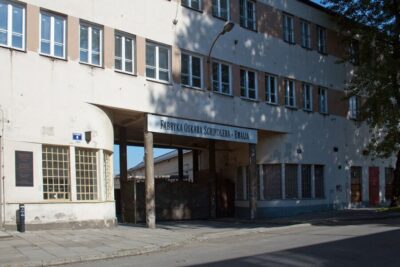
Schindler’s Factory Tour with Entrance Ticket
Read our review →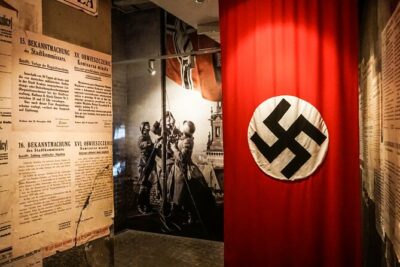
Schindler’s Factory in Krakow: Guided Tour & Skip the Line Ticket
Read our review →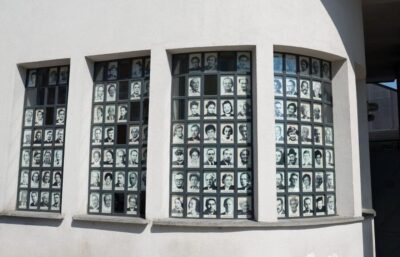
Schindler’s Factory Ticket with Guided Tour Option
Read our review →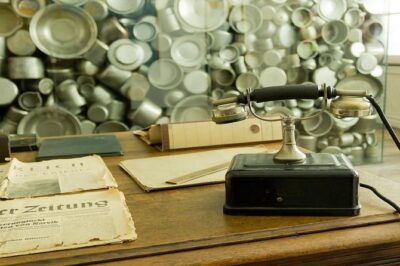
Krakow Schindler’s Factory Guided Tour with Admission Ticket
Read our review →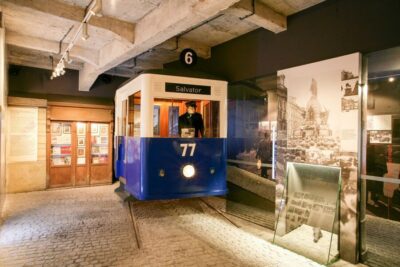
Schindler’s Factory Guided Tour with Entry Ticket
Read our review →Browse the lists this tour appears in