
Reviewed · SCHINDLERS FACTORY TOURS
Kraków: Schindler’s Factory & Jewish Ghetto Guided Tour
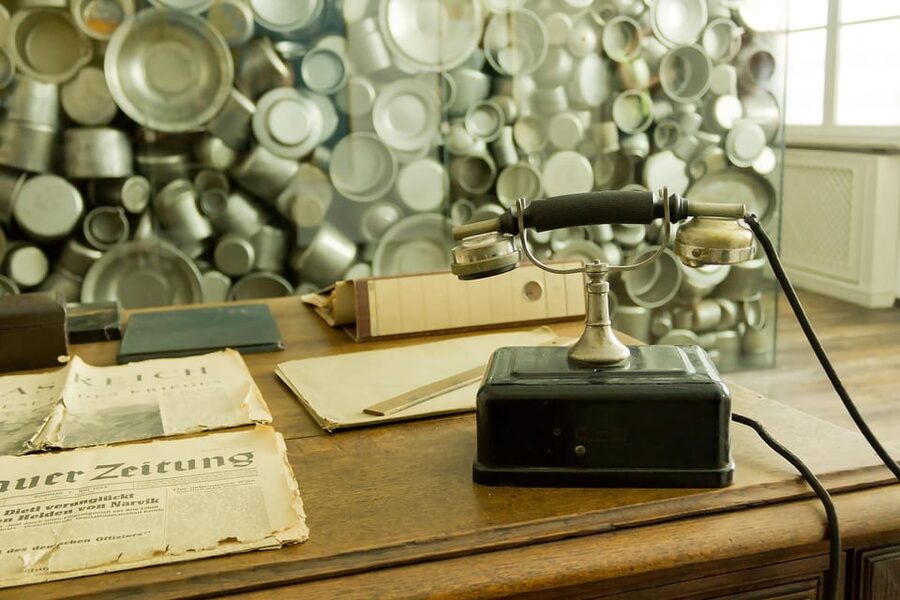
Oskar Schindler’s former enamel factory is only the starting point. The museum uses photographs, artifacts, reconstructed rooms, and tight, dim corridors to show how Nazi occupation changed daily life in Kraków. I like that the tour places Schindler’s rescue of more than a thousand Jewish workers inside the much larger story of persecution and deportation.
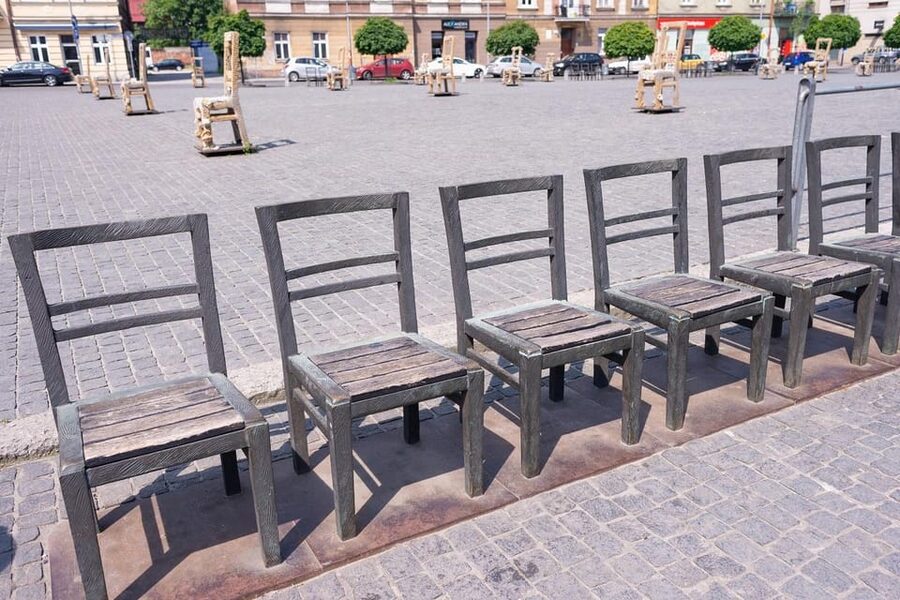
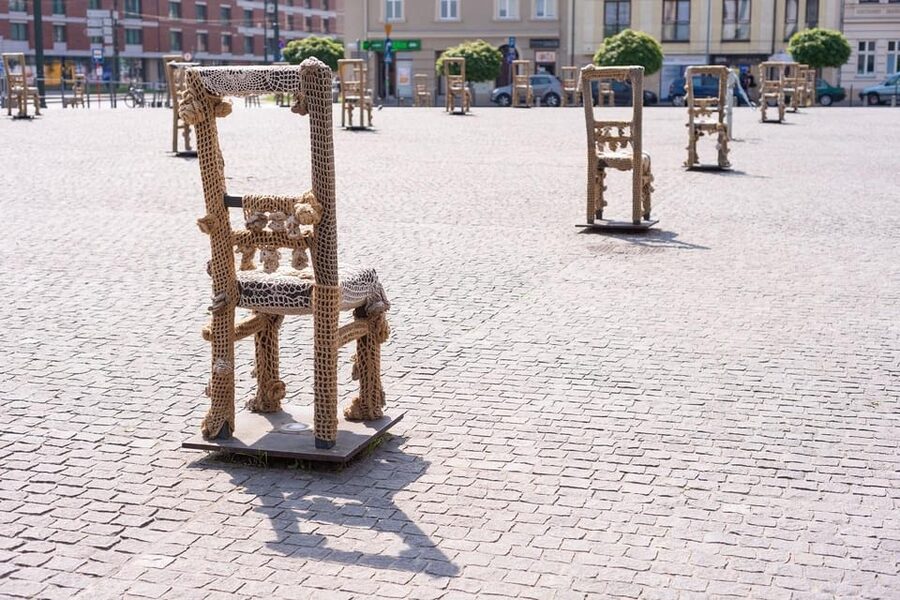
I also like the walk through the former ghetto, especially Ghetto Heroes Square, where empty chairs recall the people forced from their homes. The visit to Under the Eagle Pharmacy adds a personal human story. The main caution is group size: a group of more than 25 can feel crowded inside the museum’s narrow galleries, making it harder to see what the guide is explaining.
Key points to know before booking
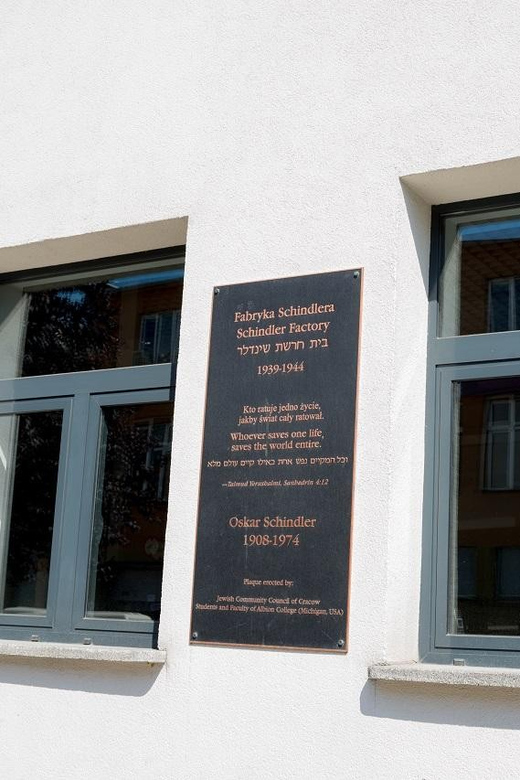
- Schindler’s Factory is a wartime Kraków museum, not a machinery museum: The focus is the occupation and the city’s people, not a preserved factory floor.
- The museum visit comes first: You explore the exhibition Kraków under Nazi Occupation 1939 to 1945 with a licensed guide.
- The outdoor walk adds essential context: You see the surviving Ghetto Walls, Ghetto Heroes Square, and the Chair Memorial.
- Under the Eagle Pharmacy brings the story down to a human scale: Learn how Tadeusz Pankiewicz and his staff helped people inside the ghetto.
- The tour takes three hours: It combines indoor museum time with walking, so wear suitable shoes and prepare for changing weather.
- The guide’s storytelling is a major part of the value: Past tours have been praised for clear explanations, strong historical background, and warm presentation.
Why Schindler’s Factory is not just a Schindler museum
The name can set up the wrong expectation. You may arrive thinking you are entering a traditional museum about Oskar Schindler, the German industrialist who protected Jewish workers during the war. His story is here, but it is one part of a much wider account.
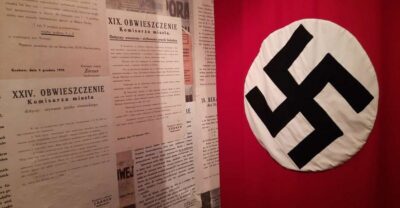
The main exhibition, Kraków under Nazi Occupation 1939 to 1945, looks at how the war reshaped the entire city. You learn about Jewish and non-Jewish residents, Nazi control, fear, displacement, deportation, and the destruction of Kraków’s Jewish community. Schindler’s factory provides the setting, but the museum’s subject is occupied Kraków.
That wider focus is one of the tour’s strongest features. It prevents Schindler’s story from becoming a neat tale of one heroic man solving an enormous problem. Instead, you see the scale of the danger around him and the terrible cost paid by people who had no protection.
I value this approach because it gives you context before and around Schindler’s actions. You are not simply told that his factory sheltered more than a thousand Jewish workers. You learn why that refuge mattered and how unusual such protection was under Nazi rule.
More Schindlers Factory Tours in Krakow:
- Krakow: Oskar Schindler’s Factory Entry Ticket & Guided Tour
★ 4.2 · 3,793 reviews - Krakow: Schindler’s Factory Tour with Entrance Ticket
★ 4.5 · 3,182 reviews - Krakow: Schindler’s Factory Skip-the-Line Ticket
★ 4.4 · 3,105 reviews
Inside the exhibition, history is built into the rooms
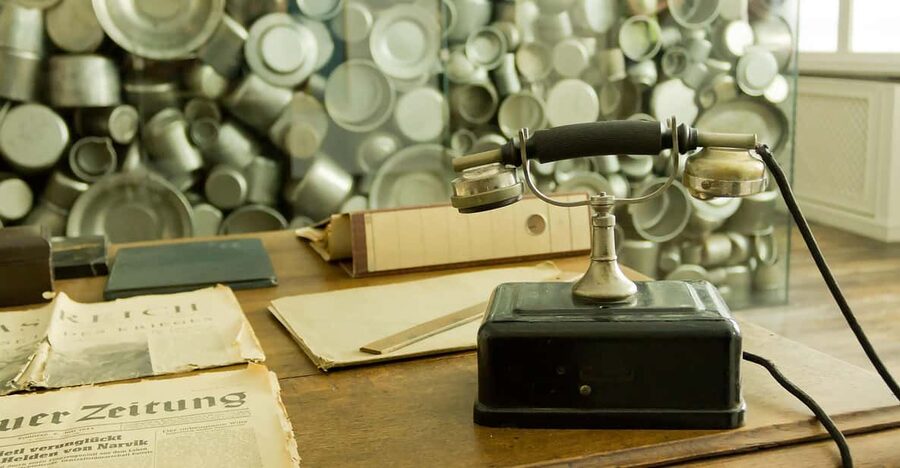
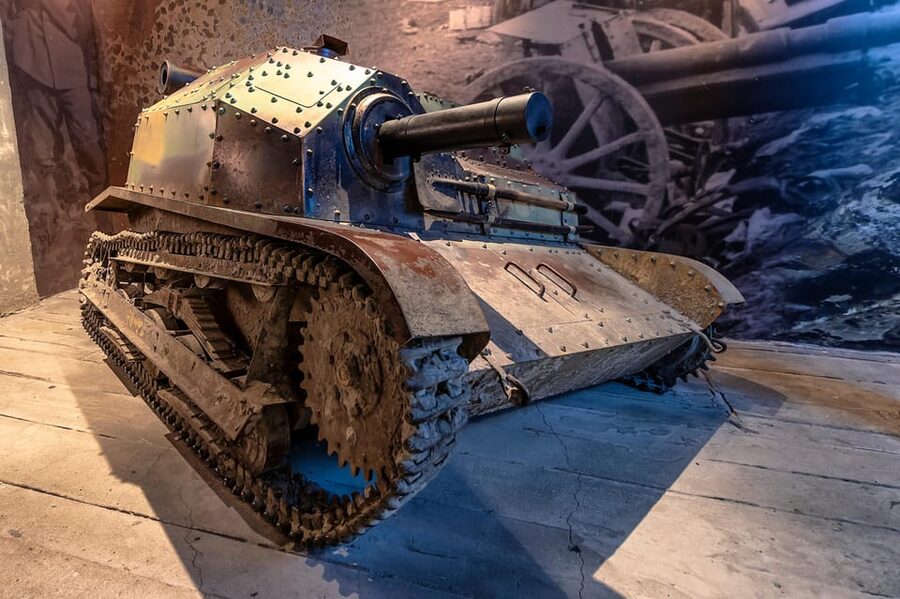
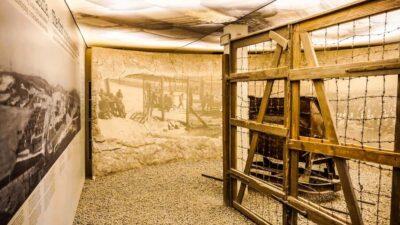
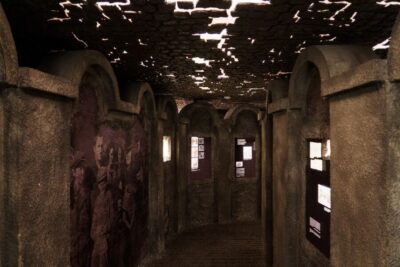
The museum uses original artifacts, historic photographs, and reconstructed settings to create a strong sense of place. Many rooms are narrow and dimly lit, and the design deliberately creates a feeling of pressure and uncertainty.
This atmosphere can make the visit more affecting than a display of objects in bright, open galleries. You might find the corridors uncomfortable, especially when the group gathers around a particular photograph or explanation. That discomfort is part of the museum’s design, but it also has a practical effect: staying close to the guide matters.
The guide helps you connect individual objects with the larger story. A photograph can show one moment, while the explanation supplies the political and social setting around it. This is where a guided visit earns its fee. You are not left to guess why a room matters or how one stage of the occupation led to the next.
The exhibition is not a preserved factory floor. The building once housed Schindler’s factory, but today it is a museum without the original machinery. If you are hoping to see rows of enamel equipment or a working industrial interior, adjust your expectations before arriving.
Instead, think of the building as a place where the museum’s story is anchored. The connection to Schindler is real, but the displays ask you to look beyond the factory walls and consider the lives of people across Kraków.
Oskar Schindler’s story in its proper setting
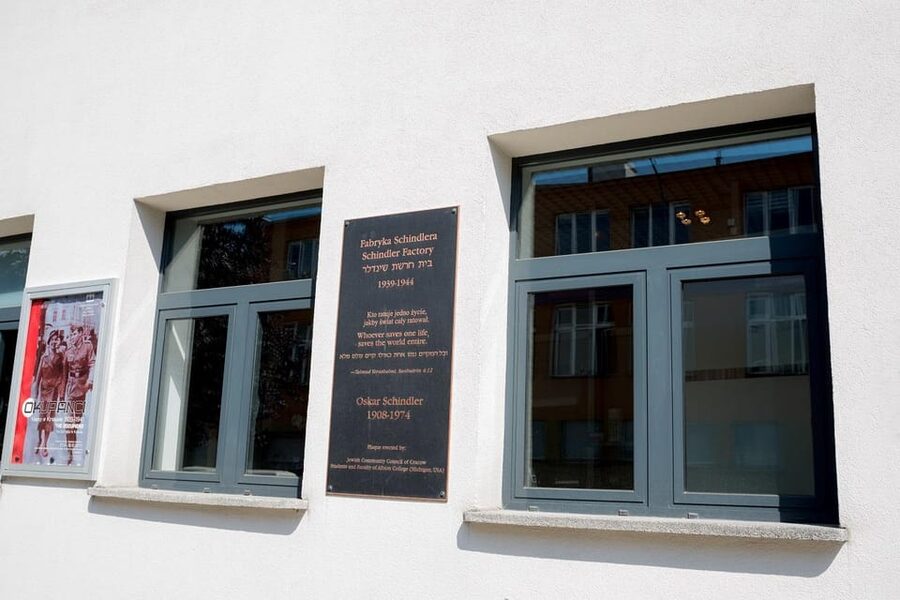
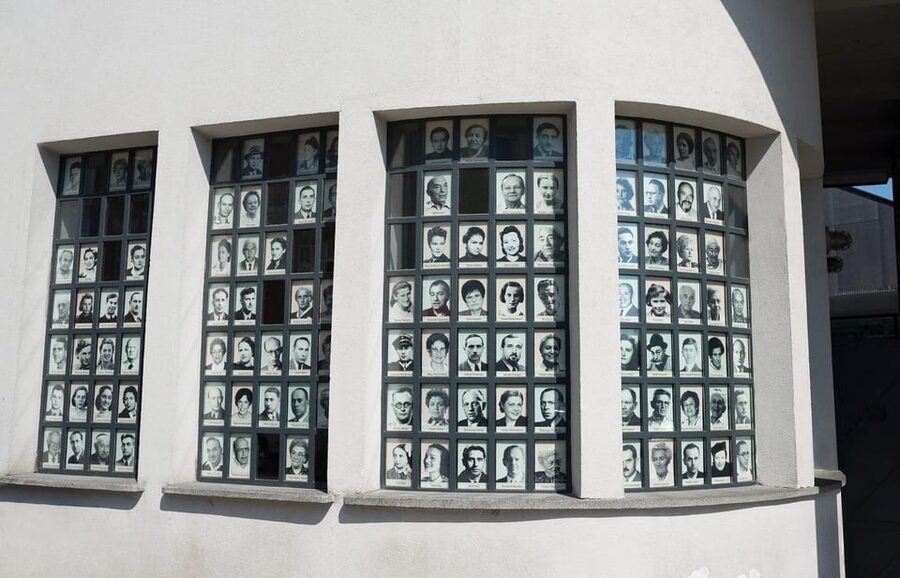
Schindler’s role is emotionally powerful because his factory became a place of refuge for more than a thousand Jewish workers. The tour explains this within the setting of Nazi persecution, forced removal, and the destruction of the city’s Jewish population.
That context matters. Without it, the factory can seem like an isolated exception. With it, you can better understand the risks faced by the people Schindler employed and the importance of individual choices during a system built on cruelty.
The guide’s presentation is especially important here. The strongest guides on this route do more than recite dates. They explain the political setting clearly, connect the museum’s rooms, and keep Schindler’s actions tied to the people affected by them.
A previous English-language guide was praised for having a strong background in history and politics, while also being personable and concise. That balance suits this subject. You need enough detail to understand the period, but not a lecture so dense that the individual stories disappear.
You should also expect some variation in emphasis. The museum itself gives much more space to occupied Kraków than to Schindler and his factory. If your main goal is an extended biography of Schindler, this tour may feel broader than expected. If you want to understand the city and its Jewish community during the war, that broader approach is a benefit.
Walking from the Ghetto Walls to the Chair Memorial
After the museum, the tour continues on foot through the former Kraków Ghetto. This change of setting is important. Inside the museum, the story is presented through objects and reconstructed spaces. Outside, you encounter places connected to the confinement and removal of real people.
The first major stop is the remains of the Ghetto Walls. These fragments are a stark physical reminder that Jewish residents were confined behind barriers and separated from the rest of Kraków.
A surviving wall can look modest beside the scale of the events connected to it. The guide gives it meaning by explaining what the wall represented: not only a boundary, but forced isolation, loss of freedom, and the daily control imposed on ghetto residents.
From there, you continue to Ghetto Heroes Square. During the war, this was a central place in the ghetto and a site where deportations to extermination camps took place. Today, the square’s most striking feature is the Chair Memorial.
The empty chairs are simple, but the image is hard to forget. Each one recalls a life lost, while the arrangement across the square suggests absence on a large scale. I like this stop because it avoids excessive decoration. The memorial asks you to look, pause, and think about people being removed from their homes.
The square also helps you understand the difference between learning a fact and facing a place. The museum gives you the sequence of events. Here, the broad story becomes tied to a specific public space in the city.
More Jewish Ghetto Tours in Krakow:
- Krakow: Schindler’s Factory & Ghetto Guided Tour
★ 4.7 · 1,694 reviews - Krakow: Jewish Quarter and Former Ghetto Tour
★ 4.9 · 1,441 reviews - Krakow: Bike Tour of Old Town, Jewish Quarter and the Ghetto
★ 4.9 · 1,155 reviews - Krakow: Kazimierz, Schindler’s Factory & Ghetto Guided Tour
★ 4.8 · 460 reviews
Under the Eagle Pharmacy and the people who helped
Across from Ghetto Heroes Square is Under the Eagle Pharmacy. Its story adds another layer to the walk.
Tadeusz Pankiewicz and his staff helped residents of the ghetto by providing medicine and preserving a sense of support during a period when ordinary services and personal safety had been shattered. The pharmacy’s importance was not limited to medical supplies. It also became a place where information, assistance, and hope could survive.
This stop is valuable because it shifts attention away from powerful officials and famous names. You hear about people who used their daily work to help others under dangerous conditions. The pharmacy makes the history more personal and easier to grasp.
The route’s final section is also a useful counterweight to the museum. Schindler’s story concerns a factory and its workers. The pharmacy shows a different form of help, rooted in care for people trapped inside the ghetto. Together, the sites give you a wider view of courage during the occupation.
How the three-hour format works for you
Three hours is enough time to visit the museum and take in the main ghetto sites without turning the experience into an all-day commitment. It is also long enough for the subject to feel substantial rather than rushed.
The exact split between indoor and outdoor time can depend on the guide and museum schedule. You should expect the museum to require close attention, followed by a walking section through the former ghetto.
Arrive at least 10 minutes early at the main entrance to Schindler’s Factory Museum. Look for the guide holding an excursions.city sign. Late arrivals cannot join once the group has left, and the ticket cannot be refunded, so this is not a tour to approach casually.
The museum’s corridors are narrow. In a small group, that may help you stay close to the guide and see the displays. In a group of more than 25, the experience can be less comfortable. You may need to position yourself carefully, and people at the back may not see every item being discussed.
For that reason, arrive early and try to remain near the guide once the museum visit begins. This is a tour where being able to hear and see matters as much as simply entering the building.
The outdoor portion runs in rain or sunshine. Check the forecast and wear practical footwear. You will be walking between the sites, and the experience is less pleasant if you are distracted by wet clothes or uncomfortable shoes.
Is $58 a fair price?
At $58 per person, the cost is reasonable if you want both museum admission and guided context. The price includes a licensed expert guide, skip-the-line entry to Schindler’s Factory, and the walking tour of the former ghetto.
The value is not just the ticket. It is the way the guide links the exhibition to the walls, square, memorial, and pharmacy. If you visited the museum alone, you could still see the displays, but you would need to build the historical connections yourself.
Skip-the-line access is also useful at Kraków’s most popular museum. It saves you from spending part of your day waiting outside, though it does not guarantee a quiet visit inside. The narrow galleries can still feel crowded once groups enter.
Food, drinks, and hotel pickup are not included. You meet at the museum and make your own way there and back. That keeps the tour focused and helps explain the price, but you should plan your transport and any meal separately.
Free cancellation up to 24 hours before the start and the option to reserve now and pay later add useful flexibility. Museum times may be approximate, and from January 1, 2026, the exact time may change because of museum and site scheduling. Participant names are required for personalized museum tickets, so enter every name carefully when booking.
Which language and group style suit you best?
The tour is offered in English, French, Italian, German, and Spanish. A strong guide makes a noticeable difference here because the subject involves political context, personal stories, and several locations.
You should choose the language in which you can follow subtle explanations most easily. The guide needs to explain not only what happened, but also how the museum’s displays and memorials relate to one another.
This experience suits adults and older children who can manage a serious three-hour history tour. The subject includes persecution, deportations, and extermination camps, so it is not light sightseeing.
It is also a good fit if you prefer a clear route and expert explanation over wandering through a museum alone. The guide keeps the visit moving and helps you focus on the most important details.
You may prefer a private visit or a quieter museum experience if you dislike crowds. The group size can reach more than 25, and the narrow rooms make that limitation more noticeable than it would be in a large open museum.
Should you book the Schindler’s Factory and Ghetto tour?
Book it if you want a serious, well-structured introduction to Kraków during Nazi occupation. The strongest parts are the museum’s broad city story, the moving Chair Memorial, and the human account connected with Under the Eagle Pharmacy.
The tour is especially worthwhile if you have limited time in Kraków and want the museum and former ghetto covered in one three-hour outing. You receive admission, a licensed guide, and a route that connects indoor exhibits with real places across the city.
Think twice if you expect a detailed tour of Schindler’s industrial operation or original factory machinery. That is not what the museum provides. Also consider the possible crowding inside the narrow galleries.
For most visitors who want historical context rather than a quick photo stop, I would book it. Arrive early, prepare for solemn subject matter, wear good shoes, and stay close to the guide so the museum’s details do not get lost in the crowd.
FAQ
How long does the Schindler’s Factory and Jewish Ghetto tour last?
The tour lasts three hours and includes the museum visit and a walking tour of the former Kraków Ghetto.
What does the tour include?
It includes a licensed expert guide, skip-the-line admission to Schindler’s Factory, and the walking tour of Kraków Ghetto.
Is hotel pickup included?
No. Hotel pickup and drop-off are not included. You meet the guide in front of the main entrance to Schindler’s Factory Museum.
Where is the meeting point?
The guide meets you in front of the main entrance to Schindler’s Factory Museum and carries an excursions.city sign.
Which languages are available?
The tour is offered in English, French, Italian, German, and Spanish.
What should I know about visiting the museum?
The exhibition has narrow corridors and an immersive design intended to recreate the atmosphere of wartime Kraków. The building was once Schindler’s factory, but the museum does not contain the original machinery.
Can I cancel the booking?
You can cancel up to 24 hours in advance for a full refund. You can also reserve now and pay later.
Just added around Krakow
- Tour to Wadowice: Hometown of Pope Saint John Paul II★ 4.6 · 12 reviews
- The Jewish Quarter – Walking Tour★ 5.0 · 4 reviews
- From Kraków; to Białka Thermal Baths private tour★ 5.0 · 5 reviews
- St. Mary’s Basilica and more – a short walk with a guide★ 4.7 · 56 reviews
- Krakow: Auschwitz-Birkenau and Wieliczka Salt Mine Day Trip★ 4.7 · 84 reviews
- Krakow: Skip-the-Line Wawel Castle & Old Town Guided Tour★ 4.9 · 23 reviews
- Krakow: Schindler’s Factory Guided Tour★ 4.2 · 12 reviews
- Shooting Range Experience!★ 4.8 · 66 reviews
Schindlers Factory Tours, compared.
Oskar Schindler’s Factory Entry Ticket & Guided Tour
Read our review →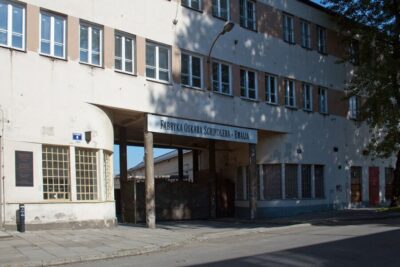
Schindler’s Factory Tour with Entrance Ticket
Read our review →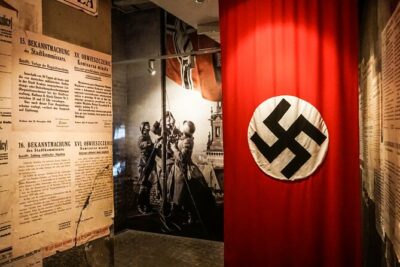
Schindler’s Factory in Krakow: Guided Tour & Skip the Line Ticket
Read our review →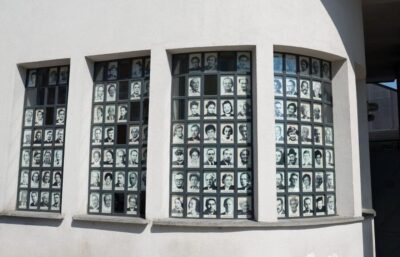
Schindler’s Factory Ticket with Guided Tour Option
Read our review →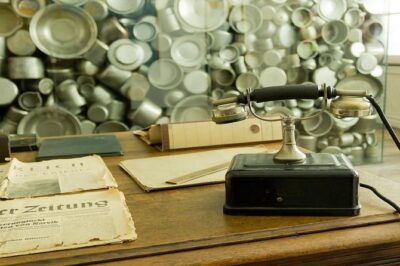
Krakow Schindler’s Factory Guided Tour with Admission Ticket
Read our review →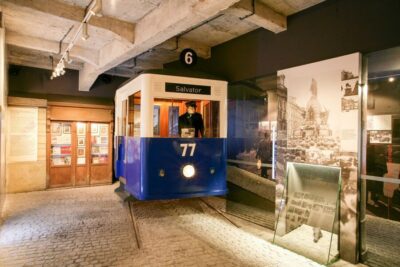
Schindler’s Factory Guided Tour with Entry Ticket
Read our review →Browse the lists this tour appears in