
Reviewed · SCHINDLERS FACTORY TOURS
Krakow: Schindler’s Factory Tour and Entrance Ticket
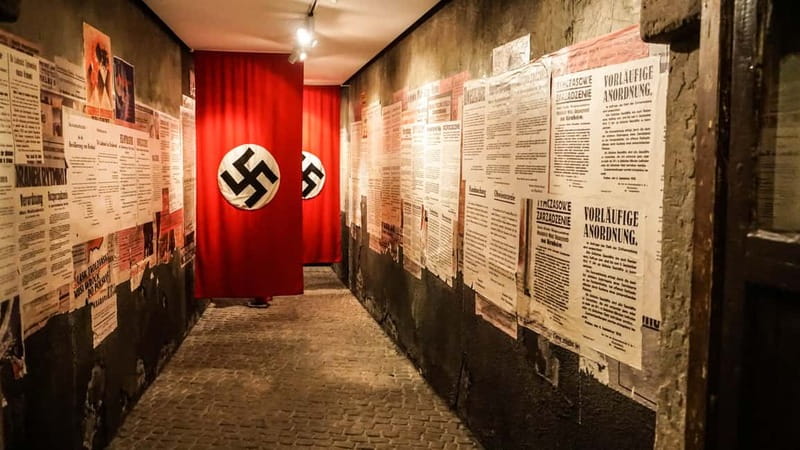
Oskar Schindler’s former enamel factory tells two stories at once: the story of one businessman who helped save about 1,200 Jewish lives, and the much larger story of Krakow under Nazi occupation. The museum uses original artifacts, photographs, and reconstructed settings to connect Schindler’s actions with the daily experience of Polish Jews during World War II.
I like the skip-the-line entry with a guide, since it removes one bit of museum-day uncertainty. I also like the choice of English, French, Spanish, Italian, or German tours. The main drawback is the tight 90-minute schedule. You will get a focused introduction, but not unlimited time for every display or temporary exhibition.
Key points to know
- The factory is more than a Schindler biography: The main exhibition explains Krakow’s wartime history, the Jewish ghetto, occupation, and civilian life.
- You visit the actual Lipowa Street site: The tour includes the former factory complex, an old farm building, the original entrance gate, and photographs of survivors.
- The guide shapes the experience: The strongest part is the live explanation, especially for visitors who want help connecting objects and events.
- The tour lasts 1.5 hours: That is enough for a clear overview, but you may want extra time afterward for the temporary exhibition.
- The price is $45 per person: It is reasonable if you value timed access and guided context, but less attractive if you prefer to read exhibits at your own pace.
- The meeting point is simple: Meet in front of Schindler’s Factory Museum at Lipowa 4 in Krakow, and the tour returns there.
Why Schindler’s Factory matters in Krakow
This is one of Krakow’s best-known museums because the building is tied to both a real wartime story and Steven Spielberg’s 1993 film Schindler’s List. The film brought Oskar Schindler’s name to a worldwide audience, but the museum places his work inside the wider reality of occupied Krakow.
Schindler was a German industrialist who operated an enamel factory during the war. His workforce included Jewish prisoners and forced laborers. As the war continued, he used his influence and money to protect many of the people working for him.
The museum does not treat that story as an isolated act of heroism. You also learn how Krakow changed under German occupation, how Jewish residents were forced into the ghetto, and how persecution affected families, workers, and neighborhoods. That broader setting is important. Without it, Schindler’s actions can seem like a single dramatic tale. With it, you see the danger surrounding the factory and the people who depended on it.
I find this approach useful for first-time visitors to Krakow. You are not just looking at a famous address. You are learning how the city’s wartime system worked and how individual choices mattered inside it.
More Schindlers Factory Tours in Krakow:
- Krakow: Oskar Schindler’s Factory Entry Ticket & Guided Tour
★ 4.2 · 3,793 reviews - Krakow: Schindler’s Factory Tour with Entrance Ticket
★ 4.5 · 3,182 reviews - Krakow: Schindler’s Factory Skip-the-Line Ticket
★ 4.4 · 3,105 reviews
Meeting the guide at Lipowa 4
The tour begins in front of the museum entrance at Lipowa 4 Street, in Krakow’s Lesser Poland region. You should allow enough time to find the entrance and gather there before the scheduled start.
The guide handles the museum entry, so you do not have to work through the ticket line on your own. That is a modest convenience, but a valuable one on a busy day. It also gives you a clear starting point, rather than sending you inside to search for the right exhibition or guide.
The activity ends back at the same meeting point. No food or drinks are included, and the tour does not include separate transportation. Plan to arrive having already eaten or carry whatever you need before entering, since the focus is entirely on the museum and factory site.
The tour is wheelchair accessible. The available live-guide languages are English, French, Spanish, Italian, and German. If you need a language other than those listed, confirm availability before paying.
The 90-minute guided route
The guided portion lasts about 1.5 hours. That length works well for a compact introduction, especially if you have only a few days in Krakow.
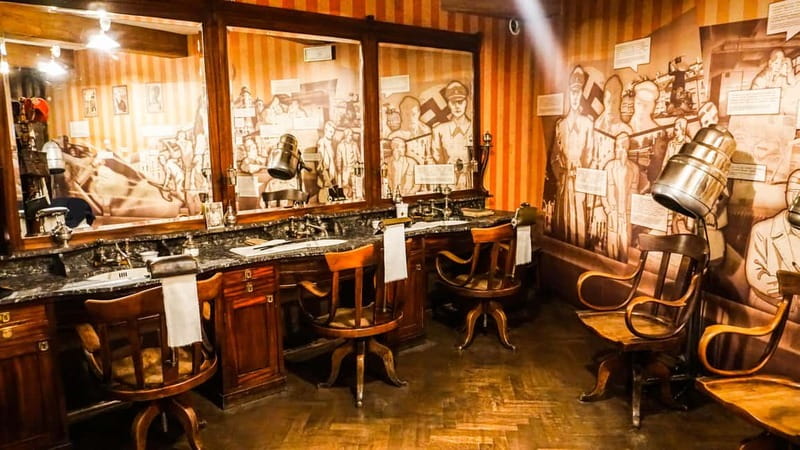
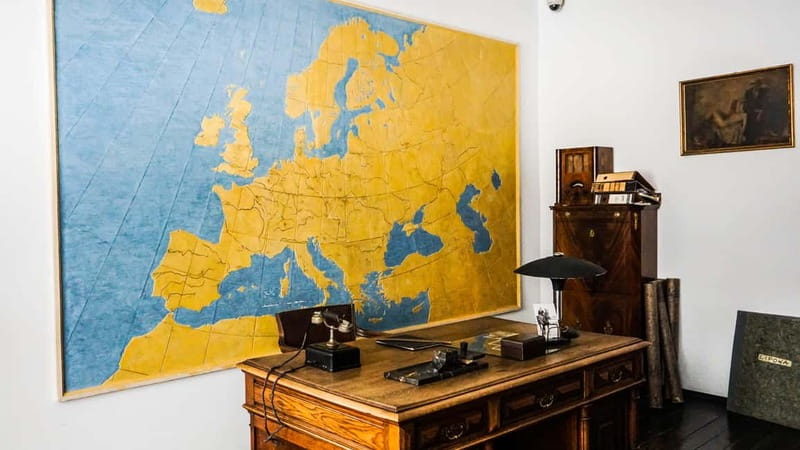
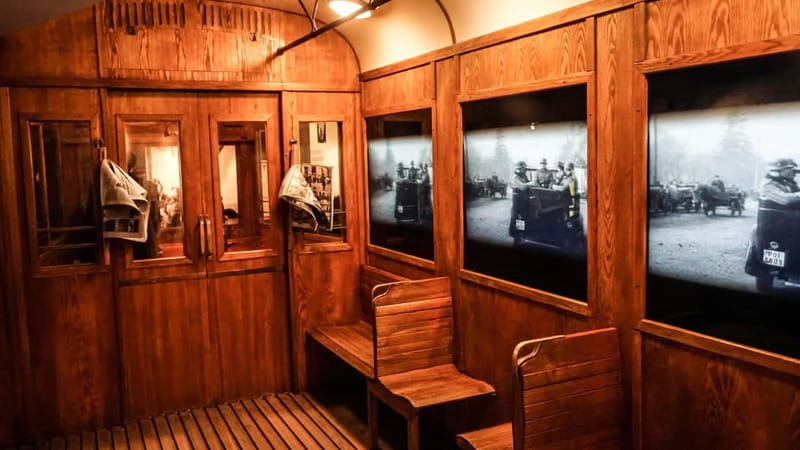
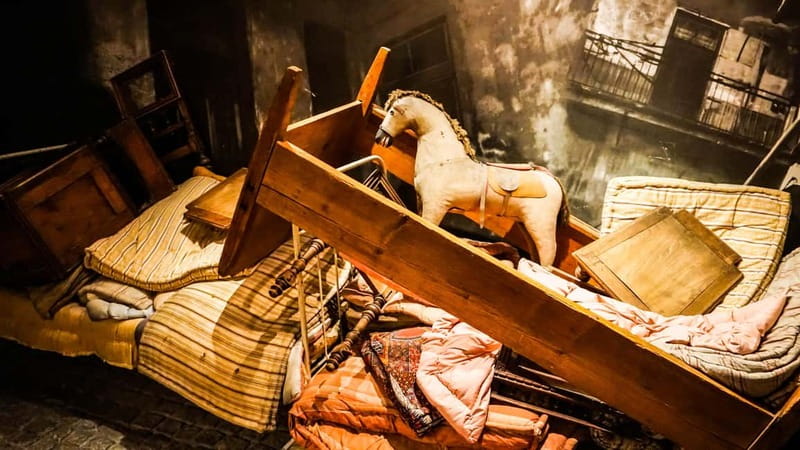
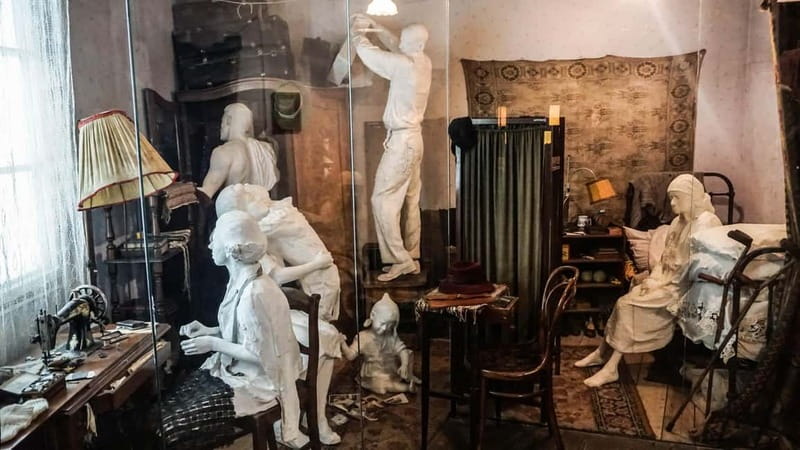
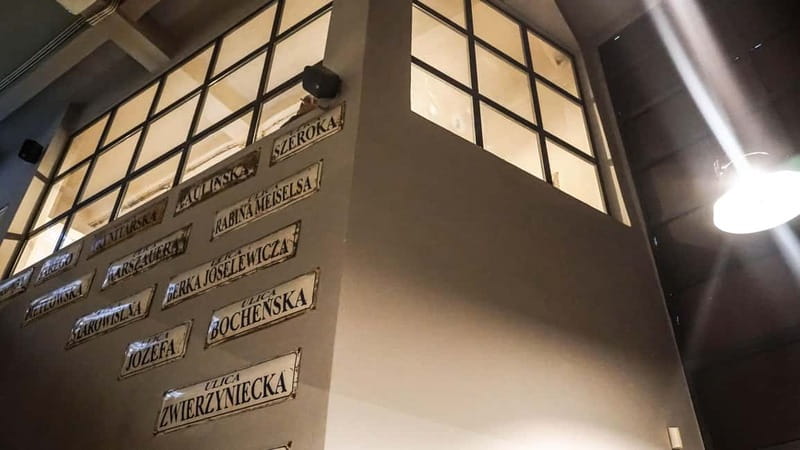
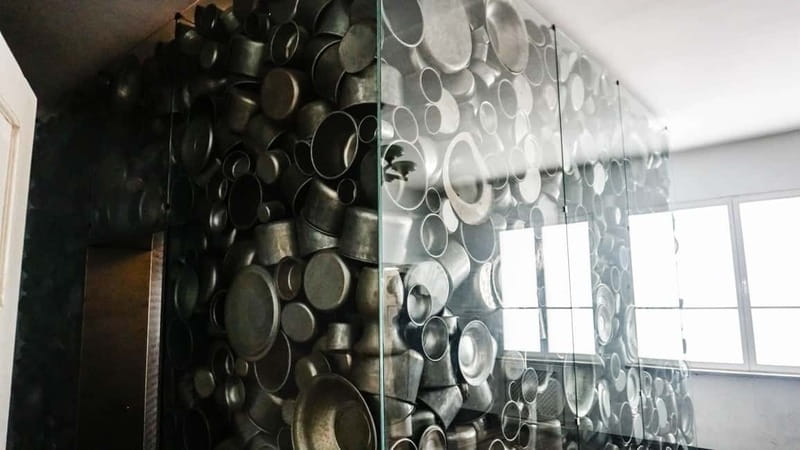
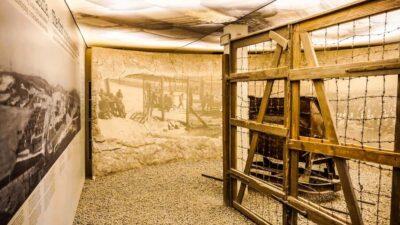
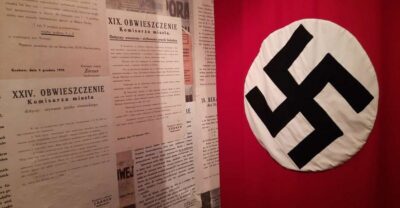
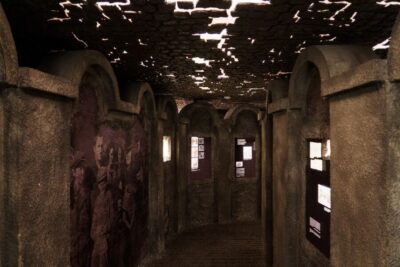
The guide leads you through the permanent exhibition and the former factory setting. You will see artifacts and displays about Polish life during World War II, the occupation of Krakow, the Jewish community, and Oskar Schindler’s role in the factory.
This is not simply a room full of objects with labels. The guide helps explain why the objects matter. A photograph, piece of equipment, or personal item can say more when you know who used it and what was happening in Krakow at the time.
The strongest version of this visit depends on the guide. A good guide can keep the story moving, answer questions, and prevent the museum from becoming a blur of dates and names. The available feedback points to guides who were engaging, informative, and entertaining. That combination matters here, since the subject is serious and the amount of information is considerable.
At the same time, a guided route means you move at the guide’s pace. If you like to stop at every photograph or read every label, 90 minutes may feel short. I would treat the tour as your structured introduction, then use any free time at the end to return to displays that caught your attention.
Inside the permanent exhibition
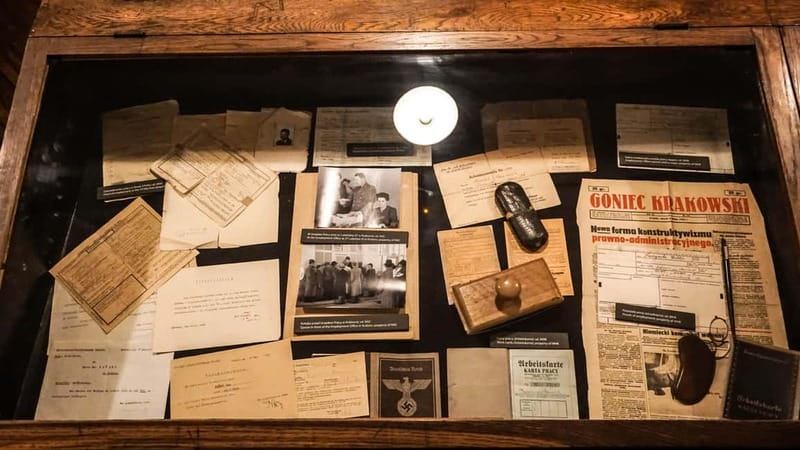
The permanent exhibition is the heart of the visit. It covers Krakow during World War II and places Schindler’s factory within that setting.
You can expect material about the city’s residents, the German occupation, and the treatment of Polish Jews. The museum also follows Schindler’s story as founder of the enamel factory and explains how the business became connected with Jewish forced labor.
One useful feature is the balance between public events and private lives. Large political decisions are easier to understand when you can also see how they affected ordinary people. The photographs and personal objects help shift the subject from distant wartime history to the lives of Krakow residents.
The museum’s subject is difficult. It deals with persecution, forced labor, the ghetto, and the destruction of Jewish life in Krakow. A guide can help you place each section in order, but you should still expect a serious visit rather than a light sightseeing stop.
I recommend this tour most to people who want explanation as they go. If you already know the history well and prefer quiet museum time, you may find the guide’s pace limiting. If the subject is new to you, the structure is helpful and keeps the visit from becoming confusing.
A few more Krakow trips to weigh up
- Krakow to Auschwitz Birkenau Guided Tour with Transfer and Ticket
★ 5.0 · 8,197 reviews - Krakow: Wieliczka Salt Mine Fast-Track Ticket & Guided Tour
★ 4.5 · 5,872 reviews - Auschwitz Birkenau Guided Tour with Ticket Hotel Pickup Small Van
★ 5.0 · 4,769 reviews - From Krakow: Wieliczka Salt Mine Tour & Skip the Line Ticket
★ 4.4 · 3,925 reviews
Seeing the old factory buildings
The experience includes more than the indoor exhibition. You also see part of the former factory complex, including an old farm building and the original entrance gate.
That detail gives the visit a physical link to the past. The factory is not only a setting used to tell a story. The surviving site helps you picture the workers arriving, the business operating, and the building functioning during the war.
The old farm building is particularly useful because it includes the original entrance gate. On its facade, you can see photographs of several hundred survivors. Those photographs bring the story back to the people who lived through it.
I would not expect a large industrial complex preserved exactly as it operated in the 1940s. The attraction is the combination of surviving elements and museum interpretation. The exhibition supplies the detail, while the buildings and gate give you a sense of place.
This part also helps explain why the museum is worth visiting even if you have seen Schindler’s List. A film can give you images and characters, but standing at the former factory site adds a direct connection to Krakow itself.
What the guide adds to the visit
A live guide is the main reason to choose this booking instead of simply visiting on your own. The best guides make links between the factory, the ghetto, the city, and Schindler’s workers that you might miss while reading alone.
I particularly value the chance to ask questions. The tour is not presented as a silent audio route, and the guide can clarify names, dates, and the relationship between the museum’s displays. A guide who encourages discussion can make this difficult subject feel more understandable without making it feel less serious.
Language choice is another practical benefit. You can select English, French, Spanish, Italian, or German. Being able to hear the explanation in a language you follow comfortably is important here, since the meaning often lies in small details and connections.
The quality can still vary from one departure to another. One assessment of the experience described an engaging and informative guide, while another found the tour delayed and only generally interesting. I would keep that in mind when deciding how tightly to schedule the rest of your day.
A delay may matter if you have a restaurant booking, another museum, or a train to catch. Leave some breathing room afterward.
Temporary exhibits and time after the tour
After the guided portion, you can visit the temporary exhibition in your free time. This is one of the better features of the format because it gives you a guided overview first, then allows some independent browsing.
Do not assume that 90 minutes covers every display. The guide will focus on the main route, and the temporary section may require extra time if its subject interests you. I would plan to stay longer if your schedule allows, especially if you prefer to read at your own speed.
The free time also lets you revisit something you only saw briefly during the tour. This matters because museums about wartime history can contain a lot of material. You may understand a photograph or document better after hearing the guide explain the larger story.
If you have a packed Krakow itinerary, the guided portion alone still gives you a useful visit. If you have a slower day, give yourself extra time at the end rather than racing straight to your next stop.
Is $45 a fair price?
At $45 per person, this is not the cheapest museum entry in Krakow. The value comes from three things: the entry ticket, the guide, and the convenience of avoiding the ticket line.
I think the price is fair for visitors who want a clear, guided account of the factory and Krakow during World War II. A professional guide can save you time and make the exhibition easier to understand, particularly if you are unfamiliar with the city’s wartime story.
The value is less clear for independent museum visitors. If you enjoy reading every display slowly, you may prefer a regular museum visit without a fixed guided route. You would also have more control over how long you spend with the permanent and temporary exhibitions.
The overall rating is 4.3 out of 5 from 79 ratings, which suggests a generally strong experience with some unevenness. The most consistent strength is the guide’s ability to explain and engage. The main caution is that timing and personal expectations can affect the experience.
I would compare the cost with your own priorities. Pay for this tour if you want structure, context, and a smoother entry. Skip it if you already have a strong background in the subject and mainly want quiet time with the exhibits.
Who should book this tour?
This tour suits first-time visitors to Krakow, history-minded adults, and anyone who has seen Schindler’s List and wants to understand the real place behind the film.
It also works well for visitors who want a serious museum visit without spending half a day inside. The 90-minute format gives you a focused account before you move on to another part of Krakow.
Families with older children may find the guided structure useful, though the subject is difficult and parents should decide if the material is suitable for their group. The museum is also a good choice for visitors who want a meaningful indoor activity during poor weather.
You may want to choose another format if you dislike guided pacing, need a very flexible schedule, or plan to spend several hours reading every exhibit. The possibility of a delayed start is another reason not to place an important booking immediately afterward.
The tour is wheelchair accessible, which makes it a practical option for visitors who need that feature. Food and drinks are not included, so plan those separately.
Booking details worth knowing
You meet the guide in front of Schindler’s Factory Museum at Lipowa 4, 30-702 Krakow. The activity returns to that same point.
The tour runs for 1.5 hours, with starting times based on availability. You can cancel up to 24 hours in advance for a full refund, and the reserve-now, pay-later option lets you hold a place without paying at once.
Those flexible terms help if your Krakow plans are still changing. I would still check the exact start time carefully and leave a little space after the tour in case the group begins late.
Should you book Schindler’s Factory?
I would book this tour if you want the former factory explained by a live guide rather than explored alone. The museum’s mix of Krakow wartime history, Schindler’s story, original site elements, artifacts, and survivor photographs gives you much more than a film-related photo stop.
The $45 price is easiest to justify when skip-the-line entry and language support matter to you. The tour is short, serious, and well suited to a first visit, but you should leave room afterward for the temporary exhibition and avoid scheduling something time-critical immediately after it.
Skip it only if you strongly prefer independent museum visits or already know the subject in detail. For most visitors seeking a focused and human account of Krakow during World War II, this is a worthwhile use of 90 minutes.
FAQ
Where does the Schindler’s Factory tour begin?
The tour begins in front of Schindler’s Factory Museum at Lipowa 4 Street, 30-702 Krakow.
Where does the activity end?
The activity ends back at the meeting point in front of the museum.
How long does the tour last?
The guided tour lasts 1.5 hours. Starting times depend on availability.
Which languages are available?
Live guided tours are available in English, French, Spanish, Italian, and German.
Is entry to the museum included?
Yes. The entry ticket and a professional expert guide are included.
Can I visit the temporary exhibition?
Yes. You can visit the temporary exhibition in your free time at the end of the guided tour.
Is the tour wheelchair accessible?
Yes. The activity is wheelchair accessible.
Just added around Krakow
- Tour to Wadowice: Hometown of Pope Saint John Paul II★ 4.6 · 12 reviews
- The Jewish Quarter – Walking Tour★ 5.0 · 4 reviews
- From Kraków; to Białka Thermal Baths private tour★ 5.0 · 5 reviews
- St. Mary’s Basilica and more – a short walk with a guide★ 4.7 · 56 reviews
- Krakow: Auschwitz-Birkenau and Wieliczka Salt Mine Day Trip★ 4.7 · 84 reviews
- Krakow: Skip-the-Line Wawel Castle & Old Town Guided Tour★ 4.9 · 23 reviews
- Krakow: Schindler’s Factory Guided Tour★ 4.2 · 12 reviews
- Shooting Range Experience!★ 4.8 · 66 reviews
Schindlers Factory Tours, compared.
Oskar Schindler’s Factory Entry Ticket & Guided Tour
Read our review →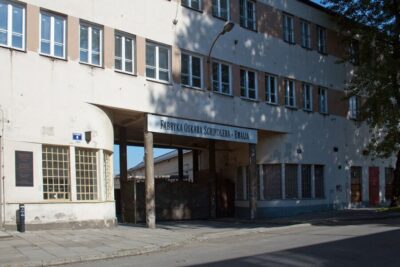
Schindler’s Factory Tour with Entrance Ticket
Read our review →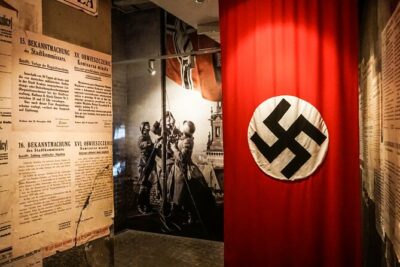
Schindler’s Factory in Krakow: Guided Tour & Skip the Line Ticket
Read our review →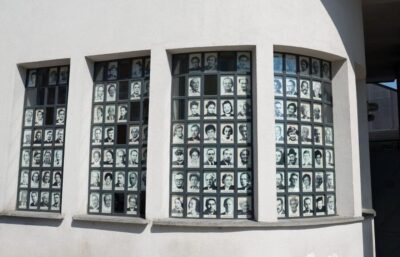
Schindler’s Factory Ticket with Guided Tour Option
Read our review →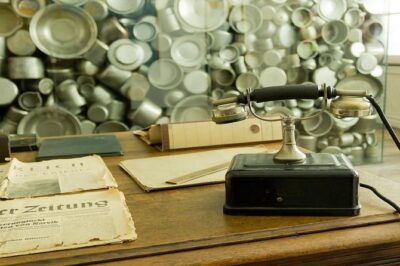
Krakow Schindler’s Factory Guided Tour with Admission Ticket
Read our review →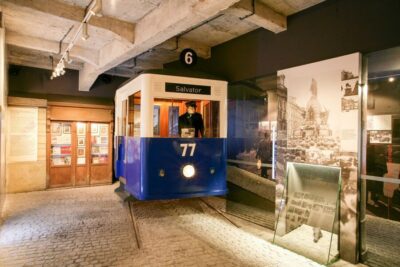
Schindler’s Factory Guided Tour with Entry Ticket
Read our review →Browse the lists this tour appears in