
Reviewed · SCHINDLERS FACTORY TOURS
Schindler’s Factory and Jewish Ghetto Walking Tour in Kraków
Schindler’s Factory is not simply a museum about one heroic industrialist. Its main exhibition, Kraków under Nazi Occupation 1939 to 1945, places Oskar Schindler’s story inside the wider terror faced by the city’s Jewish and Polish residents. You then walk through the former ghetto, where fragments of walls, a square, and one pharmacy help connect museum displays with real streets.
I like the prebooked museum admission, which removes one common Kraków headache. I also like the way a guide such as Magdalena, Phil, Joanna, or Alicja can explain photographs and personal objects instead of leaving you to decode a crowded museum on your own.
The main caution is the building itself. It is a museum, not a preserved factory floor, and the narrow rooms can feel packed when several groups arrive together. The walking portion may also feel brisk, so wear good shoes and stay close to the guide.
Key points before you book
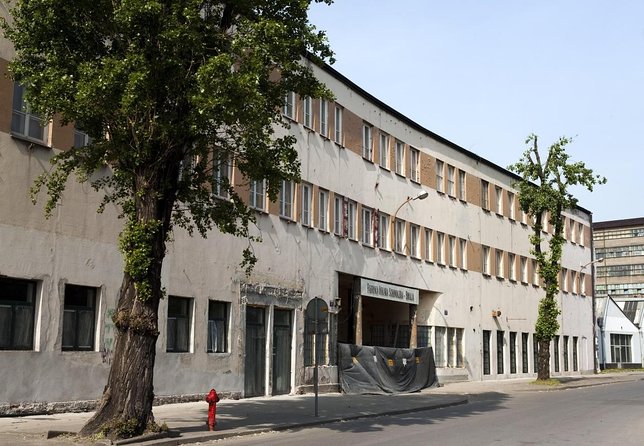
- The factory is now a history museum: You see an original historic building, but not Schindler’s old production equipment.
- The exhibition covers Kraków from 1939 to 1945: Schindler is central, but the museum also tells the broader story of occupation, persecution, and survival.
- The second half puts history on city streets: You visit a ghetto wall fragment, Ghetto Heroes Square, and the former Under the Eagle Pharmacy.
- Guides add the most value: Headsets may be provided, and strong guides use family stories, old photographs, and clear explanations to bring the sites into focus.
- The tour lasts about three hours: Allow extra time if the museum schedule shifts or the group takes longer at the outdoor stops.
- The group can include up to 25 people: That is manageable, but narrow museum rooms can still make seeing and hearing difficult.
Why Schindler’s Factory is more than a Schindler museum
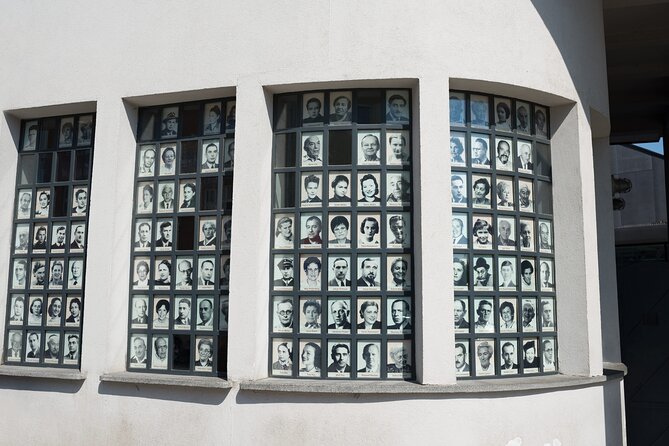
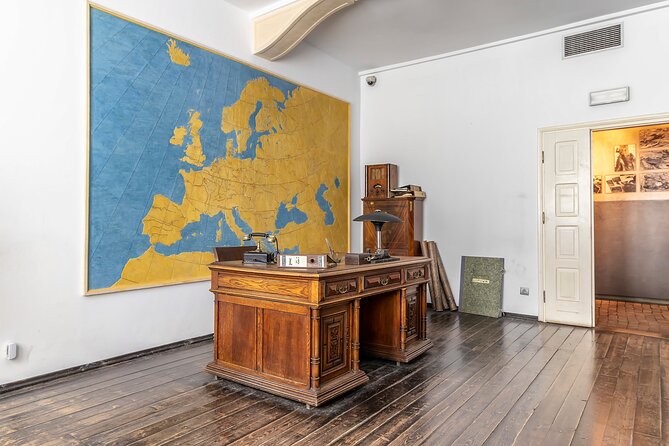
The tour begins at Lipowa 4 in Kraków’s former industrial district. This is the site of Oskar Schindler’s enamel factory, where Jewish workers were employed during the Nazi occupation.
Schindler used his contacts, money, and influence to protect more than a thousand Jewish men and women from deportation. That story is rightly powerful, and the museum explains how his actions affected the people later known as Schindlerjuden.
Still, you should arrive with the right expectations. The main exhibition is not a room-by-room account of Schindler’s life. It is a large historical presentation about Kraków under Nazi rule, with Schindler’s factory and rescue efforts woven into the larger story.
That wider focus is one of the museum’s strengths. You learn about the city’s changing daily life, the pressure placed on Jewish residents, and the machinery of occupation. Schindler’s choices then appear against a grim backdrop, rather than as an isolated movie plot.
If you visit expecting old machinery, factory tools, and a preserved industrial workplace, you may be disappointed. The building is historic, but it now functions as a museum and no longer contains the original production equipment.
More Schindlers Factory Tours in Krakow:
- Krakow: Oskar Schindler’s Factory Entry Ticket & Guided Tour
★ 4.2 · 3,793 reviews - Krakow: Schindler’s Factory Tour with Entrance Ticket
★ 4.5 · 3,182 reviews - Krakow: Schindler’s Factory Skip-the-Line Ticket
★ 4.4 · 3,105 reviews
Inside the 90-minute museum visit
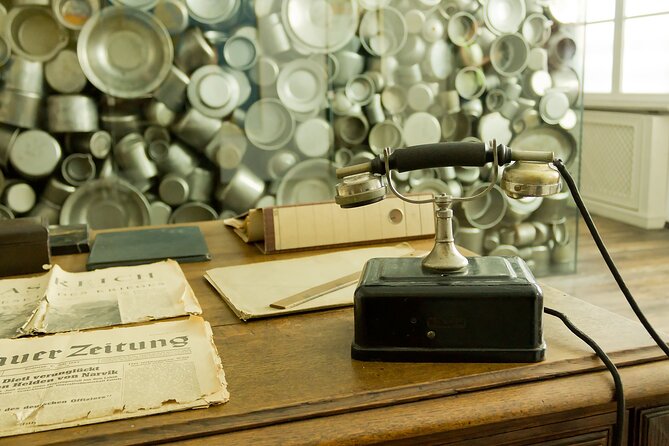
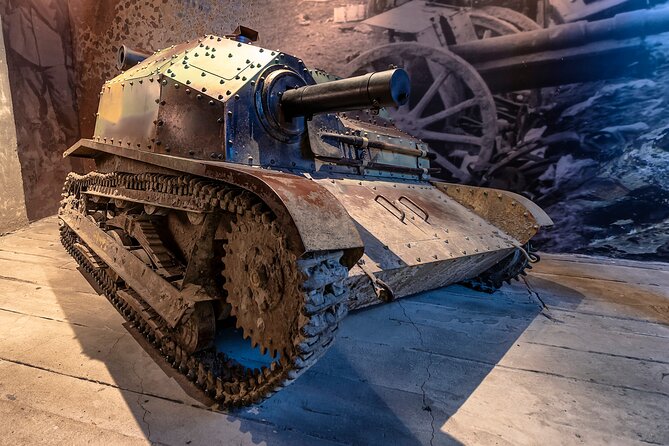
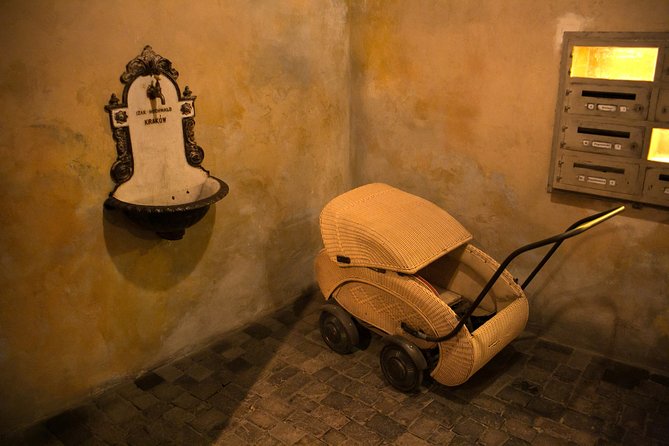
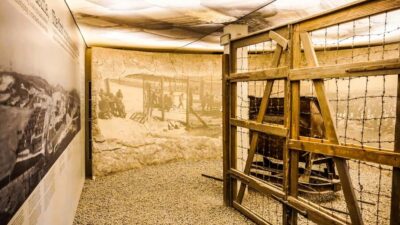
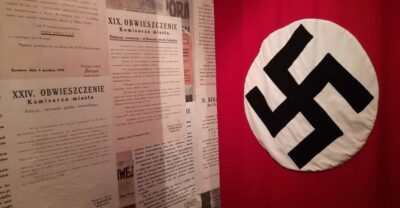
The museum portion takes about an hour and a half. A guide leads you through reconstructed streets, photographs, personal possessions, documents, and rooms designed to reflect the atmosphere of wartime Kraków.
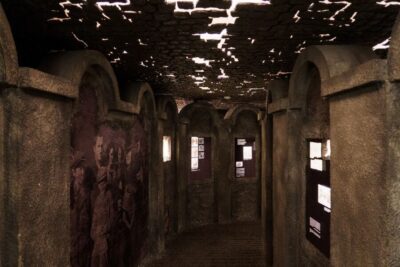
The exhibition’s layout is intentionally enclosed. You may pass through narrow corridors and compact spaces, with displays arranged to guide you through different stages of the occupation. This can make the experience feel immediate, but it also creates a practical problem: a group of 25 people does not always fit neatly around one object or photograph.
That is where the guide matters. A good guide keeps the group moving while pausing long enough to explain the important pieces. Several guides praised during the tour experience, including Magdalena, Phil, Joanna, and Alicja, were noted for using personal stories, old images, and thoughtful explanations rather than simply reading display labels.
Headsets may be supplied, which helps in a crowded room. Even so, stay near the guide. One poor experience involved a guide speaking too quickly and a group struggling to keep up during the outdoor walk. The quality of delivery can make a real difference in a museum where you are constantly moving from one small area to another.
The best approach is to let the guide provide the structure. The museum contains more information than you can absorb in one pass. A guided visit helps you focus on the main people, turning points, and images instead of trying to read every panel.
Schindler’s story in the wider occupation
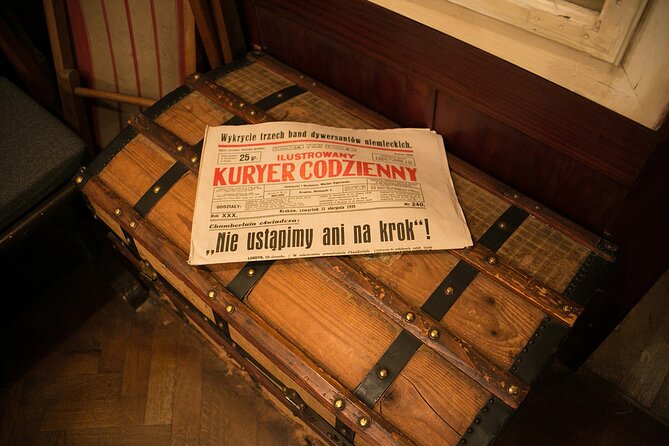
The exhibition works best when it connects personal choices with public events. You see how fear and uncertainty shaped ordinary life, then learn how deportation and forced separation changed the city.
Schindler’s role offers a rare thread of hope, but the museum does not turn the period into a simple story of good people and bad people. His ability to help depended on influence, access, and risk. The people he protected also had to endure forced labor, hunger, family separation, and the constant threat of removal.
The guide’s commentary gives these events a human scale. Instead of only hearing dates, you may hear about individual lives, workplaces, families, and decisions made under extreme pressure. That personal approach was especially effective with guides who encouraged the group to think about what the experience meant for people living through it.
This is also why the tour may suit families with older children and teenagers. The material is serious and painful, but a guide can explain it in a clear, respectful way. Younger children may find the subject matter and enclosed layout demanding, and parents should judge that carefully.
Walking from the factory to the former ghetto
After leaving the museum, the tour moves outdoors into the area once occupied by the Kraków Ghetto. The outdoor portion takes about an hour and includes several short stops.
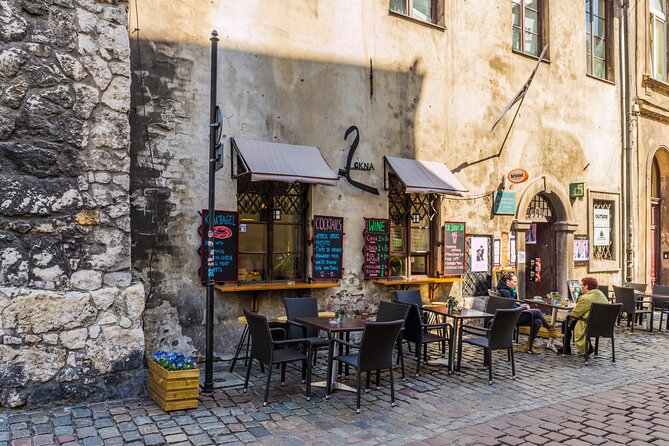
The streets look like modern Kraków, which can make the history feel distant. Your guide helps bridge that gap with explanations and, in some cases, historic photographs showing how particular locations looked during the occupation.
You are not walking through a preserved ghetto. Most of the original district has changed, and only fragments and selected buildings remain. That is important to understand before booking. The value lies in learning how the area functioned and seeing the surviving traces, not in finding a complete wartime district.
The walking section also gives the museum visit a physical setting. After seeing maps, objects, and photographs indoors, you can look at the spaces where confinement, welfare, medical care, and deportation unfolded.
Allow enough attention for street conditions. The tour takes place in all weather, and there may be little shelter during outdoor explanations. Check the forecast, dress suitably, and choose comfortable footwear. The route is not described as difficult, but the pace can feel fast if you stop to take photographs or fall behind.
More Jewish Ghetto Tours in Krakow:
- Krakow: Schindler’s Factory & Ghetto Guided Tour
★ 4.7 · 1,694 reviews - Krakow: Jewish Quarter and Former Ghetto Tour
★ 4.9 · 1,441 reviews - Krakow: Bike Tour of Old Town, Jewish Quarter and the Ghetto
★ 4.9 · 1,155 reviews - Krakow: Kazimierz, Schindler’s Factory & Ghetto Guided Tour
★ 4.8 · 460 reviews
The ghetto wall fragment at Józefińska 41
The first outdoor stop includes remnants of the Kraków Ghetto wall and the building at Józefińska 41.
This address once housed an orphanage, welfare offices, and a hospital. Those functions reveal something important about life inside the ghetto. The area was not only a place of imprisonment. It also required a network of care, however strained and inadequate, for children, sick people, and residents with few resources.
The preserved wall fragment is stark precisely because so little remains. It gives you a tangible marker of confinement and separation. Your guide explains what the wall meant and how the surrounding district was used.
Do not expect a large monument or a fully restored section. The surviving fragment is modest. Its power comes from the contrast between the ordinary modern street and the knowledge of what the wall once enclosed.
Ghetto Heroes Square and the Chair Memorial
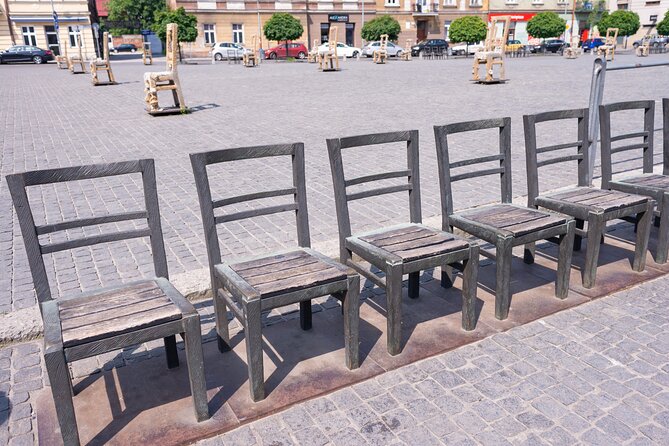
The tour continues to Ghetto Heroes Square, now marked by rows of empty chairs. The memorial refers to the furniture and belongings left behind during round-ups and deportations.
This open space became a place where Jewish residents were assembled before being sent away to concentration camps. The chairs are simple, but they make the square difficult to view as an ordinary public place. Each one suggests absence, waiting, and the abrupt removal of a household.
A guide is particularly useful here because the memorial can be misunderstood without context. You learn how the square functioned during the occupation and why the memorial uses chairs rather than a conventional statue.
The stop lasts about 20 minutes. That is enough time for an explanation and a moment to look around, though the group may need to stay together to hear everything. If the guide is using old photographs, position yourself where you can see both the image and the location it depicts.
Under the Eagle Pharmacy and Tadeusz Pankiewicz
Across the square is the former Under the Eagle Pharmacy, now part of the Museum of Kraków. The tour explains the work of pharmacist Tadeusz Pankiewicz and his staff, who offered medicine, shelter, and help to Jewish residents.
This stop adds another personal story to the one associated with Schindler. Pankiewicz’s pharmacy became a place of aid inside the ghetto, showing how practical acts of courage could matter in a system built to isolate and destroy.
The exterior visit is included in the walking route, but admission to the pharmacy museum is not included in this tour. That distinction matters. If you want to see the interior exhibition, plan for a separate ticket and additional time.
The pharmacy is also the tour’s endpoint, at Plac Bohaterów Getta 18. Ending here makes sense: you finish with a place connected to day-to-day medical help and resistance, rather than simply returning to the starting point.
How the guides shape the experience
The strongest part of this tour is the human explanation. The museum contains plenty of material, but a guide can tell you which details deserve your attention and how each section connects to the next.
Several guides received especially warm praise for keeping groups engaged for the full visit. Phil was described as speaking continuously while maintaining the group’s interest. Magdalena used both family stories and historical research, and also led the ghetto walk afterward. Joanna and Alicja were noted for combining facts with a sensitive focus on the people affected.
Those examples also point to a limitation: you cannot choose a particular guide. The company assigns the guide, and speaking speed, headset use, and crowd control may vary.
The tour is conducted in one language, English for this offering. Select that language when booking. Providing the full names of all participants is required because the museum issues personalized tickets.
Is $58.81 a fair price?
At $58.81 per person, this is not the cheapest way to see the museum and former ghetto area. You are paying for prebooked entry, a licensed guide, and a planned route that joins two related parts of Kraków’s wartime history.
The value is strongest if you would otherwise spend hours reading every display or struggle to connect the museum with the outdoor sites. The guide’s photographs and explanations can help you picture buildings and events that are no longer visible.
The value is weaker if you prefer to move slowly, read every label, or explore the pharmacy interior independently. The museum can be crowded, the group can contain up to 25 people, and the guided pace leaves less freedom for lingering.
The tour is often booked well in advance, with an average booking time of about 32 days. That suggests you should not leave it until the final morning of your Kraków stay, especially if your schedule depends on a particular time.
Timing, meeting point, and practical cautions
The advertised duration is about three hours, with roughly 90 minutes in the museum and about an hour outdoors. Actual timing may shift because of museum scheduling and site conditions. One group found the combined experience closer to four hours, so avoid booking a tight lunch, train, or other timed visit afterward.
Arrive at least 10 minutes before the start. Once the group has entered, late arrivals cannot be accommodated and the museum tickets are non-refundable.
The starting point is Schindler’s Factory at Lipowa 4. The tour ends at Under the Eagle Pharmacy, Plac Bohaterów Getta 18. Both points are near public transportation, but you should check your route in advance because the tour does not finish where it begins.
Most people can take part, but narrow passageways inside the museum may be difficult for anyone who dislikes tight spaces. Outdoor weather also affects comfort. The tour runs in rain or shine, so suitable clothing and shoes are not optional details.
Free cancellation is available up to 24 hours before the start time. Changes or cancellations made inside that window are not refunded.
Who should book this Kraków history tour?
I would choose this tour if you want a clear introduction to Kraków’s Jewish wartime history and prefer learning through stories rather than labels alone.
It suits first-time visitors who want the factory and ghetto sites in one outing. It also works well for families with older children, adults interested in World War II history, and anyone planning a visit to Auschwitz who wants context about Kraków first.
You may prefer a self-guided museum visit if you need a slow pace or want to study every display. You may also want a separate visit to Under the Eagle Pharmacy because its admission is not part of this experience.
FAQ
Where does the tour begin?
The tour begins at Schindler’s Factory, Lipowa 4, Kraków, Poland.
Where does the tour end?
The tour ends at Under the Eagle Pharmacy, Plac Bohaterów Getta 18, Kraków.
How long does the tour last?
The listed duration is approximately three hours. Timing can change because of museum or site scheduling, and some visits may take longer.
Is museum admission included?
Prebooked admission to Schindler’s Factory Museum is included. Admission to Under the Eagle Pharmacy is not included.
Is the tour offered in English?
Yes. This tour is offered in English, and group tours are conducted in one selected language.
How large can the group be?
The maximum group size is 25 people.
Is the original factory equipment still inside?
No. The original building remains, but it now operates as a museum and does not contain the original production equipment.
What happens if I arrive late?
You should arrive at least 10 minutes early. Once the group has entered, late arrivals cannot be accommodated, and the tickets are non-refundable.
Should you book it?
Book this tour if you want the main historical points explained in a connected story, from Schindler’s factory to the ghetto wall, the deportation square, and Under the Eagle Pharmacy.
Go in knowing that Schindler’s Factory is chiefly a Kraków occupation museum, not a preserved factory tour. If you accept that distinction, the combination is meaningful and efficient. The best guides turn a crowded museum and altered city streets into a thoughtful lesson about courage, persecution, and the people forced to survive both.
More Walking Tours in Krakow
- Old Town Krakow & Wawel Castle Walking Tour
★ 5.0 · 1,508 reviews - Creepy Krakow: 2-Hour City Walking Tour
★ 4.7 · 1,131 reviews - Krakow: The Old Town Walking Tour
★ 4.8 · 794 reviews - Krakow: Kazimierz Jewish Quarter Walking Tour
★ 4.8 · 571 reviews
Just added around Krakow
- From Krakow: Zakopane and Dunajec River Rafting Tour★ 4.6 · 31 reviews
- From Krakow: Zakopane and Gubałówka Cable Car Private Tour★ 4.3 · 12 reviews
- From Krakow: Zakopane Full-Day Tour with Lunch Option★ 4.4 · 62 reviews
- From Krakow: Zalipie and Painted Village Guided Tour★ 4.0 · 4 reviews
- From Krakow: Zakopane Tatra Mountains & Hot Springs Tour★ 3.0 · 29 reviews
- From Krakow: Zakopane and the Tatra Mountains★ 4.7 · 36 reviews
- From Krakow: Hot Springs and Zakopane with Gubałówka★ 4.7 · 25 reviews
- Zakopane & Tatra Mountains Private Full-Day Tour from Krakow★ 4.5 · 33 reviews
Schindlers Factory Tours, compared.
Oskar Schindler’s Factory Entry Ticket & Guided Tour
Read our review →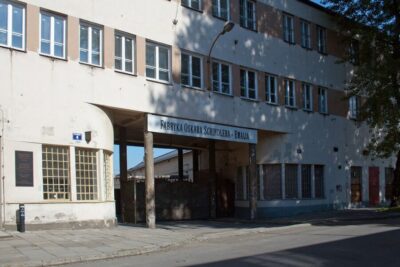
Schindler’s Factory Tour with Entrance Ticket
Read our review →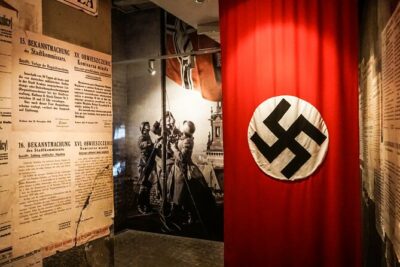
Schindler’s Factory in Krakow: Guided Tour & Skip the Line Ticket
Read our review →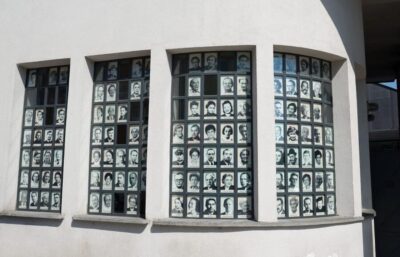
Schindler’s Factory Ticket with Guided Tour Option
Read our review →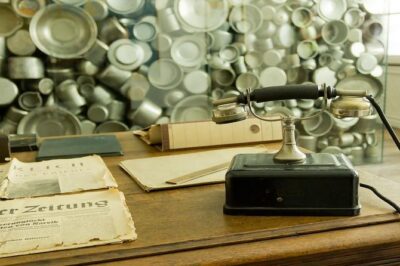
Krakow Schindler’s Factory Guided Tour with Admission Ticket
Read our review →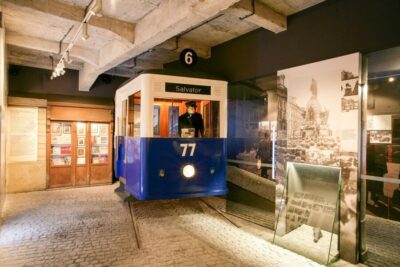
Schindler’s Factory Guided Tour with Entry Ticket
Read our review →Browse the lists this tour appears in