
Reviewed · WALKING TOURS
Wroclaw: Old & New Town Highlights Private Guided Walking To
Wroclaw’s prettiest streets tell only half the story. This four-hour private walk links the Gothic Market Square and Baroque University with World War II, the Polish People’s Republic, and modern Poland, giving you a fuller picture of a city that has changed hands and identities many times.
I like the private format, since your guide can adjust the pace and spend more time on the subjects your group cares about. I also like the route’s strong mix of sights, from the copper dwarfs and Cloth Hall to the churches of Ostrow Tumski. The main consideration is time: four hours on foot covers a lot, so comfortable shoes matter.
The guide may be Andrzej, whose clear explanations and human approach have earned especially warm praise. He is known for adding social and everyday-life details rather than giving you a string of dates. Still, this is a city walk, not a slow museum visit, and entrance details beyond the included churches should be confirmed before you set out.
Key points at a glance
- A complete Wroclaw story: Move from medieval foundations through wartime destruction, communist rule, and present-day life.
- Private attention: Your group of family or friends tours with a licensed guide and a program adapted to your interests.
- The best central sights: See Rynek Glowny, the Gothic Town Hall, Cloth Hall, Wroclaw University, and the Royal Road.
- Cathedral Island included: Reach Ostrow Tumski, home to St. John the Baptist’s Cathedral and a cluster of churches and cloisters.
- Useful admissions: Visit St. Adalbert’s Church at no extra charge and enter the Cathedral of St. John the Baptist.
- Local planning help: Finish with suggestions for restaurants, patisseries, and pubs.
Starting beneath the spire on Plac Solny
The walk begins at Plac Solny, beneath the spire monument. This is a sensible meeting place because it puts you right beside Wroclaw’s historic core, with the Market Square and its surrounding streets close at hand.
Before the tour begins, check your email the day before. Important meeting information is sent there, and that small bit of preparation can prevent a rushed start.
Because this is a private walking tour, you are not tied to the needs of a large mixed group. If your family wants more architecture, your friends want more recent Polish history, or someone in the group needs a gentler pace, the guide can shape the program around those interests. The tour is also listed as wheelchair accessible, though a four-hour route through historic streets may still be worth discussing in advance with the provider.
The activity lasts four hours and returns to the same meeting point. There is no transport between the sights, so you should plan for steady walking and wear shoes suited to old city streets.
A few more Wroclaw trips to weigh up
- Wrocław: Old Town and Ostrów Tumski Walking Tour in English
★ 4.8 · 311 reviews - Wroclaw: Private Old Town Guided Walking Tour (2 hours)
★ 4.8 · 275 reviews - Old Town Wrocław Walking Tour
★ 5.0 · 249 reviews
Medieval streets and Wroclaw’s great Market Square
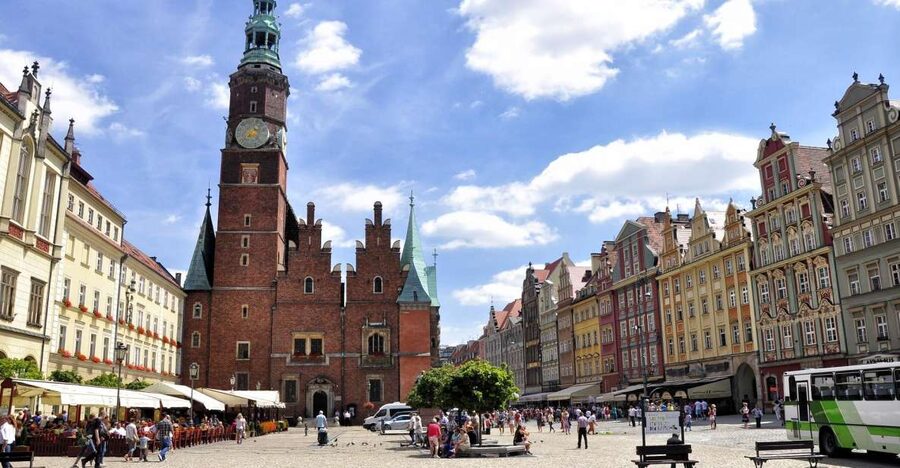
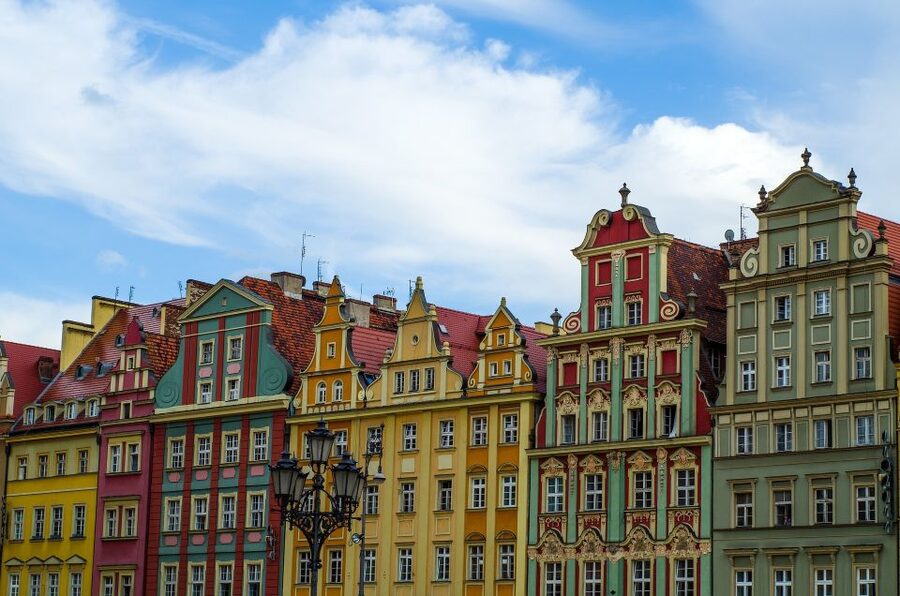
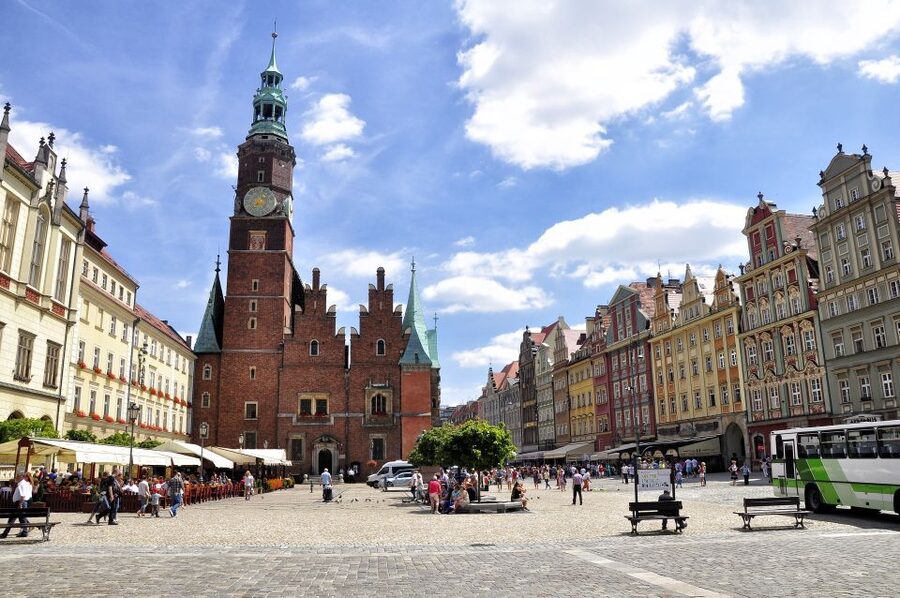
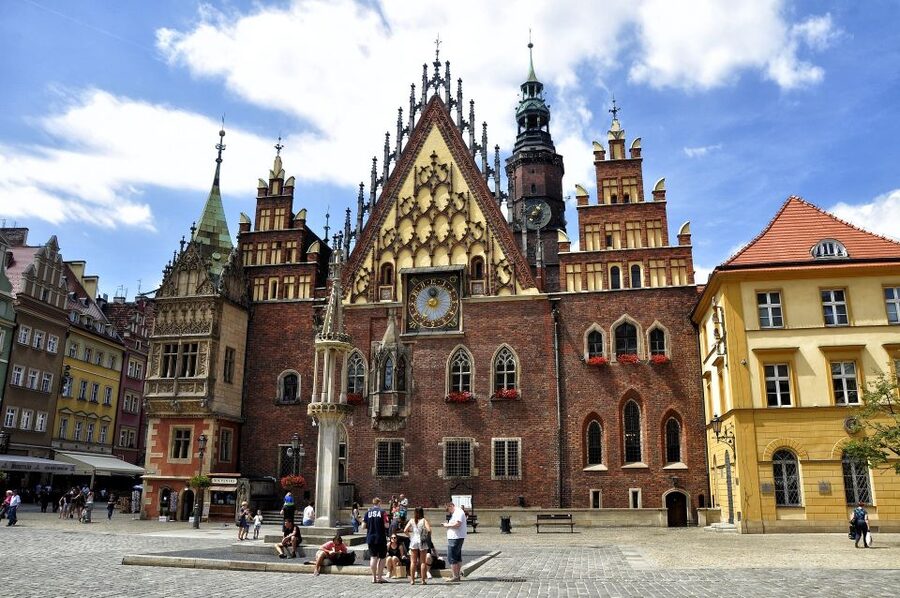
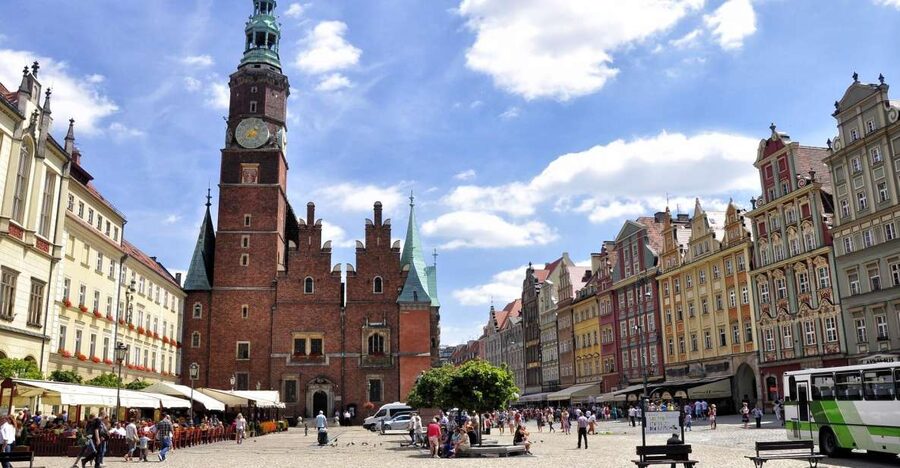
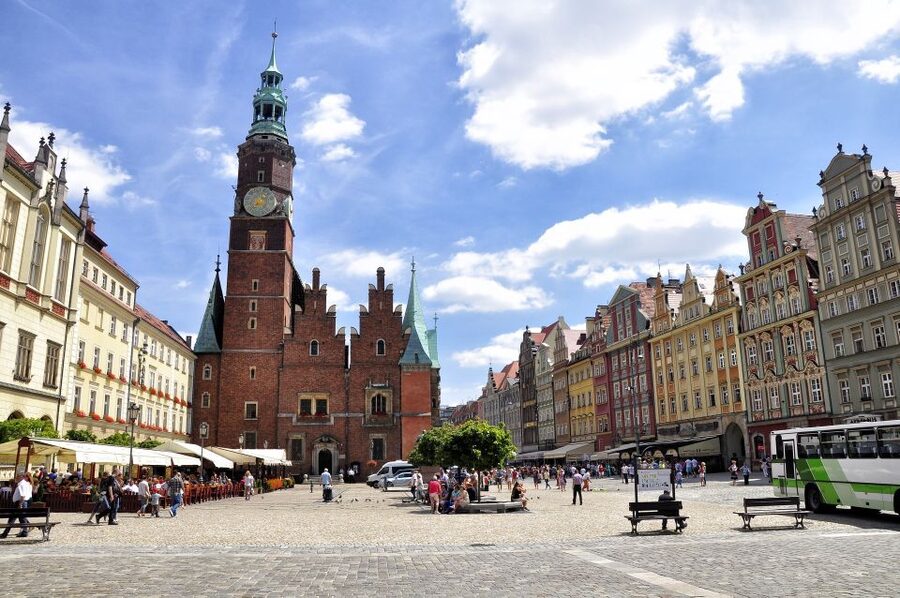
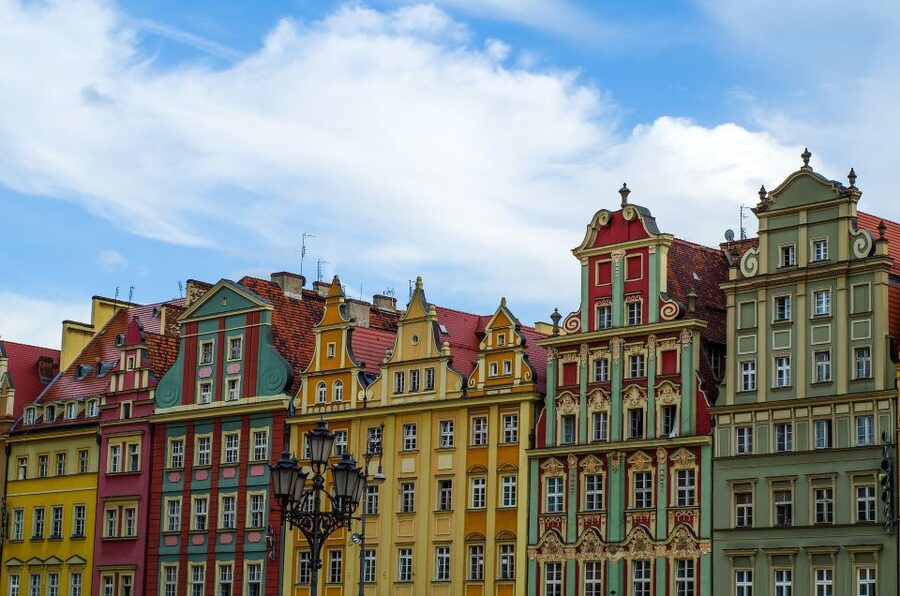
The first major part of the walk leads through Wroclaw’s Old Town and its medieval street plan. You will reach Rynek Glowny, the city’s main square and one of the largest in Europe, where old tenement houses form a colorful architectural frame around the open space.
The square works best with a guide because the buildings do not all tell the same story. Their façades reflect different periods, changing fortunes, and layers of rebuilding. At the center sits the Gothic Town Hall, one of the city’s defining buildings, along with the picturesque Wroclaw Town Hall.
You will also see the Cloth Hall, a reminder that this was not simply a ceremonial square. Markets and trade helped make the center of Wroclaw important, and the surrounding streets still give you a feel for how commercial and civic life once met in the same place.
I would listen closely here for the guide’s explanation of how the city moved from its medieval roots into the difficult twentieth century. The route is not limited to pretty façades. It is designed to explain how Wroclaw became the city you see today.
Copper dwarfs and small details in the center
The famous copper dwarfs add a lighter note to the walk. These small figures appear around Wroclaw, and spotting them gives you a reason to keep looking down side streets and beside major monuments.
The dwarfs are more than a quick photo stop. They make the city easier to notice at street level, especially after the grand scale of the Market Square. Your guide can point out examples along the route and explain why they have become part of Wroclaw’s modern identity.
You will also see the memorial to Dietrich Bonhoeffer. This adds a more serious layer to the central walk and gives the guide a chance to connect Wroclaw with the wider moral and political pressures of twentieth-century Europe.
One advantage of a private tour is that you can pause for questions at moments like this. A large group often moves on as soon as the guide finishes a prepared explanation. Here, you can ask how a monument fits into the city’s past, or shift the conversation toward the parts of Polish history you want to understand better.
Wroclaw University and the Baroque Aula Leopoldina
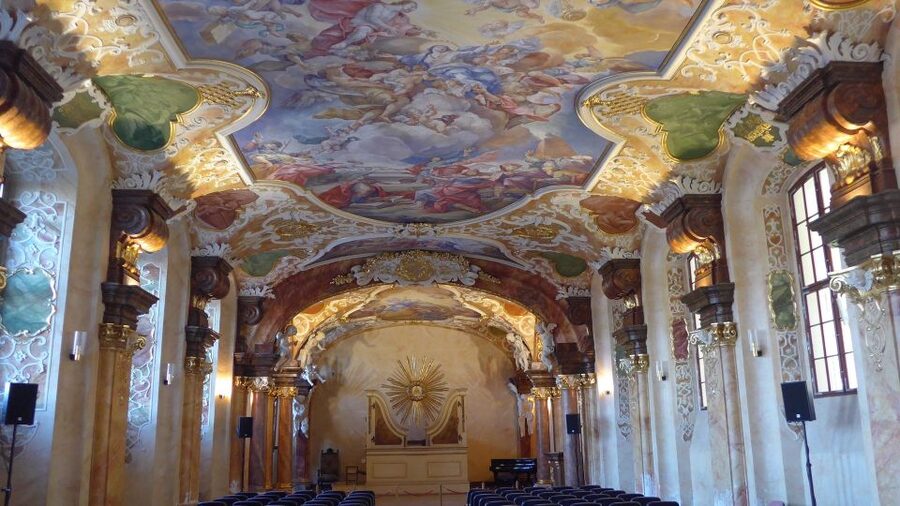
The route continues to the main building of Wroclaw University. Its architecture is an important change from the medieval Gothic buildings around the Market Square, and the Baroque Aula Leopoldina is the main visual prize.
The university helps explain Wroclaw’s long role as a center of learning. The building is not treated as an isolated architectural stop. It fits into the larger story of the city’s shifting political and cultural connections.
You should clarify with the guide exactly what interior access is available on your chosen day. The tour description promises the main university building and its impressive Aula Leopoldina as part of the route, but the included admission specifically names St. Adalbert’s Church and St. John the Baptist’s Cathedral. That distinction matters if you are hoping to spend time inside every building.
This is also a good place to ask about the difference between seeing Wroclaw as an old European city and understanding it as a modern Polish city. The guide is expected to move between architectural detail and the lives of people who studied, worked, worshiped, and rebuilt here.
Same country, a completely different kind of day:
- Wroclaw: E-Car Tour and Audio Guide
★ 4.6 · 1,738 reviews - Wroclaw: 2-Hour Private Guided Tour by Electric Car
★ 4.8 · 805 reviews - Wroclaw: City Tour Sightseeing By Golf Cart Shared Or Privat
★ 4.8 · 189 reviews - Auschwitz-Birkenau Tour from Wrocław
★ 5.0 · 129 reviews
The Royal Road toward Ostrow Tumski
From the central streets, the tour follows the Royal Road toward Ostrow Tumski, also called Cathedral Island. This is the oldest part of Wroclaw and the major change of mood in the itinerary.
The route gradually leaves the commercial center behind and brings you into an area shaped by churches, cloisters, and religious buildings. The result is quieter and more reflective than the Market Square, even though both areas belong to the same central city walk.
Ostrow Tumski is often described as Wroclaw’s top attraction, and I can see why it is given a central place in this route. It combines architectural interest with a strong sense of place. You are not simply checking off one church after another. You are seeing the district where the city’s earliest development and religious life are most closely gathered.
The guide’s wider story is especially useful here. Wroclaw’s medieval past is only one part of the picture. The walk is also meant to explain how war, political change, and postwar Polish life affected the city and its residents.
St. Adalbert’s Church and the Cathedral
St. Adalbert’s Church is included with free admission, giving you a chance to step inside without an extra ticket cost. Its place on the route helps break up the outdoor walking and gives you a closer look at Wroclaw’s religious architecture.
The tour also includes entrance to the Cathedral of St. John the Baptist. This is one of the key stops on Ostrow Tumski, and the interior visit adds value to the experience. Instead of viewing the cathedral only from the outside, you can examine the building as a working religious and historic space.
The cathedral area contains many churches and cloisters, which create the spiritual atmosphere promised by the route. You should not expect a full religious-art lecture unless you request one, but you can ask the guide to focus more on architecture, worship, or the district’s place in Wroclaw’s early history.
I like that the admissions are targeted rather than spread across a long list of optional tickets. You get meaningful interior access while keeping the tour centered on the city itself. If you want to enter additional buildings, ask what is possible and what would require a separate fee.
The twentieth century: war, communism, and daily life
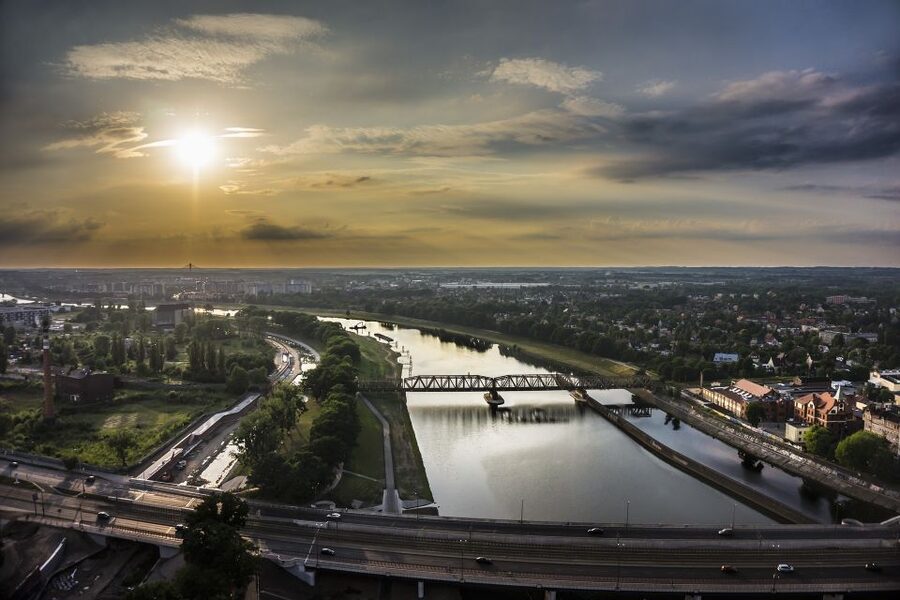
The most unusual feature of this walk is its attention to recent history. Many city tours stop after the medieval center and a few famous monuments. This one continues into World War II, the Polish People’s Republic, and contemporary Wroclaw.
That wider time frame changes how you read the streets. The old buildings are not just pretty survivors. They belong to a city shaped by conflict, border changes, political rule, rebuilding, and the challenge of creating a normal daily life after upheaval.
The Polish People’s Republic period is especially useful to discuss with a local guide. You may learn how ordinary life looked, how public space was used, and how people experienced political change beyond the official version of events. The guide is also encouraged to discuss human and social issues, not only dates and monuments.
This is where Andrzej appears to be a strong fit for the tour. His approach is described as competent, clear, and open to conversation about people and society. If your group wants more than a standard heritage walk, ask directly for this modern-history focus at the start.
The exact balance will depend on your guide and your group. A family with young children may prefer more dwarfs and architecture, while adults interested in Poland’s recent past may want to spend longer on the twentieth century. The private setup gives you room to make that choice.
What four hours and a private guide are worth
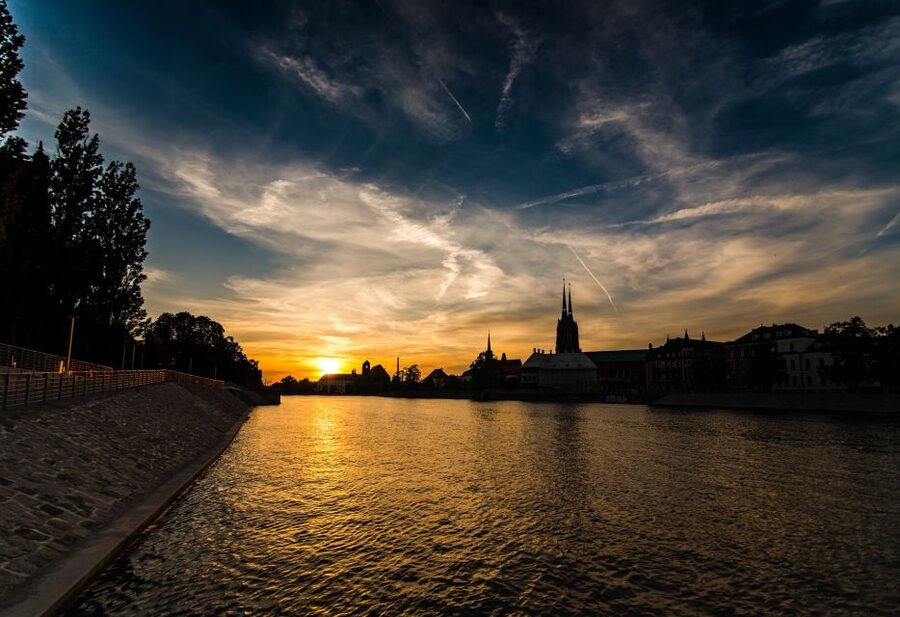
The listed price is $154 per person. That is a serious cost for a walking tour, particularly for a small group, so the value depends on how much you want personal attention and historical context.
For a private group, the price covers a licensed guide, a four-hour route, an adaptable program, admission to St. Adalbert’s Church, and entrance to St. John the Baptist’s Cathedral. You also receive practical suggestions for local restaurants, patisseries, and pubs. Those recommendations can be useful after a long walk, especially if you want to continue exploring without spending time sorting through options.
I think the price makes more sense for families, couples, or friends who would otherwise book separate tours or want to control the conversation. A solo visitor may find the per-person price harder to justify unless the private format and detailed history are priorities.
The tour also includes free cancellation up to 24 hours before the start and a reserve-now, pay-later option. Those terms are useful if your Wroclaw plans are still shifting, though you should still check the available start times before booking.
Seven guide languages are available: Spanish, English, French, German, Italian, Polish, and Russian. Be sure to choose the language that will let your group ask questions comfortably. A historical walk gains much of its value from conversation, not just from hearing prepared facts.
Who will get the most from this walk
I would recommend this tour to you if you are visiting Wroclaw for the first time and want a clear orientation to the center. The route covers the main sights without treating them as disconnected photo stops.
It is also a good choice for anyone who wants recent Polish history included in a city tour. The combination of medieval Wroclaw, wartime experience, communist-era life, and modern identity gives you more context than a standard Old Town circuit.
Families and friend groups should appreciate the private format. You can keep the pace together, ask informal questions, and request tips for eating or going out afterward. The copper dwarfs also provide a simple way to keep younger walkers interested between the larger monuments.
The tour may be less suitable if you dislike long walks, want extensive free time at each interior site, or prefer to explore entirely on your own. Four hours is enough to cover a broad route, but not enough to study every church, museum, and university room in detail.
Practical advice before you book
Read the email sent the day before the tour, since it contains important information for your meeting. Start at Plac Solny under the spire monument, and remember that the walk ends there too.
Ask the guide at the beginning how the four hours will be divided. You can then decide if your group wants more time at the Market Square, more attention to the university, or a longer discussion of World War II and the Polish People’s Republic.
Wear comfortable shoes and bring enough time after the tour for lunch or a drink. The guide can suggest restaurants, patisseries, and pubs, but the activity itself remains a walking tour rather than a food tour.
If someone in your group uses a wheelchair, the activity is listed as wheelchair accessible. Still, tell the provider about your needs before the day, since the route passes through historic areas and includes older religious buildings.
Should you book the Wroclaw Old and New Town tour?
Book it if you want Wroclaw explained as a living city, not just presented as a collection of attractive buildings. The Market Square, University, copper dwarfs, Royal Road, and Cathedral Island give you the essential sights, while the attention to war, communism, and modern life adds the real reason to choose this walk.
The $154 per-person price is best justified when your group values a private guide, flexible discussion, and included church admissions. If those features matter, four hours with a guide such as Andrzej can give you a strong start in Wroclaw and plenty of useful ideas for the rest of your stay.
FAQ
Where does the walking tour begin?
The tour begins at Plac Solny in Wroclaw, under the spire monument.
Where does the tour finish?
The activity ends back at the meeting point on Plac Solny.
How long does the tour last?
The private walking tour lasts four hours. Starting times depend on availability.
Is the tour private?
Yes. The tour is for a private group, such as your family or friends, and the program can be adapted to your group’s preferences.
Which languages are available?
The live guide can lead the tour in Spanish, English, French, German, Italian, Polish, or Russian.
Is admission to any churches included?
Yes. Admission to St. Adalbert’s Church is free, and entrance to the Cathedral of St. John the Baptist is included.
Can I cancel the booking?
You can cancel up to 24 hours before the tour for a full refund. A reserve-now, pay-later option is also available.
Just added around Wroclaw
- Wrocław: World War II and the non-existent city of Breslau★ 3.6 · 3 reviews
- Wrocław to Rock City in Adrspach and Project Riese day trip★ 5.0 · 5 reviews
- Wroclaw: WW2 Tour to Project Riese & Gross-Rosen Museum★ 4.8 · 26 reviews
- Wroclaw: University Baroque Tour★ 5.0 · 19 reviews
- Wroclaw : Walking Custom Tour with a Local Guide★ 4.8 · 3 reviews
- Wrocław: Tour of the Old Town in an Imperial E-car★ 4.3 · 13 reviews
- Wroclaw to Rock City in Adrspach and Ksiaz Castle day trip★ 4.9 · 16 reviews
- Wroclaw: Third Reich and World War Two Historical Tour★ 4.9 · 43 reviews
Walking Tours, compared.
Gdańsk City Sights & History Guided Walking Tour in English
Read our review →
Browse the lists this tour appears in