
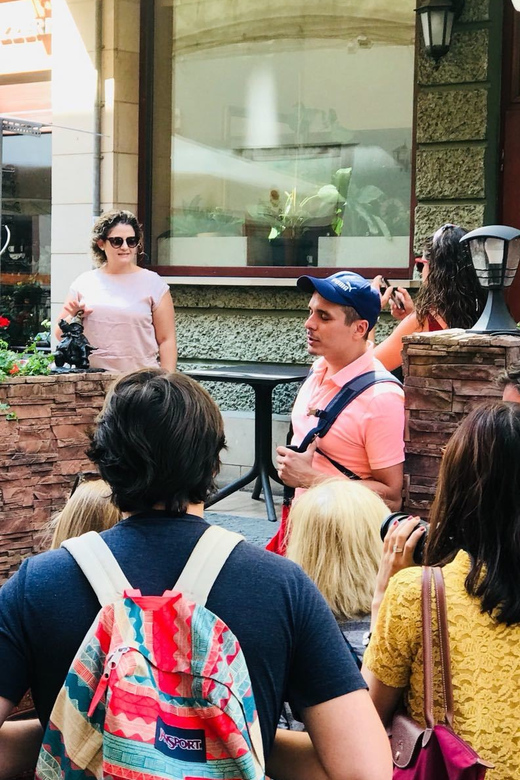
Reviewed · WALKING TOURS
Wroclaw: Guided City Walk
Wroclaw’s best introduction may be a walk that moves from the fanciful gnomes of the Market Square to the solemn churches of Cathedral Island. In 2.5 hours, you’ll see how Polish, Czech, Austrian, and German chapters shaped one city, with an English-speaking guide supplying legends, odd facts, and useful local advice.
I like the strong mix of major sights and small details, especially the gnome story and the medieval tales of merchants, guilds, and craftsmen. I also like the clear route through the city center, from the late Gothic Town Hall and Market Square to the Baroque university and Cathedral Island.
The main consideration is pace. This is a shared walking tour, so you will cover a lot of ground without long interior visits, and you should wear good shoes and prepare for changing weather. Guides named Sean and Adam have received especially warm praise for their friendly delivery and city knowledge, but your assigned guide may be someone else.
Key points at a glance
- Begin beneath a red umbrella at Rynek 30: The meeting point is in front of McDonald’s on the Market Square.
- Follow a 1,000-year story: The route explains Wroclaw’s mixed Polish, Czech, Austrian, and German past.
- See the late Gothic Town Hall: This is the visual centerpiece of the Market Square and an early highlight.
- Look for Wroclaw’s small gnomes: Your guide explains why these figures appear throughout the city.
- Enter the Baroque world of the university: The campus reveals the influence of Habsburg rule.
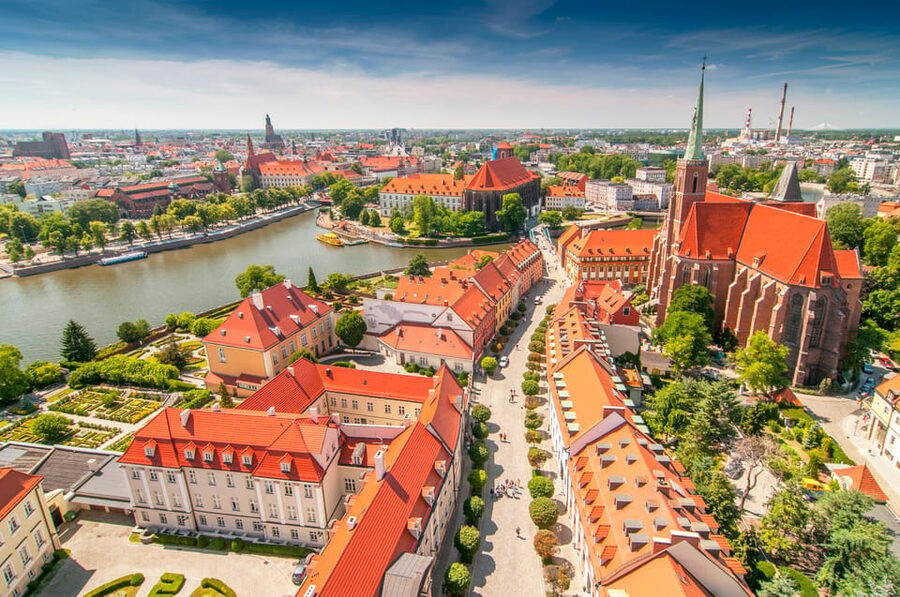
- Finish with Cathedral Island: Churches, cloisters, and the Cathedral of St. John the Baptist give the walk a quieter final act.
Starting beneath Wroclaw’s red umbrella
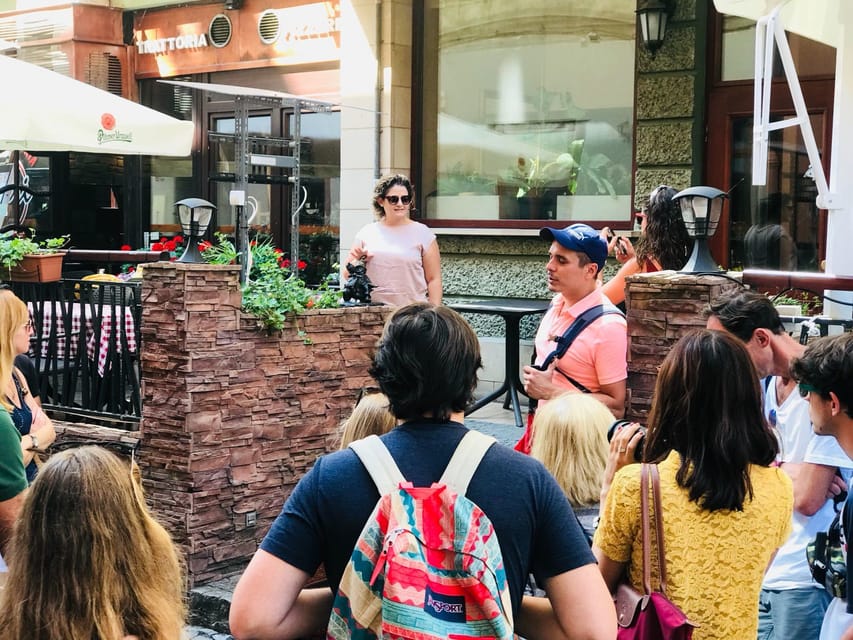
Your meeting point is easy to identify: in front of McDonald’s at Rynek 30, where the guide will hold a red umbrella. That practical marker matters in a busy square, particularly if several walking groups gather nearby.
The tour is conducted in English and lasts 2.5 hours. Since this is a shared experience, you have a chance to meet other people, but the exact feel of the group will vary. You should expect a social walk rather than a private, stop-and-go tour built around your own interests.
The price is $40 per person. For that cost, you receive a local English-speaking guide and a focused route through several of Wroclaw’s most important central sights. I consider it fair value if you want context, orientation, and stories in one sitting, rather than simply taking photographs of buildings on your own.
The tradeoff is that the tour does not list admission to specific interiors. The emphasis is on seeing the city from its streets and understanding how the pieces fit together. If you want extended time inside the university or Cathedral, you may need to return independently.
A few more Wroclaw trips to weigh up
- Wrocław: Old Town and Ostrów Tumski Walking Tour in English
★ 4.8 · 311 reviews - Wroclaw: Private Old Town Guided Walking Tour (2 hours)
★ 4.8 · 275 reviews - Old Town Wrocław Walking Tour
★ 5.0 · 249 reviews
Rynek and the late Gothic Town Hall
The walk begins in Rynek, Wroclaw’s Market Square. This is the right place to start because the square gives you an immediate sense of the city’s scale, color, and layered past.
The late Gothic Town Hall is the main architectural prize here. Its detailed exterior rewards a slow look, and your guide can help you read the building as more than a handsome backdrop. The square also introduces the city’s commercial past, when merchants, guilds, and craftsmen made this central district their workplace.
I like that the guide points out where to eat and drink. That advice is useful early in a stay, when you still need to sort out the city’s dining options. Make a quick note of any recommendations that suit your budget, then return after the tour if you want a longer meal.
Rynek can also be the noisiest and most crowded part of the route. Keep your attention on the guide, especially while moving around the square, and do not expect a quiet introduction. The reward is a quick orientation to the city’s central meeting place.
Medieval lanes and the city’s layered past
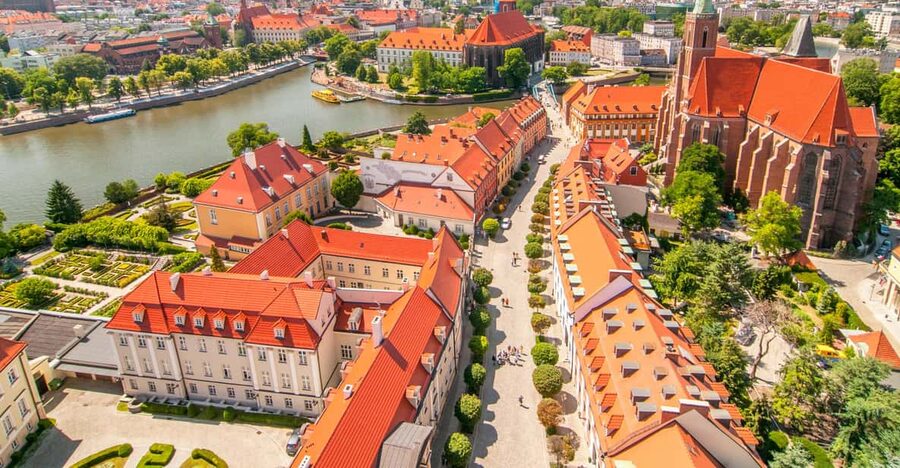
From the Market Square, the route continues through medieval streets. Here, the experience shifts from grand public architecture to smaller passages and varied façades.
Your guide explains how merchants, guilds, and craftsmen shaped these streets. That makes the walk more useful than a simple list of dates. You begin to see why the city’s historic center feels like a record of changing powers and trades, rather than one carefully planned architectural period.
Wroclaw’s story includes Polish, Czech, Austrian, and German influence. The guide presents this mixed legacy as part of the city’s identity, with funny stories, local legends, and strange facts attached to particular buildings. The approach should suit you if you enjoy history delivered through people and anecdotes instead of a long lecture.
The route’s variety is one of its strengths. You may move from Gothic forms to Baroque decoration and then to more ordinary historic streets within a short distance. At the same time, anyone hoping for a detailed examination of every building will find the schedule tight. A 2.5-hour walk needs to keep moving.
Hunting for Wroclaw’s famous gnomes
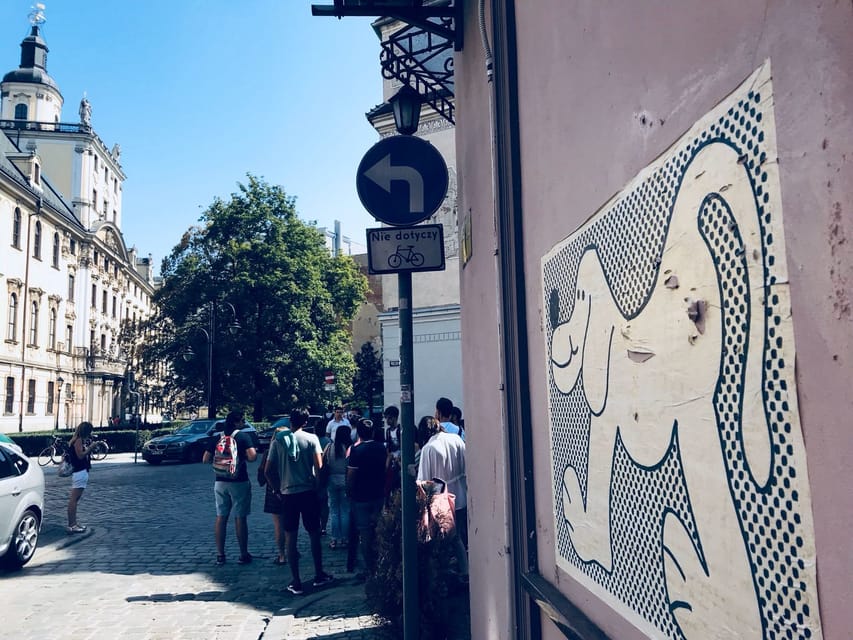
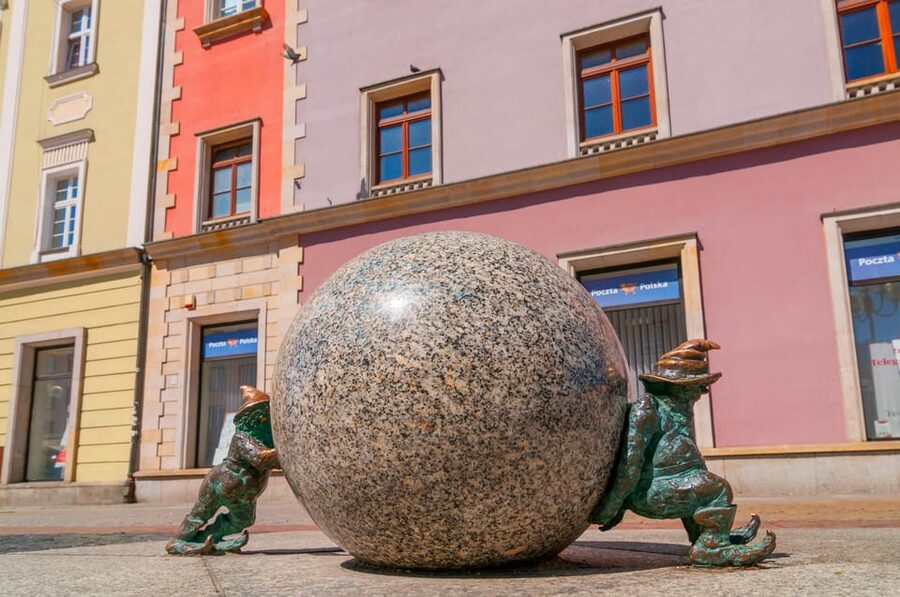
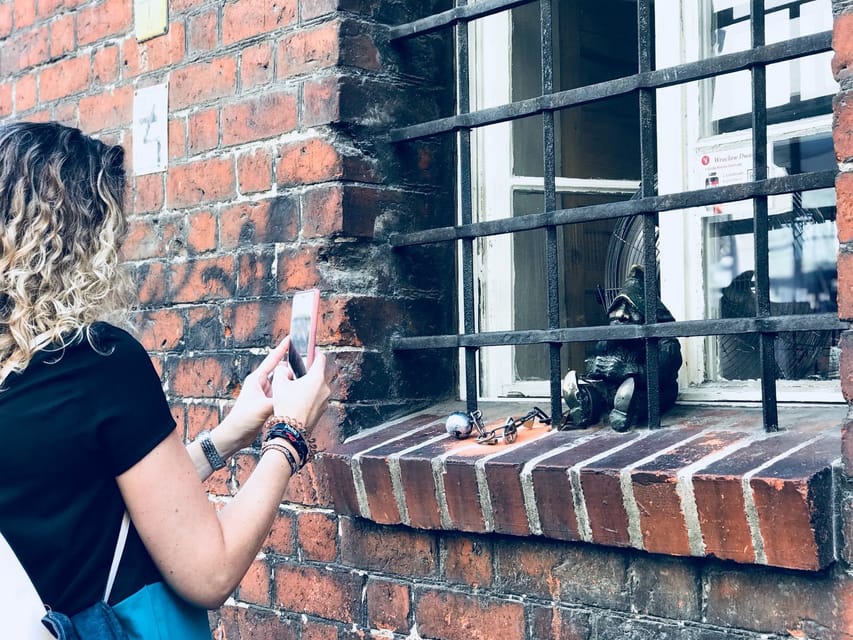
One of the most playful parts of the walk is the search for Wroclaw’s gnome statues. These small figures appear around the city, and the guide explains why there are so many and what they mean locally.
The gnomes give you an easy way to stay engaged while listening to the city’s history. They are small enough to miss, so you will have a reason to look down and around instead of focusing only on large monuments. Children may especially enjoy this part, though adults will appreciate the political and cultural story behind the tradition.
Your guide may also use the gnomes to connect modern Wroclaw with its earlier chapters. That blend of humor and serious history is a good fit for a first walk through the center. You leave with a simple sightseeing game for later: keep spotting more figures as you explore on your own.
The gnome stops are not a substitute for a full account of the city’s past. They work best as memorable markers along the route. If you want the most from them, ask your guide to explain the story clearly and note any locations you would like to revisit.
Same country, a completely different kind of day:
- Wroclaw: E-Car Tour and Audio Guide
★ 4.6 · 1,738 reviews - Wroclaw: 2-Hour Private Guided Tour by Electric Car
★ 4.8 · 805 reviews - Wroclaw: City Tour Sightseeing By Golf Cart Shared Or Privat
★ 4.8 · 189 reviews - Auschwitz-Birkenau Tour from Wrocław
★ 5.0 · 129 reviews
The university and its Habsburg Baroque setting
The next major stop is the university campus, a change in mood and design from the Market Square. The complex is known for its Baroque architecture and its connection with Habsburg rule, earning the description Pearl of the Habsburg rule.
The main assembly hall is a key sight. Its decoration shows how much ceremony and visual drama mattered in the Baroque period. Even from the outside, the university adds an important layer to the tour because it connects Wroclaw’s city life with education, power, and imperial culture.
I like this stop because it prevents the walk from becoming only a tour of squares and churches. You see how institutions helped shape the city, and you get another clear example of Wroclaw’s changing architectural styles.
The tour information does not include a separate interior visit or admission. That means you should treat the university as a guided exterior and campus stop unless your guide says otherwise. If the assembly hall is a personal priority, ask about available visiting arrangements after the walk.
Crossing the Oder toward Cathedral Island
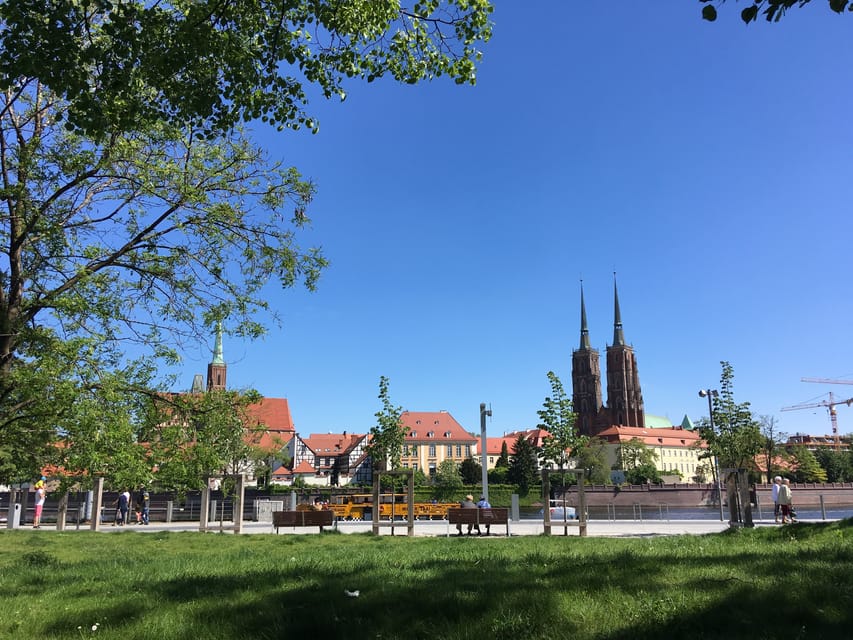
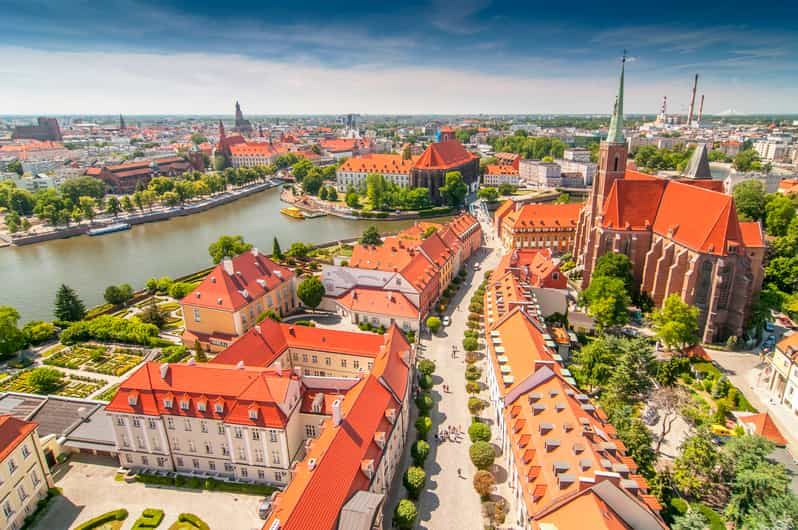
The route then crosses the Oder River toward Ostrow Tumski, or Cathedral Island. This is the oldest part of Wroclaw and provides a strong contrast with the commercial energy of Rynek.
The change is not only geographic. Cathedral Island has a more spiritual atmosphere, shaped by churches, cloisters, and the Cathedral of St. John the Baptist. After the jokes and gnome hunt, the final section gives the tour a quieter and more reflective tone.
The Cathedral is the principal landmark here, but the surrounding religious buildings matter just as much. Your guide helps you understand why this district is central to Wroclaw’s story and why it feels separate from the Market Square, even though the two areas are connected by the walking route.
The crossing and the distance between sights are worth keeping in mind. This is not a bus tour with frequent seats or sheltered transfers. Wear comfortable shoes, bring an umbrella, and carry a jacket. The advice is especially sensible because weather can change during an outdoor walk.
The itinerary describes the visit as concluding in Ostrow Tumski, while the meeting information says the activity ends back at the original meeting point. Since those details do not perfectly match, ask the guide on arrival where the walking portion finishes and how the return to Rynek is handled.
What the guiding style adds
The most important part of this experience is not simply the number of sights. It is the guide’s ability to connect them with stories that make the route easy to remember.
Sean has been praised for being friendly, while Adam has been singled out for clear explanations of the city and its history, along with funny stories. Those names offer a useful clue about the tone you may encounter: personable, informal, and focused on making the past accessible. They do not guarantee that either guide will lead your departure, so book for the route and format rather than for a specific person.
The guide also points out places to eat and drink. That is a practical bonus, particularly if you take the walk near the start of your visit. You can use the tour to decide which districts deserve more of your time and which landmarks you want to revisit at a slower pace.
A shared tour also has limits. The guide must balance different interests and keep to the schedule. You may not get a long answer to every question, and the group may pause only briefly at some sights. For a more flexible experience, a private tour would likely be better, but that is not what this activity offers.
Is $40 a fair price for 2.5 hours?
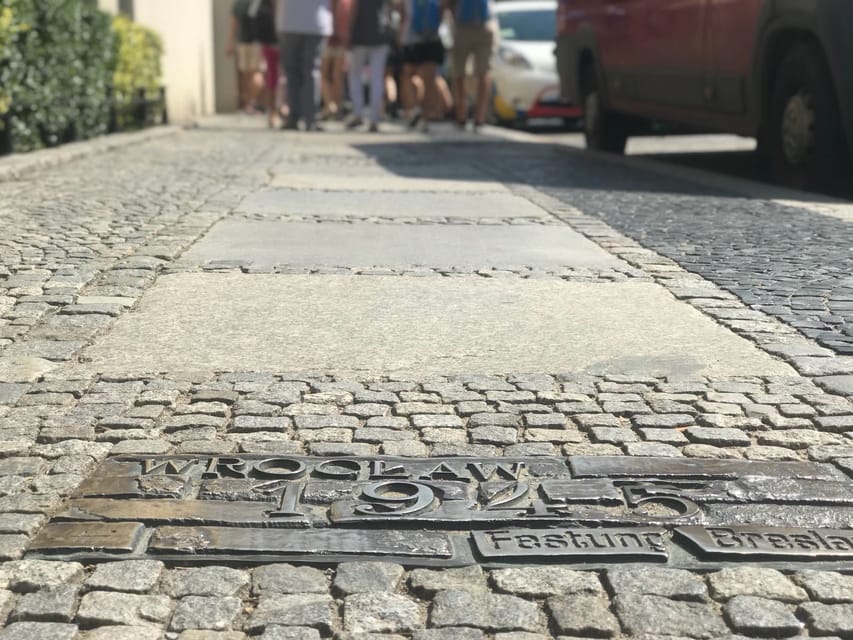
At $40, this walk sits in the range of a worthwhile first-day orientation if you value a live guide. You are paying for the route, the explanations, and the ability to ask questions while the city is in front of you.
The strongest value comes from the variety packed into the time. In one outing, you see the Market Square, Town Hall, medieval streets, university buildings, gnomes, the Oder, and Cathedral Island. You also receive suggestions for food and drink, which can save time when planning the rest of your stay.
The price is less compelling if you prefer to explore slowly, enter every important building, or avoid a shared group. The activity does not promise admission tickets, a meal, transport, or a private guide. You are buying a guided city walk, not a full-day sightseeing package.
Free cancellation up to 24 hours before the start and the reserve-now, pay-later option make the booking relatively flexible. Still, check the available starting times before committing, since the schedule is not fixed in the details provided.
Who will enjoy this Wroclaw walk?
I would choose this tour for a first visit, especially if you want the city’s main story before exploring on your own. It should suit solo visitors and couples who like walking, asking questions, and meeting fellow participants.
Families may enjoy the gnome hunt, though the 2.5-hour length and steady walking pace may feel long for very young children. The activity can also work well for anyone who wants history without a formal classroom tone, since the guide uses legends and amusing details alongside the main facts.
You should think twice if you need extensive indoor time, a slow pace, or a route designed around limited mobility. The details provided do not describe accessibility arrangements, group size, or the amount of time spent inside buildings, so ask before booking if any of those points are essential.
Practical tips for a smoother walk
Wear comfortable shoes. The route uses city streets and includes enough distance between the Market Square, university, and Cathedral Island to make footwear important.
Bring an umbrella and a jacket. Both are specifically recommended, and the tour is outdoors. Even a mild morning can feel different by the time you reach the river and the Cathedral district.
Arrive with a short list of questions. You might ask about the gnomes, the best place to eat after the walk, or which buildings can be visited later. A shared tour moves efficiently, so asking at the right pause helps you get more from the guide.
Keep the meeting instructions handy. Look for the guide with the red umbrella in front of McDonald’s at Rynek 30, Wroclaw. The activity is in English, and the guide is a local expert.
Should you book this tour?
Book it if you want a well-rounded first look at Wroclaw with a human voice tying the city together. The combination of Gothic Town Hall, Baroque university architecture, medieval lanes, gnome lore, and Cathedral Island gives you a strong sense of the city in a manageable 2.5 hours.
The clearest reason to choose it is the guiding style. Sean and Adam have been praised for friendly, engaging explanations, and the walk is built around the kind of stories you are unlikely to get from a map alone.
Skip it if you want a private itinerary, long interior visits, or a very slow photographic walk. For most visitors who want orientation, local suggestions, and a memorable route at $40, this is a sensible way to begin exploring Wroclaw.
FAQ
How long does the Wroclaw guided city walk last?
The tour lasts 2.5 hours. Starting times vary, so check availability when booking.
What language is the tour conducted in?
The tour is conducted in English by a live, local English-speaking guide.
Where does the tour start?
Meet in front of McDonald’s at Rynek 30 in Wroclaw. Look for the guide carrying a red umbrella.
What sights are included?
The walk includes the Market Square, the late Gothic Town Hall, the university buildings, medieval streets, Wroclaw’s gnome statues, the Oder River crossing, and Cathedral Island.
Does the tour visit the Cathedral of St. John the Baptist?
The route concludes in Ostrow Tumski, where the Cathedral of St. John the Baptist and other churches and cloisters are located.
Is this a private tour?
No. It is a shared tour, giving you the chance to meet fellow participants.
What should I bring?
Bring comfortable shoes, an umbrella, and a jacket.
Does the tour return to the starting point?
The meeting information says the activity ends back at the original meeting point. The route description says it concludes in Ostrow Tumski, so confirm the exact finishing arrangement with the guide.
Can I cancel for a full refund?
You can cancel up to 24 hours in advance for a full refund. The reserve-now, pay-later option also lets you book without paying immediately.
Just added around Wroclaw
- Wrocław: World War II and the non-existent city of Breslau★ 3.6 · 3 reviews
- Wrocław to Rock City in Adrspach and Project Riese day trip★ 5.0 · 5 reviews
- Wroclaw: WW2 Tour to Project Riese & Gross-Rosen Museum★ 4.8 · 26 reviews
- Wroclaw: University Baroque Tour★ 5.0 · 19 reviews
- Wroclaw : Walking Custom Tour with a Local Guide★ 4.8 · 3 reviews
- Wrocław: Tour of the Old Town in an Imperial E-car★ 4.3 · 13 reviews
- Wroclaw to Rock City in Adrspach and Ksiaz Castle day trip★ 4.9 · 16 reviews
- Wroclaw: 3-Hour Bike Tour in English or Polish★ 4.8 · 66 reviews
Walking Tours, compared.
Gdańsk City Sights & History Guided Walking Tour in English
Read our review →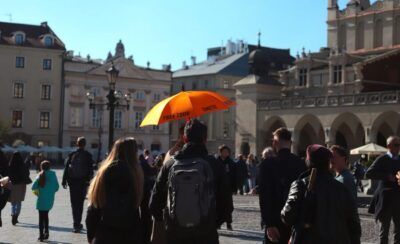
Browse the lists this tour appears in