
Reviewed · OLD TOWN WALKING TOURS
Wroclaw: Old Town Highlights Private Walking Tour
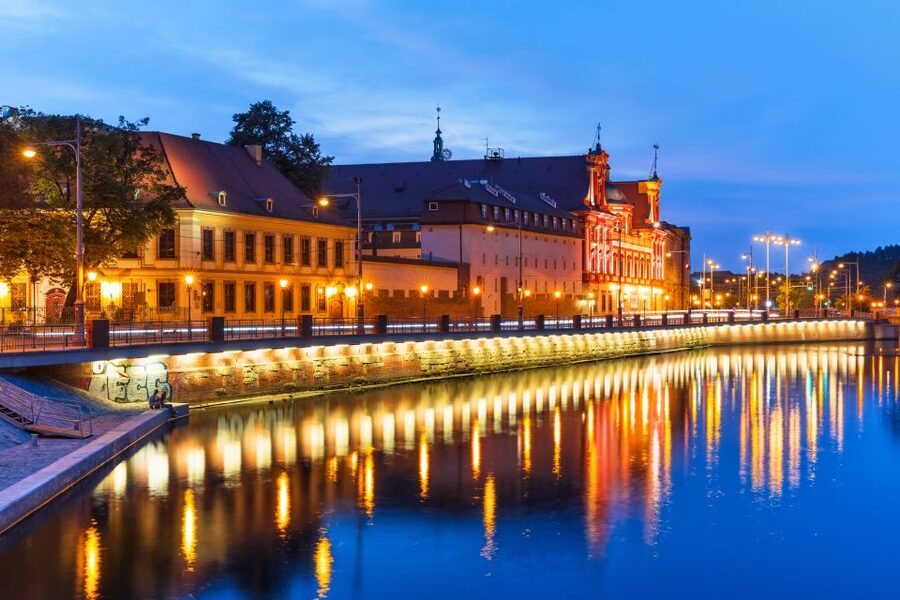
Wroclaw’s best surprise is its small scale. In a few hours, you can move from a grand Gothic town hall to tiny copper dwarfs, then follow the Oder River toward Cathedral Island. The city’s islands, bridges, churches, and colorful houses make this more than a standard square-and-statue walk.
I like the choice of three tour lengths, since you can match the route to your schedule. I also like having a private guide who can explain local legends, point out easy-to-miss details, and suggest restaurants, pubs, and clubs for later.
The main consideration is price: at $103 per person, this is not a budget stroll, especially for one or two people. Church access can also be limited during Sunday and holiday masses, and the optional Aula Leopoldina visit costs extra.
Key points at a glance
- Copper dwarfs in the Old Town: Your guide helps you spot some of the dozens scattered around central Wroclaw.
- A private, licensed guide: Tours are available in English, Spanish, French, German, Italian, Polish, and Russian.
- Three routes to choose from: The two-hour walk covers the core sights, while the three- and four-hour options add churches, islands, and Cathedral Island.
- Church visits on longer tours: St Adalbert’s Church is included on the three- and four-hour routes, while the four-hour option includes the Cathedral of St. John the Baptist tower and chapels.
- Useful local advice: The guide can suggest places for Polish food, drinks, nightlife, and a meal after the walk.
- Old Town pickup: Pickup is available from accommodations within the Wroclaw Old Town area, roughly within 1.5 kilometers of the meeting point.
Why Wroclaw works so well on foot
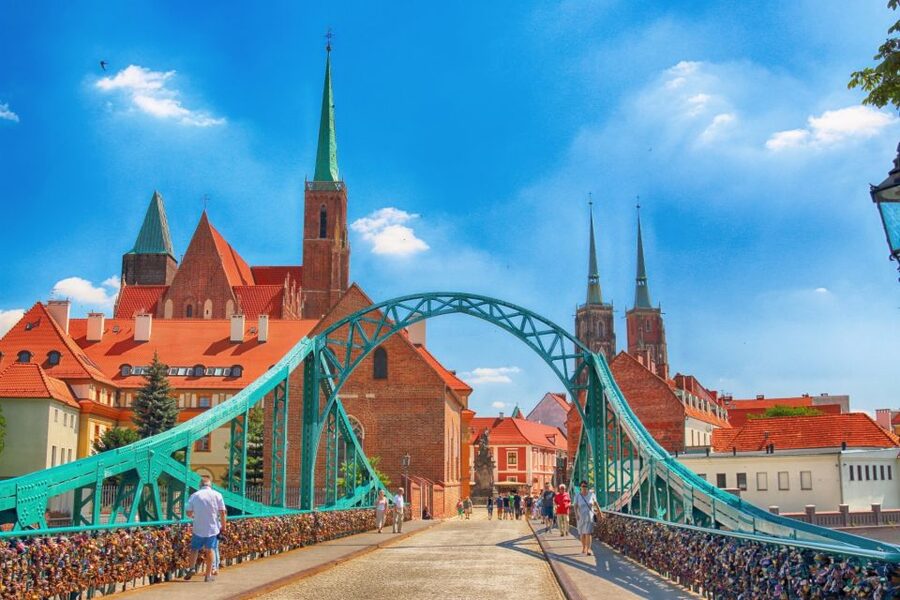
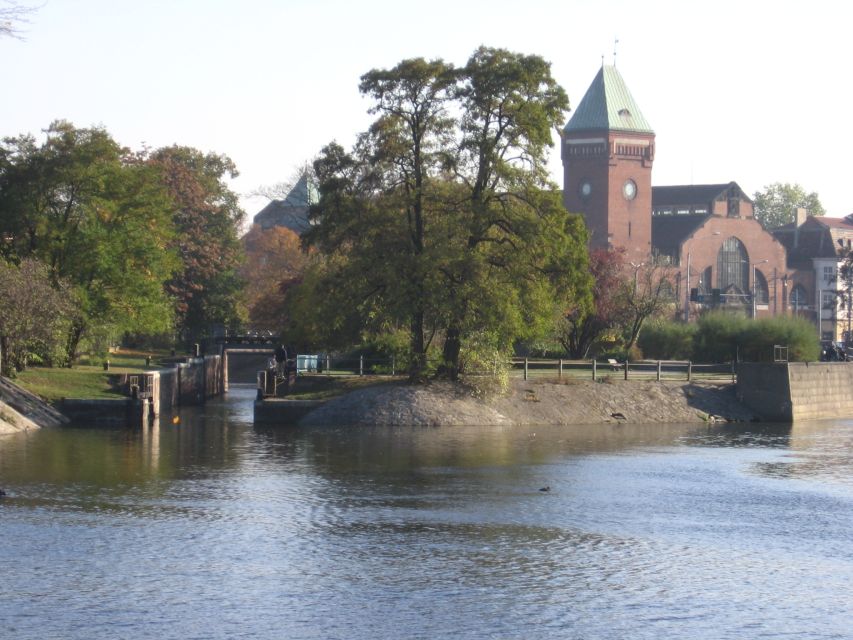
Wroclaw is often called the Venice of the North because water threads through the city in the form of the Oder River, channels, and islands. You will not be seeing Venice-style canals at every turn, but the comparison makes sense once the route reaches the river and the bridges linking the historic center with Cathedral Island.
The city also rewards a guide because its story is not simple. Wroclaw has been shaped by changing borders, Polish and German influences, religious communities, war, and postwar rebuilding. A short walk cannot cover all of that, but a good guide can give you a useful framework while keeping the focus on places directly in front of you.
The private format matters here. You can ask why a building looks the way it does, pause for photographs, or spend a few extra minutes hunting for a dwarf without holding up a large group. The guide’s job is not just to name buildings. It is to connect the city’s architecture with its stories and everyday character.
The experience is provided by Rosotravel Poland and uses a guide with an official Wroclaw license. Elżbieta is one guide associated with the experience. Her approach, as reflected in the supplied comments, combines clear explanations of Polish history with a genuine affection for Wroclaw. She also gives practical suggestions for the rest of your visit.
More Old Town Walking Tours in Wroclaw
- Wrocław: Old Town and Ostrów Tumski Walking Tour in English
★ 4.8 · 311 reviews - Wroclaw: Private Old Town Guided Walking Tour (2 hours)
★ 4.8 · 275 reviews - Old Town Wrocław Walking Tour
★ 5.0 · 249 reviews
Solny Square and the first copper dwarfs
The two-hour route begins beneath the Small Iglica spire in Solny Square. This is a sensible meeting point because the square is easy to recognize and gives you an immediate dose of Wroclaw’s historic center.
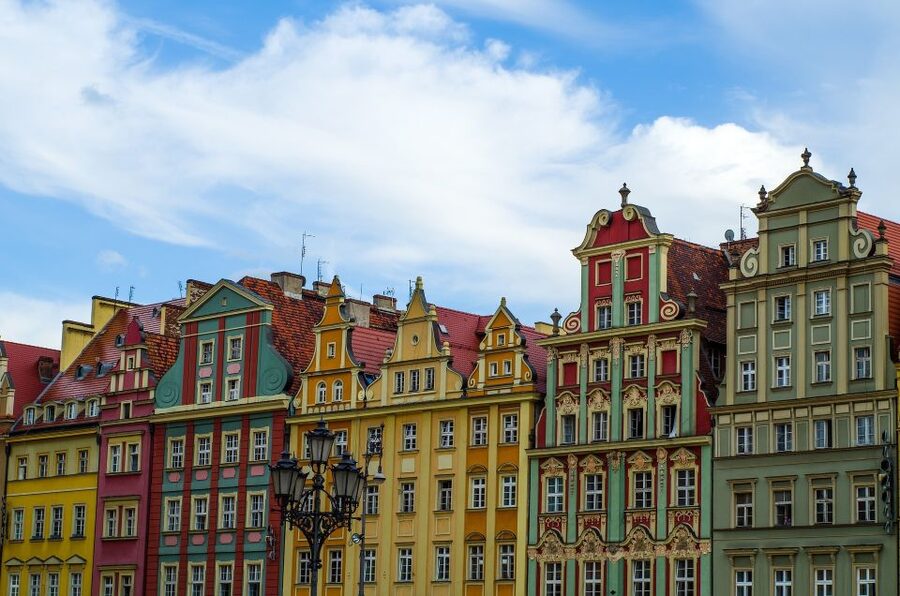
Colorful old tenement houses frame the square, creating a softer and more intimate opening than the larger Market Square nearby. Your guide can help you read the façades, notice how the buildings fit together, and begin the city’s habit of looking down as well as up.
That last point is important. Wroclaw’s copper dwarfs are scattered around the center, often at street level and easy to miss if you are rushing between major sights. They are not the reason to visit Wroclaw, but they give the walk a playful side and encourage you to pay attention to shopfronts, corners, and paving stones.
You may not find every dwarf on a single tour. The value is learning how to spot them and understanding why they have become part of the city’s modern identity. If you are traveling with children, the search adds a simple game to what could otherwise be a heavy dose of architecture.
The Market Square and medieval civic power
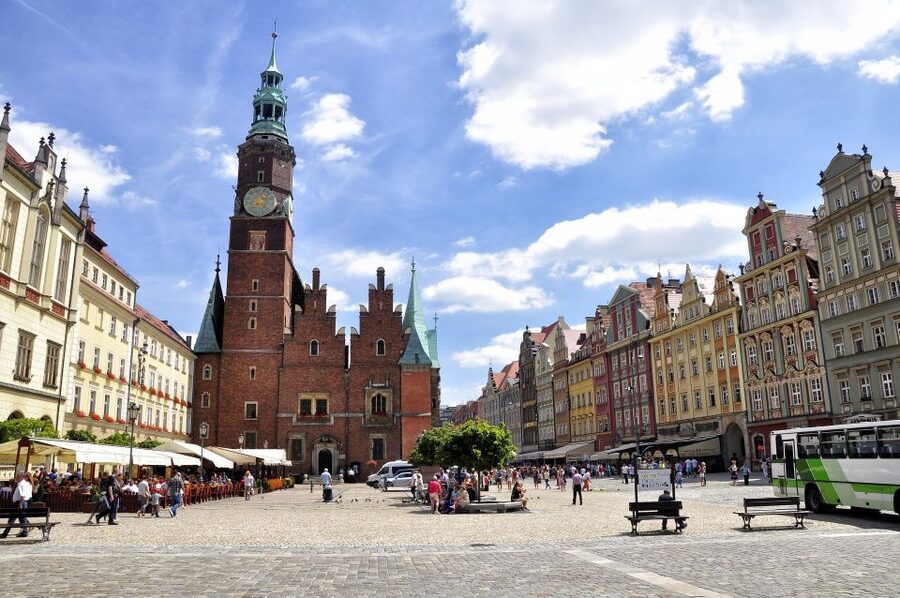
From Solny Square, the route moves into Wroclaw’s medieval Market Square. This is the visual center of the Old Town, with rows of historic residences in varied colors and styles.
Look for the Griffin House, the House Under the Golden Crown, and the House Under the Golden Deer. Their names make the square easier to remember, and a guide can point out the decorative features that disappear when you view the square as one large picture.
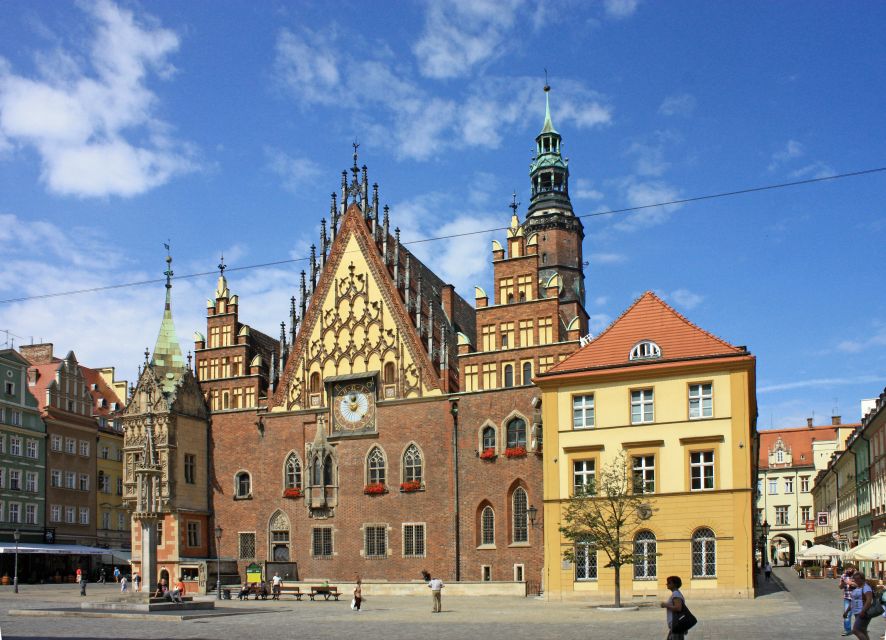
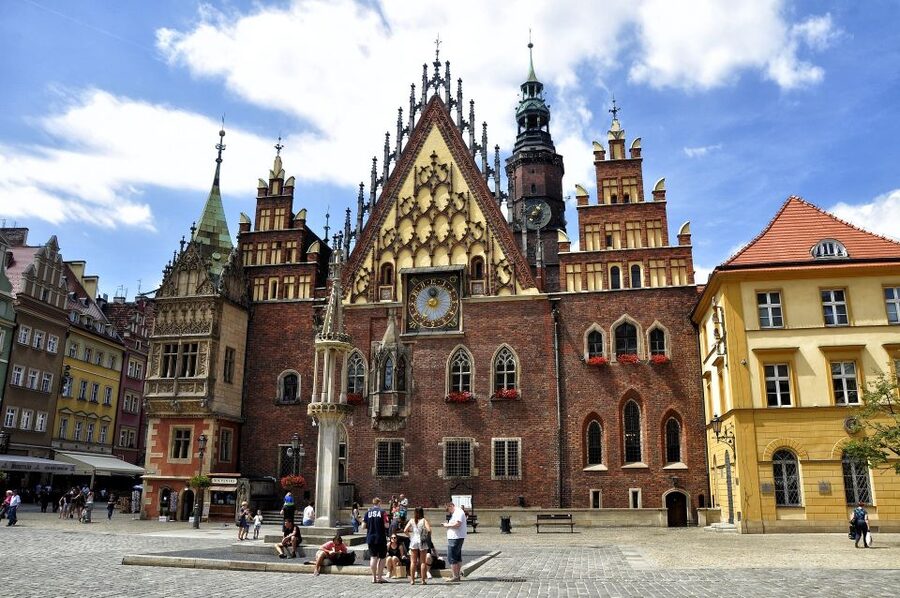
The Gothic façade of the 13th-century Old Town Hall is the major architectural event here. It is a building that rewards close looking, especially around its vertical lines, carved details, and layered façade. The guide can explain how the town hall functioned as the center of civic government and why it still carries such weight in the city.
Nearby, the Pillory, or Pregierz, recalls medieval punishment by public humiliation. It is a useful reminder that the square was not only a place for markets and ceremonies. It was also a stage for law, power, and public judgment.
The Hansel and Gretel Houses add a lighter legend to the area. These two narrow buildings are linked by an arch and are known for the story that they are holding hands. You will not spend hours here, but the tale gives a human touch to the stone and plaster around the square.
St Elizabeth’s Church and the Four Denominations District
The route continues to the Gothic Church of St Elizabeth of Hungary. Its tall form gives you a sense of the scale of Wroclaw’s medieval religious buildings, even as the narrow streets around it create a more enclosed mood.
The District of Four Denominations is one of the more interesting stops because it shifts the tour from individual monuments to the city’s religious and social makeup. In a compact area, you encounter churches connected with different Christian traditions. The narrow alleys make this part of the walk feel different from the broad Market Square.
This is also where the guide’s storytelling can make a real difference. A building-by-building explanation may leave you with a list of names. A well-paced account of local communities, religious life, and urban change gives the district a clearer purpose.
The route then follows the Oder River before ending at Wroclaw University on the two-hour version. That progression works well: grand square, side streets, church district, water, and university. You get a broad introduction rather than spending the entire tour in one plaza.
Same country, a completely different kind of day:
- Wroclaw: E-Car Tour and Audio Guide
★ 4.6 · 1,738 reviews - Wroclaw: 2-Hour Private Guided Tour by Electric Car
★ 4.8 · 805 reviews - Wroclaw: City Tour Sightseeing By Golf Cart Shared Or Privat
★ 4.8 · 189 reviews - Auschwitz-Birkenau Tour from Wrocław
★ 5.0 · 129 reviews
Wroclaw University and the optional Aula Leopoldina
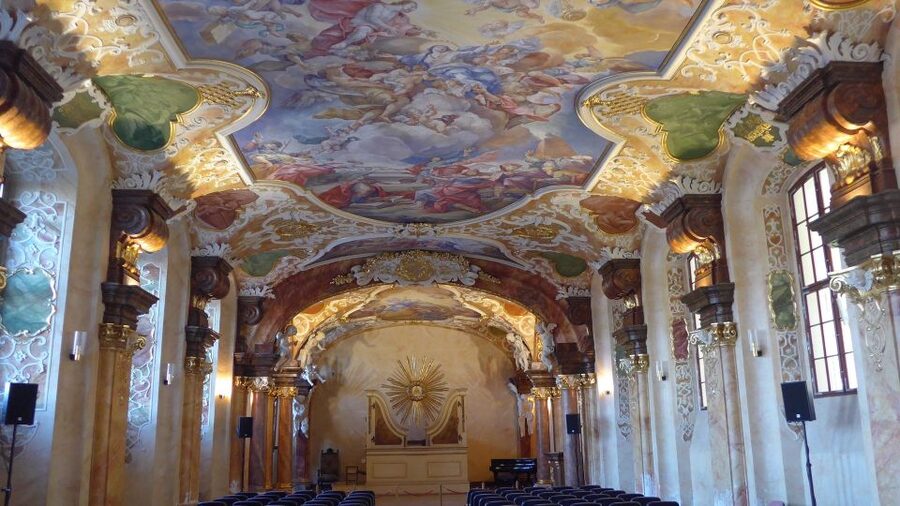
Wroclaw University is the final main stop on the two-hour route. Its principal building is known for the Baroque Aula Leopoldina, a ceremonial hall with an ornate interior.
Entry to Aula Leopoldina is optional and not included in the tour price. That is worth noting before you book. If you care about Baroque interiors, you may want to add it. If your priority is outdoor sightseeing, the exterior and the guide’s explanation may be enough.
The university adds another layer to the city. After medieval commerce, religious districts, and riverfront views, you see Wroclaw as a place of education and ceremony. It is a good endpoint for a shorter walk because you finish near a major landmark rather than simply retracing your steps.
The three-hour route adds St Adalbert’s Church
Choose the three-hour option if you want more than the core Old Town without committing to the full Cathedral Island route. This version adds views across the Oder and several notable sites near the river.
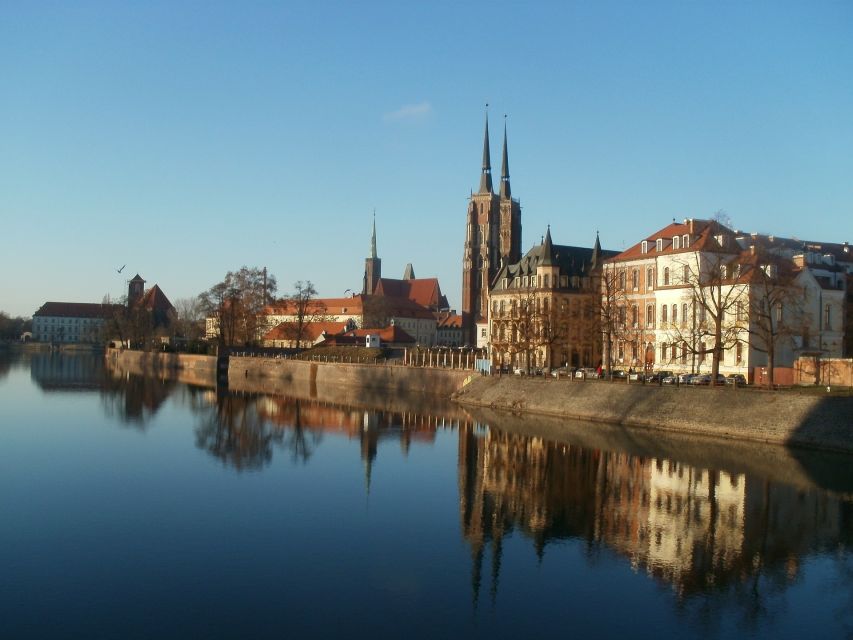
Tamka Island and Piaskowa Island help explain why Wroclaw feels so connected to water. The views are part of the appeal, but they also give you a better sense of the city’s layout. Bridges and islands stop being abstract labels on a map and become a visible part of the urban design.
The route also includes the Cathedral of St Vincent and St James and the 20th-century Market Hall. These stops broaden the architectural range. You are not only seeing medieval Gothic buildings. You are also seeing later structures that reflect different periods of Wroclaw’s growth.
In Slowacki Park, the guide points out the Panorama of the Battle of Racławice and the remains of Bastion Ceglarski. The bastion ruins mark fragments of former city fortifications, offering a small but useful reminder that Wroclaw was once a defended city with walls and military structures.
The highlight of the three-hour tour is a visit to the 12th-century Church and Monastery of St Adalbert. The church’s Gothic architecture and long history make it more than a quick photo stop. Entry is included on this route, which improves the value compared with the two-hour option if you want to see an interior.
You should still allow for some flexibility. Sunday and holiday masses may limit access inside churches. The tour can continue around the building, but the interior portion may not unfold exactly as planned.
The four-hour route reaches Cathedral Island
The four-hour option is the fullest choice and the clearest match for someone visiting Wroclaw for the first time who wants the historic center explained in one sitting. It adds Ostrow Tumski, or Cathedral Island, the oldest part of the city.
Despite the name, Cathedral Island is not simply a religious attraction. It is an area of medieval landmarks, monasteries, churches, and river crossings. Walking there gives you a different mood from the commercial center, with more emphasis on sacred buildings and old urban form.
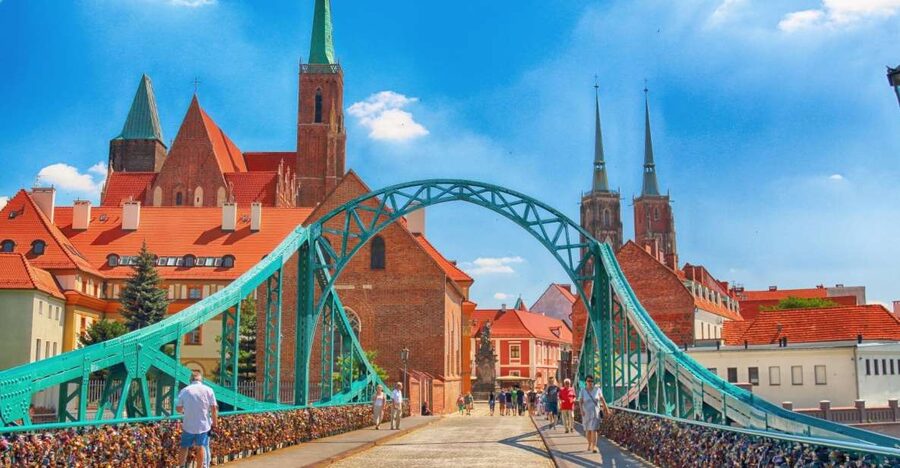
The Tumski Bridge is an important part of the approach. It links the river setting with the church district and gives you a strong view of the surrounding water and skyline. The route also includes the Collegiate Church of the Holy Cross and St Bartholomew, along with the Archbishop’s Palace.
The centerpiece is the Cathedral of St. John the Baptist. The four-hour option includes tickets for the tower and chapels, which makes this route more expensive in time but more complete in sightseeing.
Inside, you can expect chapels and a monumental religious interior. From the tower, the views across Wroclaw provide a useful reward after several hours of walking. You can see how the river, islands, bridges, and church towers fit together. That elevated view helps make sense of the city in a way a street-level walk cannot.
The four-hour route does require stamina. This is still a walking tour, not a hop-on, hop-off circuit. If you have limited mobility, need frequent rest, or prefer a slower pace, the two-hour version may be a better fit. The supplied information does not give a detailed accessibility assessment, so ask the operator about your particular needs before booking.
How much value do you get for $103?
At $103 per person, the experience asks for a fairly serious commitment. The price makes more sense if you choose the three- or four-hour route, use the guide’s local recommendations, and value having a private licensed guide rather than simply following an audio guide.
The four-hour option includes access to the Cathedral of St. John the Baptist tower and chapels. The three-hour option includes St Adalbert’s Church and Monastery. Those inclusions help offset the cost, though the University’s Aula Leopoldina remains optional and separate.
For a solo visitor, the price may feel steep. For a couple, family, or small private party, the ability to shape the conversation and avoid a large group can make it easier to justify. You are also paying for orientation. A guide can help you understand where to return later, which restaurants may suit your taste, and where to find nightlife.
I would choose the two-hour route if you want a compact introduction and plan to explore Wroclaw independently afterward. I would choose four hours if Cathedral Island and the cathedral tower are high on your list. The three-hour version is the middle ground for visitors who want church interiors and river scenery but do not need the full eastern extension.
Timing, pickup, and practical details
The activity lasts two to four hours, depending on the option you book. Starting times vary, so check availability for your date.
Pickup is available only in Wroclaw Old Town, from accommodation located within about 1.5 kilometers of the meeting point. If you provide your accommodation address at booking, the guide can meet you there when it fits the pickup rules. Otherwise, you will meet at the specified point, which may vary by option.
Read the email sent the day before. That message contains important meeting information, and the start location is not identical for every route.
The tour is offered in English, Spanish, French, German, Italian, Polish, and Russian. The guide is private and has an official Wroclaw license, so you can book in the language that works best for your group.
Cancellation is flexible up to 24 hours before the tour for a full refund, and you can reserve now and pay later. Those terms are useful if your Poland itinerary is still shifting.
Wear shoes suited to several hours on city streets. The route includes squares, narrow alleys, riverfront areas, bridges, and church interiors. Sunday and holiday masses may restrict sightseeing inside churches, so keep your expectations flexible on religious sites.
Who should book this Wroclaw walk?
I would recommend it to first-time visitors who want a clear introduction without managing a complicated route on their own. It also suits history-minded visitors who prefer explanations and local legends to a simple list of photo stops.
Families may enjoy the dwarf hunt, while couples and friends can make good use of the restaurant and pub suggestions. The private format is particularly helpful if your group has specific interests, such as church architecture, Polish history, or urban legends.
I would be more cautious if you are watching every dollar or already plan to explore the Old Town at length with a guidebook. The two-hour route covers a lot, but the price is hard to call a bargain for a very small party. You also should not book the four-hour version if you dislike walking or mainly want a relaxed café afternoon.
Should you book the Old Town Highlights tour?
Book this tour if you want Wroclaw’s main sights tied together by a local voice, with the option to add St Adalbert’s Church or Cathedral Island. The four-hour version offers the fullest picture, especially because it includes the cathedral tower and chapels.
Choose two hours for a sharp orientation, three hours for a broader Old Town walk with church visits, or four hours for the historic center plus Ostrow Tumski. The private guide, multilingual service, local dining advice, and playful dwarf search give the experience more personality than a bare monument checklist.
Skip it if $103 per person feels too high for a walking introduction or if you prefer to discover every corner at your own pace. For most first visits, though, this is a practical way to get your bearings, learn the city’s unusual stories, and leave with a better idea of where to spend the rest of your time.
FAQ
How long does the Wroclaw walking tour last?
You can choose a two-hour, three-hour, or four-hour version. Starting times depend on availability.
What sights are included on the two-hour route?
The two-hour route includes Solny Square, the Market Square, the Old Town Hall, the Pillory, the Hansel and Gretel Houses, St Elizabeth’s Church, the District of Four Denominations, the Oder River, and Wroclaw University.
Is entry to the churches included?
Entry to St Adalbert’s Church and Monastery is included on the three- and four-hour options. The four-hour option also includes tickets for the tower and chapels of the Cathedral of St. John the Baptist.
Is the Aula Leopoldina at Wroclaw University included?
No. Entry to Aula Leopoldina is optional and is not included in the tour price.
Can the guide pick me up at my accommodation?
Pickup is available from accommodation in Wroclaw Old Town, generally within 1.5 kilometers of the meeting point. If your accommodation is outside that area, the meeting point or itinerary may change.
What languages are available?
The tour is offered in Spanish, English, French, German, Italian, Polish, and Russian.
More Walking Tours in Wroclaw
- Wroclaw Old Town Guided Walking Tour
★ 5.0 · 100 reviews - Group city tour (walking tour) through Wroclaw in German
★ 4.9 · 89 reviews - Wroclaw: Guided City Walk
★ 4.9 · 87 reviews - Wrocław: Long City Walk and River Cruise
★ 4.8 · 68 reviews
Just added around Wroclaw
- Wrocław: World War II and the non-existent city of Breslau★ 3.6 · 3 reviews
- Wrocław to Rock City in Adrspach and Project Riese day trip★ 5.0 · 5 reviews
- Wroclaw: WW2 Tour to Project Riese & Gross-Rosen Museum★ 4.8 · 26 reviews
- Wroclaw: University Baroque Tour★ 5.0 · 19 reviews
- Wroclaw : Walking Custom Tour with a Local Guide★ 4.8 · 3 reviews
- Wrocław: Tour of the Old Town in an Imperial E-car★ 4.3 · 13 reviews
- Wroclaw to Rock City in Adrspach and Ksiaz Castle day trip★ 4.9 · 16 reviews
- Wroclaw: 3-Hour Bike Tour in English or Polish★ 4.8 · 66 reviews
Old Town Walking Tours, compared.

Bike Tour of Old Town, Jewish Quarter and the Ghetto
Read our review →

Sightseeing EcoCruise around the Old Town of Gdansk
Read our review →
Browse the lists this tour appears in